November is a really good time to get winter-flowering plants in the ground, while the soil is workable, and bare-root roses can go in now for flowers later in the year. In colder Zones 3–5, choose hardy, established plants and shelter pots, whereas milder Zones 6–10 have more options, including winter jasmine.
Even though it's tempting to plan ahead for next year, there is a lot we can still plant in November that will give color or cool-weather vegetables over the next few months.
Weatherproof planters from Walmart makes it easy to bring color up close to the front door. Choose plants for your version of winter because lets face it, Georgia and Minnesota aren’t working with the same November.
1. Winter Pansies (Viola × wittrockiana)
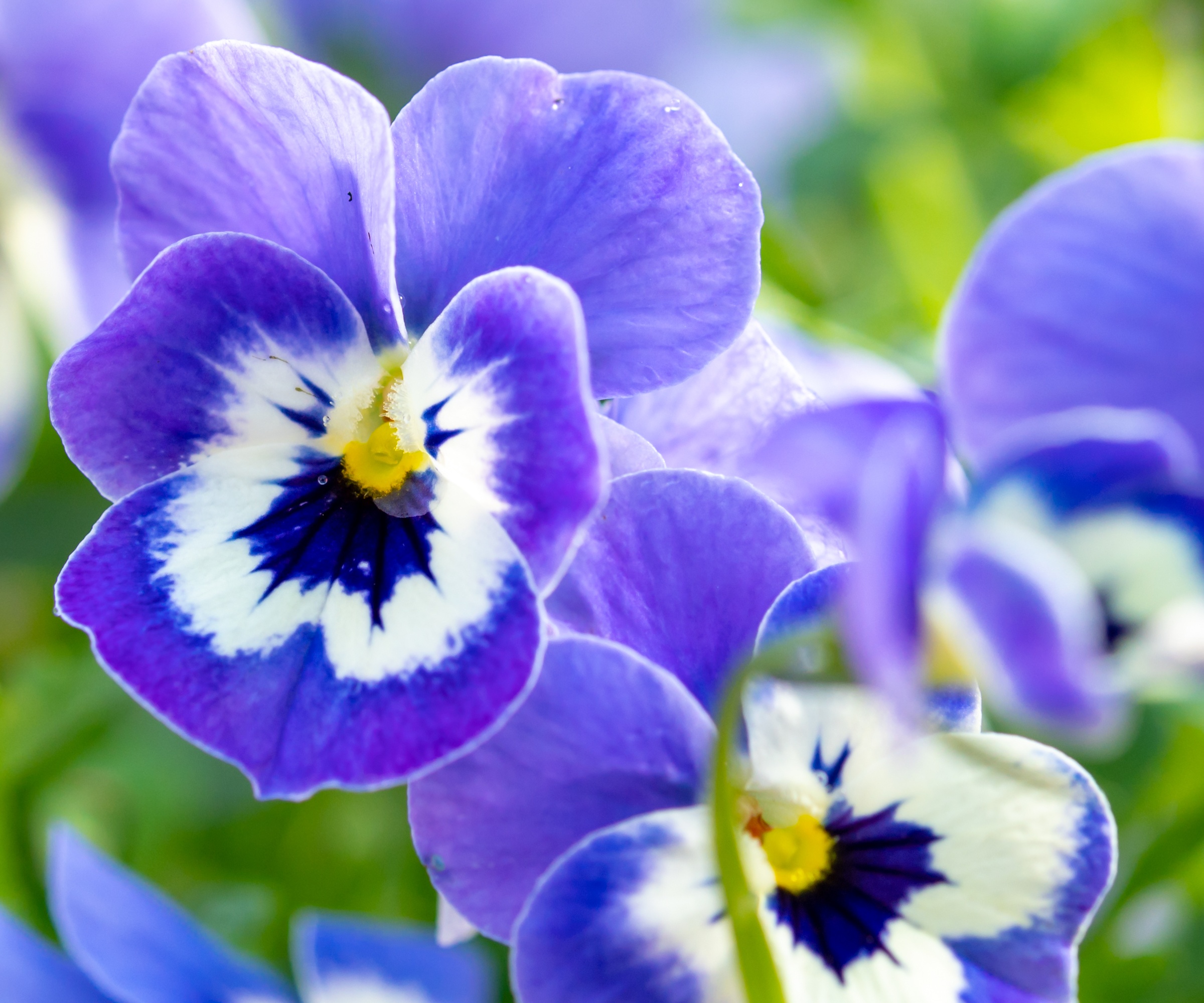
Pansies are the garden’s cheerful answer to a month that specializes in gray skies. Buy established plants rather than starting from seed now, and they can provide color through mild winter spells, then keep going into spring.
Look for varieties sold as winter-flowering, with plenty of buds and compact, healthy growth. If the flowers look as though they have already had a long night out, leave them at the garden center.
Plant in fertile, well-drained soil in sun or light shade. Pansies are happiest in cool weather; in Zones 6–9 they can flower through winter, while hard freezes in Zones 3–5 may pause the show. They often bounce back when temperatures rise, but pots freeze faster than beds, so tuck containers beside a sheltered wall. In hot-summer Zones 9–10, treat them as cool-season annuals.
I like them by the steps or under a kitchen window, where a gray morning could use a small event. See H&G’s guide to when to plant pansies for an extra planting tips; winter pansy plants from Amazon are a convenient way to start.
Design expertise in your inbox – from inspiring decorating ideas and beautiful celebrity homes to practical gardening advice and shopping round-ups.
2. Violas
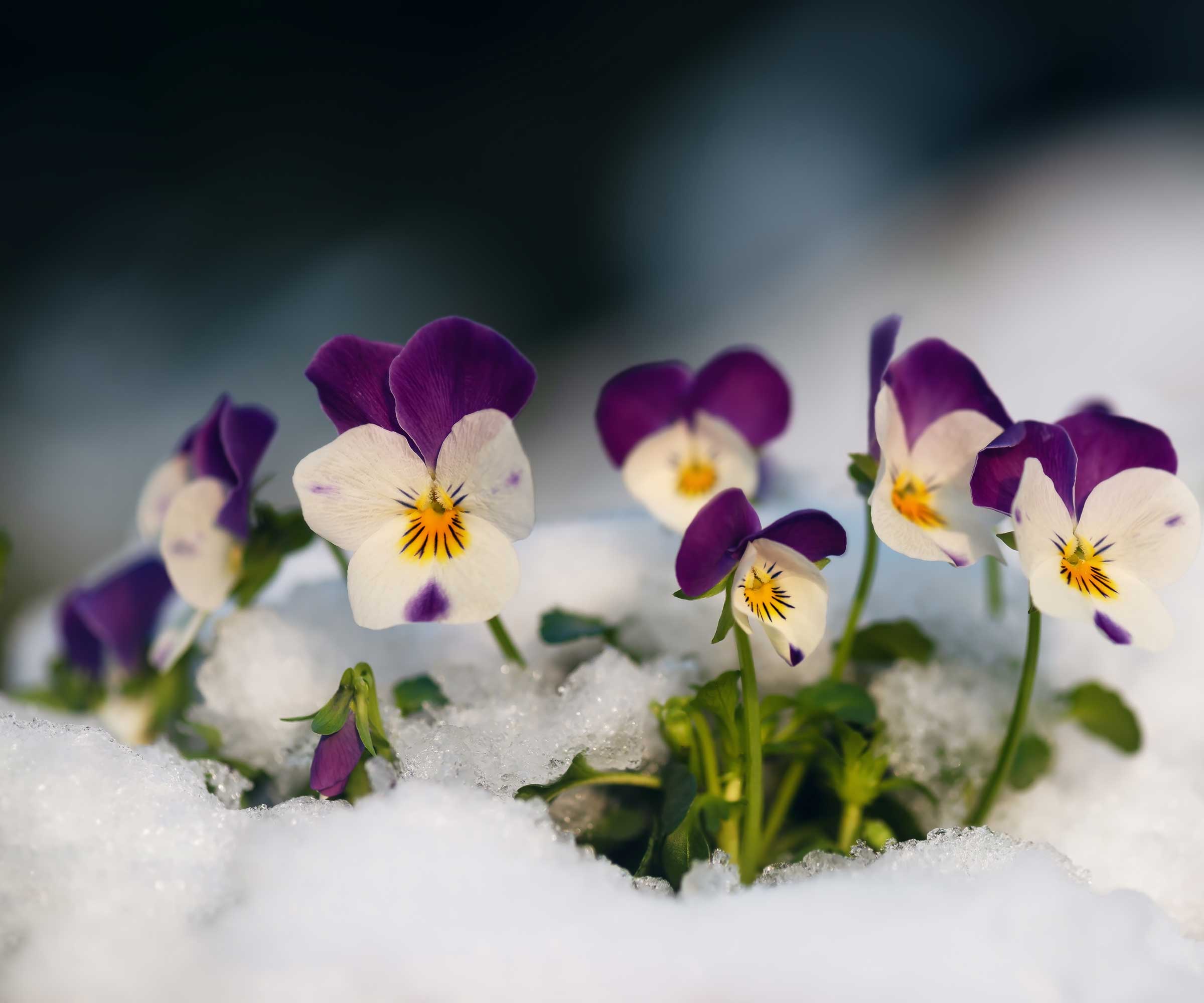
Violas have the same cool-season spirit as pansies, with smaller flowers and a less formal air. Plant nursery-grown violas in November for pots, window boxes, or the front of a border.
They come in jewel-box shades, often with delicate whisker-like markings, and they make a lovely understory for bulbs that will appear later. I see them as the garden’s dependable opening act that you just know you can stick in and forget about.
Choose winter-flowering varieties and give them sun in cooler areas or afternoon shade where winters are mild. Many are hardy across Zones 4–9; in colder gardens, a sheltered container is safer. Keep soil moist, not soggy, and remove faded blooms before the plants put energy into seed.
Mix colors rather than imposing a strict scheme as violas look best when they seem to be having fun. Browse H&G’s winter flowers for pots for companions, and find viola plants at Walmart.
3. Christmas Rose (Helleborus niger)
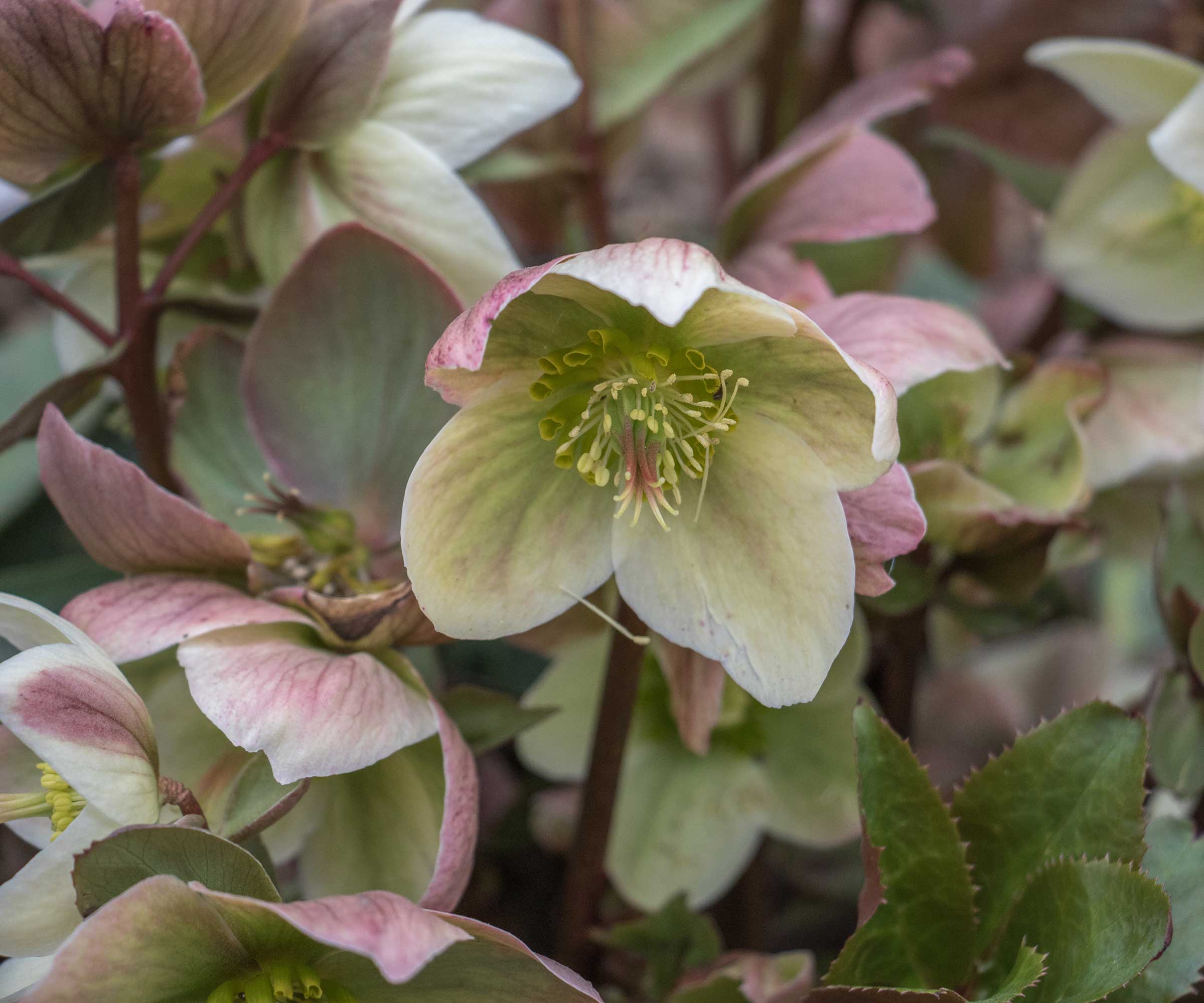
The Christmas rose is not a rose, and it does not take requests about blooming exactly on Christmas Day. It is, however, a reliably lovely winter-flowering perennial and quite possibly my winter favorite.
Buy a plant in bud or bloom in November for the best chance of seeing flowers this season, but beware that smaller, newly planted specimens may take their time. The white blooms, sometimes flushed pink as they age, sit above handsome evergreen leaves and look especially good near a path where you can admire them without kneeling in a flower bed.
Give hellebores partial shade and rich, well-drained soil. They suit many temperate gardens, often Zones 4–8 depending on variety. Shelter them from harsh wind in colder regions, and from afternoon sun in warmer ones. Wear gloves, as their sap can irritate skin.
Late-fall hellebore advice can be found in our guide to last-minute planting ideas you can do now before winter arrives; Christmas rose plants from Nature Hills are one source for my favorite variety.
4. Winter Heather (Erica carnea)

Winter heather is a low-growing evergreen that earns its keep while most of the garden is considering an extended nap. Its tiny bell-shaped flowers line the stems in pink, purple, or white, often for months, and the foliage remains attractive after the flowers fade.
In November, garden centers usually have plants ready to go straight into a border or container, giving you instant color without asking you to wait until spring for the punchline.
Plant in sun and free-draining soil. Winter heather tolerates cold, but check the cultivar’s hardiness range. It dislikes wet roots, especially in pots, so use a container with drainage and a suitable acidic or neutral mix. Repeat several plants to create a drift along a path or border.
H&G explains the difference between winter heather and summer heather in its growing guide. Browse winter heather at Plant Addicts for varieties and colors.
5. Hardy Cyclamen (Cyclamen coum)
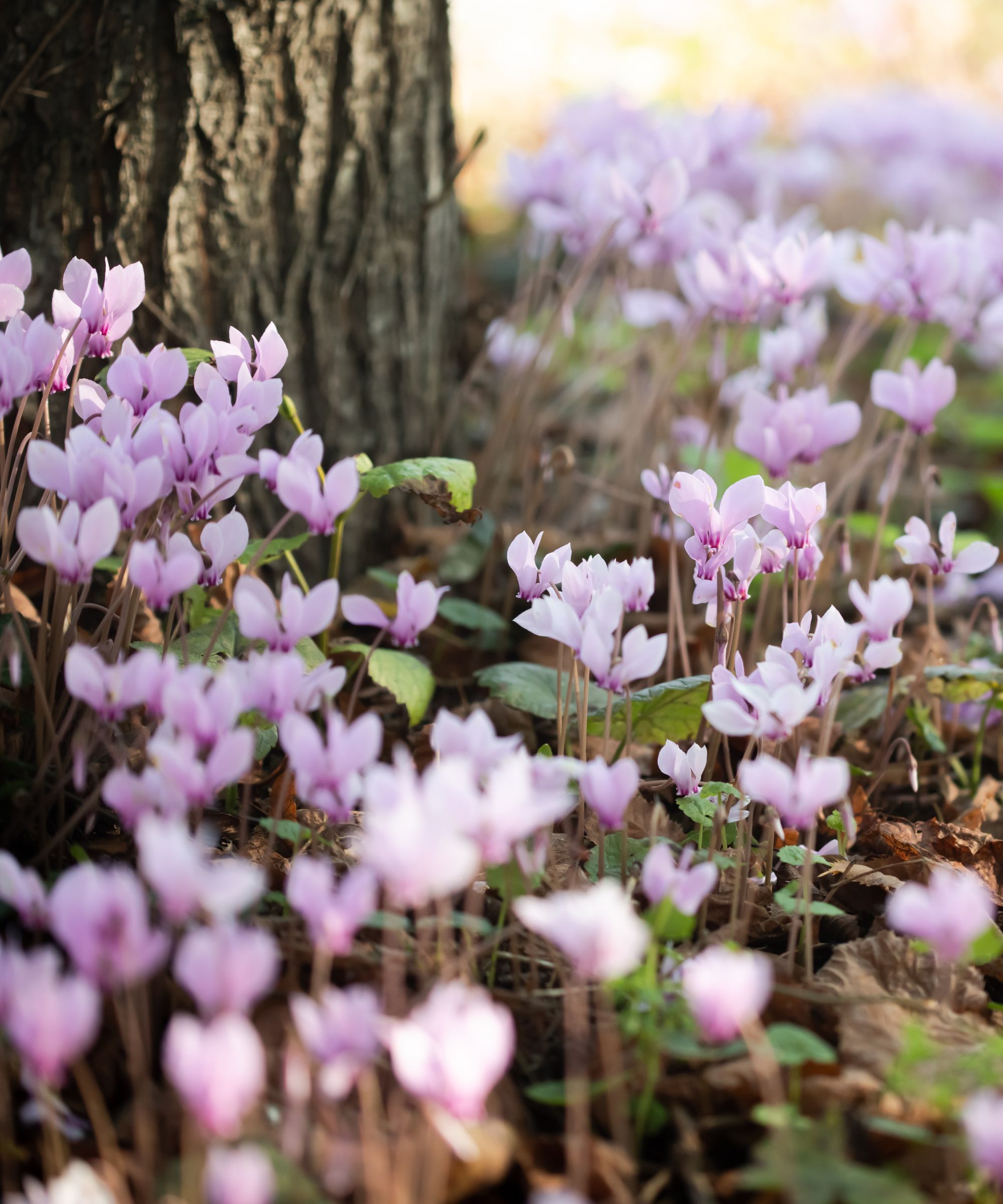
Hardy cyclamen is a tiny winter marvel. Swept-back petals rise above rounded, often silver-patterned leaves, as though the plant has dressed for a much grander occasion than the weather. Choose a potted plant in November if you want flowers soon. Tubers planted now may take longer to establish and flower, so don’t expect an immediate carpet from a few small corms.
Cyclamen coum flowers from December into early spring and is hardy in Zones 4–8. It likes partial shade and well-drained soil, making it at home under deciduous trees or beside a shrub. Set tubers about two inches deep and avoid waterlogging. In very cold areas, choose an established plant in a sheltered bed or pot; in milder zones it can naturalize.
For a delicate-looking plant, it is surprisingly robust. H&G’s cyclamen variety guide explains why Cyclamen coum is the winter choice; hardy cyclamen from Amazon can help you avoid tender florist types.
6. Winter Jasmine (Jasminum nudiflorum)
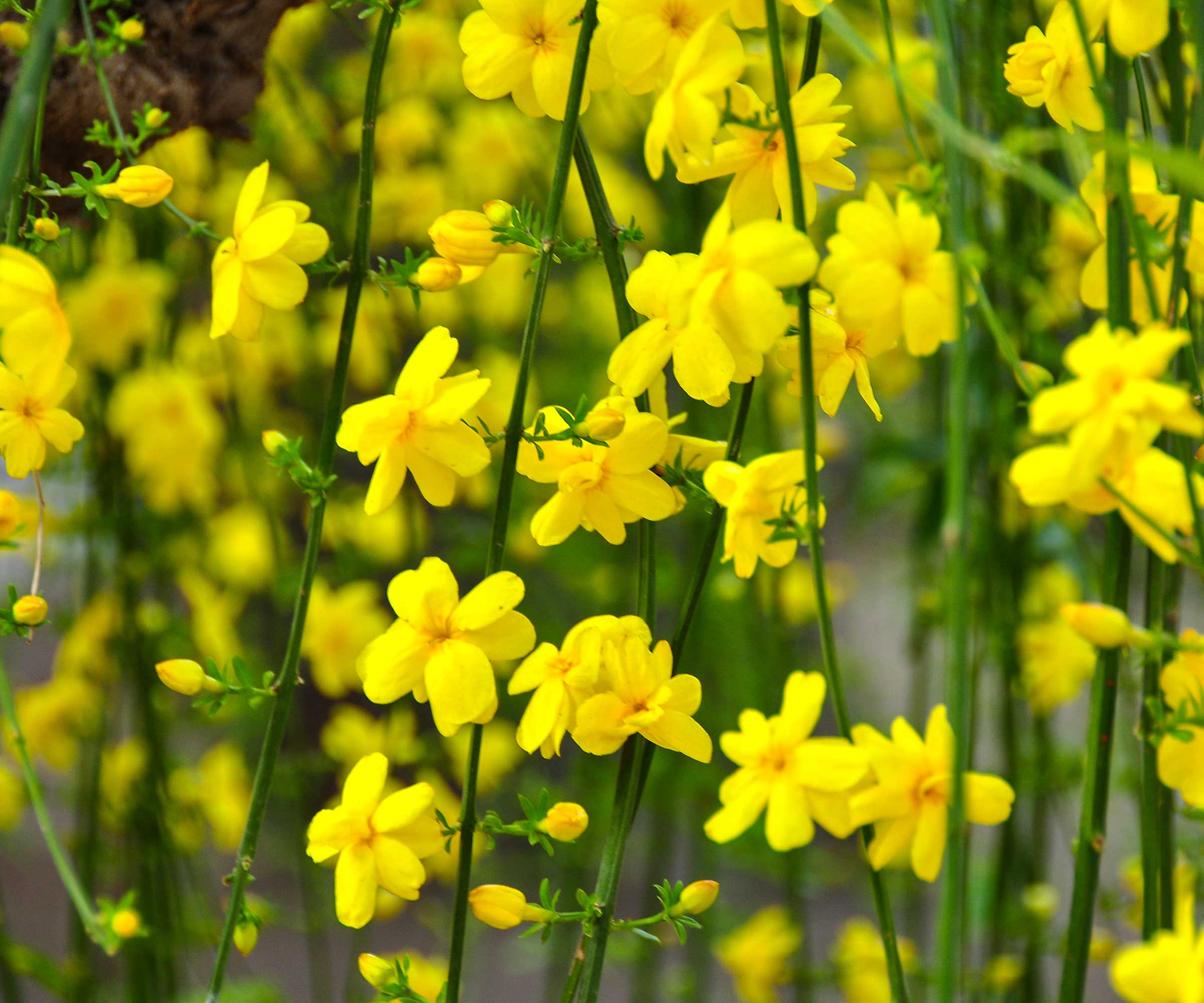
Winter jasmine is a shrub with impeccable timing. Its bright yellow flowers open on bare green stems during winter, when the garden could use a little good news and a little less brown.
Buy a container-grown plant and set it out in November while the soil is workable. It can be trained against a wall or allowed to arch over a low bank; left entirely to its own devices, it will spread with a little too much confidence.
Winter jasmine is hardy around Zones 6–10 and does best in sun or partial shade with well-drained soil. Flowering varies with local weather; shelter helps in colder areas. It lacks summer jasmine’s scent, but the color more than compensates.
Give it room and prune after flowering if stems wander into the path. See our winter jasmine guide for more information on how to plant it and head to Amazon for Jasminum nudiflorum plants.
7. Bare-Root Roses (Rosa Sp.)
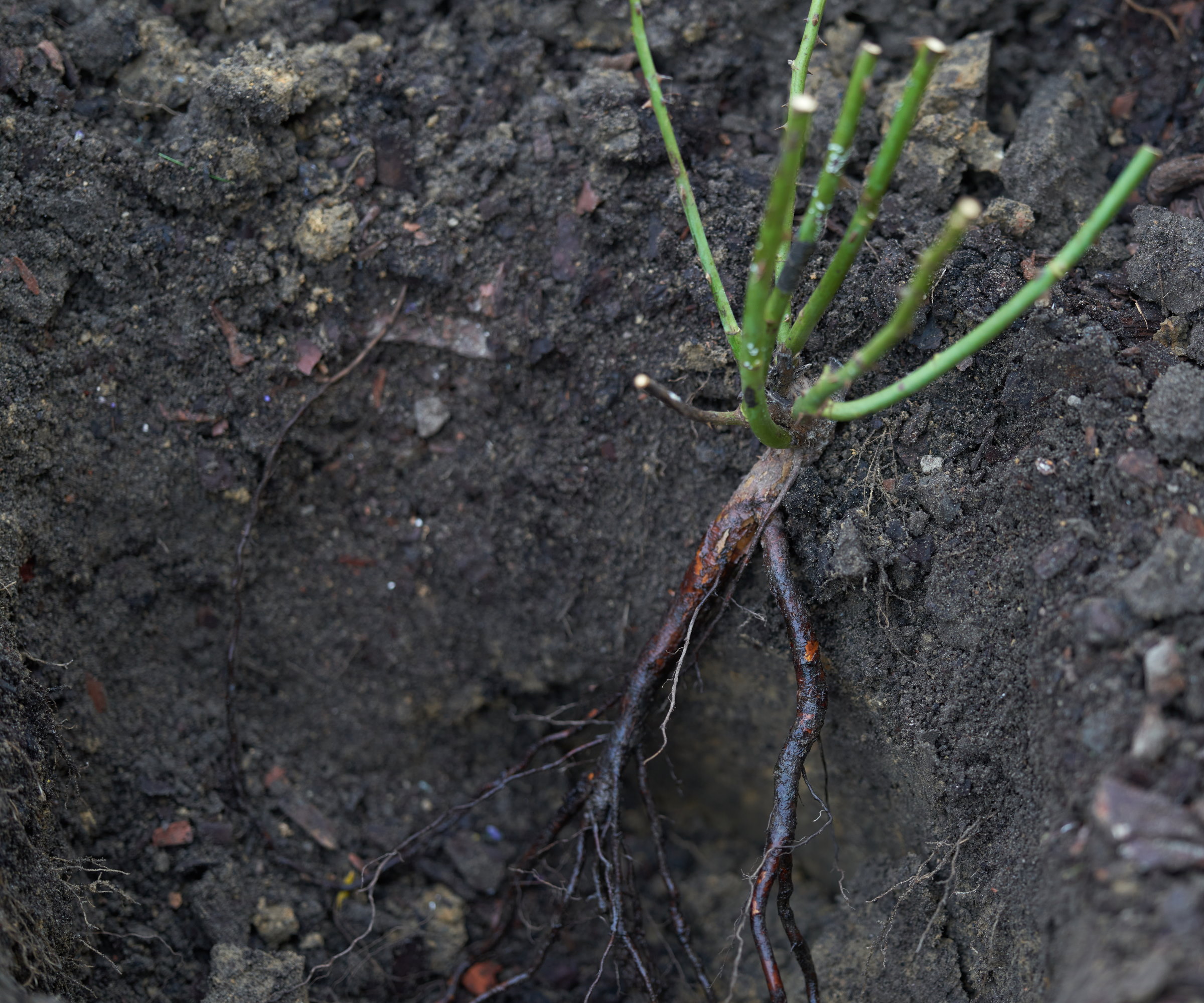
Bare-root roses are the exception here but absolutely worth your time planting now. Popping them in the ground in November will give you beautiful spring and summer displays, not winter flowers.
When they arrive, they look like a bundle of sticks with a promising future. That is normal. These dormant plants are often less expensive than container roses, and they establish well when planted while the ground is cool but still workable.
The window is broadest in Zones 6–9. In Zones 3–5, plant before the ground freezes and mulch lightly once it cools; in Zones 9–10, fall planting helps roots settle before summer heat. Follow the nursery’s directions, spreading roots in a wide hole.
Give roses sun and soil that drains; they are romantic, not aquatic. Browse bare-root roses from Amazon, then use our rose care guide for more planting details.
Start with plants already flowering or budding at the nursery, then match them to your zone and yard. Pansies by the door, a hellebore in a quiet corner, and winter jasmine on a sunny wall make November feel less like closing time. If the ground is frozen or sodden, wait; winter color should lift your spirits, not require a pickaxe.
And while you’re making the yard more lively, leave a little space for smart bird feeders as the birds will certainly appreciate the company.
If you love inspiring garden ideas, outdoor advice, and the latest news, why not sign up for our newsletter and get the latest features delivered straight to your inbox?