Spooky season is officially here, and many of us will be joining in on the fun by decorating our homes. But did you know that one popular decoration can actually cause more harm than good to local wildlife?
If you have young kids, or just like an excuse to get creative with your home, your mind is likely running wild with Halloween decor ideas. However, experts are urging us to rethink how we decorate this Halloween, warning that fake spider webs can cause harm to friendly creatures like birds, hedgehogs, bats and insects.
I asked the wildlife experts all you need to know, including the wildlife-friendly decor alternatives you can try instead.
Why are fake spider webs harmful?
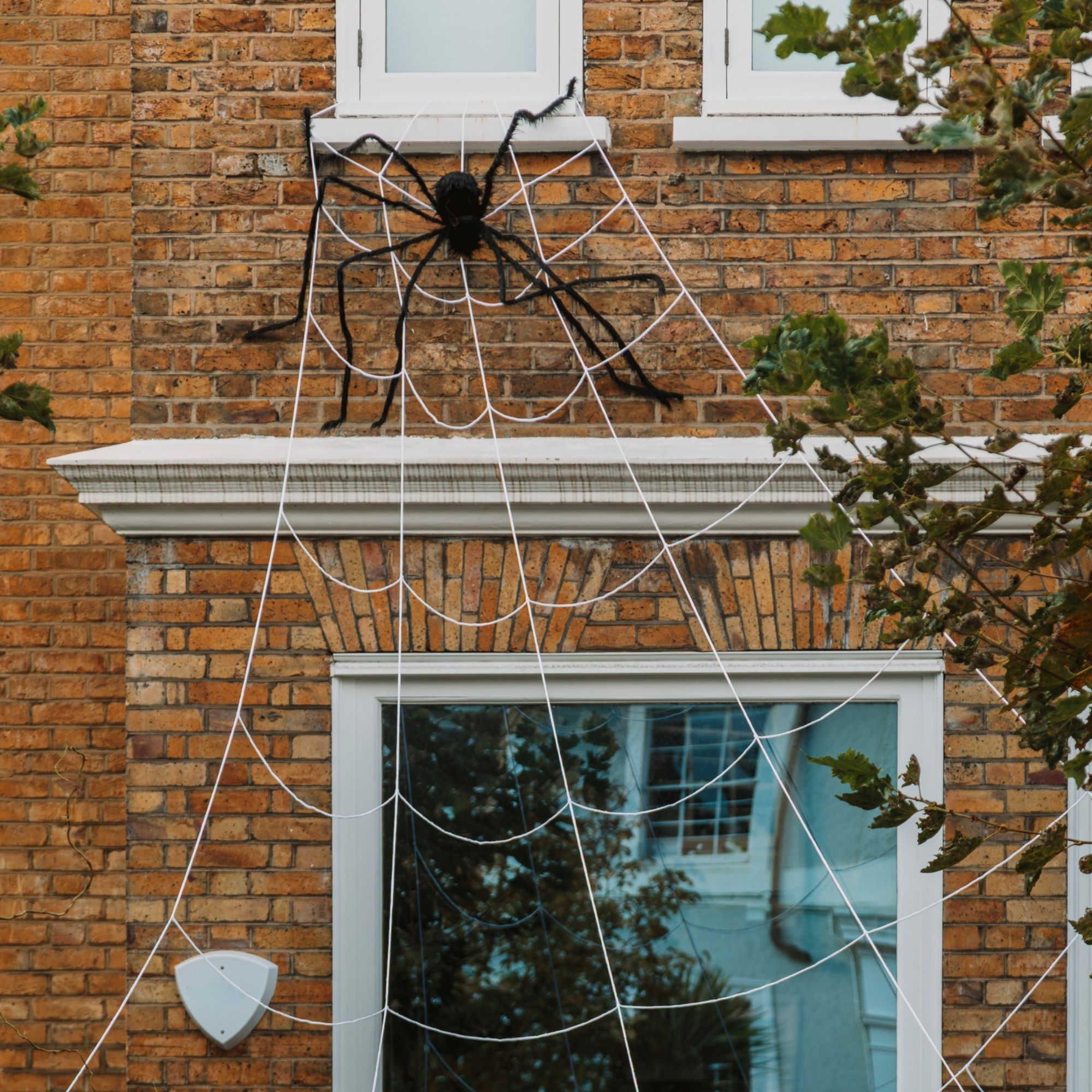
More and more houses this year are embracing Halloween this year by using fake spiders web decorations outdoors. But these playful props can take a nasty turn for many native wildlife species.
‘Wildlife can easily become caught in fake spider web decorations commonly used around Halloween, especially the artificial cobwebs,’ explains Lucy Taylor, wildlife expert from Vine House Farm. ‘Compared to real spider webs that break apart easily under the weight or larger animals, synthetic spider web decorations can be made from tough, stretchy plastic that can become tightly wrapped around wildlife.’
‘The stretchy, cotton-style webbing sold for Halloween is made of fine synthetic fibres that are very hard for an animal to break or bite through,’ agrees Mosh Latifi, co-owner of EcoCare Pest Management. ‘Once a bird, bat or small mammal gets a wing, foot or leg caught, the more it struggles and the tighter the strands wrap. It is a bigger problem than most people realise because the decoration is designed to cling to whatever touches it.’
Not only are birds, bats and hedgehogs at risk of getting trapped in fake spider webs, but the decorations also pose a risk if ingested by wildlife. ‘The non-biodegradable plastics or fine mesh can be picked up by small animals like hedgehogs or foxes, and poses a serious choking on internal blockage hazard,’ explains Lucy. ‘Many birds also use real spider silk when building their nests, and cannot distinguish between natural and artificial spider webs,’ leading to an increased risk.
Sign up to our newsletter for style inspiration, real homes, project and garden advice and shopping know-how
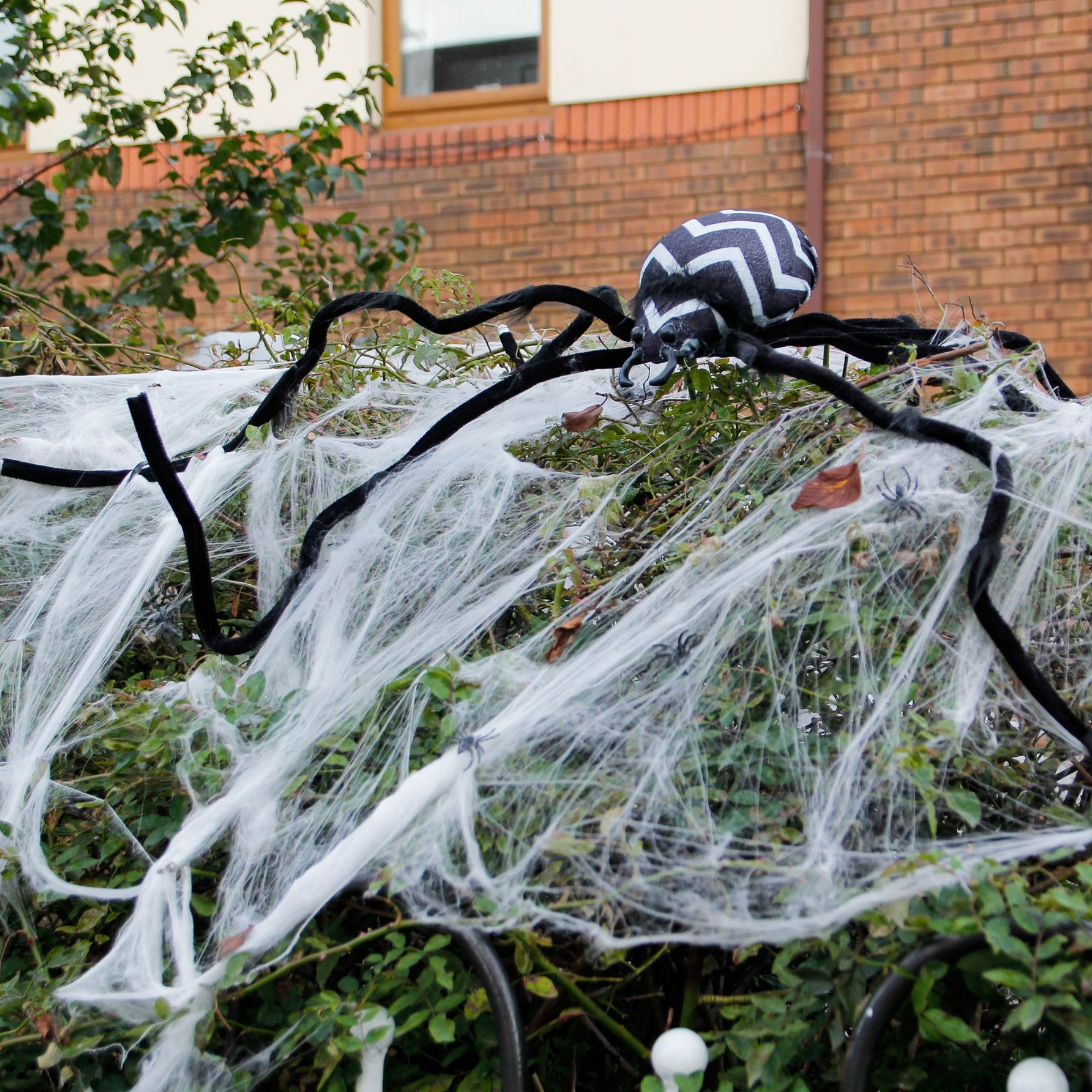
There are two kinds of fake webbing that seem to be popular around this time of year. Spray webs designed for use on hedgerows are known to put animals at risk, with wildlife experts issuing warnings about them most years. However, the larger, plastic webbing – which seems to be increasingly popular this year – can be just as dangerous.
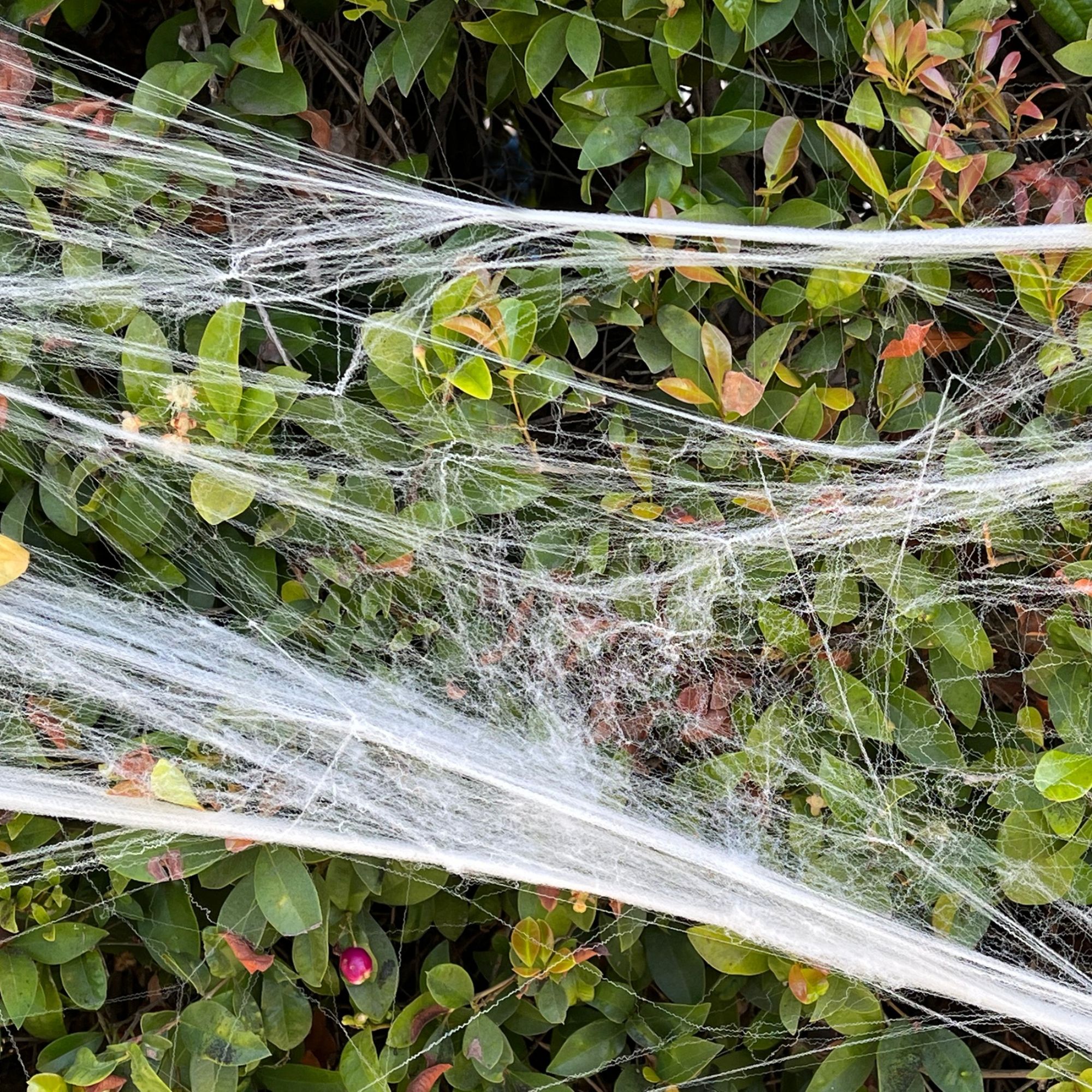
‘Spray-on webbing is less of a tangling risk once it has dried, though it can still coat small insects and hang about in hedges and shrubs. But the bigger concern is the stretchy cotton-style webbing and the larger netted webs,’ explains Mosh. ‘These work in the same way as garden netting. Anything with holes wide enough to get a head, wing or leg through is a risk, especially when it is hung outside, over hedges, or left up for weeks.’
What to do if you see wildlife stuck in a web decoration?
This Halloween there seems to have been a rise in spider web decor, so I asked the experts how you should help if you witness an animal in distress.
Generally, you should always contact a local organisation (like the RSPCA) first before attempting to help the animal yourself. ‘If you find wildlife tangled in a spider web decoration, you should resist the urge to untangle and release it, as it may have injuries that are not obvious at first and may require medical attention,’ advises Lucy. ‘Instead, contact a local wildlife rescue or organisation for guidance. Once the wildlife has been safely removed and handed over to rescuers, remove any remaining outdoor web decorations to prevent other wildlife being trapped.’
However, if you are advised to help the animal yourself, it’s important to remain calm and take precautions. ‘Stay calm and keep your distance at first,’ says Mosh. ‘Frightened animals can bite or scratch, so wear thick gloves and, for a larger animal, wrap it loosely in a towel.'
'Do not pull the strands of the web, as this can tighten them. Use small, blunt-ended scissors to cut the webbing away in pieces, taking great care not to cut the animal,' he adds. 'If you cannot free it safely, or it is injured, put it in a ventilated box somewhere quiet and call the RSPCA or a local wildlife rescue again.’
How to decorate instead
Just because outdoor webs might not be the best choice of Halloween decor, it doesn’t mean you can’t still have fun with the holiday. ‘If you already have fake spider web decorations these are better used inside only, where they will not pose a risk to wildlife,’ suggest Lucy.
‘If you are decorating the exterior of your home for Halloween, try to use decorations that do not contain plastics. Try to use solid objects over decorations that use ropes, ribbons, string or any other materials that could cause animals to become tangled,’ she adds.
Plus, you should be careful with your pumpkin decor too. ‘If decorating with pumpkins, these should be brought inside at night so that they are not eaten by animals as they can make certain wildlife unwell,’ says Lucy.
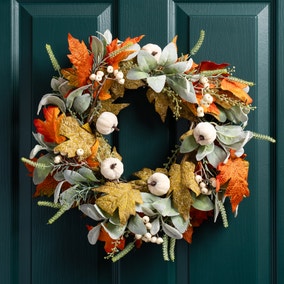
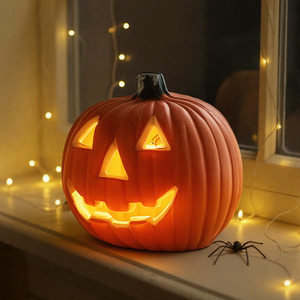
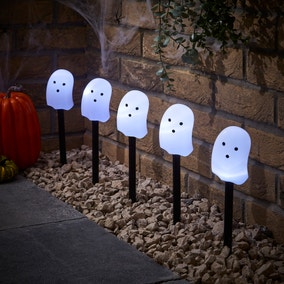
These spooky buys are a great choice if you want some Halloween fun, without putting wildlife at risk.