Every designer gets better with experience. Over the years, you build up a collection of hard-earned lessons and little tricks that make each new project stronger. One of the biggest lessons I’ve learned is how much the right antique can elevate a room. It brings centuries of craftsmanship and design knowledge into a scheme, and is one of the quickest ways to stop a space from feeling predictable.
Mix an antique with contemporary furnishings and a room can suddenly feel layered and collected. That contrast creates a little tension and an unexpected twist – the difference between a room that feels forgettable and one that feels timeless and full of character.
You don’t need a lot of antiques to make an impact. Even a beautiful antique Montparnasse frame around a modern abstract painting can add depth to an otherwise contemporary interior. I like to include at least two antiques in every room I design, where the client is happy to do so. In my own new home, where I have more freedom, I’m taking that balance further: I’m planning anything from four to 12 antiques per room.
Why Antiques Make a Room Feel More Timeless
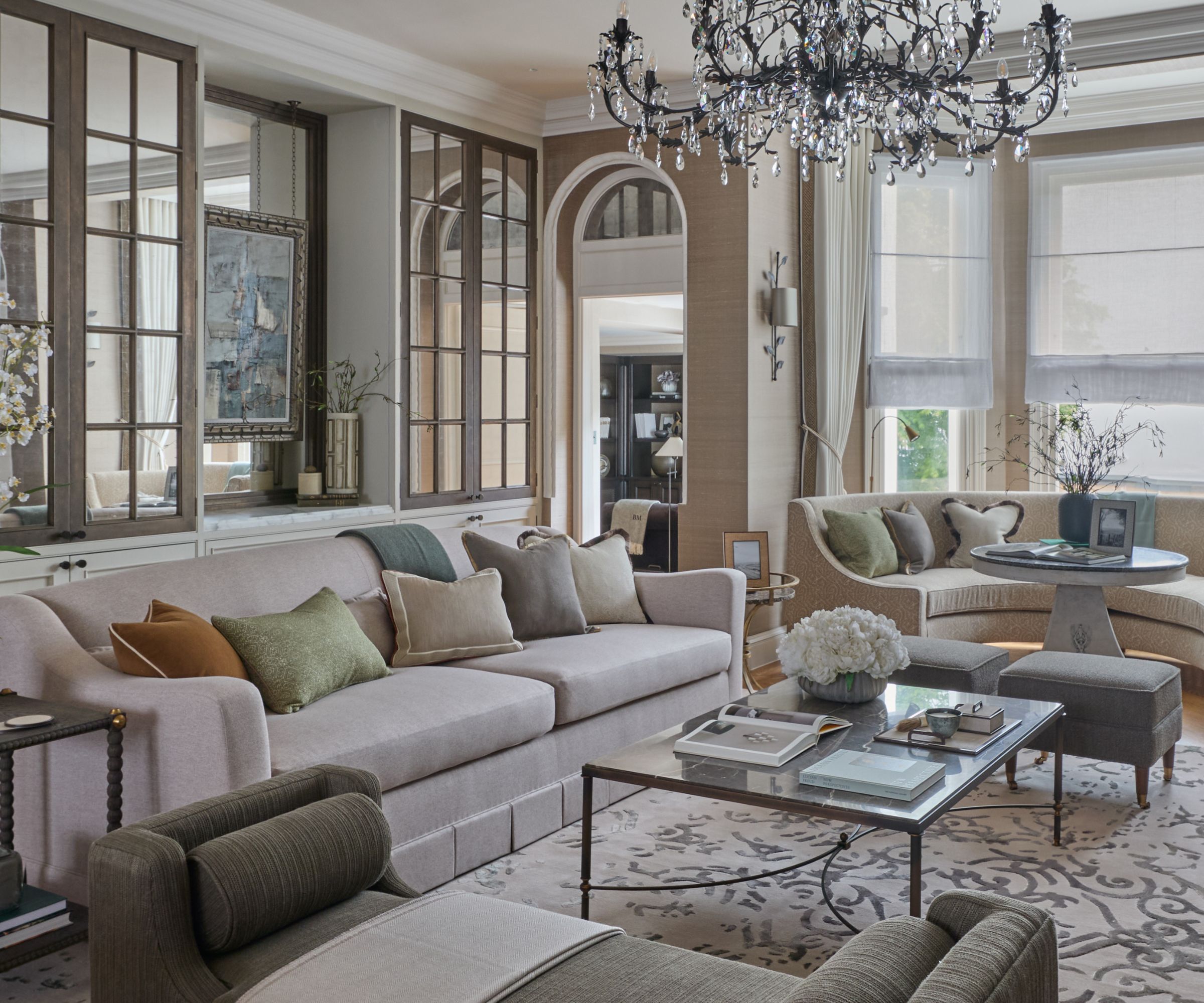
The most timeless interiors rarely belong to just one style or era. Layering pieces of different ages and styles makes a scheme feel more sophisticated and personal. It also means the room is harder to place in a particular year – it hasn’t simply followed the trends of the moment, so it is less likely to date with them.
Antiques add character and patina that new pieces can’t replicate. They can also be a surprisingly good use of budget when you know where to look. The quality you can find for the price can be exceptional: solid wood, intricate carving, beautifully cast ironmongery, or a marble top worn soft with age. Reproducing that level of craftsmanship today can be difficult without a very generous budget.
What I Look for When Sourcing Antiques
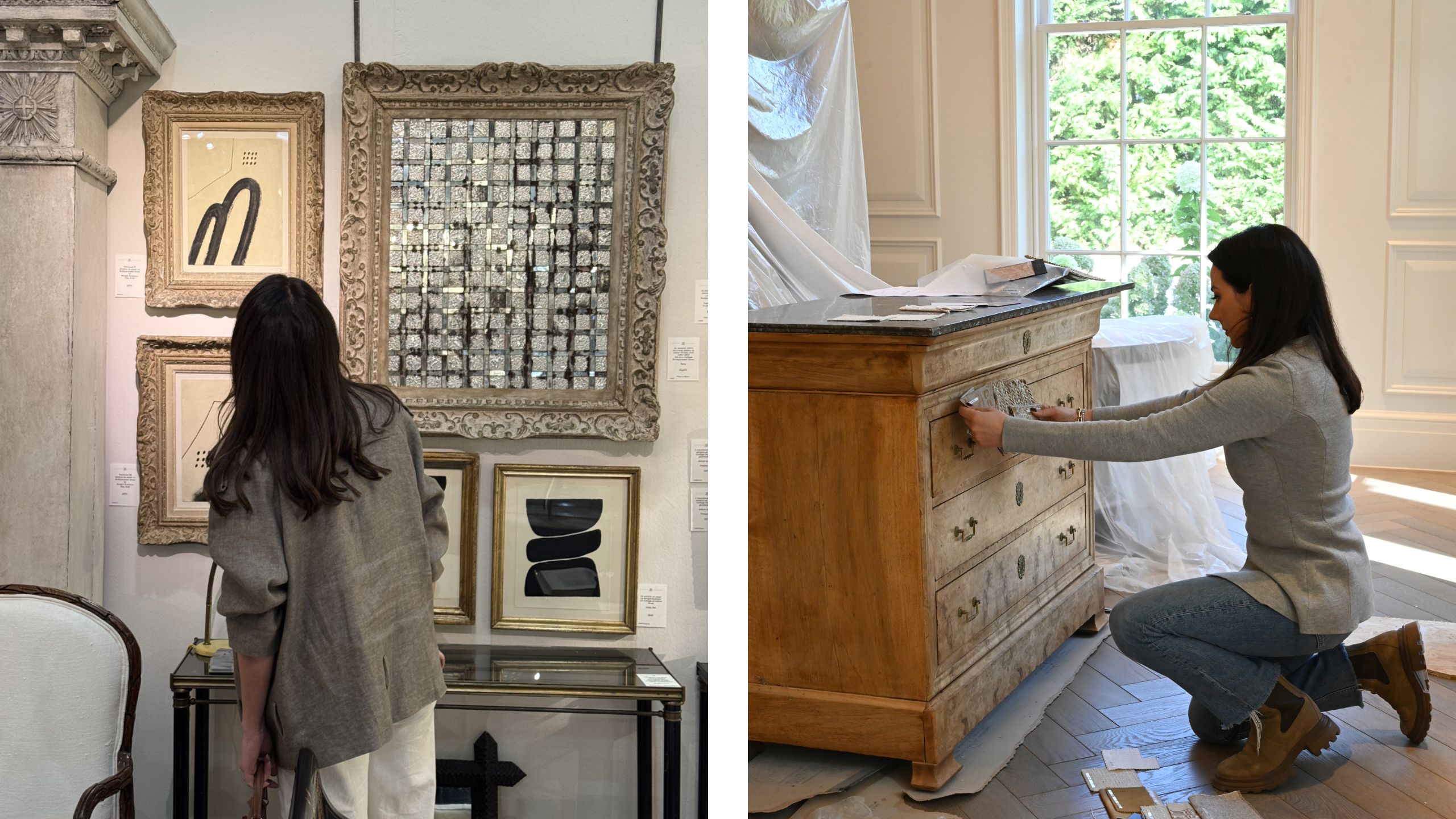
I source many of my antiques online, through sites such as Selling Antiques, Etsy, eBay, and 1stDibs. I’m also in regular contact with dealers I’ve built relationships with over the years, and I love visiting fairs and antique shops in person. The Decorative Antiques & Textiles Fair and Petworth are favorites. Wherever I travel, I’ll usually try to pop into an antique shop – even if I tell myself I’m only going in for five minutes.
I tend to look for case goods rather than upholstered furniture. They are often more practical, while antique sofas and chairs can be expensive to restore and may need new springs or supports before they’re comfortable. I usually prefer to reupholster a piece of seating in a fabric that works with the scheme. Scale can be another challenge: some older furniture is simply too small for the way we live now. With desks and dressing tables in particular, I always check there is enough room for a modern chair and comfortable legroom.
Design expertise in your inbox – from inspiring decorating ideas and beautiful celebrity homes to practical gardening advice and shopping round-ups.
My favorite pieces to buy are commodes and chests of drawers, especially those with marble tops. I’ve bought nine for our new house so far, which may be becoming a problem. When I’m choosing a piece, I look closely at the depth and beauty of the wood. It might be bleached antique oak, with its soft, brushed texture and medullary rays, or gently faded burr walnut. I’m drawn to surfaces with a natural patina that would be difficult to recreate with modern stains or veneers. I pay attention to the legs, too. For most pieces, I prefer a tapered leg or a simple plinth with bun feet to very elaborate carving. In general, I like a clean silhouette, and I have a particular fondness for George II furniture – a high point in British furniture making.
Should You Refinish an Antique?
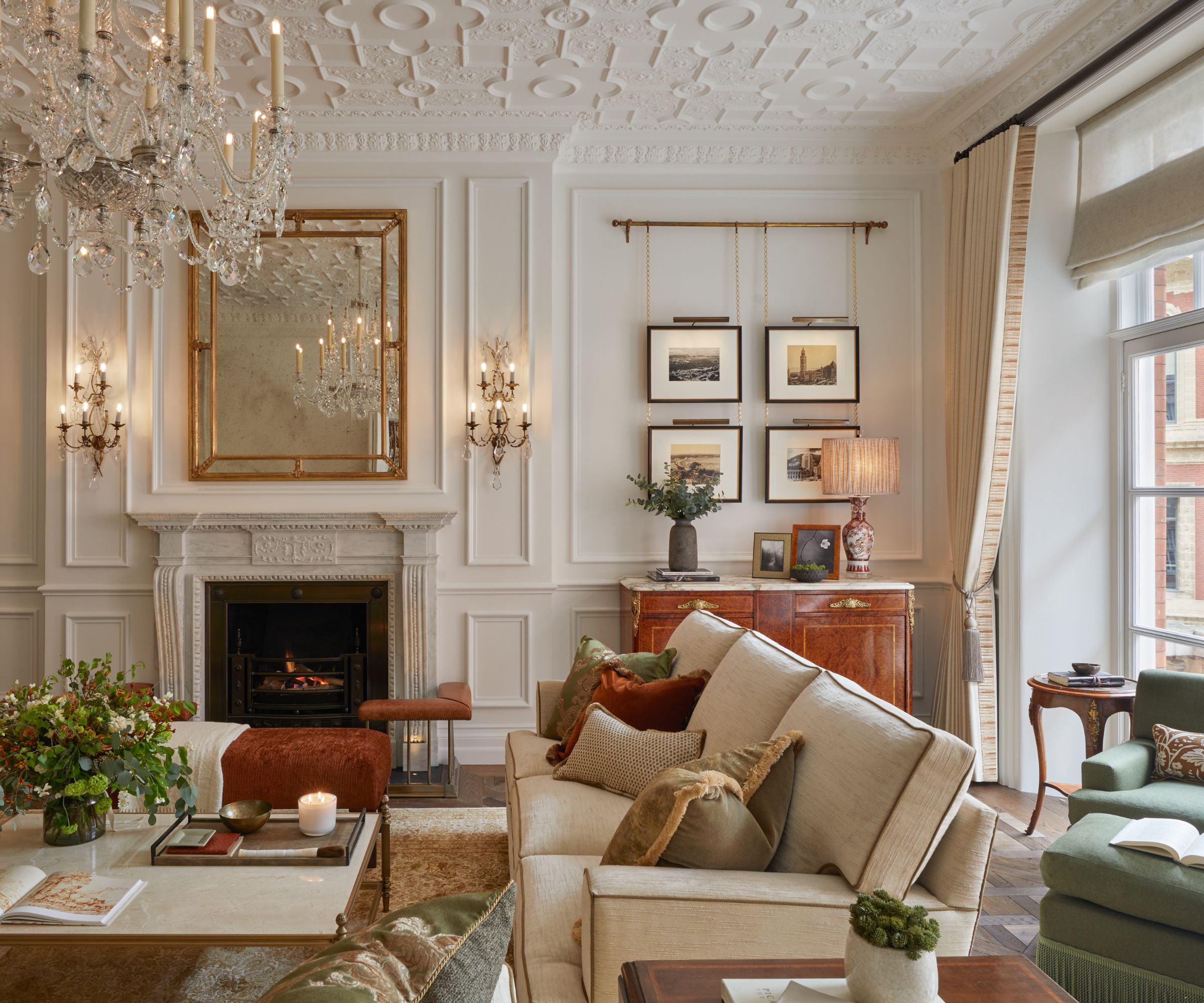
I usually prefer to see a piece in its original wood finish rather than painted. I love bleached finishes, too, which can make an antique feel more contemporary. I’ve bought pieces that had already been refinished, and I’ve had others refinished by my French polisher. Antiques are there to be used and enjoyed, and a new finish can givean overlooked piece a fresh lease of life.
Of course, I wouldn’t alter a rare or important antique. But there are plenty of unloved pieces in antique markets and online that can be transformed. If you’re considering refinishing one, take advice on its age and value first, and make sure the finish suits the piece.
How to Mix Antiques with the Rest of Your Furniture
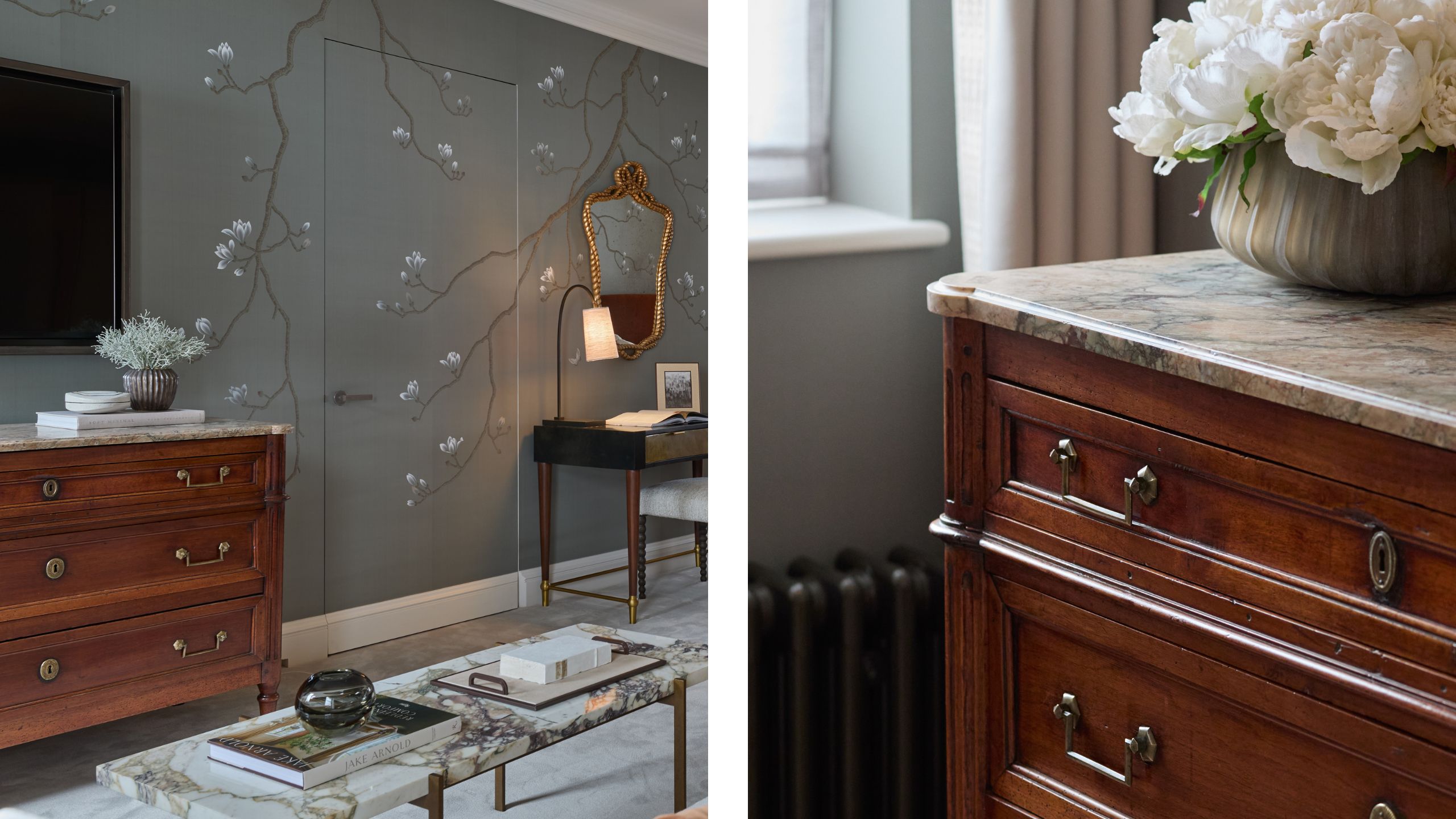
Start with the shape of the piece and how it will sit alongside what you already own. If the rest of your furniture is modern or mid-century, an ornate, gilt Louis XIV piece mightfeel out of place. Different eras can work beautifully together, but there should be some connecting thread – perhaps the shape, finish, material or tone.
I often use the wood tones to bring pieces together. In general, I prefer to keep warmer woods with other warm woods, and cooler woods with cooler ones. For example, I wouldn’t usually mix mahogany with bleached oak in the same room, although I might use both elsewhere in the house. It’s a useful starting point, rather than a strict rule: what matters is that the overall combination feels considered.
Buy What You Love, and Take Your Time
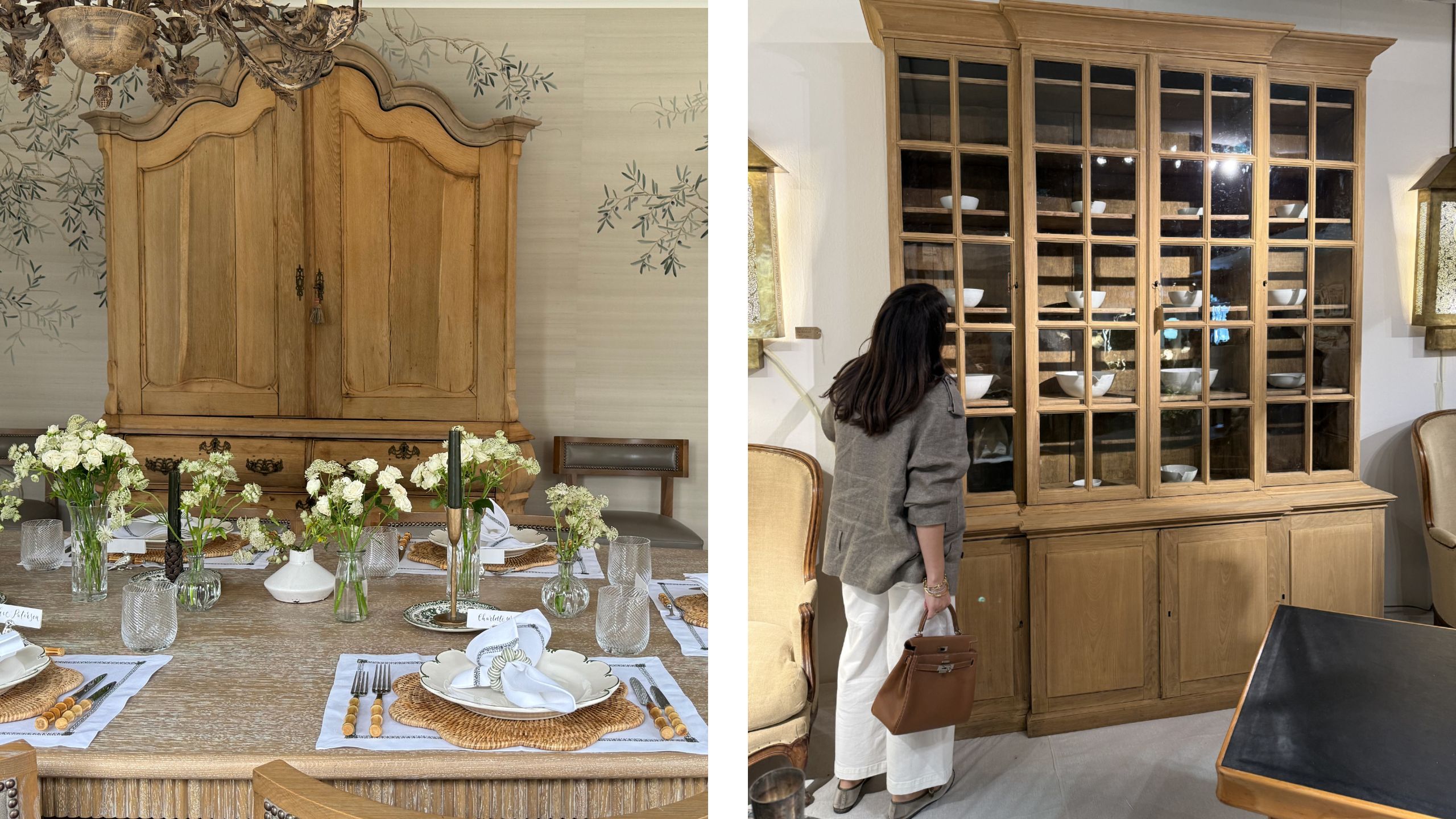
When you’re considering an antique, I think you should feel an immediate emotional response. Buy what you love, and you’re more likely to treasure it for years. Try not to treat antiquing as a shopping list of things you need to find under pressure. It should be a joyful process, and it’s best done over time. I’d rather leave a space empty until I find the right piece than rush into buying a placeholder I’ll want to replace.
And don’t feel intimidated. Buying antiques isn’t so different from buying new furniture: know the dimensions you need, take fabric and finish samples with you, and decide on your maximum budget before you start. Talk to dealers, visit museums, and give yourself time to train your eye. Before long, you’ll start to recognise the shapes, periods and finishes you’re drawn to.
Antiques bring craftsmanship, character and a sense of history to a home. Get out there and go antiquing: your rooms – and your design portfolio – will thank you for it.
Interior designer Sophie Paterson is one of Homes & Gardens' Editors-At-Large for , sharing her thoughts on decor. See the rest of her articles . Explore the to learn her complete design process, or join for ongoing inspiration, expert advice, and access to Sophie and the SPI team.
Love beautiful design ideas, expert advice, and inspiring decor trends? Sign up for our newsletter and get the latest features delivered straight to your inbox.