If hummingbirds have suddenly disappeared from your yard, it doesn't mean you did anything to scare them off. Rather, it's a sign that the seasons are shifting, with shorter daylight hours signaling to these tiny birds to move south in search of a more reliable food supply.
When it comes to the hummingbird migration, fall is a transitional period in which different hummingbird species can be found moving south from parts of the US and Canada. By November, many have reached Mexico and Central America, though some species remain in parts of the US through winter.
You can use a smart bird feeder (like the Birdfy smart hummingbird feeder on Walmart) to monitor any winter hummingbird activity in your yard and accordingly do a few things to offer them support. From keeping feeders filled to growing nectar-rich winter blooms, here's what you need to know.
Where Do Hummingbirds Go in Winter?
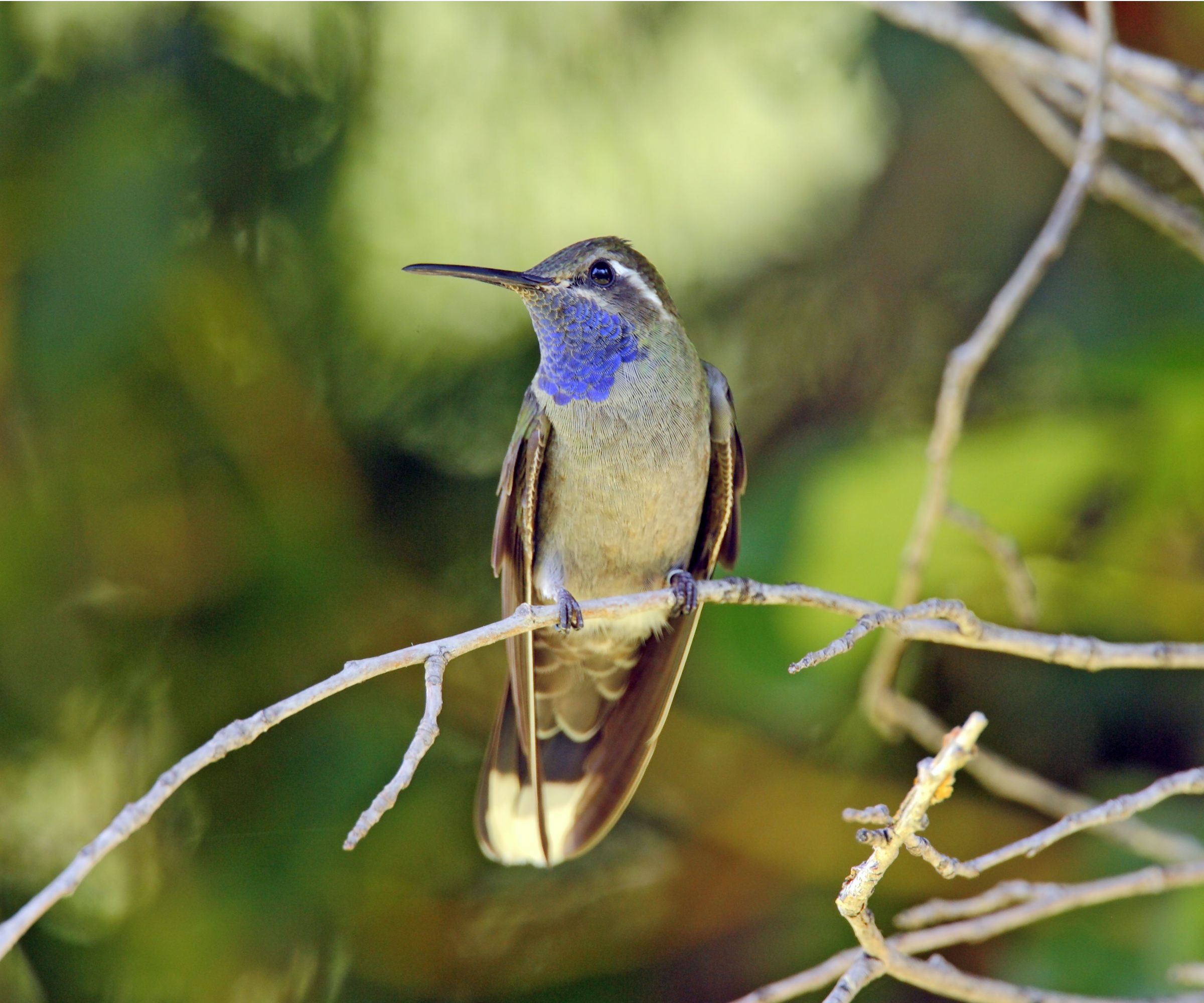
With a scarce food supply in northern regions during winter, many hummingbird species migrate south – though exact movements differ between species.
Ruby-throated, Rufous, and Calliope hummingbirds all tend to migrate towards Mexico for winter, with some travelling as far as Central America.
However, the likes of Anna's hummingbirds are often still present along the West Coast and Pacific Northwest. They use their unique ability to lower their body temperature and slow their metabolism to conserve energy (known as torpor, a semi-hibernation state), particularly during cold nights.
Allen's hummingbirds have two distinct populations: one that migrates to Mexico for winter and another that remains in southern California year-round.
Design expertise in your inbox – from inspiring decorating ideas and beautiful celebrity homes to practical gardening advice and shopping round-ups.
For this reason, it's important to still help hummingbirds in winter with rich resources in your backyard, whether you have migrating hummingbirds stopping over or those that stay local.
How to Help Hummingbirds in Winter

There are a few ways to support hummingbirds in winter, no matter which species is frequenting your yard.
You can use a heated hummingbird feeder (like this from Amazon) to stop nectar freezing. Likewise clean your hummingbird feeder regularly and refill feeder with hummingbird nectar (which you can pick up from Walmart).
Don't forget to also look out for hummingbird nests, which they build on branches. Avoid pruning any shrubs and trees during this time to ensure their shelter stays intact.
There are also lots of plants for winter nectar to attract hummingbirds that can provide natural food sources for these winter visitors. Winter blooming camellias are a good choice (like this Camellia 'Shi-Shi Gashira' Shrub from Trees.com).
What to Shop
If you don't have any hummingbirds in your yard this winter, you can still support other wildlife in your garden. This includes making DIY wildlife shelters and making your yard wildlife-friendly before frost by leaving faded perennials and fallen leaves. There are also plenty of winter plants for wildlife to consider adding to your garden.
If you love inspiring garden ideas, outdoor advice, and the latest news, why not sign up for our newsletter and get the latest features delivered straight to your inbox?