Lavender is a favorite in American gardens, loved for its fragrant flowers, silvery-green foliage, and ability to attract pollinators. But as fall arrives, a little extra attention can help keep plants healthy and encourage fresh growth when spring returns.
October is an important time to grow lavender successfully, particularly if you live somewhere with freezing winters. I have the Phenomenal Lavender from Plant Addicts growing in my own garden, and preparing plants for colder weather is all about getting the basics right, from good drainage to knowing when to cut back on watering. Different lavender varieties can also have different cold tolerances, so it’s worth understanding what your plant needs to make it through winter.
How to Care for Lavender in October
Whether you’re growing lavender in pots, borders, or landscaping with lavender to create a fragrant, pollinator-friendly garden, these five simple October tasks will help protect your plants through winter and encourage a beautiful flush of blooms next year.
1. Hold Off on Heavy Pruning

If you’ve already trimmed your lavender after flowering in late summer, there’s usually no need for another major cut in October. Instead, focus on light maintenance: deadhead lavender by removing any remaining spent flower stems, using clean, sharp pruning shears such as the Fiskars Bypass Pruning Shears from Amazon. This helps keep plants looking tidy without encouraging a flush of tender new growth just before winter.
Pruning too late can leave new growth vulnerable to frost, particularly in colder parts of the country. Avoid cutting into the woody stems, as lavender often struggles to regrow from old wood, and cutting back too far can permanently damage the plant. If yours looks leggy or overgrown, wait until spring to assess its shape and remove any winter-damaged growth. In colder regions, it’s best to avoid fall pruning altogether.
2. Check That the Soil Drains Properly
One of the most important things to do with lavender in October is make sure its roots aren't sitting in wet soil. Lavender thrives in sunny conditions with excellent drainage, and excessive moisture during winter can lead to root rot. Choosing the right soil for lavender is especially important if your garden tends to hold water after rain.
‘Lavender thrives when its roots can breathe, so good drainage is especially important as temperatures drop and fall rain arrives. I'd focus on keeping the soil relatively dry and avoiding anything that allows moisture to collect around the base of the plant,’ says Rachel Bull, Head of Gardens at Homes & Gardens.
Design expertise in your inbox – from inspiring decorating ideas and beautiful celebrity homes to practical gardening advice and shopping round-ups.
If your garden has heavy clay soil or becomes waterlogged after rain, consider growing lavender in a raised bed or container instead. You could improve suitable garden soil with a horticultural grit, such as Soil Sunrise Lavender Potting Soil Mix, to help improve drainage, or choose a specialist mix such as Miracle-Gro Cactus, Palm and Citrus Potting Mix for container-grown plants, checking the product label before use.
3. Reduce Watering as Temperatures Drop
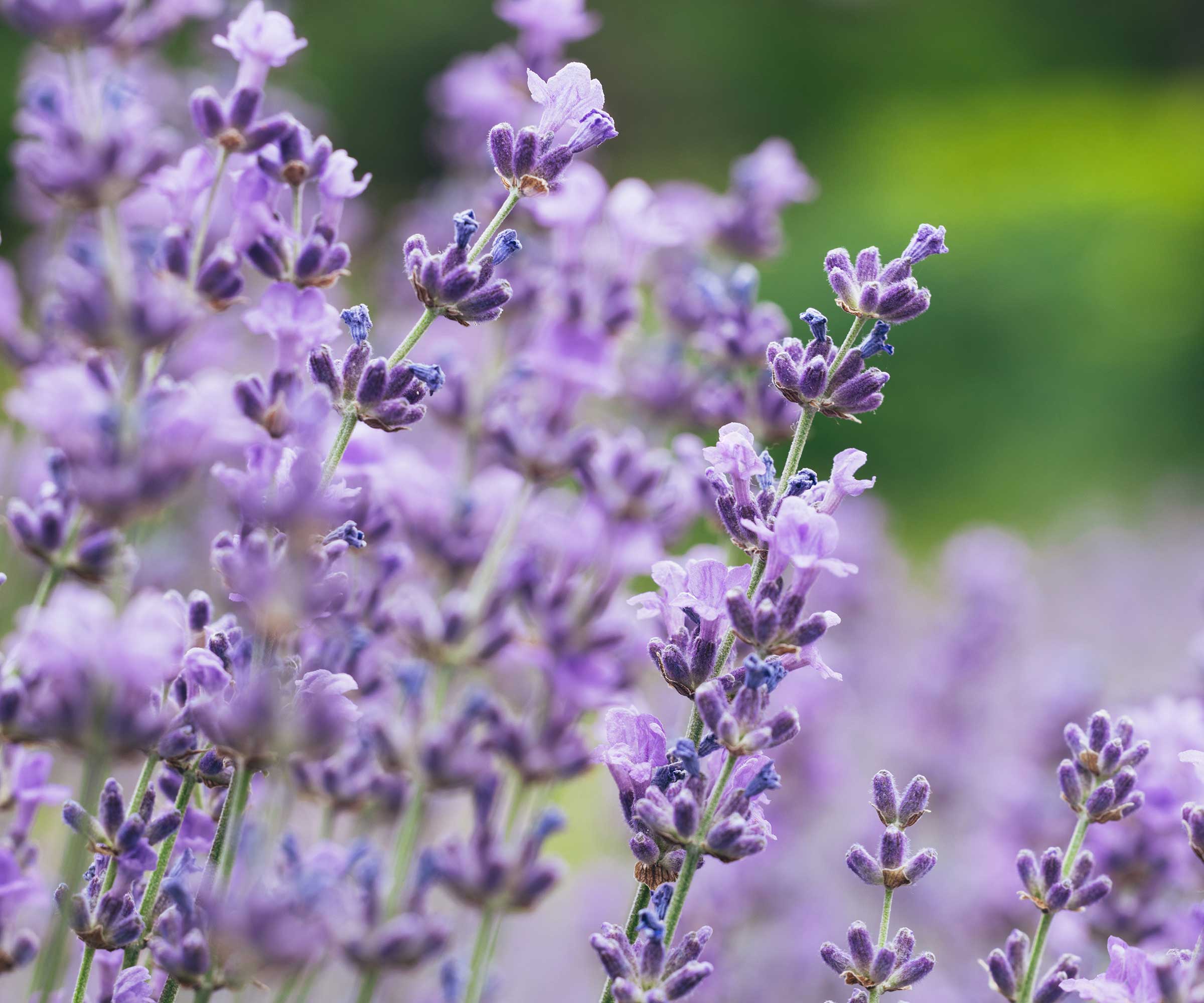
Established lavender growing in the ground is drought-tolerant and rarely needs additional watering in fall unless conditions are unusually dry. As temperatures cool and growth slows, the plant generally requires less moisture than it did during summer. Knowing when and how to water lavender is especially important in October, when cooler weather and seasonal rain can leave roots vulnerable to excess moisture.
Potted lavender needs a little more attention because its soil can dry out more quickly. Check the potting mix before watering, using a moisture meter such as the XLUX Soil Moisture Meter if you're unsure whether the compost is dry. When watering, a Bloem Easy Pour Watering Can from Amazon can help you direct water towards the soil rather than the foliage.
4. Protect Potted Lavender From Freezing Weather

Lavender grown in containers is more vulnerable to cold than plants in the ground because its roots have less insulation. If you're growing lavender in pots, October is a good time to plan where your containers will spend the colder months. Hardy English lavender (Lavandula angustifolia) can often remain outdoors through winter, provided the soil drains well and the variety is suited to your climate.
Move pots to a sheltered spot, such as beside a wall, where they can receive sunlight and some protection from heavy rain. If you need to move larger containers, a plant caddy with wheels, such as the Lowe’s Garden Rolling Plant Caddy, can make repositioning them easier.
French and Spanish lavender are generally less cold-hardy and may need to be moved into a frost-free greenhouse or another protected space. Check the plant label for your variety’s specific hardiness requirements.
In colder areas, protect the roots of hardy lavender with an insulating wrap around the pot, such as a breathable Frost Protection Fleece available from Amazon. Once the plant is dormant and the ground has begun to freeze, you can also protect the surrounding roots where appropriate. Avoid heavy, moisture-retaining materials around the crown, as these can encourage rot.
5. Skip Fertilizer and Keep the Plant Tidy
Lavender naturally grows well in relatively low-nutrient soil, so established plants generally don't need much fertilizer. If you're wondering whether to fertilize lavender in October, the answer is usually no. This isn't the time to encourage lots of new growth, particularly if freezing temperatures are approaching. Save any feeding for when active growth resumes in spring, if your plants need it.
Instead, focus on keeping your lavender healthy through winter. Clear away fallen leaves and debris around the base of the plant to improve airflow and help keep the crown dry. A pair of Fiskars Garden Hand Pruners can help remove damaged or dead stems, while Garden Safe Garden Fungicide from The Home Depot is an option to consider only if a specific fungal disease develops, following the label instructions.
Lavender is relatively low-maintenance, but a little preparation in October can make all the difference when winter arrives. Avoid heavy pruning, water only when necessary, and make sure your plants have well-draining soil to protect their roots from excess moisture.
By tailoring your approach to your lavender variety and local climate, you’ll give your plants the best chance of coming through winter healthy and rewarding you with another season of fragrant blooms next year.