Winter poses many challenges for trees, as they face strong winds, snow, and frost. For peace of mind, once the leaves start to fall, it is an excellent time to assess the tree canopy for potential issues and deal with anything that poses immediate danger.
Broken branches, deadwood, and structural issues can cause limbs to drop, especially during strong winter storms. To prevent branches from dropping onto homes, vehicles, and people, checking any trees is a vital part of preparing your yard for a storm. Catching small issues early reduces the risk and is less costly than dealing with major repairs later, whether it is cleaning up afterwards or fixing the building.
This part of fall tree care is often overlooked and can be done either by professionals or by yourself. Here we look at why you need to inspect trees before winter, the danger signs to look for, and how to deal with issues identified. Certain issues can be removed with loppers or a pole saw (such as this 14ft pole saw for trimming trees on Amazon), but larger problems will need a professional.
Why You Must Inspect Trees Before Winter
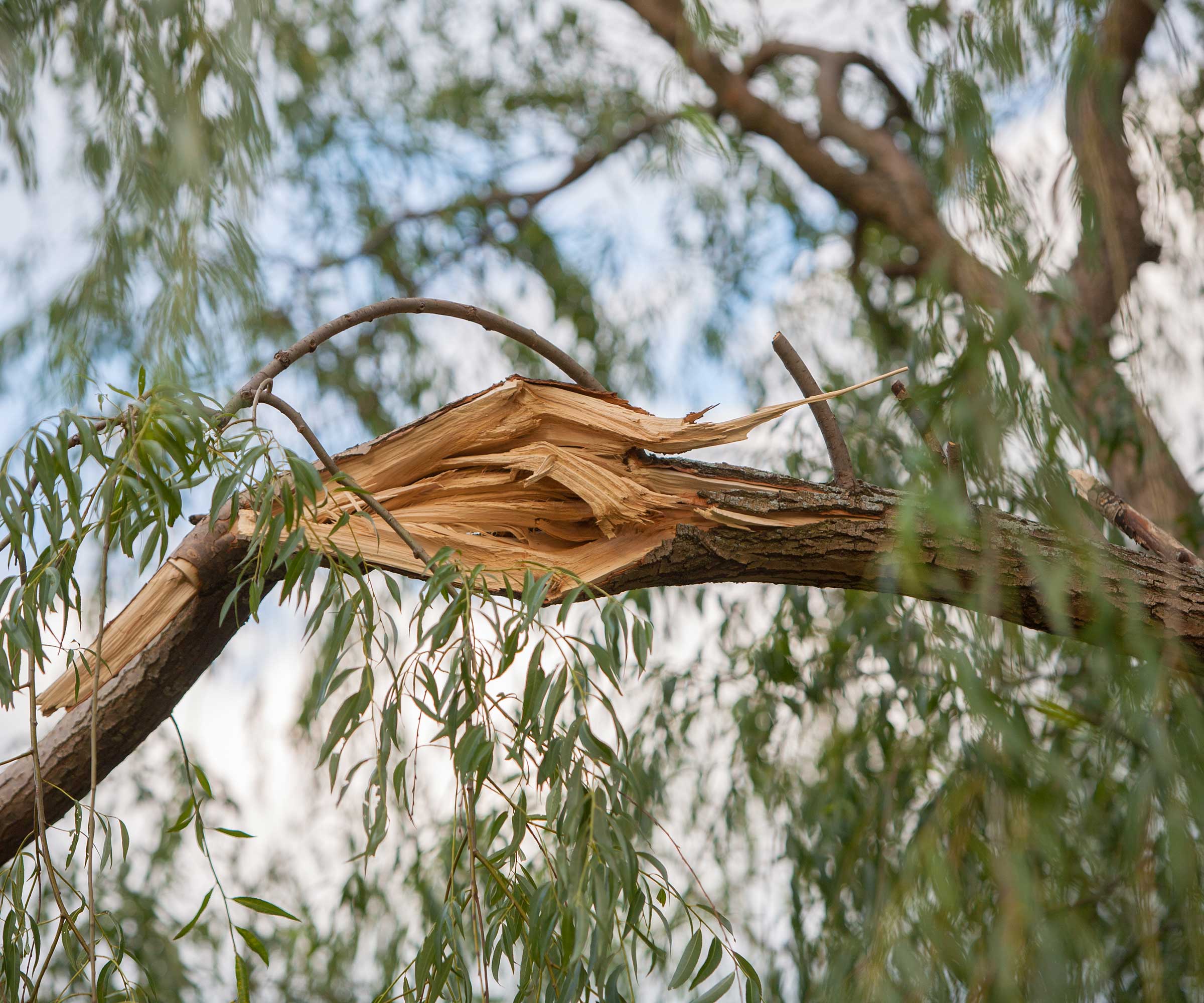
Winter poses a wealth of potential challenges for backyard trees. Young trees need protection for winter, as they are not fully hardy, and you can protect any trees from winter weather by mulching the roots or installing a shield against snow damage.
However, experts always recommend you inspect trees before winter to identify and treat hidden issues that could cause damage, such as falling on buildings, driveways, or pathways. As these concealed problems are easier to identify when deciduous trees drop their foliage, fall is an ideal time to do a visual check of any trees on your property.
‘I would always advise homeowners to do basic inspections of their trees before incoming winter weather storms,’ says Levi Williams, a Tree Risk Assessment Qualified (TRAQ) ISA Certified Arborist from Tree Scouts Tree Service. ‘Inspecting before winter weather is especially important due to high winds and excessive freezing temperatures, which can cause destructive failures.’
Strong winds shake limbs, making potentially weak ones vulnerable to snapping, and heavy snow or ice weighs down branches, increasing the risk of breakages. You can gently remove snow from trees, but it is not as easy to remove ice quickly.
Design expertise in your inbox – from inspiring decorating ideas and beautiful celebrity homes to practical gardening advice and shopping round-ups.
Inspecting trees before winter weather dangers arrive identifies potentially weak limbs that may pose a danger when the wind rattles them or when snow and ice add extra weight to them, and provides a window to prune tree branches to make them safe.

Levi Williams is an arborist with an impressive background, including ISA Arborist Certification, ISA Tree Risk Assessment Qualification, Pesticide Applicators License, and Urban Forestry certification.
What to Look for
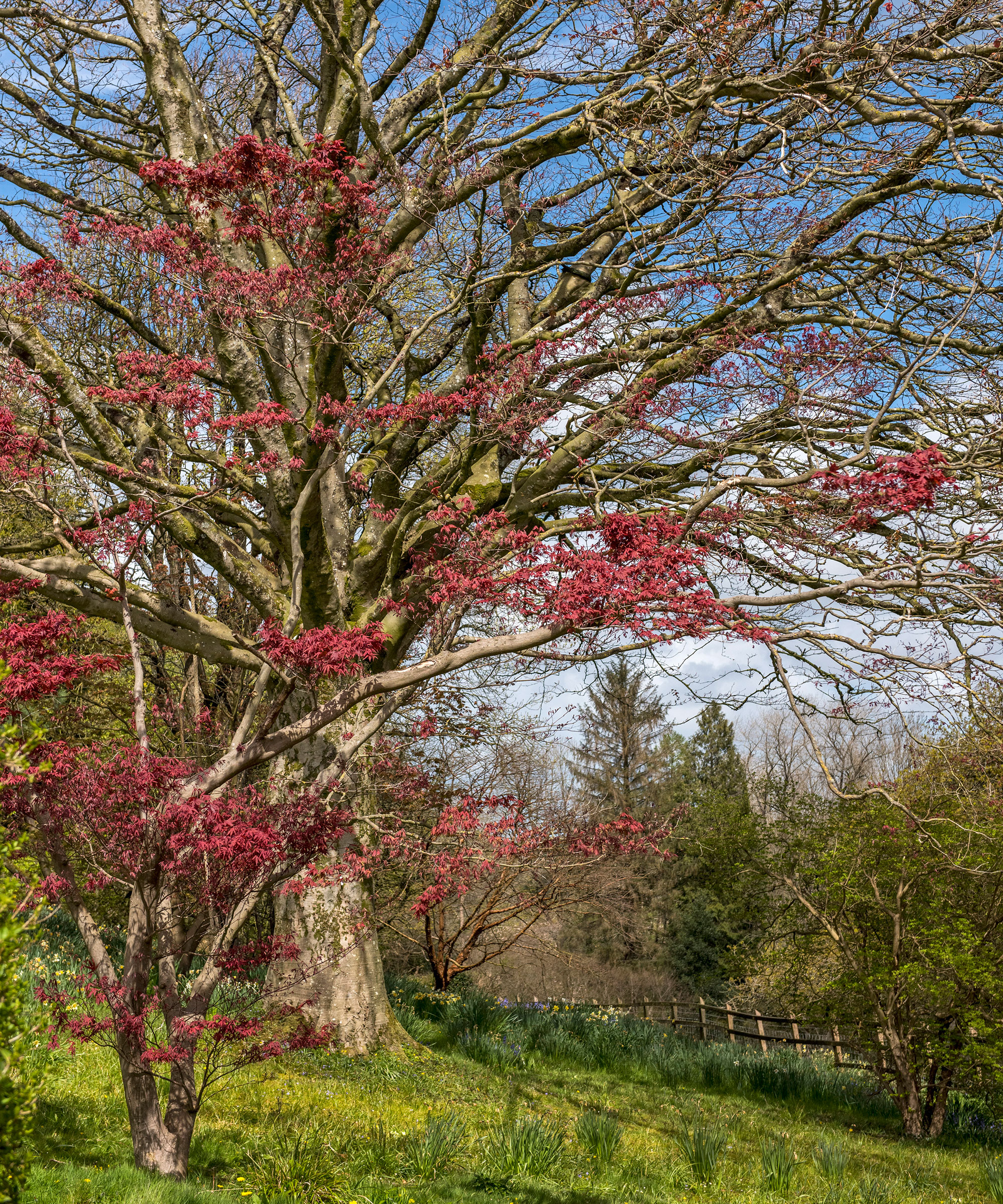
You can complete your own inspection or get a TRAQ-qualified arborist to visit your property and assess your trees.
It is advisable to inspect trees before winter by completing a 360-degree assessment from multiple angles, using different vantage points (including from a ladder or upper-storey windows in a home), and having a pair of binoculars to look into the canopy.
There are some key issues to look for, including deadwood, hanging branches, structural weakness, cracks, fungus, and weak joints between major stems or trunks.
‘Important checks before a storm are checking canopies that hang over important targets, such as streets, homes, vehicles, and walkways for pedestrians. Always look for large dead branches, diseased branches, and dying branches,’ recommends Levi Williams.
He also advises: ‘Look for fungal conks in the trunk, root collar, and branches of the tree. Fungal growth can lead to a weak branch, trunk, or root system where failure rates can be high.’
When it comes to a tree with multiple trunks, Basil Camu, co-founder of Leaf & Limb, warns of the risks of such unions: ‘Two trunks of similar size are not attached to each other the way a branch is attached to a trunk, so they are prone to splitting.’ It is worth noting how the trunks connect, as a V-shaped junction is more at risk than a U-shaped.
Basil adds: ‘At the trunk and the ground, look for cracks, a cavity wrapping more than a third of the way around, mushrooms at the base, or a new lean with roots lifting on the opposite side, which means the tree may be slowly falling.’

How to Deal With Problems
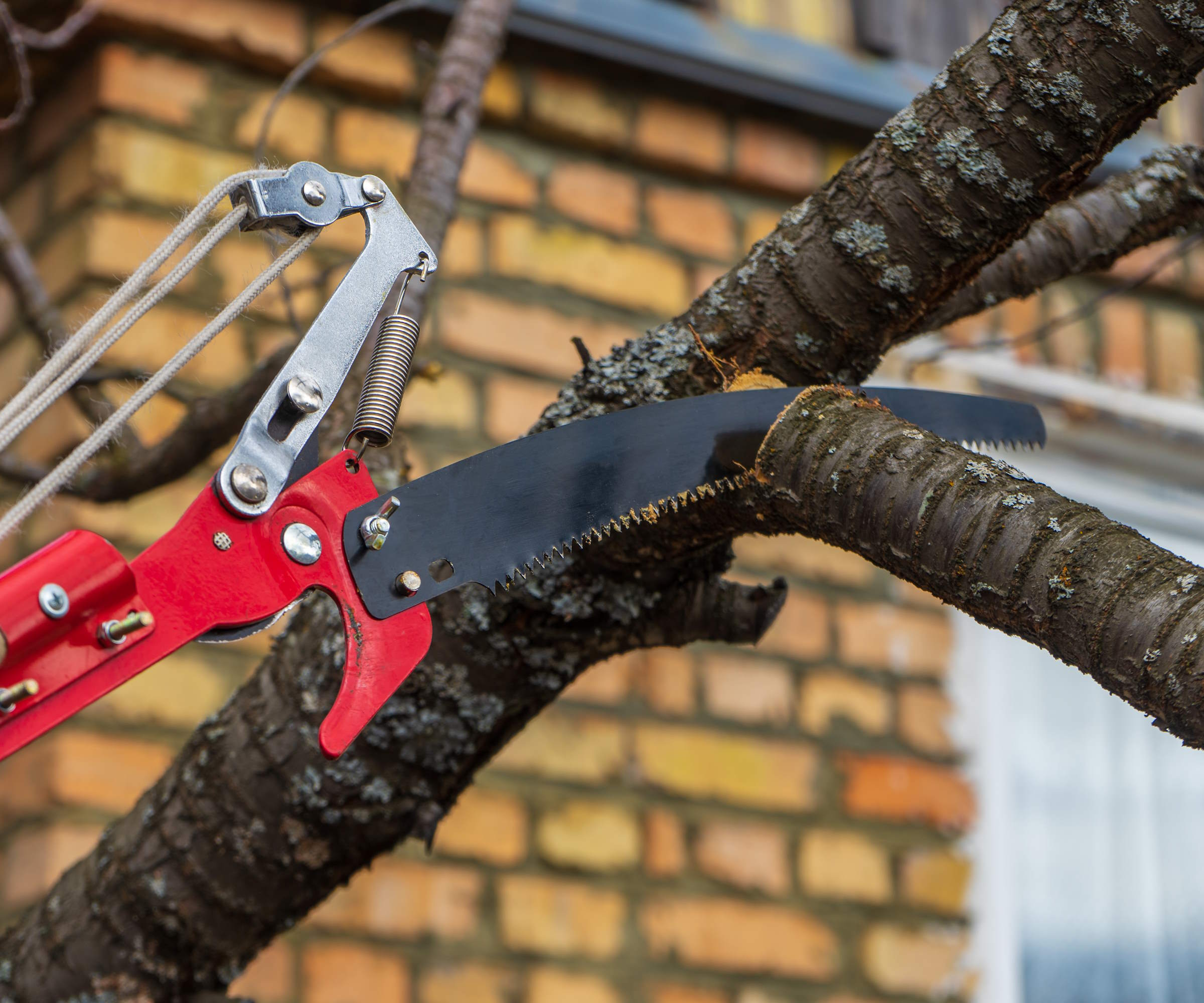
The biggest issue to consider after inspecting trees is the immediacy of any danger. You can prune trees in October and November for safety reasons to prevent winter damage. Some issues, however, may be left until late winter or early spring to mitigate future potential problems.
‘First ask what the tree or branch would hit if it fell, and if the answer is nothing, leave it alone,’ says Basil Camu.
‘If there is a target where people or property could be harmed, the answer is usually to build strength rather than remove the tree. Structural pruning does exactly that: it establishes one dominant trunk, shortens overextended limbs, and on very large trees, it can be paired with cabling for further stability.’
In a worst-case scenario, such as when there is a risk of toppling, a full removal of the tree may be necessary. If there are major issues, such as leaning or very high or large limbs that need to be addressed, it is best to contact a professional arborist to assess and rectify the problem.
Smaller-scale tree pruning of dead, damaged, or diseased branches can be done using loppers or a pruning saw. An extendable pole pruner (like this extendable pole at The Home Depot) may be required for higher branches, so you can safely work from the ground rather than needing a ladder.
The message is clear: be proactive with your trees rather than waiting for issues to arise. Catching issues early reduces the potential for storm damage and brings peace of mind.
‘No one can promise a tree won't fail in a major storm, but a tree with one dominant trunk and well-spaced branches is built to bend rather than break, and that structure can be built over years of thoughtful pruning,’ says Basil. ‘Structural pruning every year or two while a tree is young and every few years once it's mature, roots left alone, and living soil underneath can add decades to a tree's life.’
Plants around a garden can be damaged by winter storms, too. However, there are simple ways to protect plants from a storm. These include moving containers indoors, removing any debris that may be blown around in strong winds, staking taller plants to prevent snapping, and proactively adding hedging plants to create a protective barrier.
If you love inspiring garden ideas, outdoor advice, and the latest news, why not sign up for our newsletter and get the latest features delivered straight to your inbox?