The general rule is that spring bulbs do not like wet soil; they rot if they spend long periods with wet feet in waterlogged ground. Some spring bulbs go against the grain and can cope with wet soil to produce a stunning display. So who are these special spring bulbs for wet soil?
These bulbs naturally grow in wet meadows, damp woodlands, and along the side of streams. This natural predisposition for wetter areas makes them perfect candidates for any garden that sits really damp, or even floods, over winter. While many spring bulbs, including tulips, daffodils, and alliums, will rot, these won’t.
Here are three spring bulbs for wet soil. If you are planting spring bulbs this month, a long-handled tool like this steel bulb planter at The Home Depot helps to make the job easier.
1. Camassia
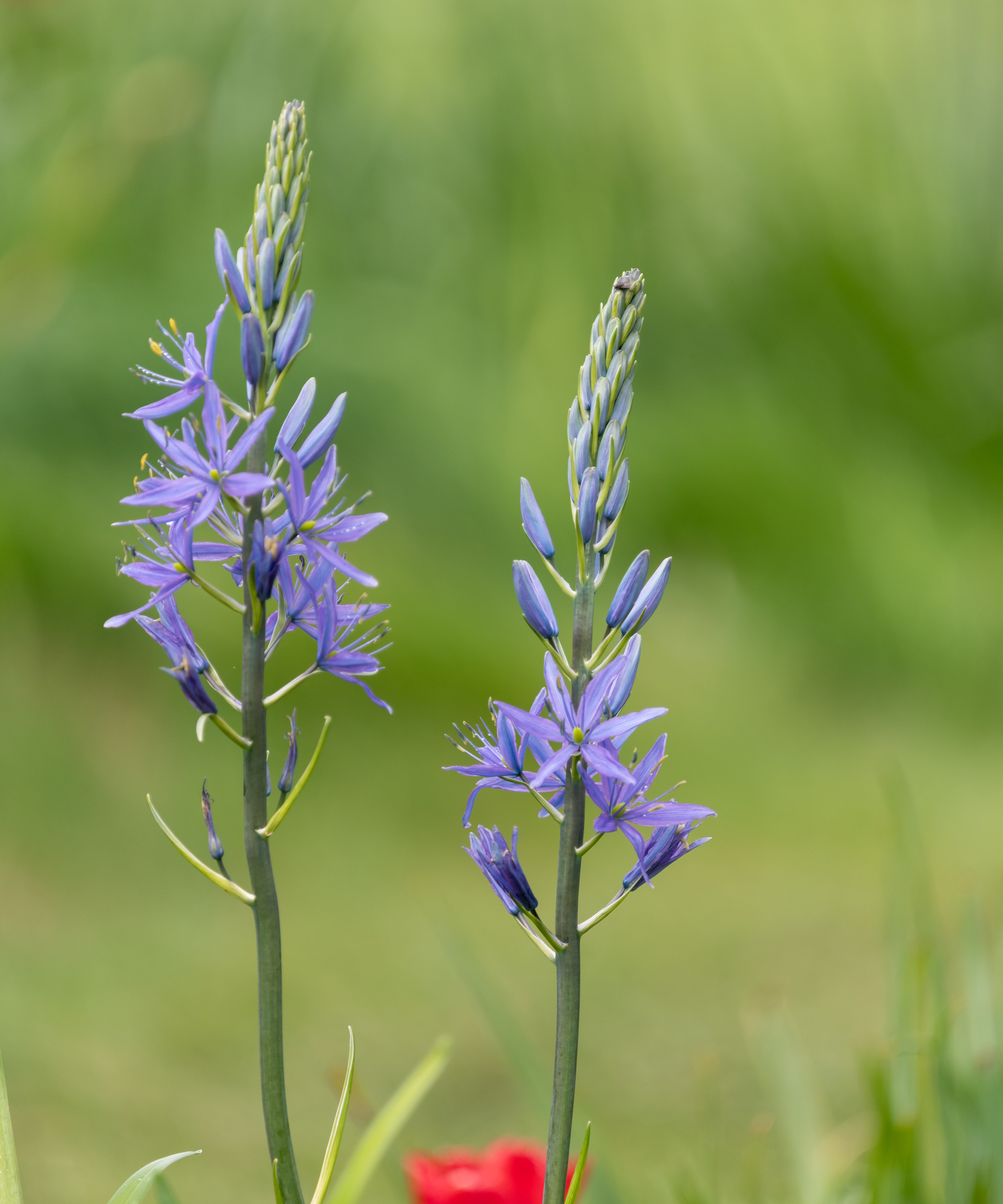
Camassias hail from the damp prairies of the US Northwest and are happy in poor, wet soils. They thrive where most other spring bulbs would struggle. Of all the spring bulbs for wet soil, camassias are the heavyweights of moist ground.
When you grow camassia, you get fireworks. They produce vibrant spikes of star-shaped flowers in late spring that reach up to three feet and come in shades of blue, white, or cream. They work wonderfully in groups in flower beds, pond banks, rain gardens, or wildflower meadows where they can naturalize and multiply.
Plant camassia in fall in full sun or part shade. While they don’t mind winter wet, they prefer the soil to dry out in summer rather than sit waterlogged year-round – but thankfully they are drought-tolerant bulbs, too.
Get a pack of five Camassia 'Cusickii' bulbs at Amazon for spikes of lavender-blue flowers in late spring and early summer.
Sign up to the Homes & Gardens newsletter
Design expertise in your inbox – from inspiring decorating ideas and beautiful celebrity homes to practical gardening advice and shopping round-ups.
2. Checkered Lily
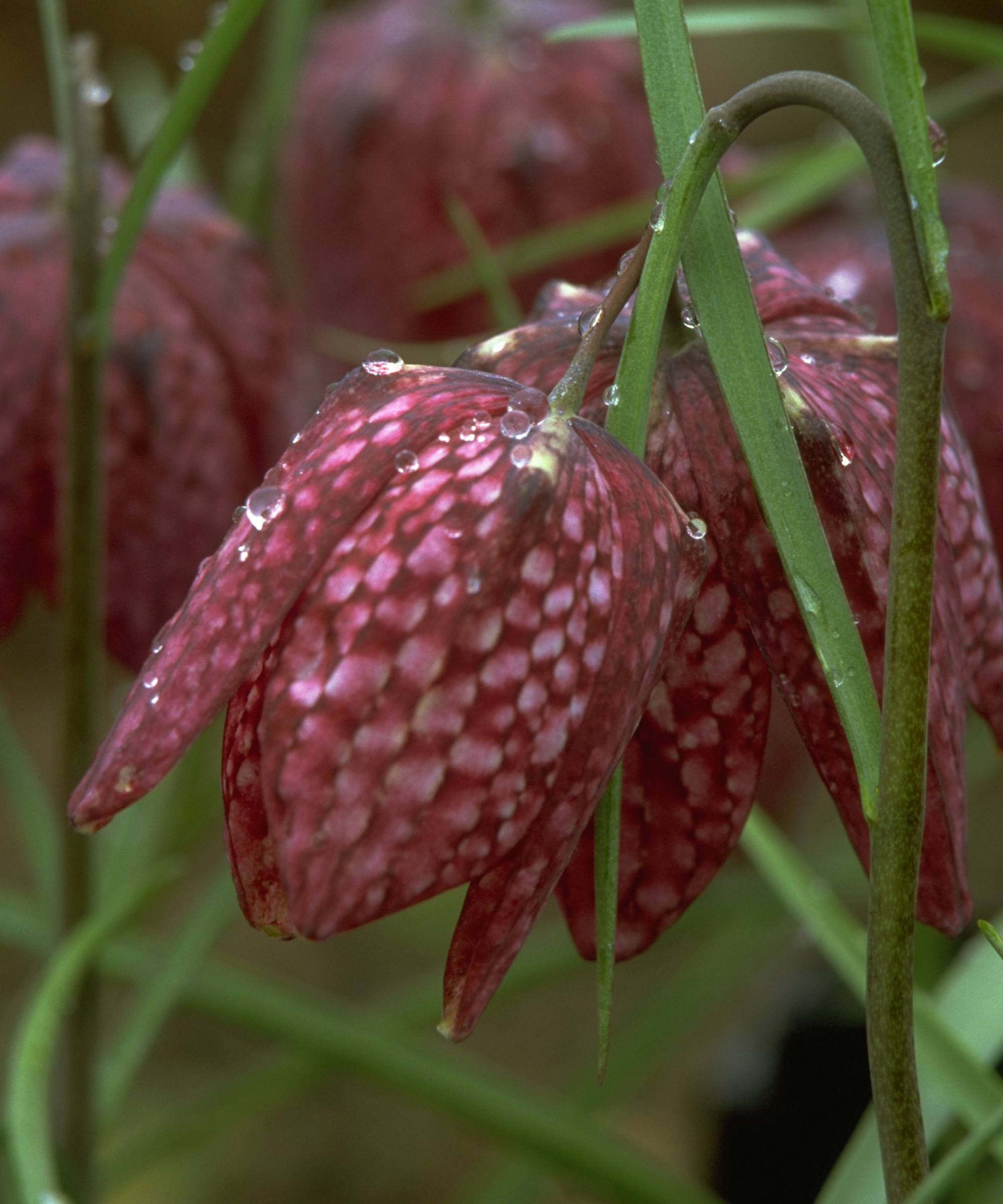
The checkered lily (Fritillaria meleagris) is also commonly known as the snake's head fritillary. With delicate, pendulous, bell-shaped pink, purple, or white chequered flowers on slender stems in mid to late spring, they make high-impact bulbs for borders, rock gardens, woodland edges, or naturalizing through a lawn.
The plant hails from Europe and has grown around water gardens and wet meadows for centuries. Checkered lily bulbs can tolerate wet soil and grow in wetter spots, like a damp flower border or the edge of a garden pond, in zones 4-9.
While it likes moisture, it doesn’t want to be permanently waterlogged. Damp soil is good; long periods of standing water are bad. Plant checkered lily in sun or light shade, but give it afternoon shade in hotter climates to prevent wilting.
You can get beautiful white checkered lily bulbs at Walmart to plant this month.
3. Snowflakes

Leucojum, also known as snowflakes, is related to snowdrops and easily mistaken for them, too.
They make perfect spring bulbs for wet soil for anyone who wants to grow snowdrops but whose ground stays too damp over winter. With snowflakes, you get bell-shaped white flowers that resemble snowdrops without the risk of the bulb rotting.
You get spring snowflake (Leucojum vernum) and summer snowflake (Leucojum aestivum), but the latter thrives in moist soil and is the better of the two. Spring snowflake tolerates damp soil, but summer snowflake actively prefers wet ground and can even cope with winter waterlogging.
If you have a bog garden or want plants for a rain garden, summer snowflake ticks all the right boxes. It is a bulb squirrels won’t eat, as it contains an unpalatable chemical - another winter worry taken care of.
You can grow snowflakes in zones 4-8. Plant the bulbs 6-8 inches apart and 4-6 inches deep with the pointed end upwards. If you let them do their thing each year, the clump will spread over time.
Get a six-pack of summer snowflake bulbs at Amazon
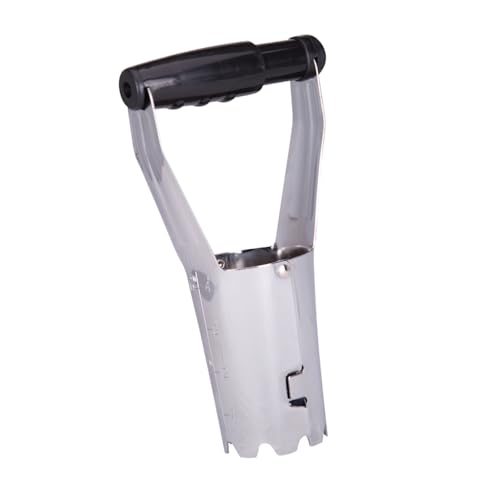
A bulb planter made from reinforced steel to prevent bending. It has an automatic soil-release mechanism and depth markers to help you plant at the correct level.
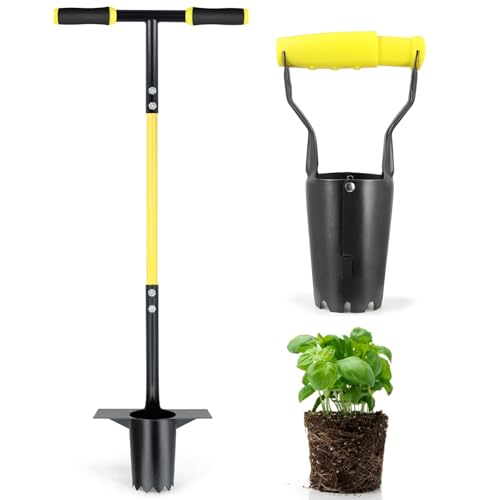
2pcs Bulb Planter Set
This set has a short- and long-handled bulb planter, both with sharp, tapered stainless steel blades to easily slide into the ground. For planting bulbs or transplanting flowers.
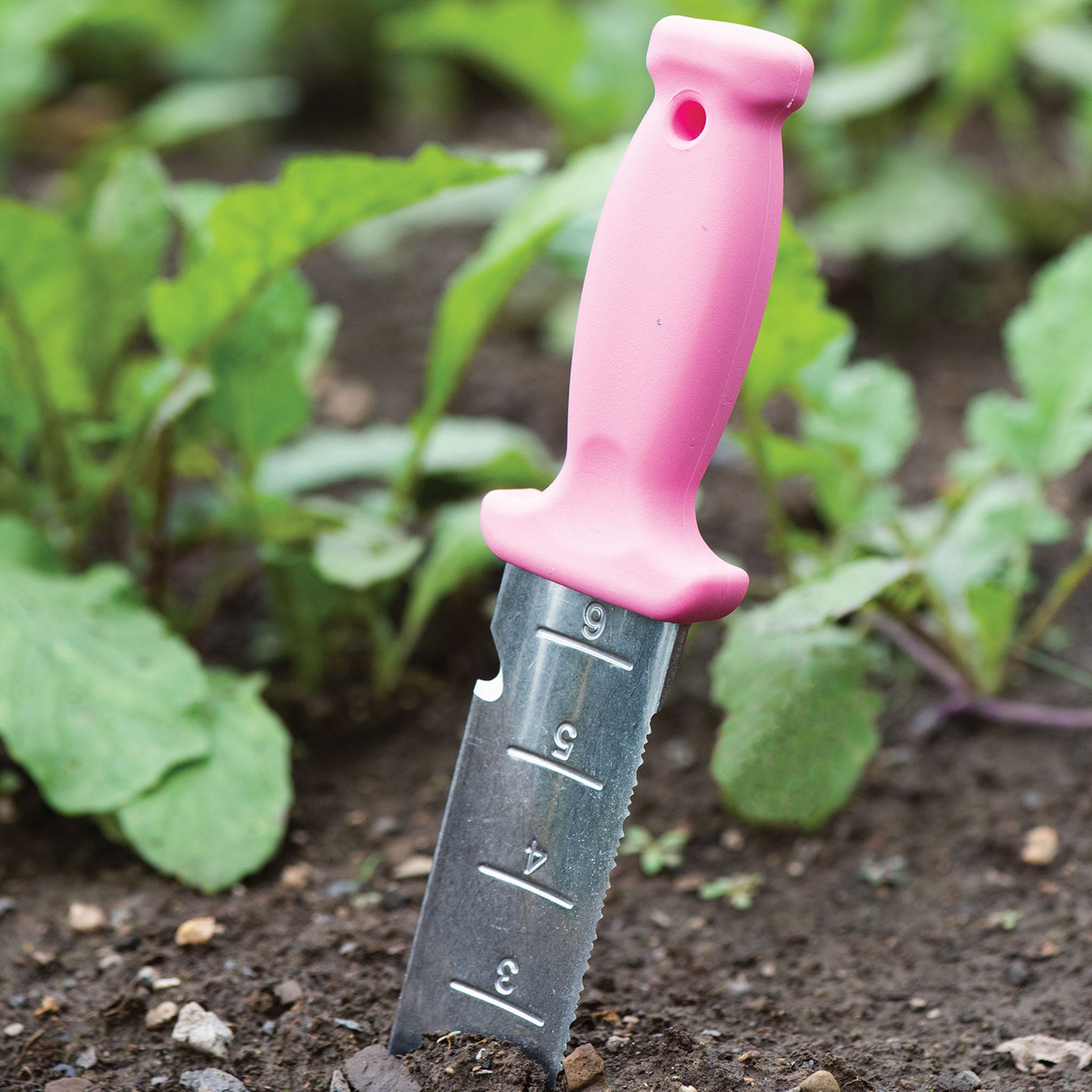
A hori-hori gardening knife can be used for many tasks around the garden, including planting bulbs. This one is made from rust-resistant Swedish stainless steel.
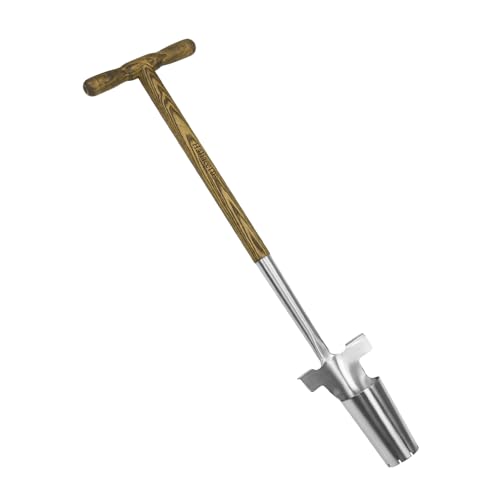
This bulb planter has a long 37-inch wooden handle with a T-shaped design for a good grip. The heavy-duty stainless steel head is bend-proof and features four depth marks.
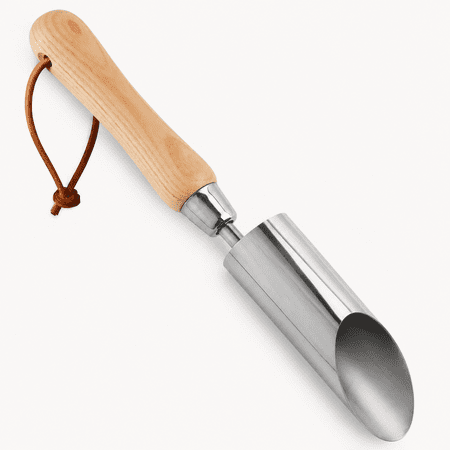
This 11-inch bulb planting tool has a stainless steel head with a sharp edge for cutting through soil and a comfortable wooden handle.
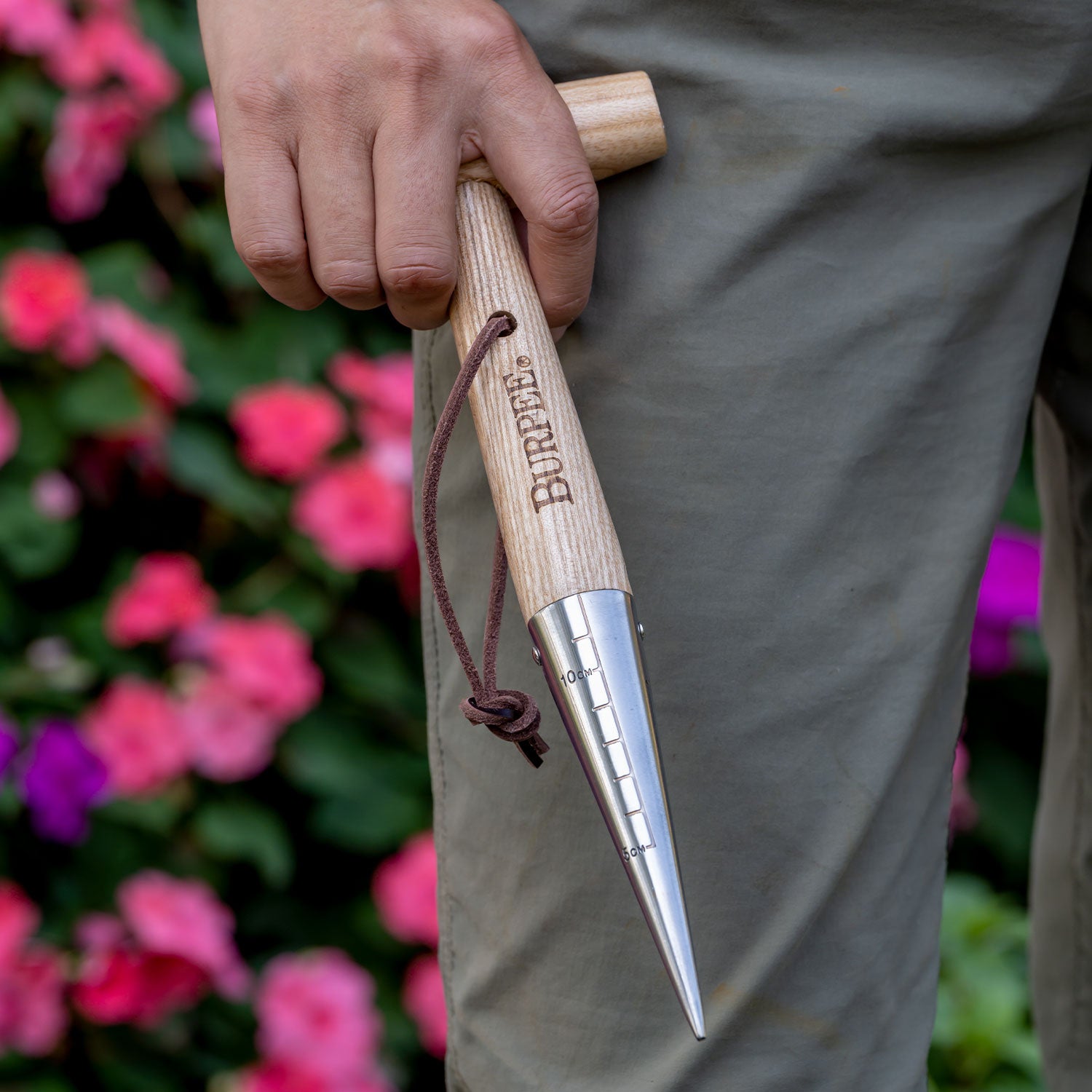
A dibbler with a solid stainless steel head, wooden handle, and a leather cord for easy hanging. It can be used to plant seeds, seedlings and bulbs.
If you haven’t planted your bulbs yet, you may wonder if it's too late. Not quite; as long as the bulbs are still healthy and the soil is not frozen or waterlogged, you can keep planting. But how much longer depends on the bulbs. You can plant tulips into December and even plant some bulbs in January, including tulips, daffodils, and hyacinths, but just expect them to flower later than any planted in the fall.
If you love inspiring garden ideas, outdoor advice, and the latest news, why not sign up for our newsletter and get the latest features delivered straight to your inbox?