French antiques are highly sought after, with people traveling across the globe to visit the famous brocantes in search of treasure. Spread across the village or town, over cobbled streets and old squares, professional dealers set out stalls of curated finds ranging from chandeliers and armoires to silver cutlery and monogrammed linens. But if you can't make it over to France to get shopping, these pieces are often hiding in antique stores and vintage fairs in the States too, or you can shop them online – you just need to know what you are looking for.
While grand Louis XV bergères and crystal chandeliers will always fetch a premium, there are plenty of smaller, affordable pieces which, if used in the right way, can look just as beautiful in the right setting. In fact, it’s the humble pieces which show imperfections and the marks of age and craftsmanship that interior designers are increasingly drawn to. Items like earthenware confit pots, linen grain sacks, and wooden stools boast rustic charm and an aged patina that can add instant character and richness to an interior without costing a fortune.
‘For me, it’s about creating interiors that feel collected rather than decorated. These pieces don’t need to be grand or particularly valuable; it’s their character, craftsmanship, and the stories they carry that make them special,’ explains interior designer Sean Symington.
To discover which unassuming French finds interior designers love to hunt down, we asked the experts for their insights and tips on decorating with antiques.
1. Earthenware Confit Pots and Bowls
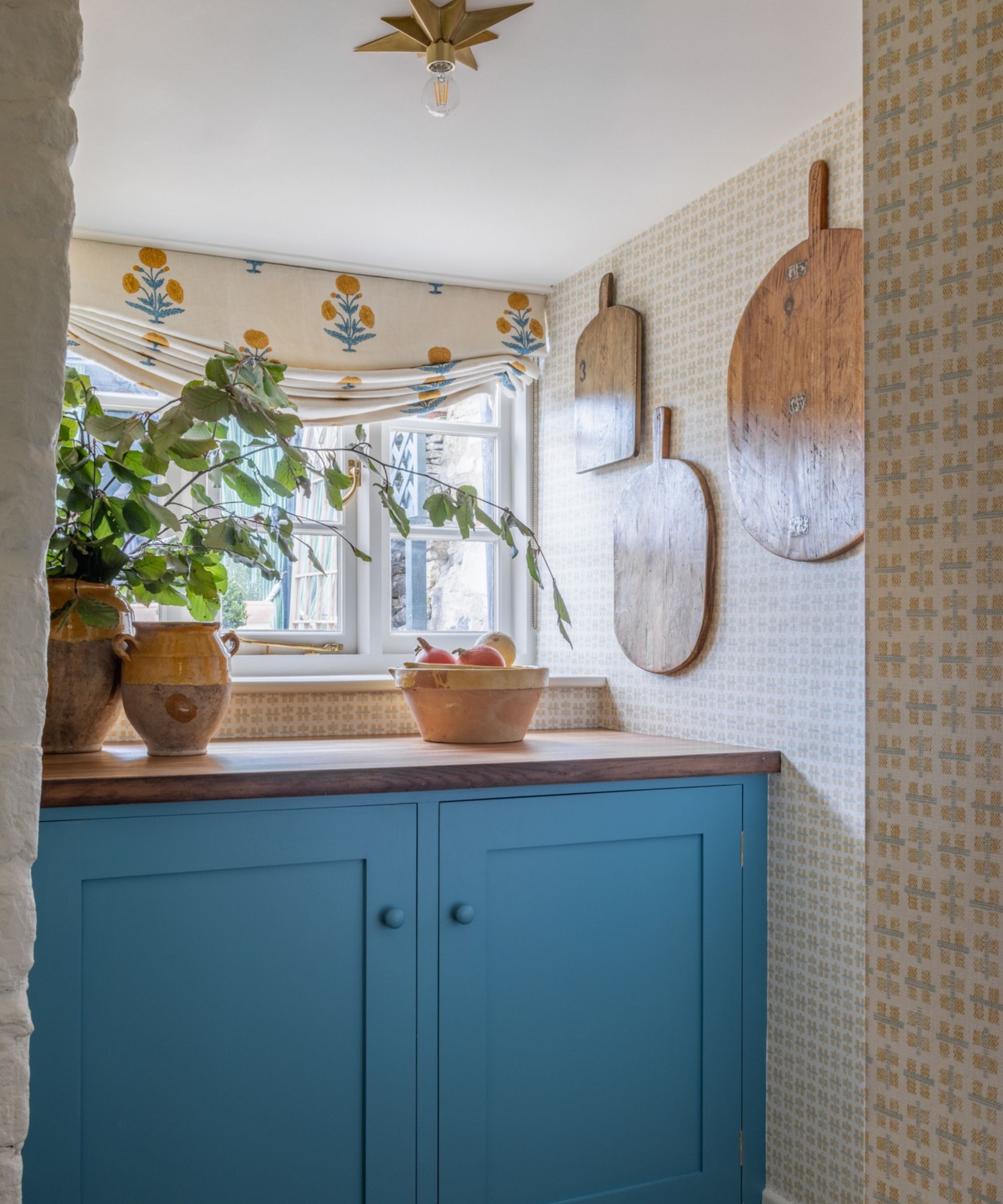
Before the days of refrigeration, confit pots were used to preserve cooked meats. To keep the contents from spoiling, the meat would be covered in fat, and sometimes the pots would be submerged in the earth to keep cool. Today these jars are coveted by interior designers for their rustic clay patina and characteristic ochre glaze and are go-to pieces for channeling French country style.
‘They’re wonderfully unpretentious, with a sense of history and a patina that only comes with age. I often use pieces like these to bring warmth and texture to a space, whether styled on open shelving, layered on a kitchen worktop or simply left out to be used every day,’ explains interior designer Sean Symington.
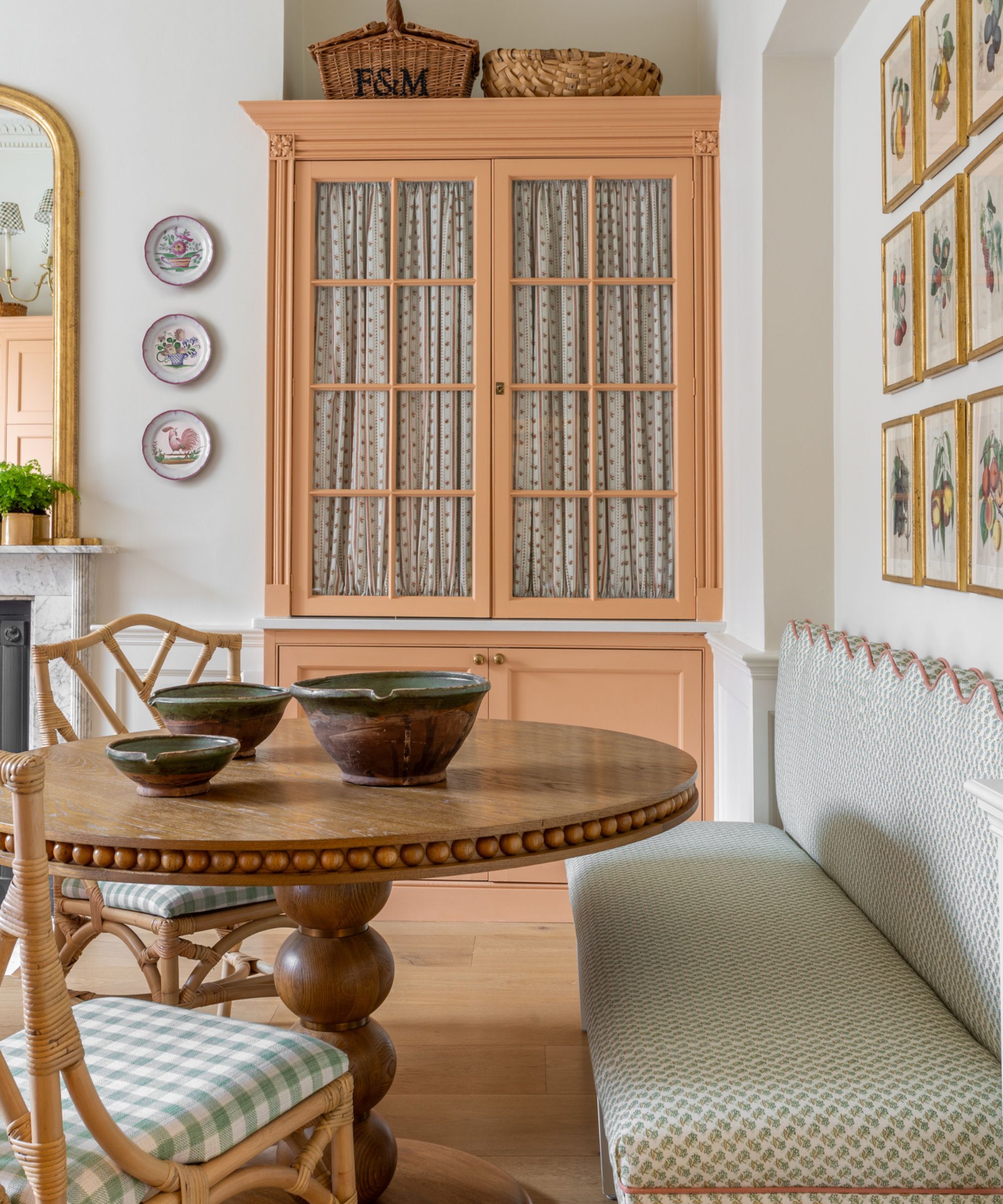
Confit pots and dairy bowls make wonderful decorative pieces, but can also be used as vases and fruit bowls. Their history makes them particularly suited to French country kitchens, but their large size also makes them great pieces for styling entryway console tables. They make a fabulous focal point simply styled with a few seasonal branches. ‘I would style these pieces on open kitchen shelves, grouped on an island, or a mantelpiece alongside framed artwork, small oil paintings, stacks of old books, or next to lovely florals. Their earthy, timeworn finish works beautifully against painted cabinetry, stone, and warm wood,’ adds Sean.
Design expertise in your inbox – from inspiring decorating ideas and beautiful celebrity homes to practical gardening advice and shopping round-ups.
Earthenware and terracotta pieces are a common sight at French brocantes and flea markets, but online dealers always carry a large stock, including specialists in French antiques, Chez Pluie.
2. Antique Linens

Antique textiles are a staple at any brocante fair. From starched linen sheets and rustic grain sacks to French lace and monogrammed damask linen napkins. For Benji Lewis, an interior designer and seasoned brocante shopper who lives between the UK and France, they’re always something he keeps an eye out for, whatever country you are shopping in.
‘I always look for the ones with embroidered letters on them, likely having formed part of a bride's wedding trousseau,’ he explains. ‘I've yet to find one with BL on it, but I buy them anyway, and use them as sheets, curtains and tablecloths.’
For lovers of the romantic French look, French Garden House has a wide selection of antique textiles, including embroidered tablecloths and monogrammed pillow shams.
3. Vintage Grain Sacks
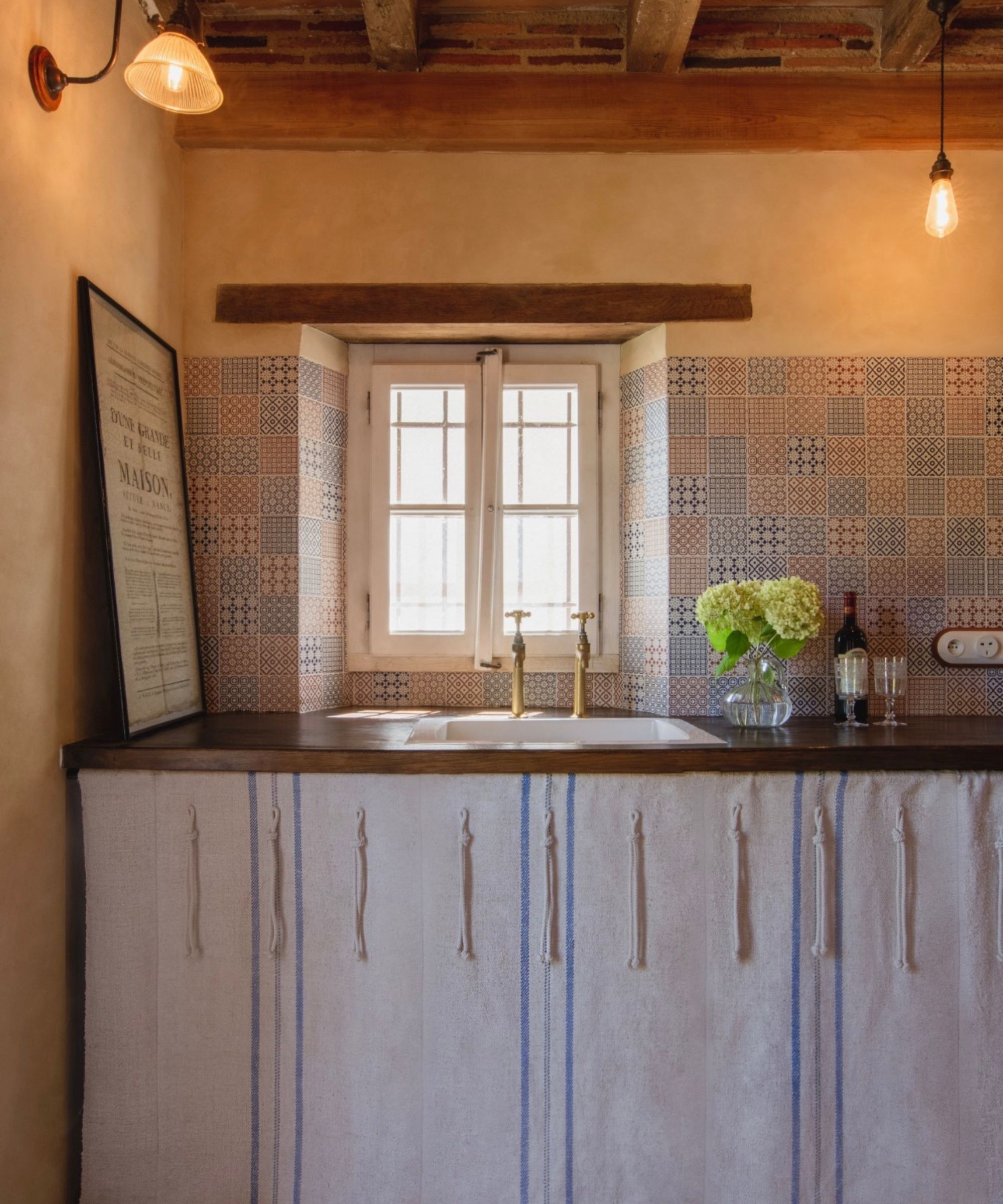
Vintage grain sacks woven from heavy-duty fibers, including hemp, flax, and linen, are particularly sought after by designers for the rustic texture created by their coarse, nubby weave. As the name suggests, they were originally used to store grain and were often woven on farms. Many feature signature red or blue stripes, which served as a form of barcode to indicate both the grain and the farm it came from.
Their beautiful organic texture instantly lifts an interior, and they are popular sewn up into cushions, but they can also make great curtains, too, as demonstrated in Benji's rustic French country kitchen.
'I chose grain sacks rather than a fine cotton for these curtains because the coarse hemp texture dovetailed perfectly with the rustic feel of my kitchen and the other materials I have in there, including reclaimed terracotta, oak and stone,' explains Benji. 'Grain sacks only come in certain widths, so when I used them as curtains to conceal things in the storage unit in my French kitchen, I had them stitched together so they didn’t hang as separate panels.'
4. Savoie Pottery
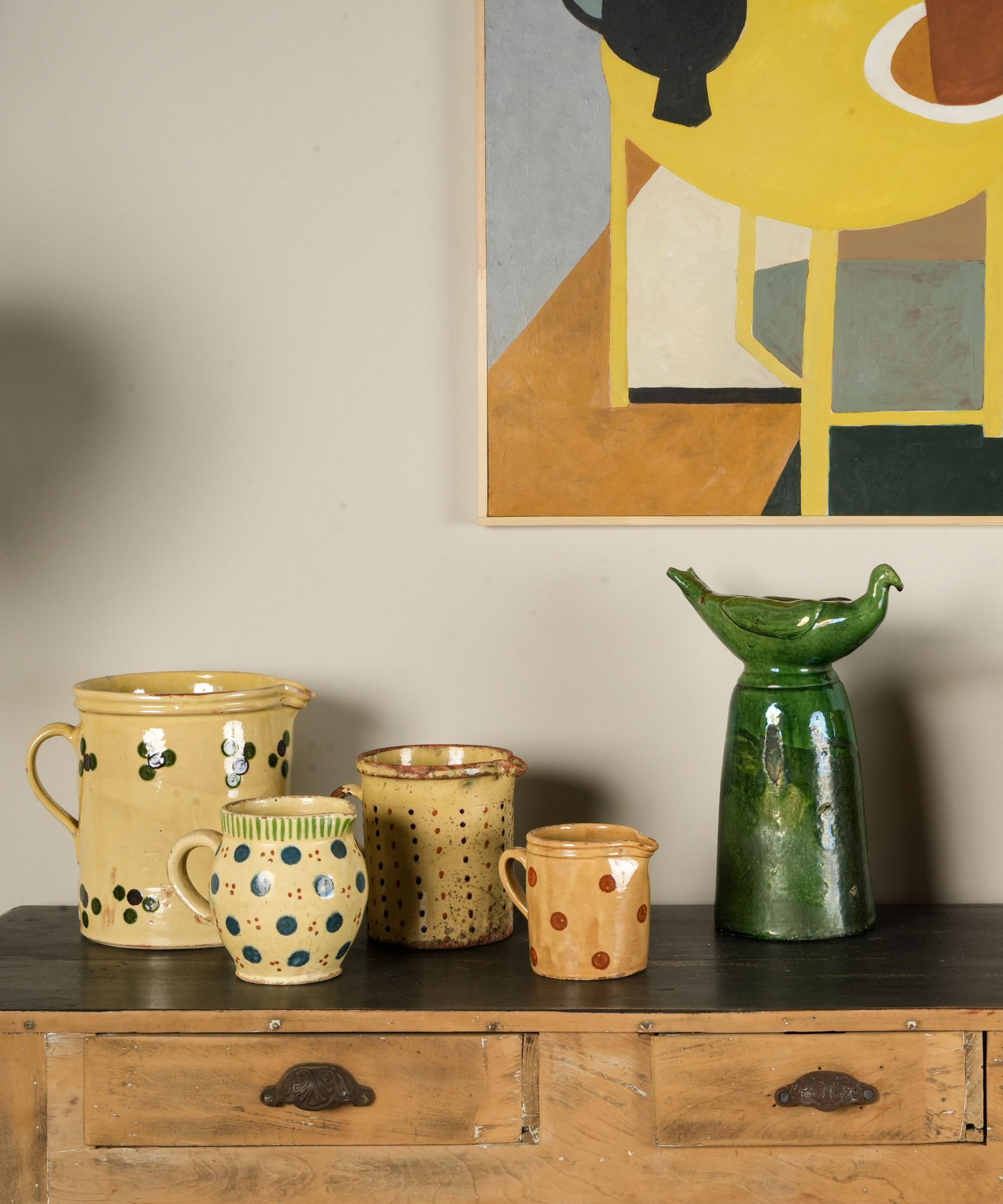
Savoie pottery – traditional, hand-crafted folk earthenware from the Savoie and Haute-Savoie regions of the French Alps – is a style that Susannah Cameron, antiques dealer and founder of the French antiques store Chez Pluie, is seeing grow in popularity. While historically it may have been fine Limoges porcelain which was held in esteem, now Savoyard earthenware is captivating interior designers with its naive, handcrafted charm.
‘I adore their earthy glazes: ochre, chocolate brown and buttery yellow, decorated with delightful dots, zigzags, flowers and geometric patterns. For me, they capture French country charm, especially when they don’t quite match. Building a collection gradually, one lovely find at a time, is such a pleasure,’ explains Susannah.
‘Creamers and pitchers reflect the dairy traditions of the French Alps, alongside decorated plates, dishes and cutlery strainers. Many date from the early twentieth century, with wear to the glaze from years of daily use. For me, that is part of their appeal, and these everyday pieces can still be wonderfully affordable.'
When hunting for Savoie pottery, ask the dealer about its origins to ensure it’s genuine. ‘I also look underneath for wire-cut marks from the potter’s wheel, an interesting detail about how it was made,’ adds Susannah. Chez Pluie offers a wide selection, and you can also buy beautiful pieces at 1stDibs.
5. Mercantile Objects
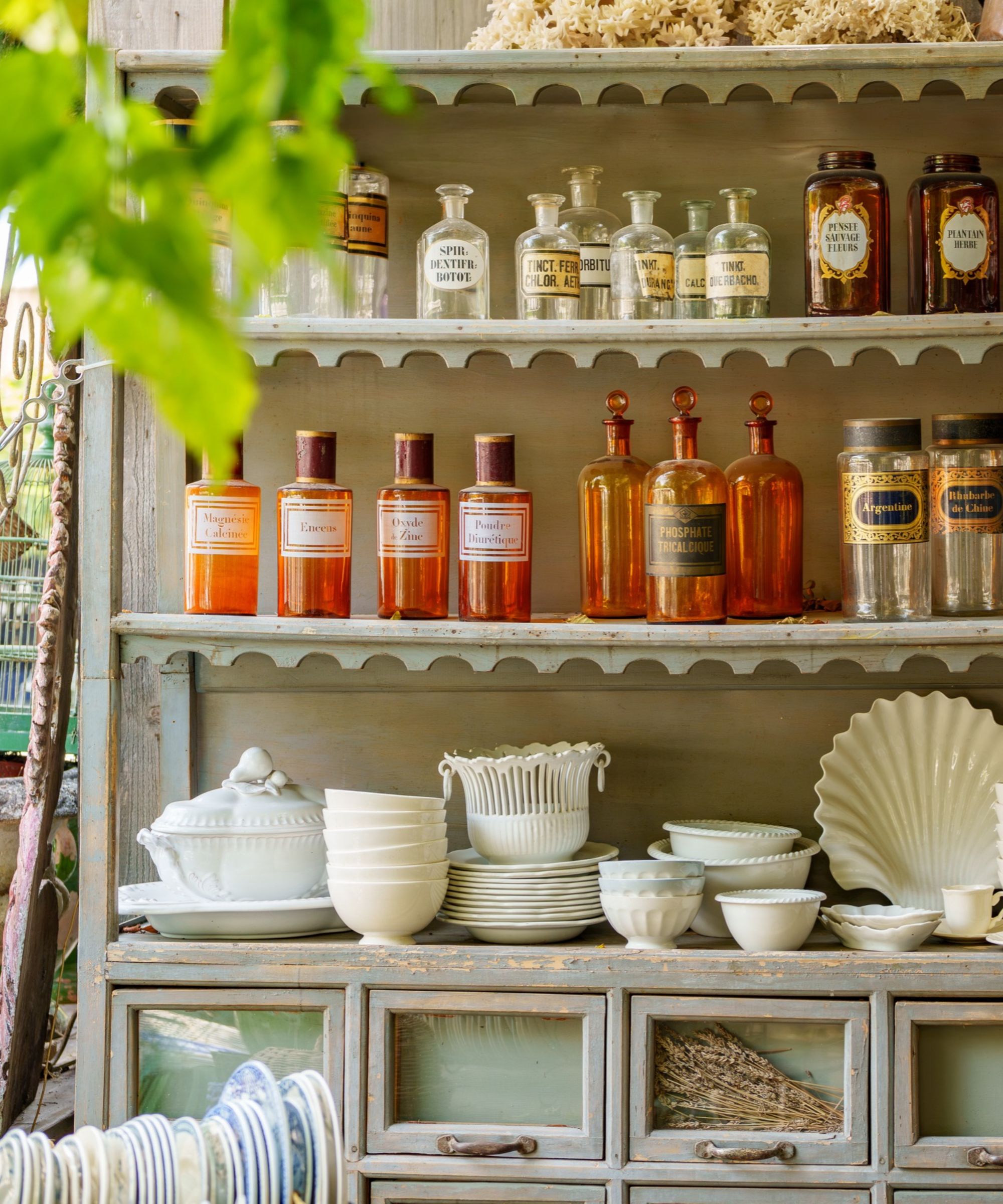
Items that once graced the old shops of France, or are associated with a trade, have wonderful character and narrative. From apothecary jars and old signs to wine hoods and coffee tins, items that tell a story of days gone by inject romance into interiors and make a great talking point. Often these items feature beautiful, decorative typography that dealers and interior designers particularly love.
Choosing pieces that relate to the space in which they are displayed can make a particularly fun talking point, for example, a fromagerie sign in a kitchen or old hat boxes piled in a dressing room. ‘Display apothecary jars together so their shapes and labels can be appreciated, or tuck a little match striker among books. A French sign looks wonderful above kitchen shelving or a desk, where its lettering brings another layer of interest,’ suggests Susannah.
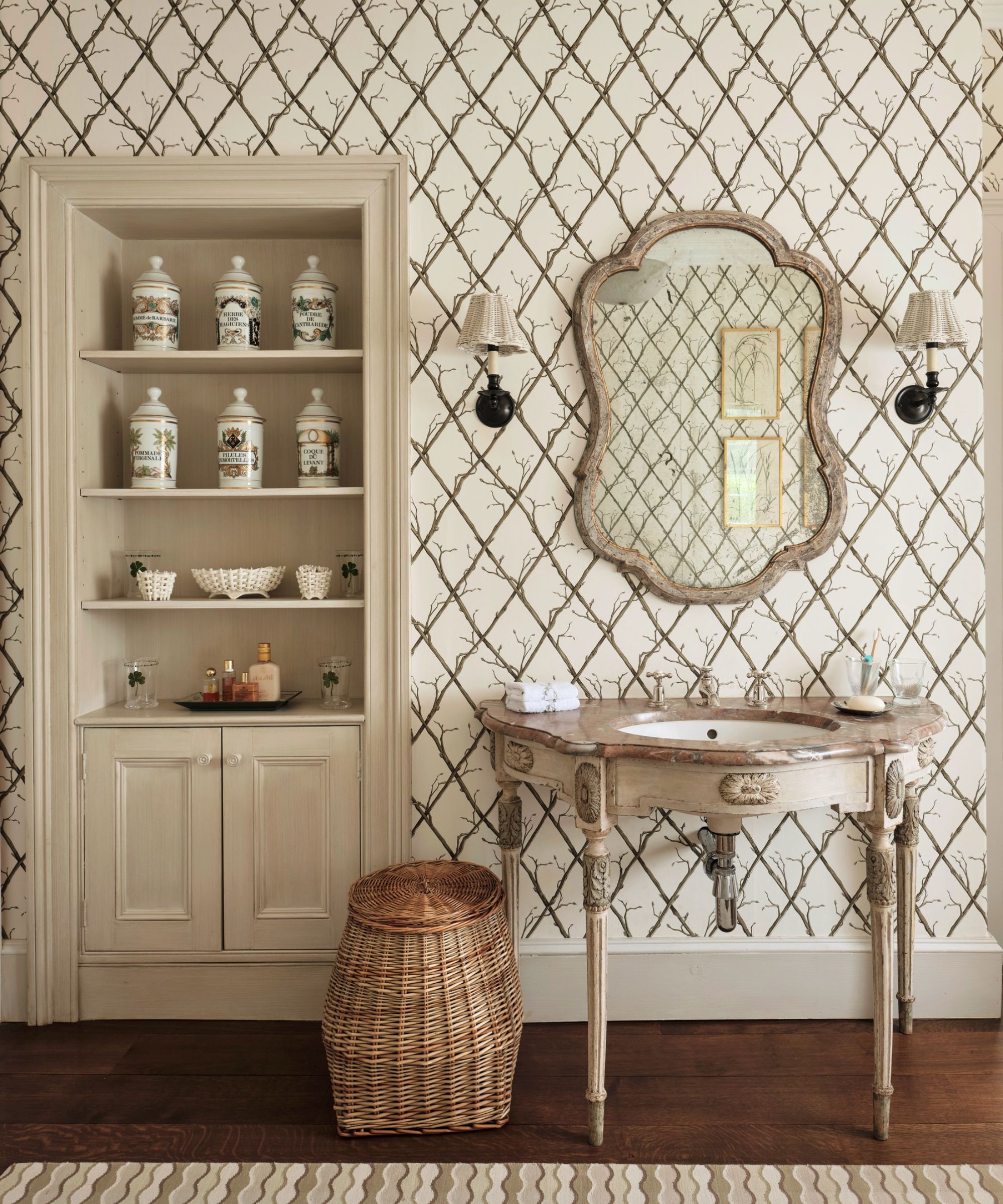
Often sterile and cold, bathrooms are great spaces to introduce antiques, as their character helps bring a collected, lived-in feel. Here Guy Goodfellow has styled alcove shelves with a collection of old pharmacy jars. ‘The old pharmacy jars were found at a flea market just outside Paris. They are precisely the sort of things I love bringing into an interior: objects gathered over time, with memory and character, that make a room feel personal and slightly imperfect rather than pristine.'
When searching for mercantile pieces, 'look beyond the French wording for a town, business name or address,' advises Susannah. 'Check the bottom and sides of enamel signs for discreet manufacturers’ details. These little inscriptions can help you trace a piece’s origins, and a knowledgeable dealer should be able to tell you more.'
6. Antique Artwork
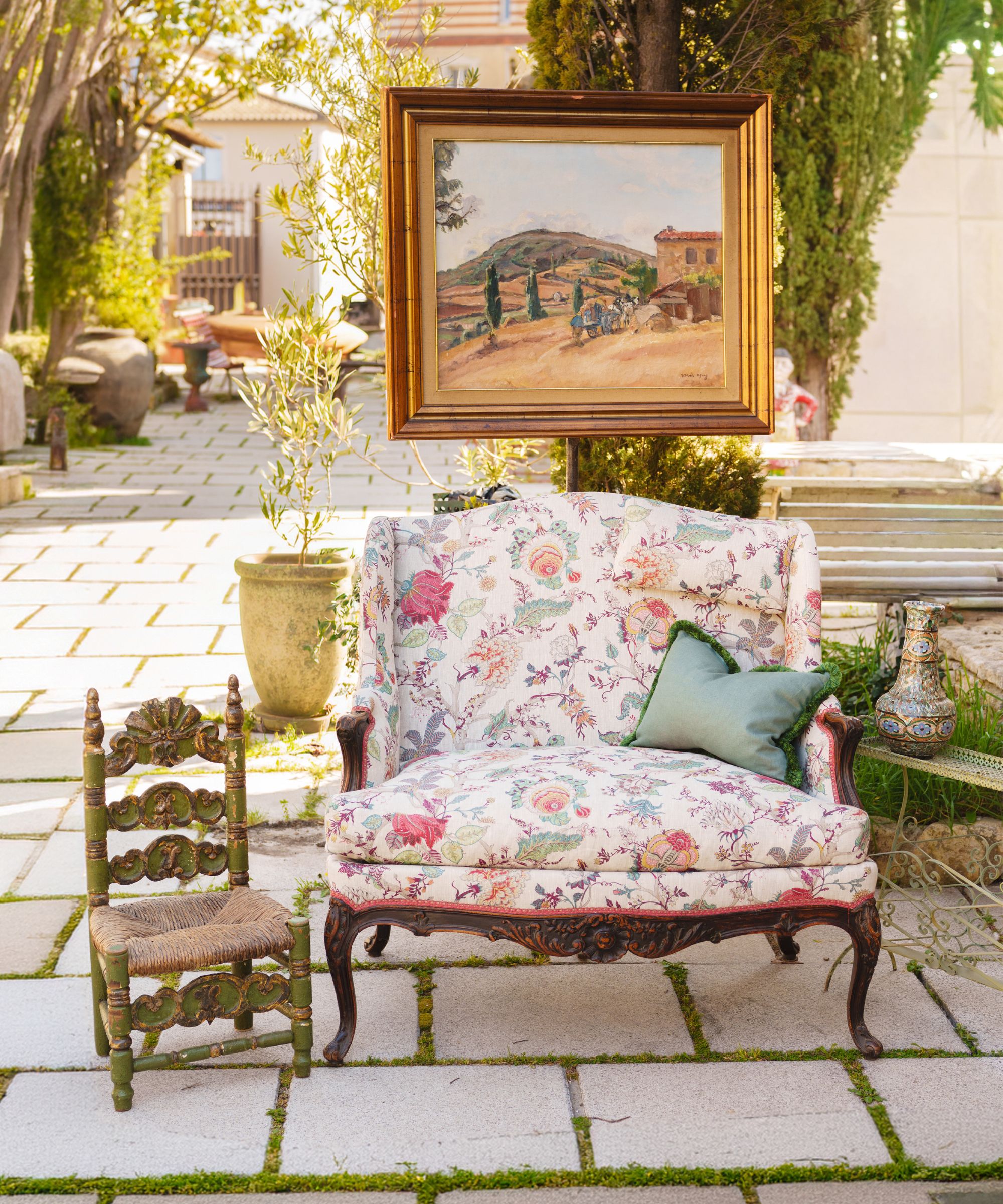
Characterful French oil paintings from the 20th century depicting rural scenes and still life are becoming increasingly popular with interior designers. Contrary to what you might think, the name of the artist doesn't matter here – it's the composition, subject matter, color and style that really appeal to designers. Often a weathered frame plays an integral part in the desirability of the piece.
'One favorite is a still life dated 1923, with a blue-decorated French pitcher surrounded by vegetables and a wedge of pumpkin. The everyday subjects, rich colors, and gathered folds of blue cloth make it so appealing. It’s exactly the sort of painting I love for a kitchen. I’m very happy to find them unframed, with slightly frayed edges or an old repair,' explains Susannah.
For a relaxed feel, rest them on shelves among other decorative items. Choosing an array of sizes and mixing framed with unframed adds to an eclectic feel perfect for a rustic farmhouse interior. 'Prop small paintings at the back of a shelf, with books or pottery in front. Larger works look beautiful alone or as part of a gallery wall,' adds Susannah.
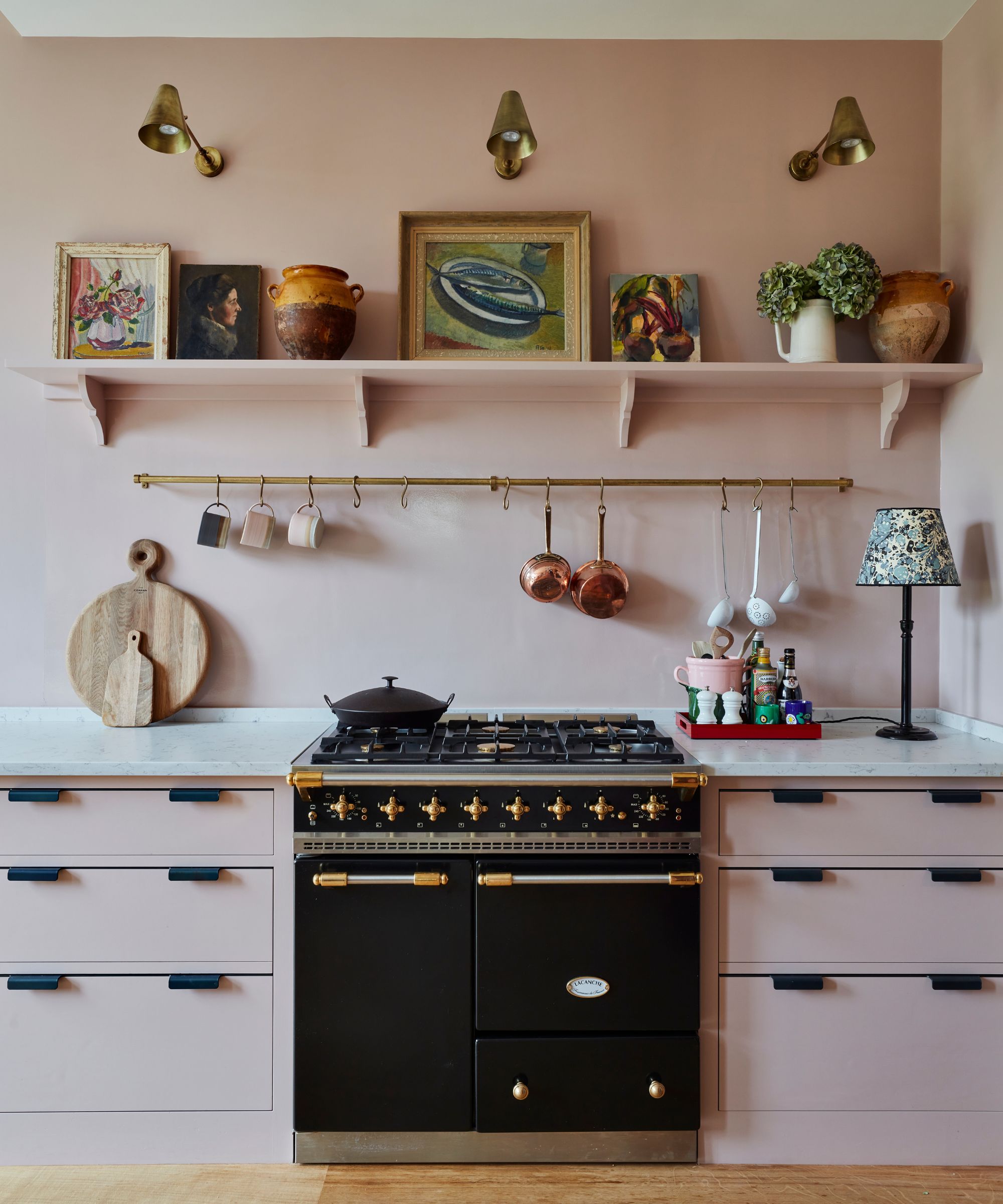
Artworks that complement the purpose of the room make great conversation pieces. For example, food paintings such as this French oil painting of grapes at Etsy would sit beautifully in the kitchen, while a graceful nude makes a fitting piece for a bathroom, and of course, you can't go wrong with a floral study to bring a timeless feel to any space. 'I particularly love a kitchen still life whose subjects echo what’s happening around it: a painted pitcher alongside real pottery creates a lovely connection,' adds Susannah.
When shopping for paintings, it's all about what speaks to you, but look for signatures, dates, labels, or inscriptions on the reverse if you're trying to establish whether a piece is authentically French. 'The subject can offer clues too: a familiar village, traditional cookware, or a recognizable French pitcher. I use these clues to guide my questions about where the painting was found and what is known of its history,' explains Susannah.
7. Copperware
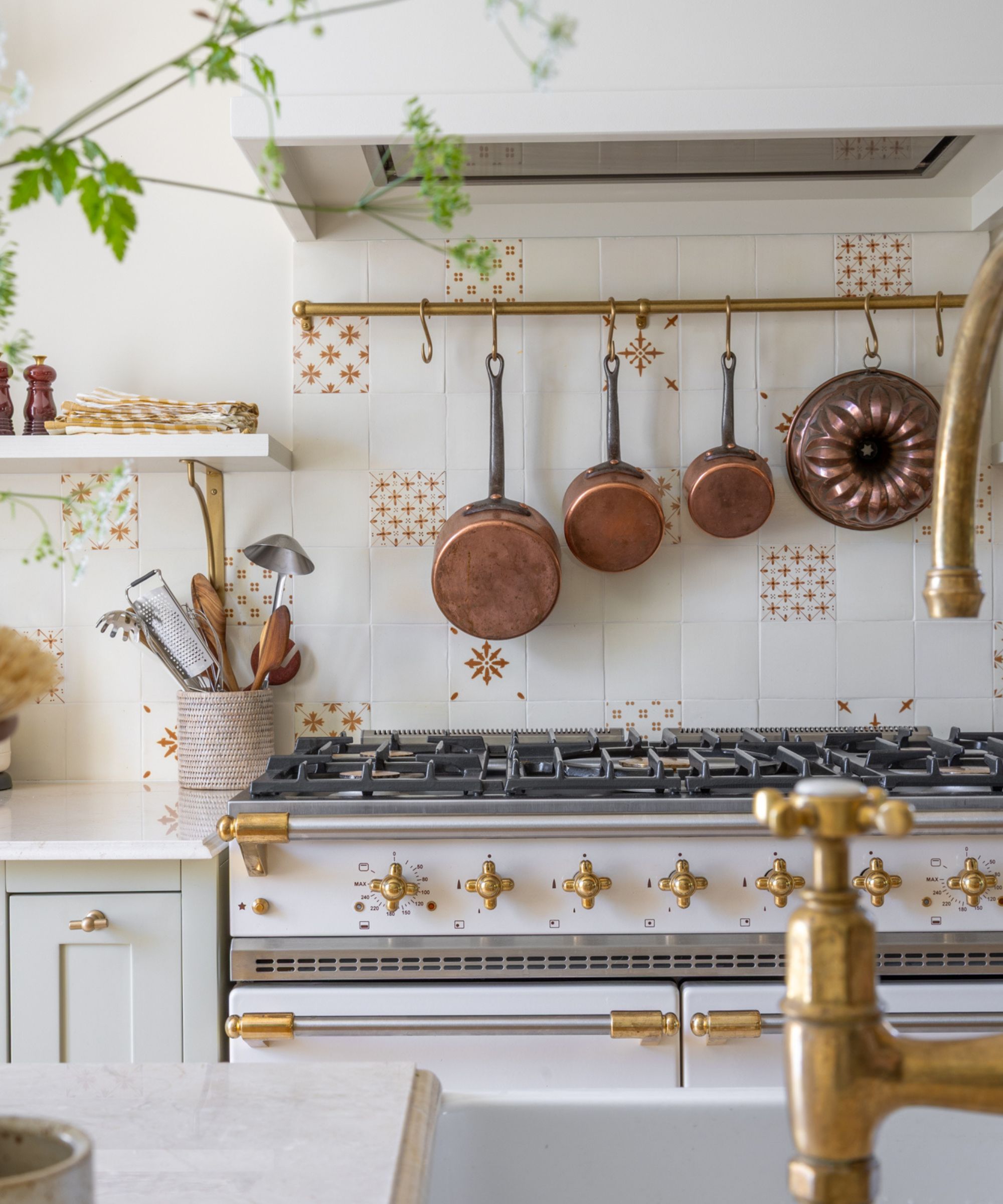
While gilt mirrors and sconces inevitably nod to French grandeur, vintage copperware is a great way to bring a little bit of French luster into the home without the price tag, and we’re seeing it crop up time and time again in interior designers' beautiful kitchen projects.
‘Antique copper has always been a bestseller for us. Nothing says French country kitchen quite like copper pans hanging from hooks, although they look just as good in a modern kitchen,’ explains Susannah. ‘For me, the details are a big part of the appeal: chunky brass or iron handles, bulbous rivets and the lovely shapes of old cake and jelly molds. Even a single piece brings warmth to a room. Villedieu-les-Poêles in Normandy has been making copperware since the Middle Ages. Mauviel started there in 1830, and coppersmiths still work in the town today, making and repairing the pots and pans that have made it famous.’
Whether you’re looking for something ornate and decorative, or simple and sculptural, Chez Pluie has a wonderfully curated selection from sauté pans and cauldrons to the more unusual and quirky winemaker’s watering cans.
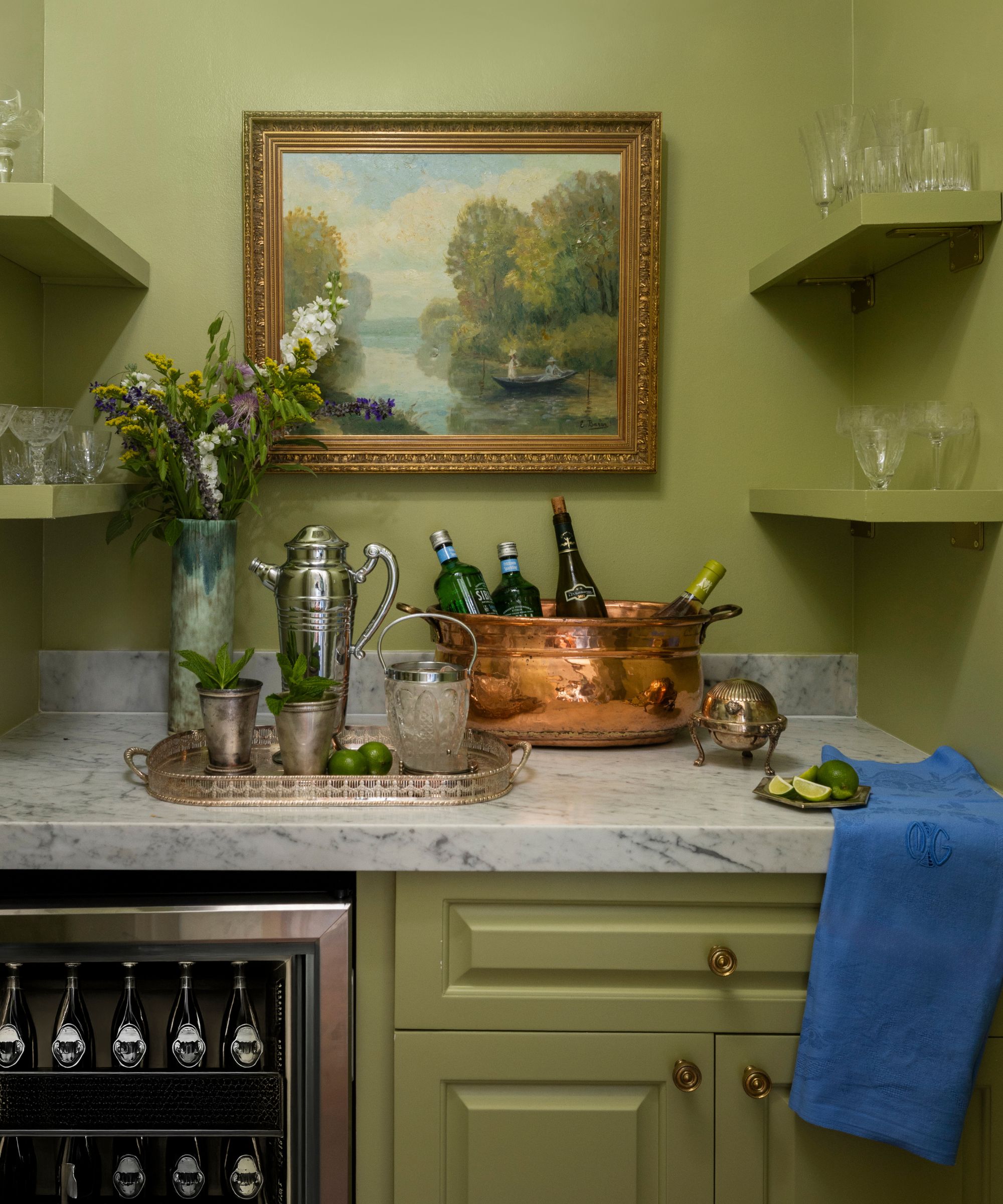
Copperware's enduring appeal is its warm, varied patina, which brings character to any space. Sometimes pieces will have scattered verdigris or oxidation, particularly around the joins, which adds a lovely hint of texture and color. Often the solder work is visible, which adds to the storied history of the piece. It’s these textures and marks of craftsmanship that interior designers are particularly drawn to.
While these pieces are mainly used for decoration, they can be functional, too. ‘Copper is also wonderful to cook with because it conducts heat so well. Older tin-lined pans may need professional re-tinning before use, but it’s worth the effort to get them back into the kitchen,’ adds Susannah.
You can even get creative and repurpose copperware, as antiques dealer Lily Barfield demonstrates here at The Marlene Hotel. 'Old copper vessels are often plentiful at French flea markets. The larger pots can serve as wine buckets and make a statement on your bar. Just make sure to find a vessel with a flat bottom so it doesn't tip over on your counter. When not in use as a wine bucket, it can double as an indoor planter. A pop of green looks striking against the shiny copper. I find myself using these copper vessels over and over; they are always more useful than I originally imagined,' explains Lily.
For a similar vessel, try this antique copper planter from My French Country Home Box.
8. Small Wooden Stools

Decorative and practical, rustic wooden stools are often snapped up by interior designers at flea markets and brocantes. Whether used to pile towels in a bathroom, as a handy step to reach high pantry shelves, or as a little side table in a living room, these humble pieces are extremely versatile. Primitive three-legged milking stools can often command high prices, as can the Charlotte Perriand “Berger” (Tabouret Berger) stool designed between 1953 and 1961, but there are plenty of weathered vintage pieces available for less.
Benji Lewis picked up these wooden stools from a French brocante. 'The pair of stools are made from solid rough-hewn oak, so fine they are not, but that is why I like them here. It was one of those cases of seeing something at a glance and thinking they were dreadful and then having another look and realizing they were perfect,' remembers Benji Lewis.
'I was focused on an authentic period French country house aesthetic when I designed the room, and rustic textures are integral to achieving that, which is why the fact of the stools not having been finely carved works well. I don’t know how old they are; I would imagine 1920s and possibly made for the kitchen of a hunting lodge.'
Don't be put off by weathered texture or chipped paint, as this often adds to the charm; however, take care to check over any wooden pieces for signs of woodworm. It's also important that the stool is sturdy if it's intended to be functional. French Garden House has some lovely examples such as this cricket stool, and there are plenty to choose from on Chairish.
The beauty of the French country aesthetic is that you don’t need to spend a fortune to capture the look – just a few well-chosen pieces can go a long way. While large items like armoires and refectory tables command high prices, small items like unassuming vintage marmalade jars, 20th-century oil paintings, confit pots, marble mortars, enamel jugs, and embroidered linens are all French styling essentials that can be picked up from flea markets for relatively low prices.
‘Some of my favorite French antiques are the simplest pieces, objects originally made for everyday use. Old pottery, French Accolay ceramics, olive jars, rustic wooden stools, antique linen napkins, and garden urns all bring a wonderful sense of history and authenticity to a space,’ explains interior designer and antiques dealer Elizabeth Pash. ‘I love the imperfections, beautiful patina, and feeling that these pieces have lived another life.’
For balanced, timeless schemes, mix in French antiques with pieces from different styles and eras, say the experts. ‘I especially love mixing these humble finds with more refined furnishings. A weathered French urn or a beautifully shaped piece of pottery can be just as impactful as an important antique,’ adds Elizabeth. ‘It's that unexpected mix of old and new, rustic and elegant, that makes a room feel personal, collected, and timeless.’
Love beautiful design ideas, expert advice, and inspiring decor trends? Sign up for our newsletter and get the latest features delivered straight to your inbox.