You may remember earlier this year the RSPB asked us to stop feeding birds seeds and peanuts due to the increased risk of the deadly trichomonosis disease during spring and summer. However, recent guidance from the charity states it is safe to feed nuts and seeds between 1 November and 30 April.
If you love attracting birds to your garden, here’s everything you need to know to do it safely this winter, in line with the RSPB’s advice.
RSPB November bird feeding guidence
If you have a wildlife garden, I’m sure leaving food out for birds is part of your routine. However, the 2026 Big Garden Birdwatch found that species such as Greenfinches saw a 67% decline in average numbers recorded since the Big Garden Birdwatch began in 1979, and this was largely due to disease.

‘Earlier this year we asked the public to join us in pausing the provision of seeds and peanuts for birds between May 1 and October 31. This is due to a disease called trichomonosis which is causing declines in finch species, especially the Greenfinch,’ explains RSPB Wildlife Expert Charlotte Ambrose.
‘Greenfinches' preferred food is seeds, but they will also divert to peanuts, and we also know that the risk of disease spreading is higher during the warmer months of the year.
‘Over the colder months, there is a lower risk of the disease surviving and spreading. This is also when natural food sources are more scarce and birds can really benefit from the full range of supplementary food we can put out in our outdoor spaces.’
Sign up to our newsletter for style inspiration, real homes, project and garden advice and shopping know-how
What is trichomonosis and what are the risks?
‘Trichomonosis is a disease caused by a tiny parasite which attacks a bird’s throat and upper digestive tract. It causes lesions that make swallowing incredibly difficult, so infected birds struggle to eat and drink and, sadly, it can even be fatal,’ explains James Ewens, bird expert at Green Feathers.

‘It spreads mainly through saliva - sick birds often bring back up food they can’t swallow, and healthy birds then pick up that contaminated food from feeders, trays and the ground below. The parasite can also survive in water, so bird baths need just as much attention as feeders.’
Alongside the RSPB’s feeding advice, it’s also important to clean your bird feeder and bird bath weekly to help reduce the risk of spreading disease here. It’s a little extra effort, but it’s important when it comes to the welfare of local birds. And while there is a reduced risk in winter, you still need to be cautious.

‘Whilst the risk of trichomonosis is lower, there is still a risk. Therefore, it remains important to continue to 'feed safely' year-round to reduce the spread of the disease. Good hygiene is important - if you are putting feeders out, feed in moderation, only providing enough food that is eaten within a day or two (excluding suet that generally takes longer to consume). The disease thrives well on damp food, so well-ventilated feeders which also limit rainwater getting in are preferable,’ explains Charlotte.
‘Feeders should be emptied, taken apart and thoroughly cleaned at least once a week with soapy water and disinfectant. If you can, rotate your feeders between different spots in your outside space after cleaning, and take care to clear away any uneaten food from the ground.
‘Trichomonosis can also survive in water, so if you're providing a bird bath this should be emptied and refilled daily with fresh water and cleaned (with warm soapy water and disinfectant) once a week.
‘Our research has also shown that disease is more likely to spread on flat feeding surfaces, so we recommend retiring your bird tables, window feeders and any trays beneath hanging feeders.’
Feed birds safely
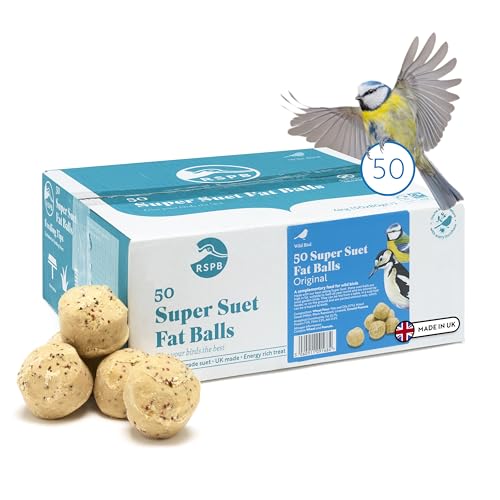
Fat ball are high in calories and energy making them a great choice for winter feeding when resources are scarce.
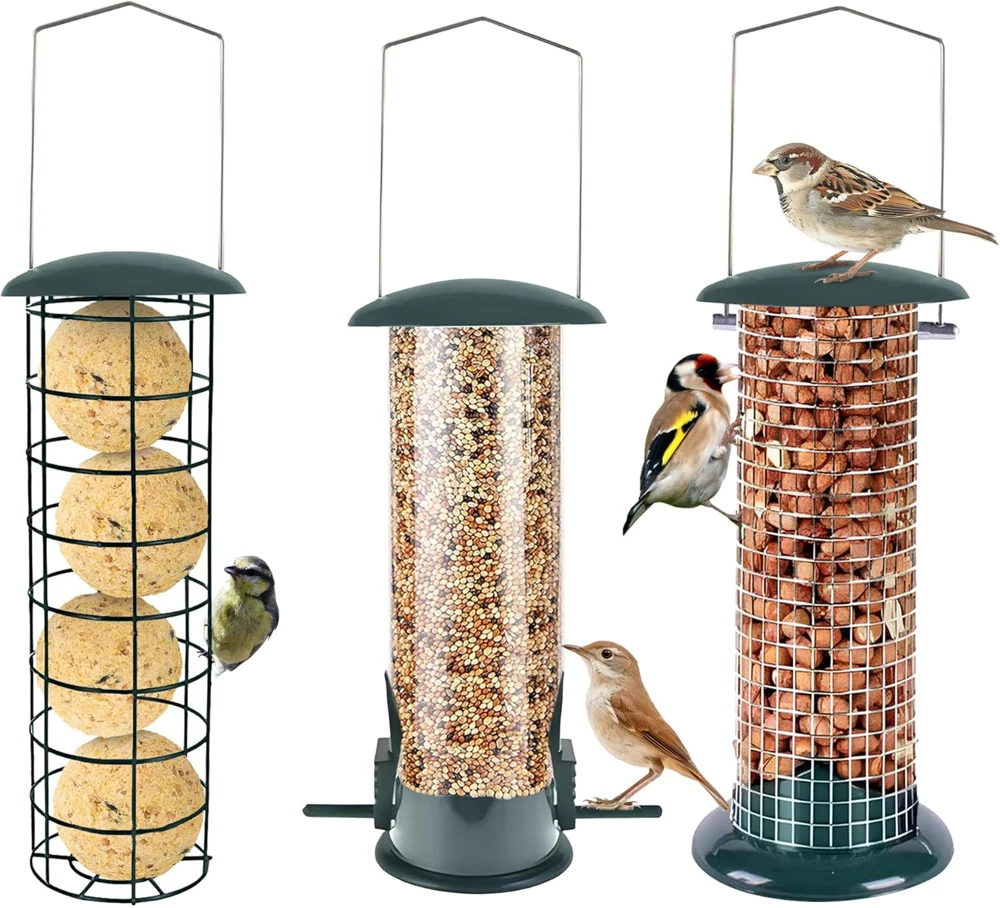
Swap any feeder tables or trays for a hanging bird feeder to reduce the spread of disease.
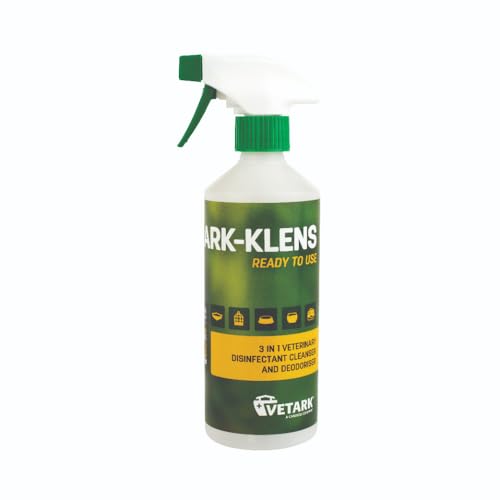
You should be cleaning your bird feeder regulary to reduce the spread of disease.
To conclude, from now until April it is safe to leave out seeds and nuts for birds. Just remember to only give a little at a time and maintain a good standard of hygiene.