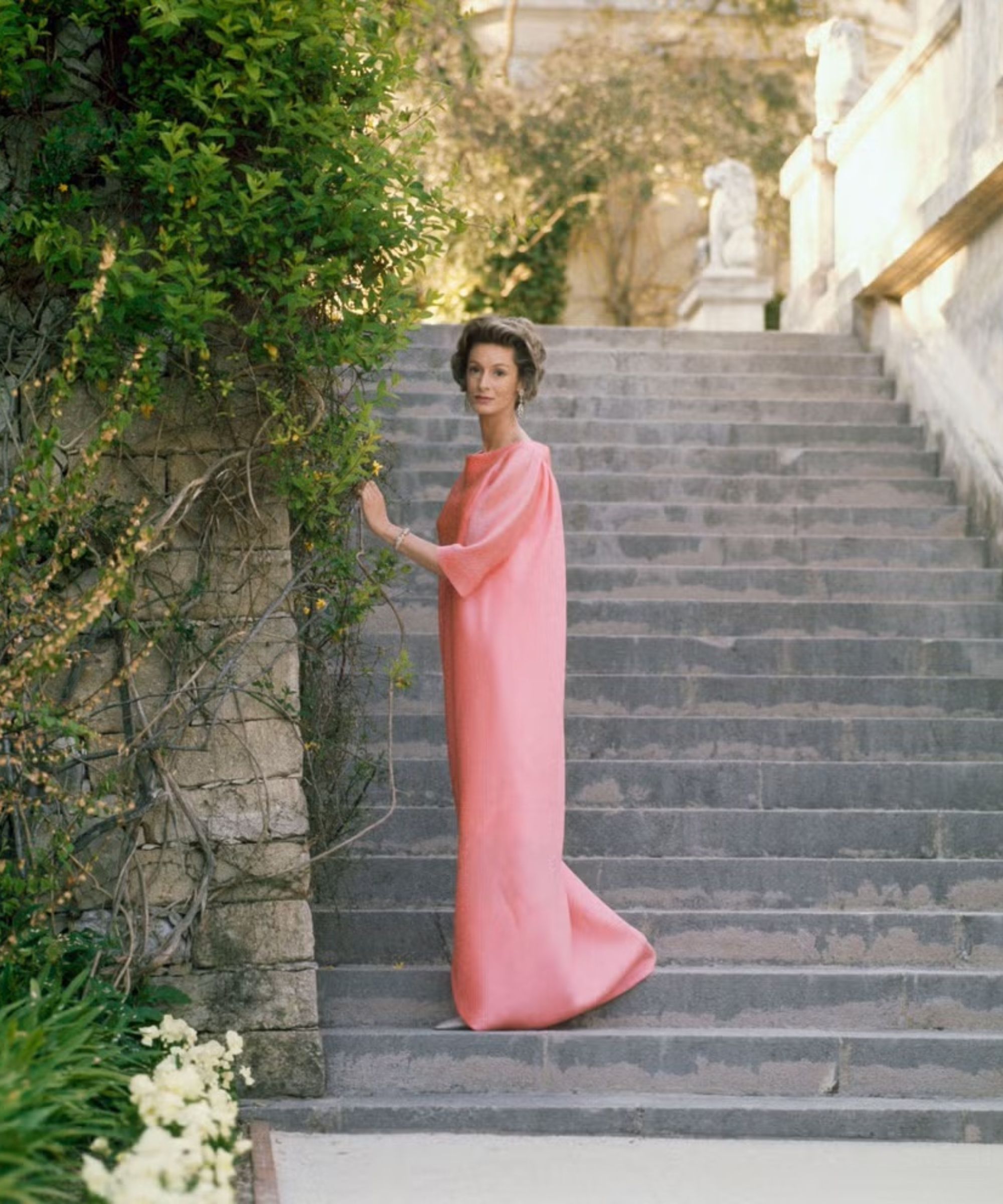
I am passionate about creating homes that reflect the people who live in them and the places they inhabit. When I think about this, I often find myself returning to the homes created and curated by Marella Agnelli.
My delight in researching the life and incredible homes of Marella Agnelli goes back some 25 years, when I was a student studying in Rome. However, it was a recent opportunity to spend an afternoon with her absolutely gracious niece, Marella Caracciolo Chia (who co-authored Agnelli’s memoir, Marella Agnelli: The Last Swan, available on Amazon), and tour Caracciolo Chia’s apartment that cemented my lifelong fondness for Agnelli and her extraordinary approach to design.
Born to an American mother and Italian father, Marella married Fiat heir Gianni Agnelli at age 26. She was quite candid about not having a clue how to decorate or run the homes she inherited at an early age, but over the course of her life she threw herself passionately into the role of decorator, gardener, and patron of the arts.
Of course, most of us are not collecting grand estates or building extraordinary art collections on the scale of the Agnellis. But there are so many wonderful lessons from Marella about how to create a home that feels personal, layered and alive.
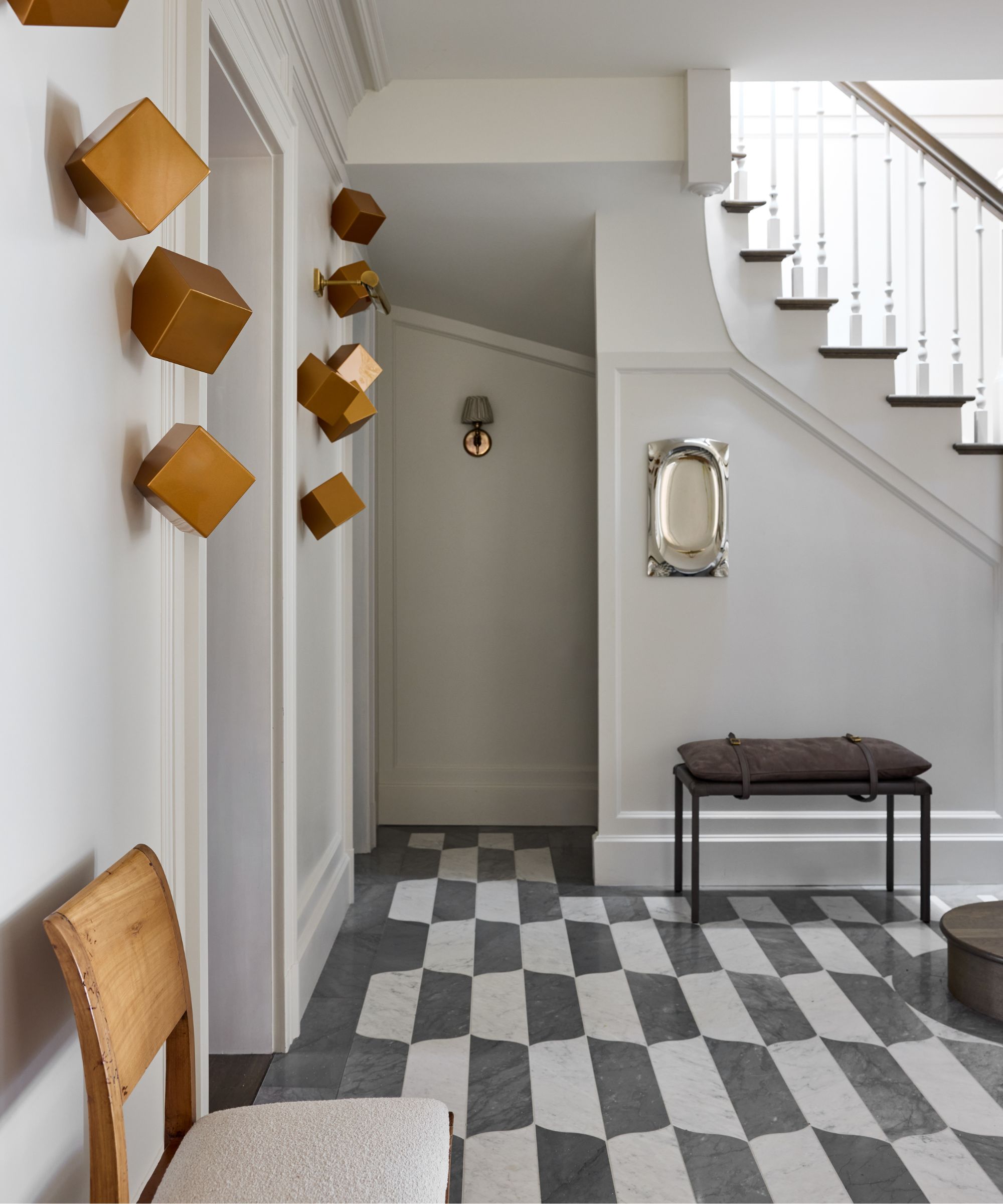
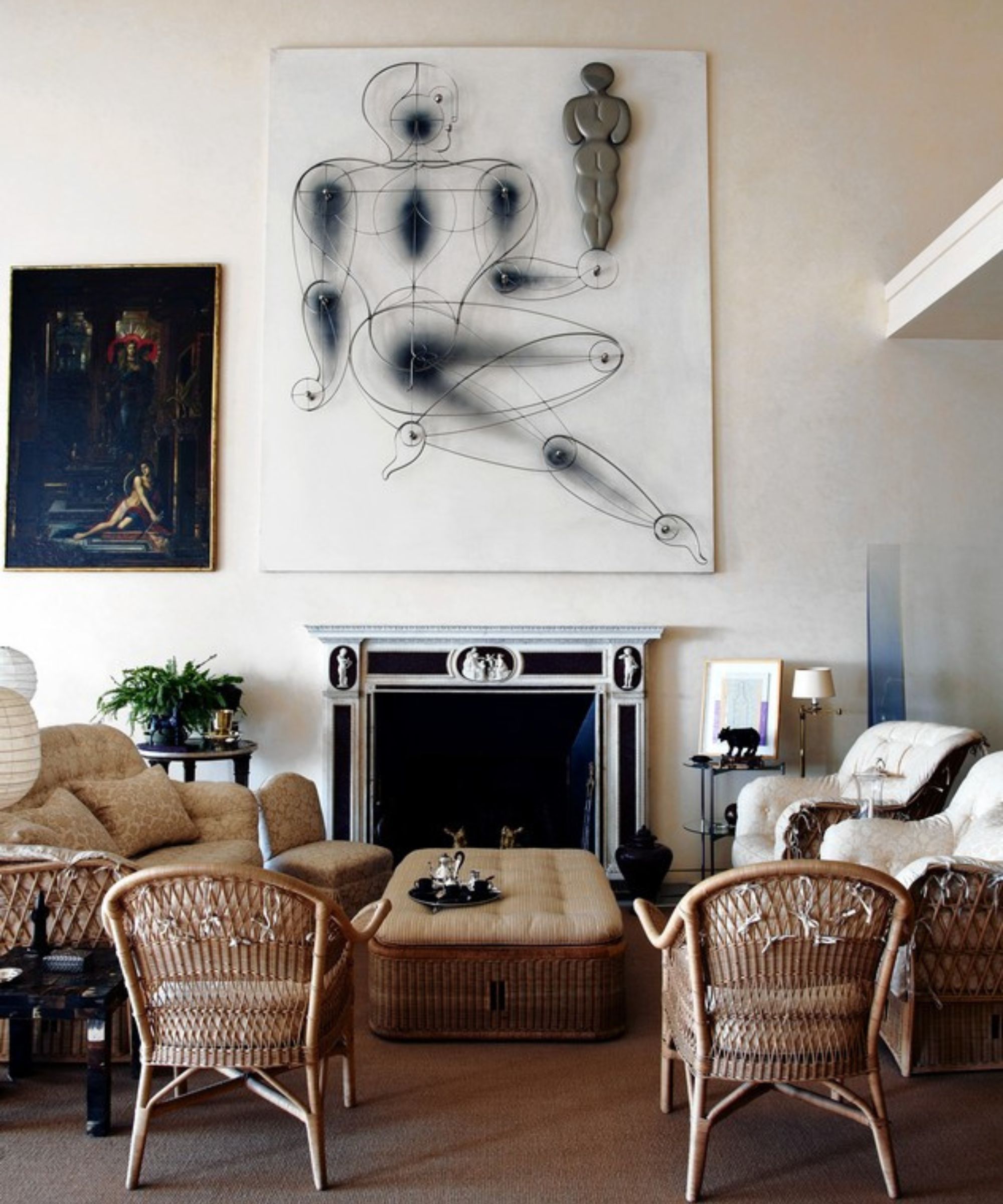
First and foremost, a home should feel collected. Agnelli was an absolute genius at the 'mix'. What is boring is when everything in a room feels predictable or too perfectly coordinated. Experiment with what speaks to you. You might have a room of contemporary pieces and try an accent of an antique that has meaning to you, reminds you of a trip, or was passed down in your family. Conversely, a more traditional room might come alive with an unexpected contemporary piece, such as a modern side table. The goal isn't to match everything. It is to create a dialogue between things you love.
Don't be afraid to have a point of view. It took time but Marella studied homes and gardens and was not afraid to take her homes into their next chapter. She honored the past but wasn’t afraid to strip away certain details so the rooms and gardens could evolve with her family’s needs and what felt al corrente.
Rooms should be about creating an atmosphere, a beautiful background for life to take place in. Admittedly, there are beautiful rooms that photograph exquisitely but are highly unlivable or feel lifeless when you experience them. What I, as a designer, am interested in is helping people to live well. Beautiful spaces that are the stage for life. One of Marella’s tricks was to add bits to rooms that reminded her guests and her family to feel comfortable. She loved to use wicker throughout her homes – even in her formal city apartments! I think this was partially a nod to her love of gardens, but also really spoke to her not wanting to take things too seriously and be too stodgy.
Design expertise in your inbox – from inspiring decorating ideas and beautiful celebrity homes to practical gardening advice and shopping round-ups.
Life is not stagnant, nor should homes be. The Agnellis bought different historic and contemporary properties throughout their lives. They wanted to be at the center of the bustle in Turin, then sought privacy outside the city as their profile grew. They wanted to remain connected to Rome, and later became increasingly interested in the creative energy of the United States, taking an apartment in New York.
Their homes evolved with them. They experimented with different architectural styles, championed young artists, and stayed engaged with the creative conversations of their time. The black leather coverlet in the bedroom of their Roman apartment must have been a shock when it was proposed, and admittedly, it’s not my favorite element of the space, but it shows that she was always experimenting. They understood that different chapters of life – and different architectural settings – call for different things. They were open to what artists were expressing as the world changed through the 1950s, '60s and '70s, and they allowed their collections and interiors to evolve alongside them.
We can all take a lesson from that. Take something out of a room. Rearrange your furniture. Move a piece of art. Try something unexpected. You may be surprised by the fresh energy it brings. I often came home from school as a girl, and my mom had rearranged a room. I grew to understand that it helped her clear her mind and not get too stuck in the past or a certain idea.
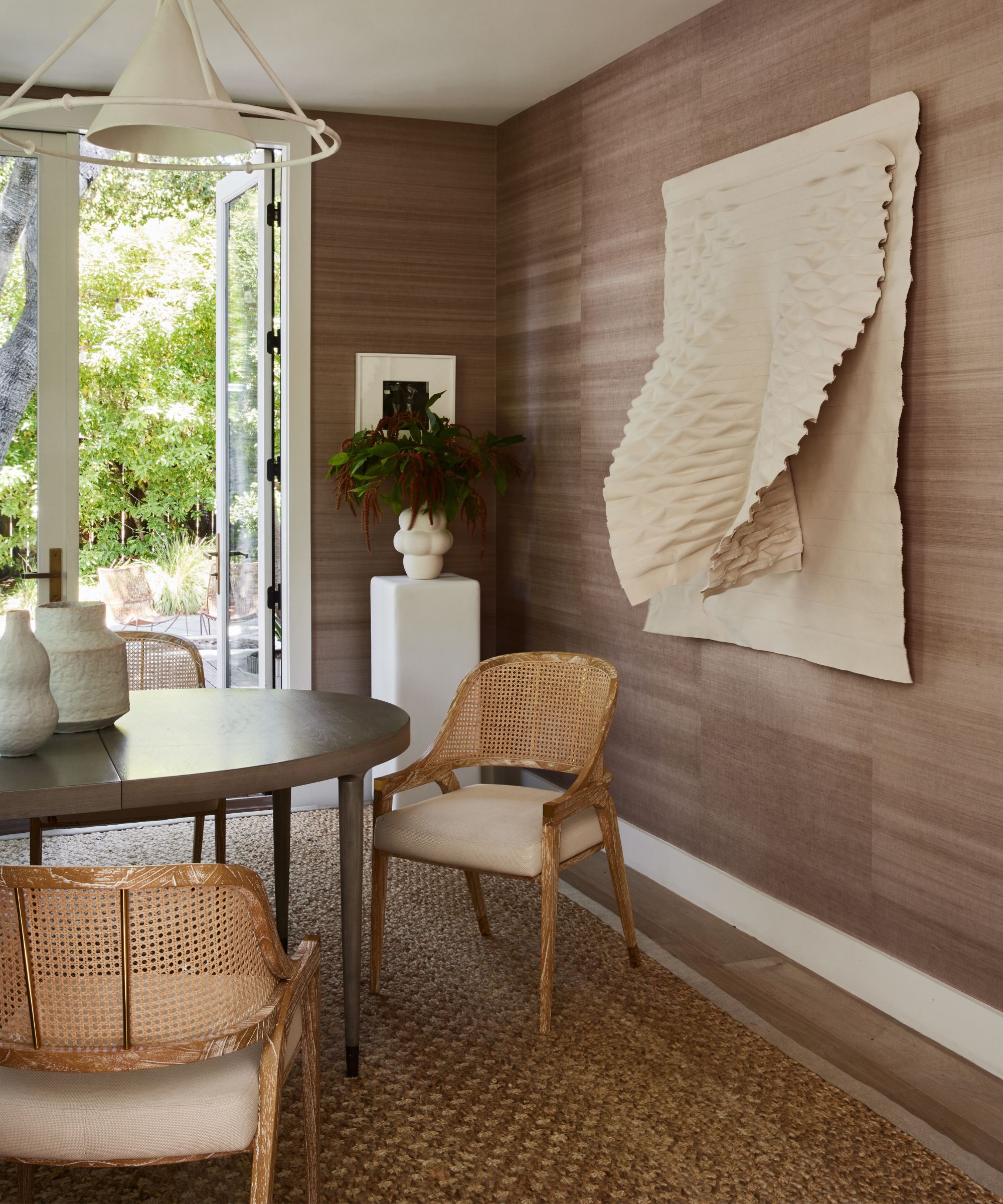
Humans have an innate desire to connect with nature. Biophilic design is an architectural and interior design approach that integrates nature into built spaces to improve human health and well-being. Thankfully, there is a lot more emphasis on the importance of biophilia in interior design and architecture today. Agnelli, however, was ahead of her time in opening spaces to connect with her gardens, to embrace outdoor living, and to bring all sorts of plants and flowers – humble and grand – into her spaces. She looked for ways to open up her homes to the outside. She felt the garden was the most important room of the house and seemed to understand how gardens renewed and sustained her. She was constantly incorporating indoor plants (again, usually in humble little wicker baskets) into her rooms.
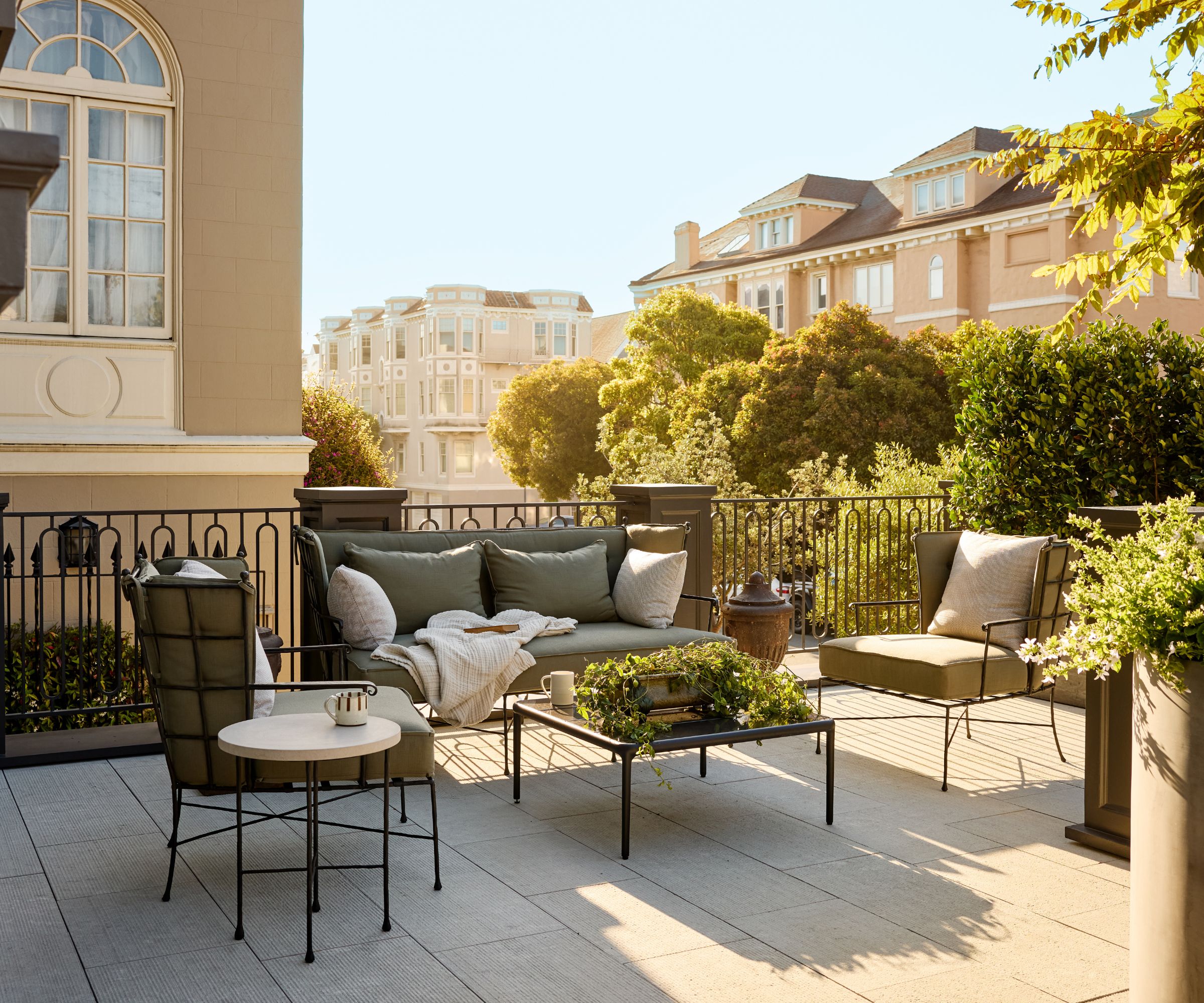
Ok, yes, she had a sensational budget, but she captured so many of my guiding principles of design. Being open to emerging artists, mix humble and ultra-luxe. Chicness is having your own point of view. Less is more. Be unexpected. There is always a bit of wicker. Live with the seasons, live well. The garden is my favorite room. Your room should be an expression of you. She reminds us that everyday small rituals can feel luxurious – don’t forget candlelight, music, and fresh flowers.
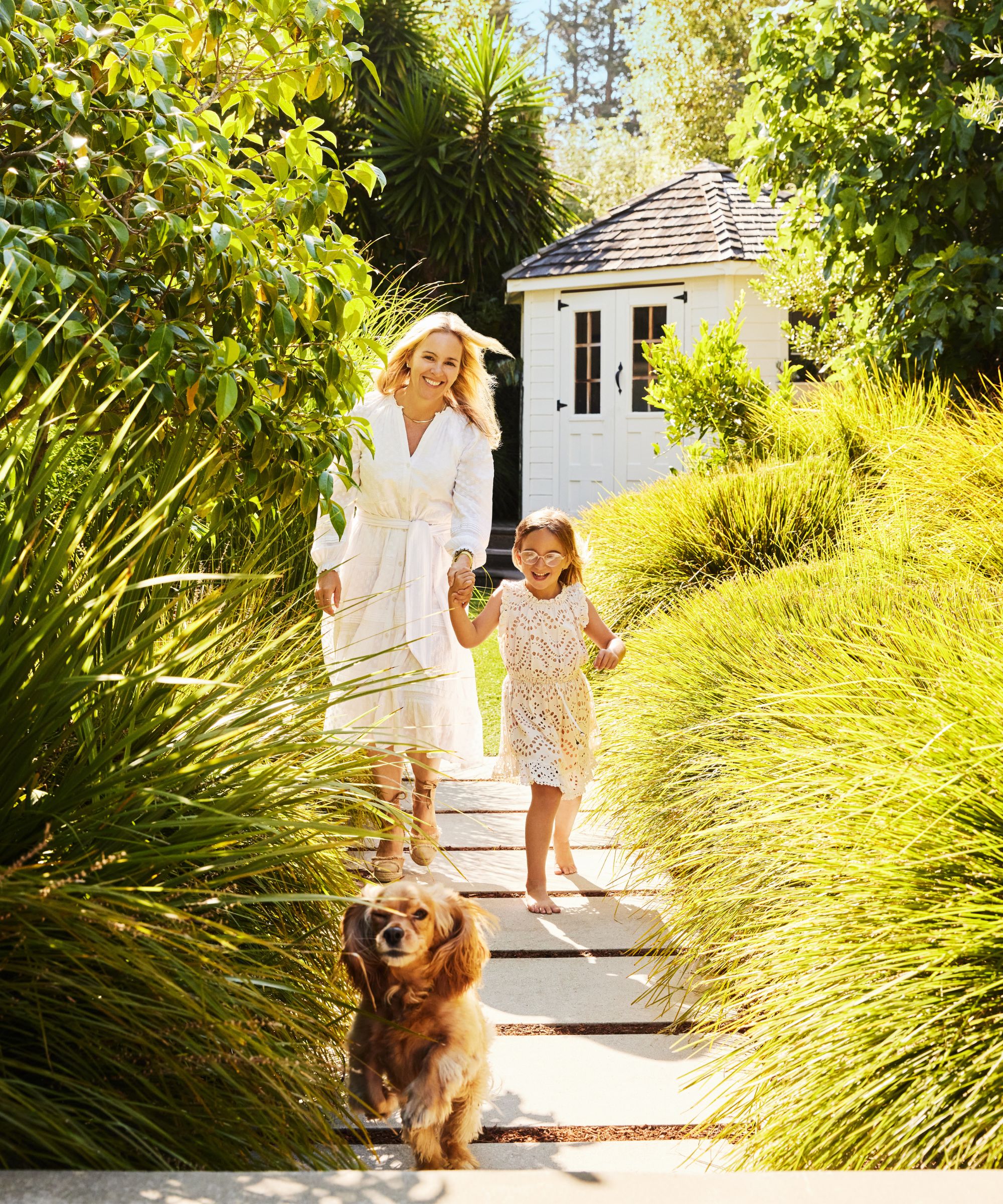
As I reflected on Marella's life, I was reminded of another book I read this summer: Arthur Brooks’ Build the Life You Really Want (available on Amazon). I was fascinated by his studies of happiness. He states that two of the macronutrients of happiness are finding enjoyment in life and finding purpose in your life. While Marella was greatly privileged, she had her fair share of adversity, heartbreak, and grief. I do love the idea that art and design can be of great comfort and enjoyment. I know this is true for myself, my mother, and my grandmother. You can see through her memoir that she created enjoyment and found a sense of purpose in her life through the decorative arts. Her purpose in life was to be a steward of great architecture, to foster and promote the work of artists and artisans. This, however, can be expressed through tending to a windowbox-sized garden, going to a museum and experiencing the work of an artist, sewing a pillow from a textile you found on holiday, scouring a flea market for a set of wine glasses you use for book club; the possibilities are endless. In times of uncertainty and even grief, diving into a new project and finding beauty in the world can help keep us putting one foot in front of the other.
Interior designer Lindsay Anyon Brier is one of Homes & Gardens' Editors-At-Large for , sharing her thoughts on design.
Love beautiful design ideas, expert advice, and inspiring decor trends? Sign up for our newsletter and get the latest features delivered straight to your inbox.