I have baked for over 15 years, but I have never used pure ceramic bakeware until now.
The Xtrema Pure Ceramic Bakeware Set came with a serious learning curve, but after several rounds of experimentation, I found it to be a durable, quality bakeware option for more experienced bakers who want to be absolutely sure that their pieces are non-toxic.
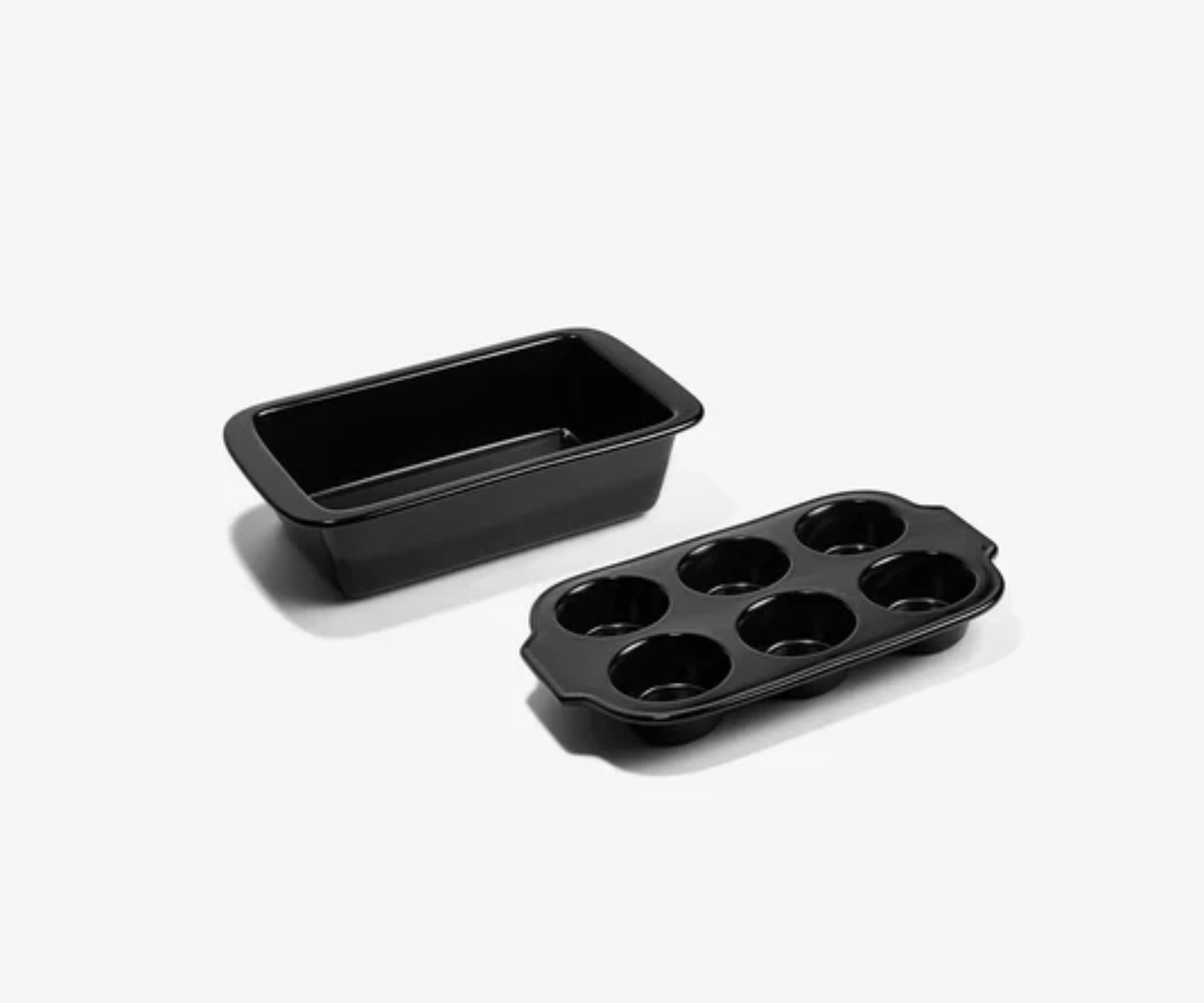
This is how I got on with the two-piece muffin and loaf tin set, and the tricks I discovered to make the most of this unusual non-toxic cookware.
Product Specifications: Xtrema Ceramic Bakeware
|
100% pure ceramic |
|
|
Included items |
2-piece set includes: |
|
Black only |
|
|
Dishwasher safe |
|
|
Oven safe |
Oven, BBQ and Grill safe up to 2,500°F |
|
10-year limited warranty |
Design and First Impressions
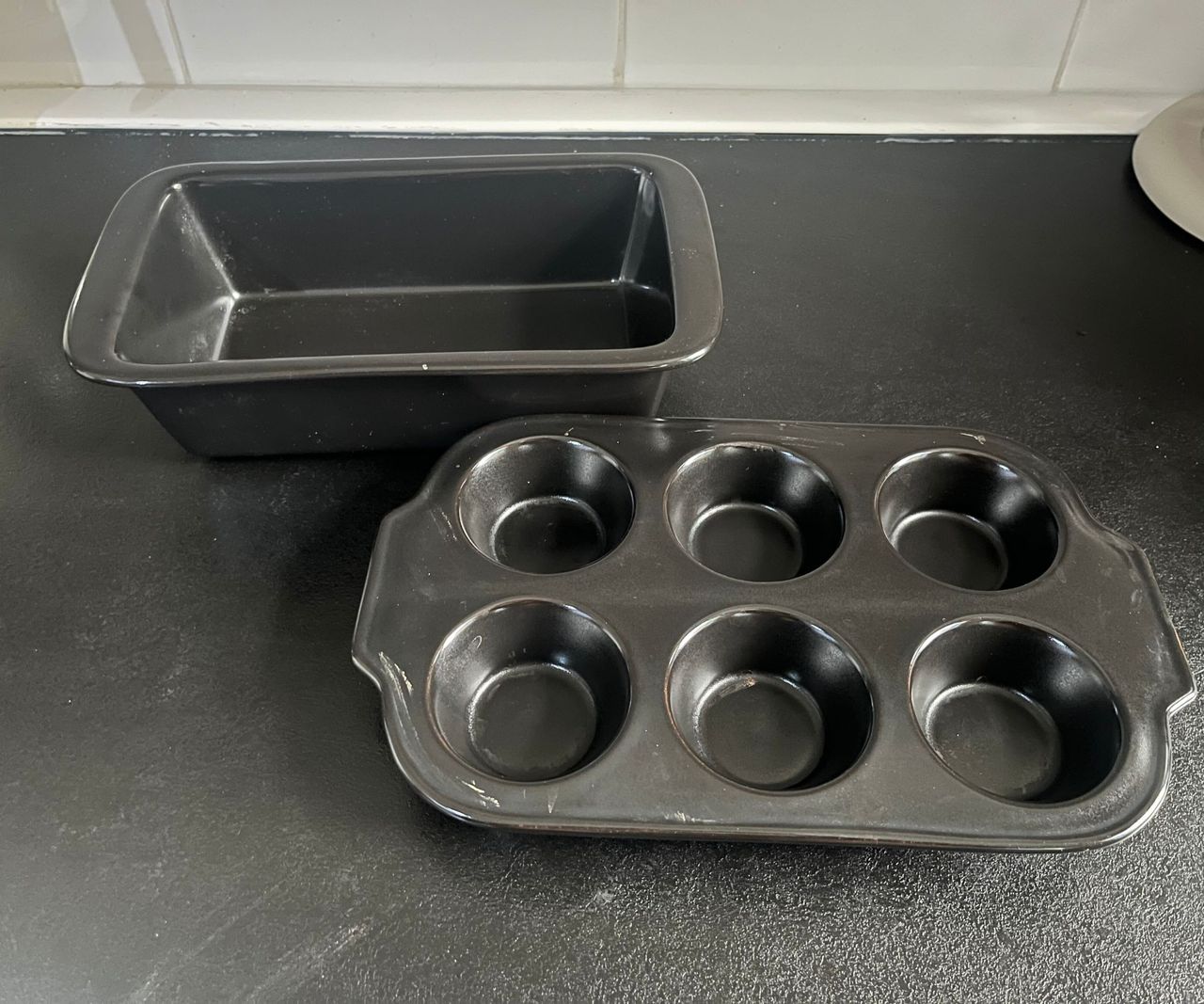
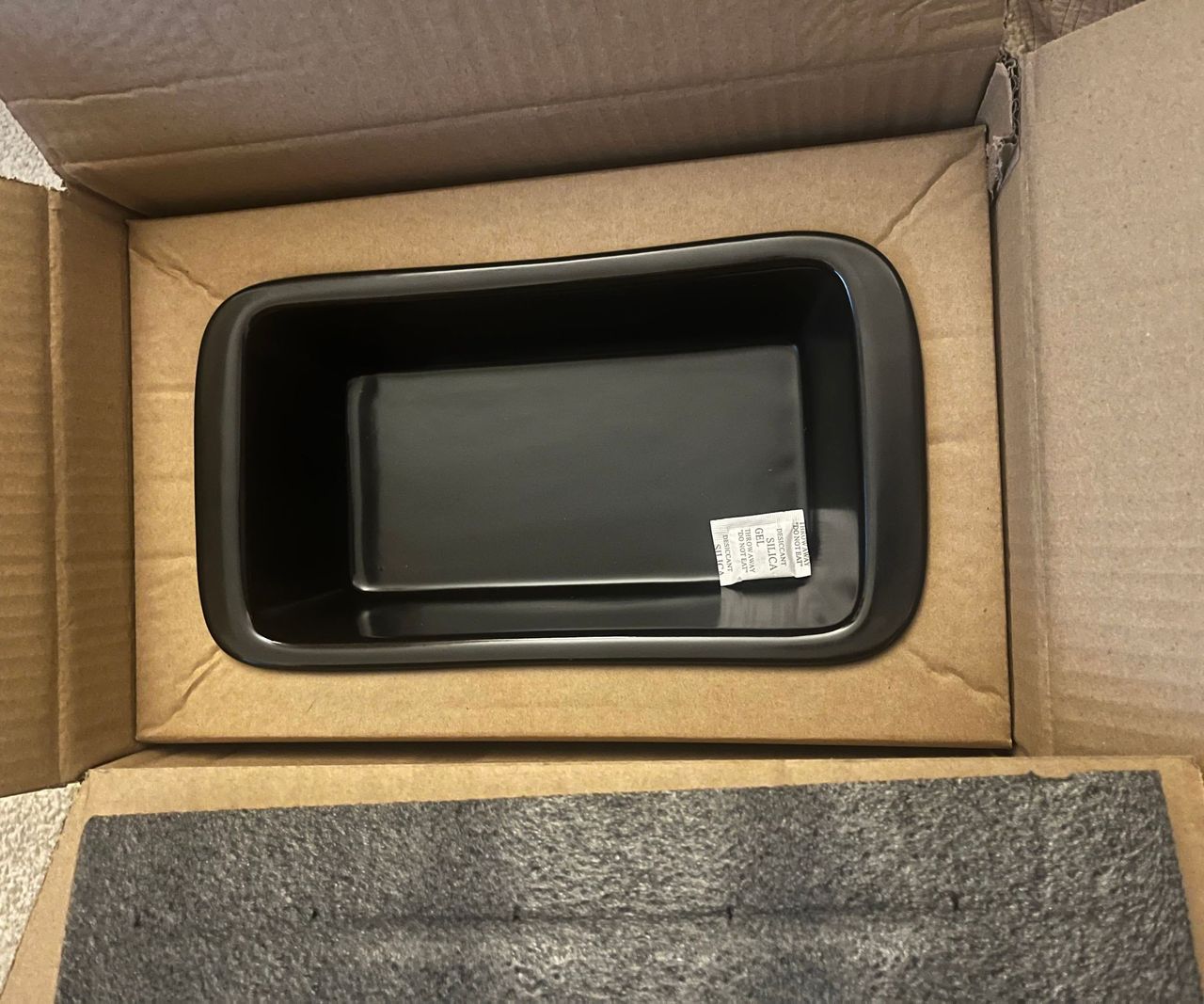
I reviewed the two-piece bakeware set comprised of the loaf tin and muffin tin. They arrived packaged neatly together with all cardboard packaging (minus the silica gel packets), which made it easy to dispose of.
The first thing I noticed is that these pieces are . They are still easy to pick up and move around (even with oven mitts), but they are far weightier than normal bakeware by virtue of being 100% ceramic, not just ceramic-coated metal. They ooze durability, which gives me high hopes for their longevity. A lot of metal bakeware degrades over years of use, but I cannot see that happening with this set.
With a quick rinse, they were ready to use.
The included instructions do warn that ceramic bakeware may require some experimentation with cooking times and temperatures to achieve the same results as metal bakeware, and I can testify that this is true. You cannot pick up ceramic and expect the same perfect results as a regular baking tin the first time round.
100% ceramic is very thick, which means it takes a lot longer to heat through than something like ceramic-coated aluminium, which most non-toxic bakeware favors. This fact became very apparent in my first two muffin tests.
I tested the tray with both cake cases and without to see how easily the muffins would release. However, for the first two tests, this was the least of my worries. The first two batches came out with flat, glossy tops and exploded edges. At first, I thought I had baked them too close to the top of my oven, but lowering them to the middle did nothing to fix the issue. I realized that because the ceramic was taking so long to warm through, the tops of the cakes were baking before the middles could rise. This meant no classic domed top.
For the final batch, I preheated the muffin tin, putting it in the oven as it warmed up before adding the cases and batter. This time, the muffins rose perfectly, with the exception of the two without cases. These, due to the hot melted butter I had applied to prevent sticking, rose more like Yorkshire puddings with high edges. They were deliciously crisp, however, and released easily with a delicate twist once they had cooled. I made a mistake on an earlier test of trying to remove the case-less cakes too soon, and they ripped. Patience is paramount.
The good news is that on every test, the cakes did bake through perfectly. There were no undercooked centers and burnt edges; it was simply the presentation that suffered. Going forward, I think preheating and using cake cases is the optimal setup.
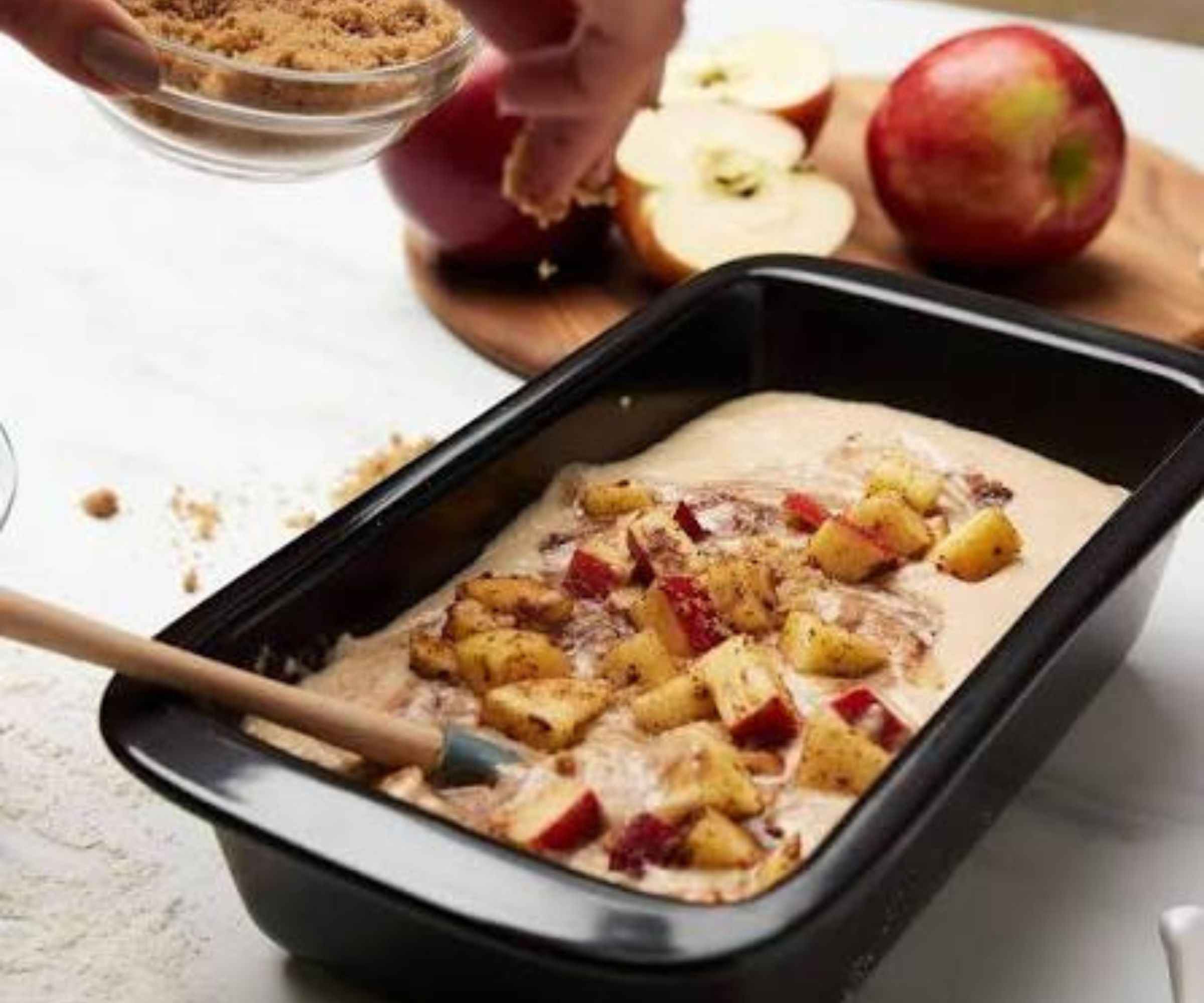
Having learned from my mistakes with the muffins, the loaf tin was simpler to use. I preheated and lined the tin with parchment paper. The cake rose very evenly (more so than my usual metal tins) and developed an even golden exterior. The inside was baked to perfection (I did cover it with aluminium foil halfway through, as I usually do), and the cake was wonderfully fluffy.
Cleaning the ceramic bakeware was simple. Although it is not naturally non-stick, I had no problems when hand-washing these dishes, with any baked-on batter and grease coming away with a soft sponge and gentle dish soap. They are also dishwasher-safe, if you prefer.
Storing the Xtrema bakeware is easy, too, as they are durable and scratch-resistant, meaning you don't have to worry too much about stacking them in cabinets. Xtrema does recommend keeping the tins separate to avoid chipping, but a simple cloth between them should do the trick if you are low on space.
What Do Shoppers Say About the Xtrema Ceramic Bakeware?
Shoppers love the Xtrema bakeware, with no reviews below three stars. Reviews across the bakeware collection praise the durability, craftsmanship, and the peace of mind it offers by being non-toxic. One shopper even goes so far as to call it the 'best bakeware ever.'
Another shopper points out in their five-star review that they use the dish in their oven and air fryer, highlighting the versatility. Because the ceramic bakeware does not have a metal core, it is one of the most versatile options on the market and is even safe for use on BBQs and grills come summertime.
My Verdict: Should You Buy The Xtrema Ceramic Bakeware?
Overall, I would recommend the Xtrema Pure Ceramic Bakeware for home bakers looking for versatile, durable pieces that eliminate potential toxins.
It is a little more effort to use compared to something more traditional, such as the Caraway non-toxic bakeware I reviewed previously; however, this feels far more hard-wearing and delivers slightly more even, crisp results when used correctly.
It is arguably best suited to more experienced bakers who have mastered the basics and know what to expect from their recipes, so that they can adjust cooking times and temperatures for perfect results, especially at the higher price point of $160 for the two-piece set (at the time of writing). It is an investment for your kitchen, but one that is sure to last for decades to come.
How We Test Bakeware at Homes & Gardens
The best bakeware ticks all the boxes: Delicious results, even heating, and a pretty presentation.
You can read more details about how we test bakeware here at , including how long we vet each piece for and specifically which recipes we trial.
I test all bakeware in my own home under real-world conditions – I choose items with non-toxic, non-stick coatings, such as ceramic, to limit PFAS exposure in my cooking. Then, I test pieces using recipes that I have used for years, so I know what results to expect to see, where pieces succeed, and where they could be better.
Finally, the pieces need to be easy to clean so I am not stuck scrubbing for ages when my feet already ache and dishes have piled up.
From other bakeware favorites to essential care tools, I have rounded up a selection of pieces I love in my kitchen.
All prices were correct at the time of publishing.
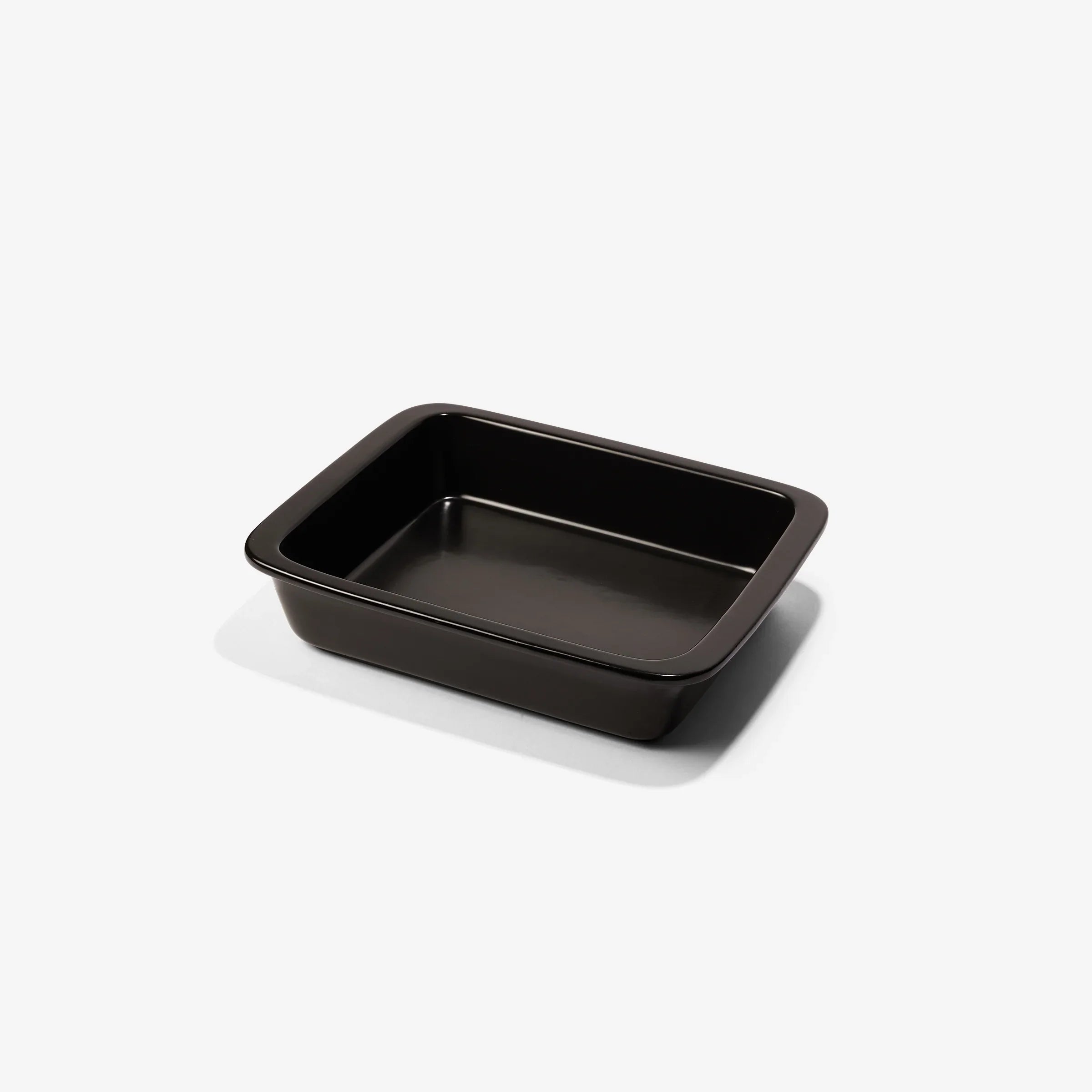
Unlike metal or non-stick cookware, pure ceramic does not leach heavy metals or unwanted toxicants into your food. With Xtrema backing dishes, you’ll never find Teflon, PFOA, PFAS, non-stick coatings, or a metal core.

The Plus model comes with an integrated bowl light, precision speed control, a double-flex edge beater, and stainless steel accessories. Whether you run a baking business or bake casually on the weekend, it is an upgrade any baker will be thankful for.
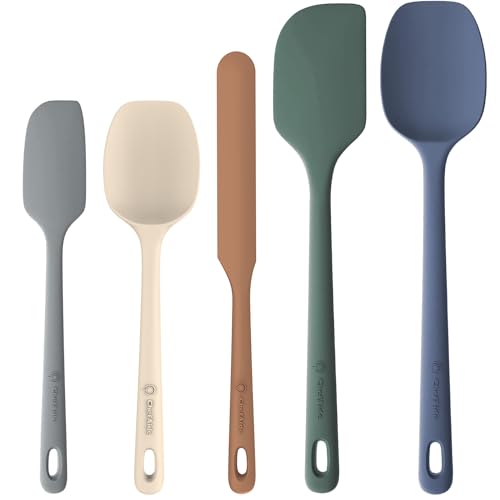
Ideal for everything from mixing to icing to scraping the bowl clean, this set of five silicone spatulas is the perfect non-toxic upgrade for home baking. They are damage-free, too, preventing scratches on stainless steel, enamel, and ceramic bakeware.

Swedish Dishcloths for Kitchen Dish Towels
Sponge cloths are ideal for delicate cleaning tasks. They are also plant-based, meaning they are free from plastics and decompose in compost heaps in around 10 months, making them an eco-friendly, hygienic alternative to traditional sponges and paper towels.

Approved by the Environmental Working Group as non-toxic, this gentle dish soap is perfect for caring for delicate pans and bakeware without the risk of toxic residue.
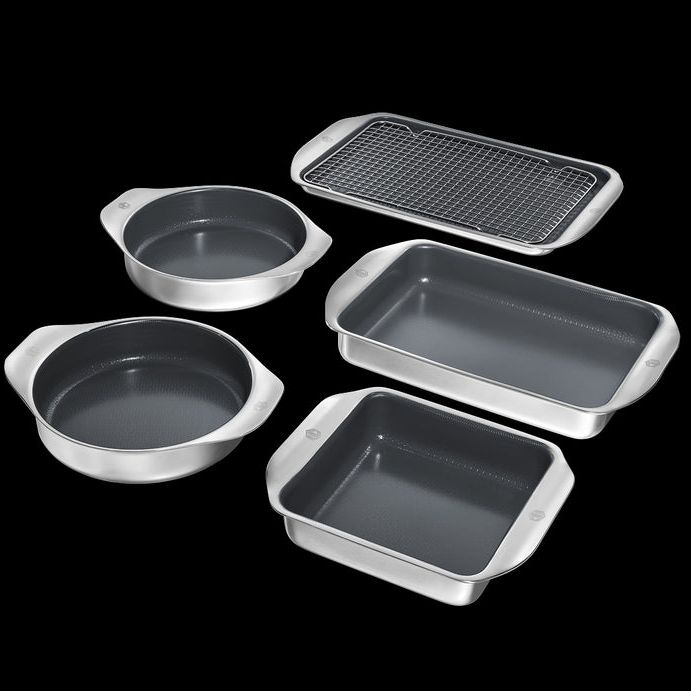
I also recommend checking out the Falcon Enamelware Bake Set for another heritage option designed for sweet and savoury cooking.
Love the latest product news and helpful shopping advice? Sign up for our newsletter and get the latest features delivered straight to your inbox.