While it's fair to say that hummingbird migration has reached its conclusion across much of the U.S., not all of these curious creatures follow the same schedule. There are regions across the south, west – and even some in the north – where resident species remain and others overwinter.
Gardeners in California, Arizona and parts of the Pacific coast may be accustomed to visits from the Anna's hummingbird – which can even be found as far north as British Columbia. Those along the Gulf coast and other southern spots may still spot Rufous, Allen's, Costa's and other varieties.
The ways to attract hummingbirds to your yard in winter can differ slightly from the hotter months. Although, these winged wonders will still be in search of food, and shelter in bushes like this Holly shrub from Trees.com. Discover what hummingbirds need in November according to ornithology experts.
Which Hummingbirds Remain in The US In Winter?
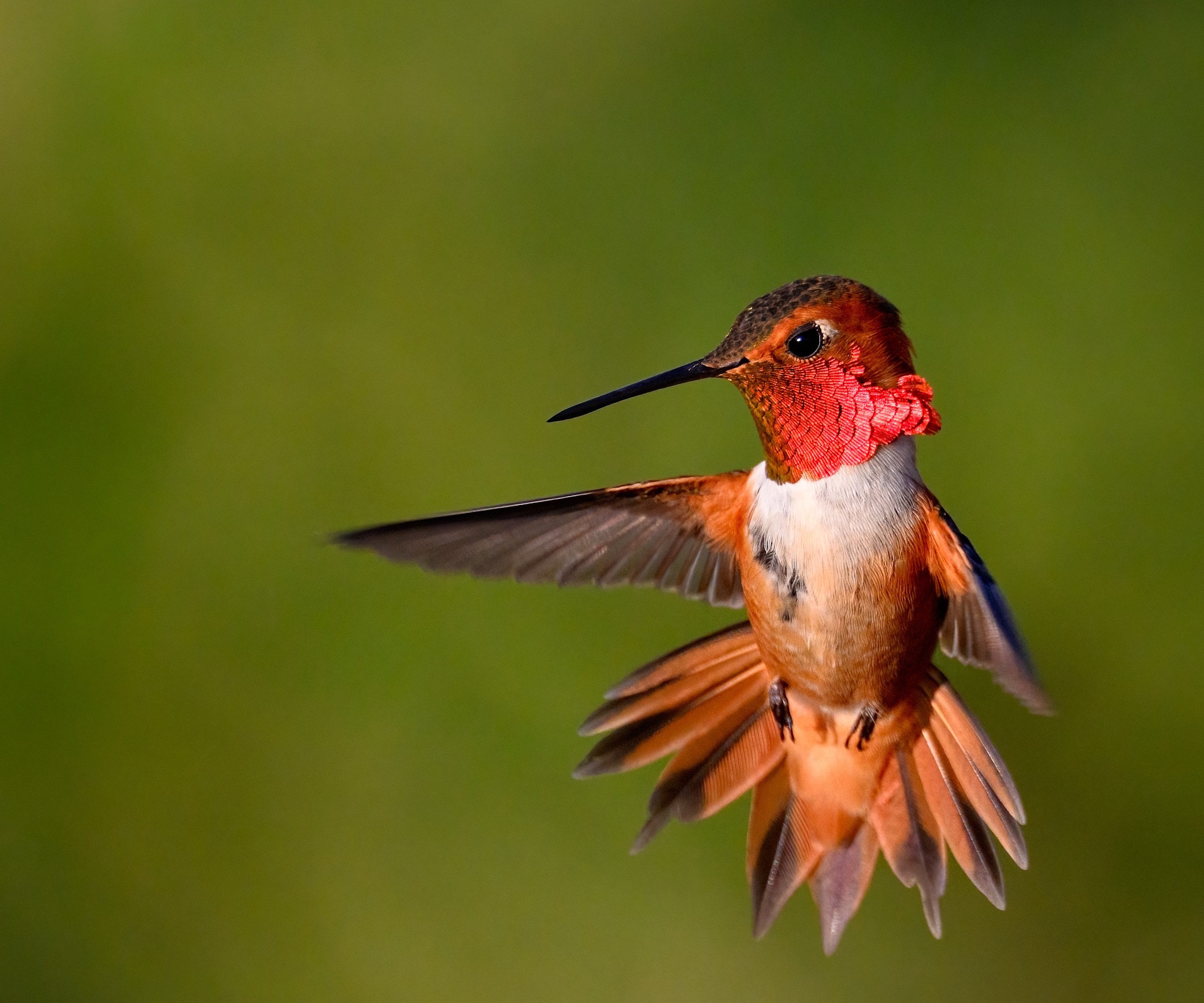
There are a number of hummingbirds species that remain in the U.S. throughout the fall and winter months – and they are showing up in increasingly wider areas. Aside from the odd migratory straggler, any sightings are most likely to be these resident species.
'Three species can be found year-round in the west: the Anna's Hummingbird Costa’s Hummingbird and Allen’s Hummingbird explains Alice Madar, executive director, the International Hummingbird Society.
'Anna's Hummingbirds are arguably the toughest of all hummers: they thrive year-round in parts of Arizona and along the west coast from Baja California to British Columbia.'
'For much of the South, November is actually when winter hummingbird season begins,' says Bethany Sloan, owner, Pop's Birding. 'Anna's have spread inland too. Boise State’s Intermountain Bird Observatory has documented Anna’s living year-round in Idaho, mostly in urban areas.'
Sign up to the Homes & Gardens newsletter
Design expertise in your inbox – from inspiring decorating ideas and beautiful celebrity homes to practical gardening advice and shopping round-ups.
These birds also reach New Mexico, and Audubon’s Christmas Bird Count has recorded them wintering in southeast Alaska in growing numbers. 'In our analysis of eBird data, Anna’s turns up on about one in four birders’ checklists across Washington in November,' says Bethany.
The bulk of the Costa's population migrates a short distance between the southwestern U.S. and Mexico. 'Some Costa’s Hummingbirds reside year-round in the low deserts of Southern California, Nevada, and Arizona,' says Alice.
'Allen’s Hummingbirds have two distinct populations: one spends winter in Mexico, while the other lives year-round in coastal Southern California and the nearby Channel Islands.'
Across the Gulf Coast and the Southeast, something different happens. 'Western hummingbirds arrive in Texas, Louisiana, Mississippi, Alabama, Florida, Georgia and the Carolinas to spend the winter instead of flying on to Mexico,' explains Bethany. 'Most are Rufous Hummingbirds, joined by Black-chinned, Calliope and a few others.
'Smaller numbers of Rufous show up in late fall and winter as far north as Virginia, Maryland, Tennessee, Kentucky and Arkansas, where state bird records committees no longer treat them as rarities.
'Buff-bellied Hummingbirds live year-round in south Texas,' continues Bethany. 'Unusually for a hummingbird, some head north instead of south for the winter, settling along the Gulf Coast into Louisiana and, sometimes, as far east as Florida. A few Broad-billed Hummingbirds also stay in southeast Arizona into fall and winter.'
A small number of Ruby-throated Hummingbirds, the familiar eastern hummingbird, also stay through winter in Florida, along the Gulf Coast and up the Atlantic coast into the Carolinas.
'Farther north, a November hummingbird is usually a late traveler rather than a winter resident, says Bethany. 'Rufous show up in November everywhere from Ohio to New England, but our data shows them mostly gone by December.'
Spot exactly which species is visiting your yard with these Bushnell binoculars from Ace Hardware.

Alice Madar has been Executive Director of The International Hummingbird Society since September 2023. Having demonstrated a deep commitment to conservation, hummingbirds, and the Sedona Hummingbird Festival as well as a talent for leading a non-profit, Alice was a natural fit.

Bethany Sloan is Owner and General Manager of Pop’s Birding, a family-run hummingbird company in Idaho Falls, Idaho, and has led the business since 2010. Pop’s makes the Original Hummingbird Swing™, invented by William “Pops” Sloan and the first hummingbird swing ever brought to market, along with feeders and nectar. Bethany oversees Pop’s Birding’s 50-state hummingbird guide series, built on state bird records committee checklists and eBird data.

With the fastest metabolism of any animal, all resident or remaining hummingbird species will be seeking food. These tiny creatures will of course, be scouting for safe places to shelter too. However towards the end of the month, some species may even start gathering nest materials.
'In November hummingbirds are focused on finding food,' says Alice. 'Flowers are generally less abundant and temperatures are cooler, but the intense energy demands of their high metabolism require constant nutrition.
'Breeding season is behind them and they have completed their post-breeding molt. Although Anna’s and Costa’s Hummingbirds will begin their breeding season soon, with nesting as early as December. So they may begin gathering nesting material such as spider webs and soft plant fibers.'
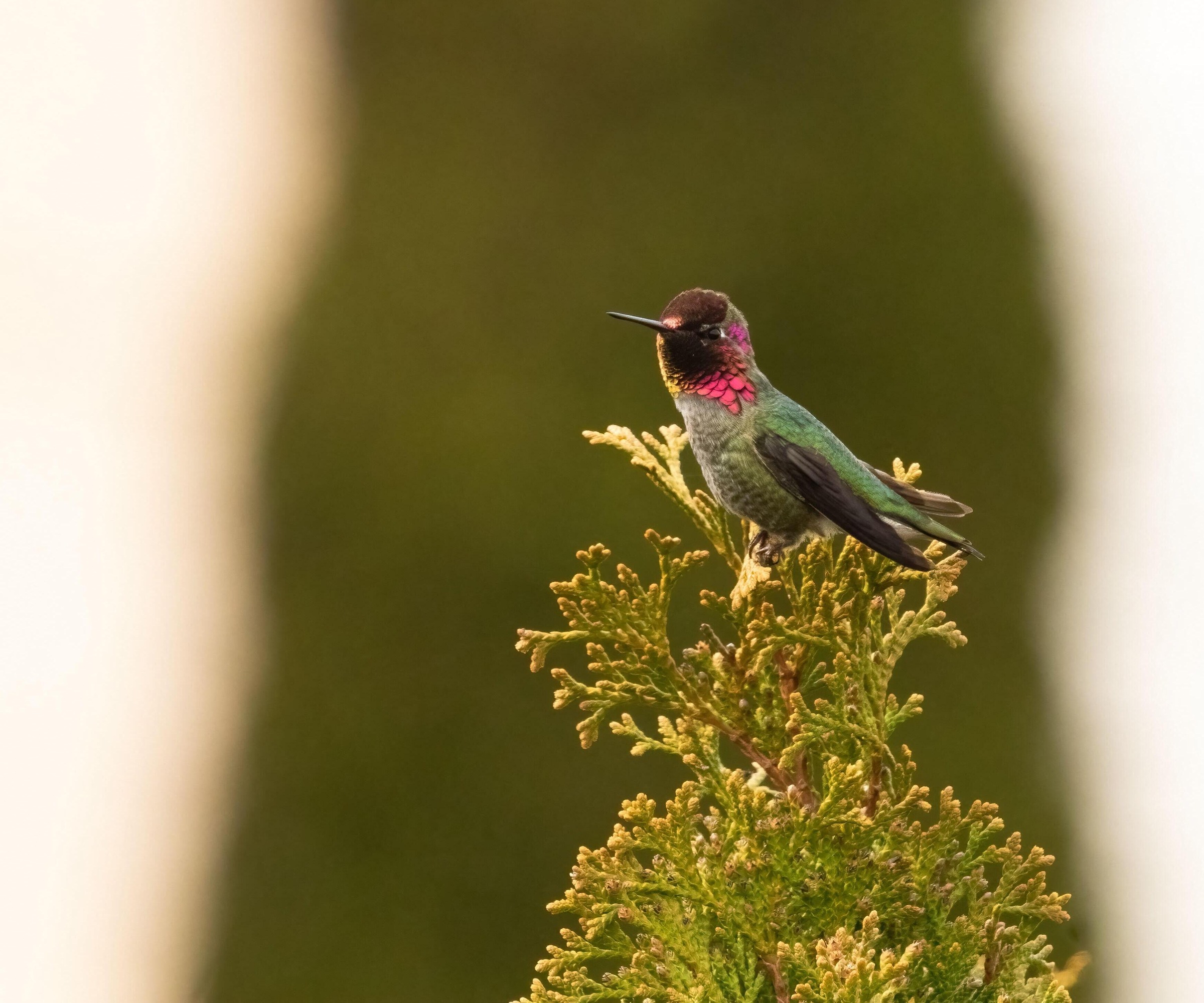
Shelter is essential for these industrious avians, and with deciduous trees losing their leaves in many places this month, native evergreen trees offer a refuge for resting and roosting. In warmer regions, where late season shrubs are still blooming, they can offer a rich nectar source too.
'Gardeners can support their resident hummingbirds by planting evergreen trees and shrubs that provide shelter, as well as shrubs that bloom late in the season, such as ' says Alice. 'You can also provide supplemental nesting material by hanging alpaca fiber or untreated cotton in your yard. It is important that the material be short-fibered, untreated, and of course pesticide free.'
This Cranberry Creek Boxwood from Plant Addicts can reach 4-5' tall and 3-4' wide and is suitable for zones 4-8.
'In Florida and the warmest parts of the Gulf Coast, firebush (Hamelia patens) is the standout shrub for hummers,' says Bethany. 'Turk’s cap (Malvaviscus arboreus var. drummondii) is native from Texas across the Gulf South.
'In Texas, autumn sage (Salvia greggii) blooms from spring through fall, often right up to frost. In the desert Southwest, plant chuparosa (Justicia californica), a native shrub that can bloom from fall into winter and again in spring.'
This Lime Sizzler Firebush from Plant Addicts is a lively addition with chartreuse foliage and flowers that last through fall.
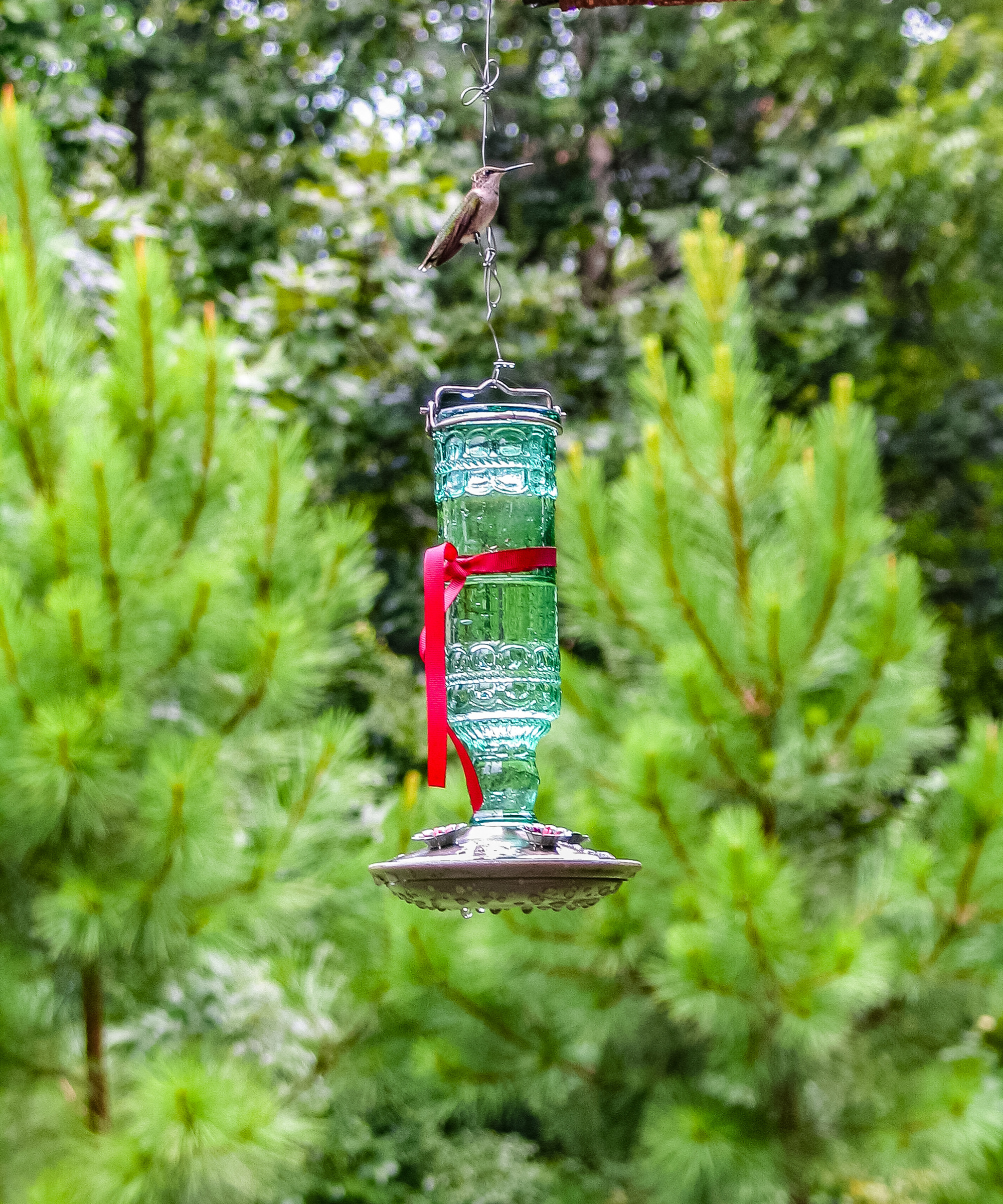
While many gardeners in the east and mid-west will have taken their hummingbird feeders down by now, those in areas with permanent residents and occasional sightings, such as the regions mentioned above, can continue to keep their feeders topped up with sugar water. As with other times of the year, avoid nectar solutions with red dye, as this may be harmful to hummers.
'If a hummingbird is still coming to your feeder in late November or December, keep it up and keep it filled,' says Bethany. 'That bird may well be settling in for the winter. Once a hummingbird is counting on your feeder, it’s important not to let it run dry.'
'Feeders filled with fresh nectar are a great supplemental nectar source in months where blooms are less abundant,' says Alice. 'Clean them thoroughly with a vinegar solution at least once a week and refill them with fresh nectar.'
This distilled vinegar from Ace Hardware can be used as a cleaning solution for bird feeders, as it's non toxic.
Regional differences:
On the West Coast and inland where Anna’s winter, plan for freezing nights. Birds Connect Seattle notes that a nectar mix will begin to freeze at around 29°F. 'Keep the usual mix of 1 part sugar to 4 parts water, and don’t make it stronger to keep it from freezing,' says Bethany. 'A heated feeder helps, or you can bring your feeder in at night and put it back out before dawn.'
'November is the month to watch closely,' says Bethany. 'A hummingbird at your feeder now may well be a western bird planning to stay, so keep fresh nectar out all winter.'
The Desert Southwest: 'Anna’s are your year-round neighbors, and some Costa’s and Broad-billed stay through the cool months too,' says Bethany. 'Keep feeders clean and filled – and plant winter-blooming natives alongside them.'
Everywhere else, experts suggest taking your feeder down around two weeks after you see your last hummingbird. 'However, if one turns up in November in the North or East, keep that feeder up,' says Bethany. 'It’s often a western species like the Rufous. Report it to your state wildlife agency, your state’s bird club or a local hummingbird bander.'
This heated winter feeder from Lowe's keeps liquid nectar mix from freezing.
Wherever you are, change your nectar every two to three days, just like the rest of the year, and clean heated feeders more often.
Switch To A Winter Feeder Or Have A Back Up Option
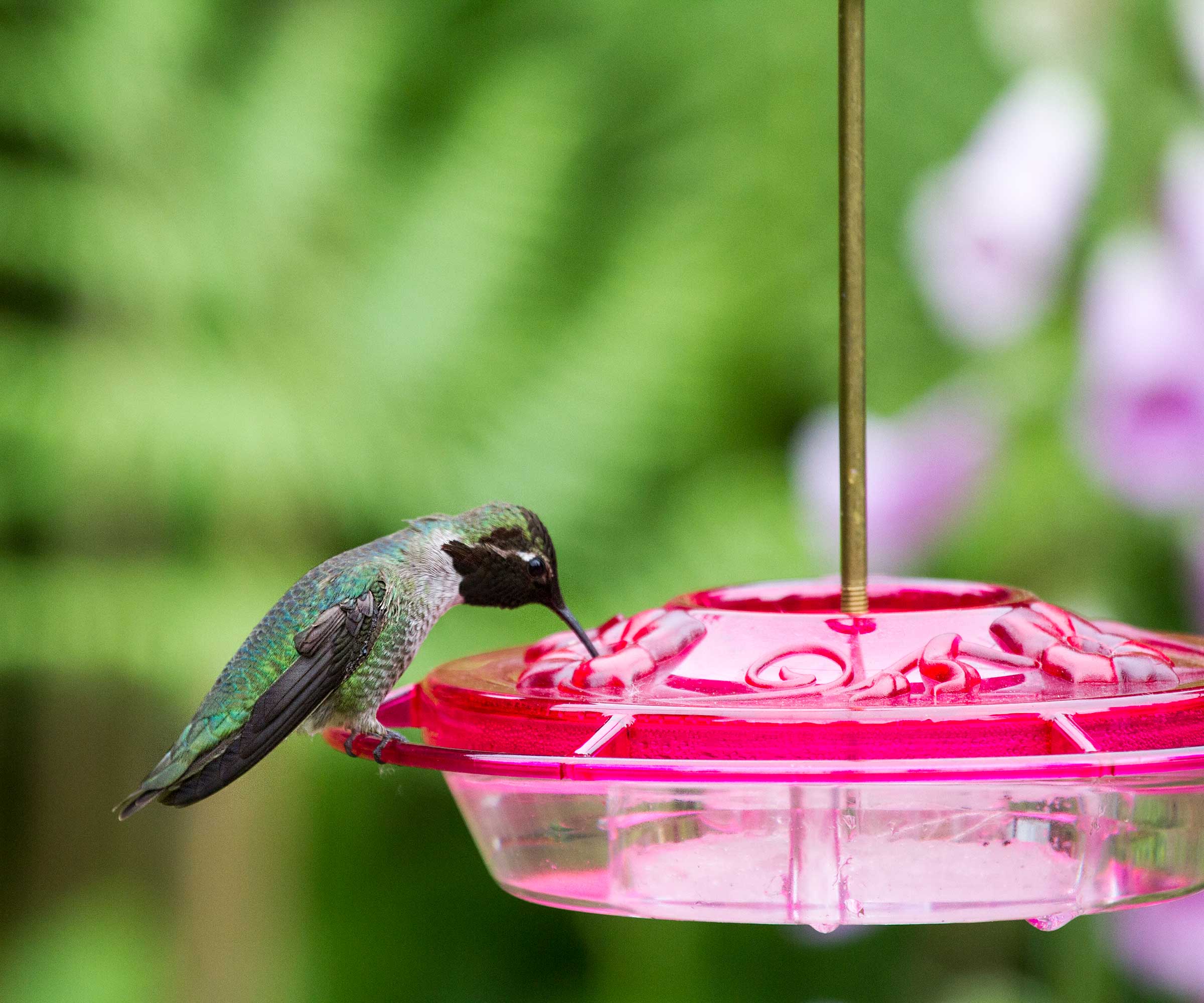
In regions where temperatures dip below freezing overnight, there are a few ways to keep a reliable source of nectar available to visiting hummers.
'The first feed of the day matters most,' explains Bethany. 'A hummingbird has fasted all night, so having thawed nectar ready about 30 minutes before sunrise is ideal. Hummingbirds can drop into torpor, slowing their bodies way down to save energy on cold nights.'
If you bring your feeder in on cold nights, get it back out early but don’t panic if you find a hummingbird sitting still and fluffed up on a cold morning. The National Park Service advises leaving a torpid bird undisturbed.
'If you’re shopping for a winter feeder, a heated one is worth a look as nectar stays thawed day and night,' says Bethany. 'If you’d rather not use a heater, consider a saucer-style feeder, as they don’t leak through freeze-thaw cycles.'
Experts also recommend keeping a second feeder indoors at room temperature too. 'On a hard freeze you can swap it for the frozen one every couple of hours,' says Bethany. 'Hang feeders somewhere sheltered from the wind, since nectar freezes faster in a breeze. And keep a perch close by. Hummingbirds rest near good food and guard it from nearby perches, so we like to give them a comfortable spot to sit right beside the feeder.'
This hanging hummingbird feeder from Lowe's has an easy to clean and fill saucer and is made from weather-resistant plastic.
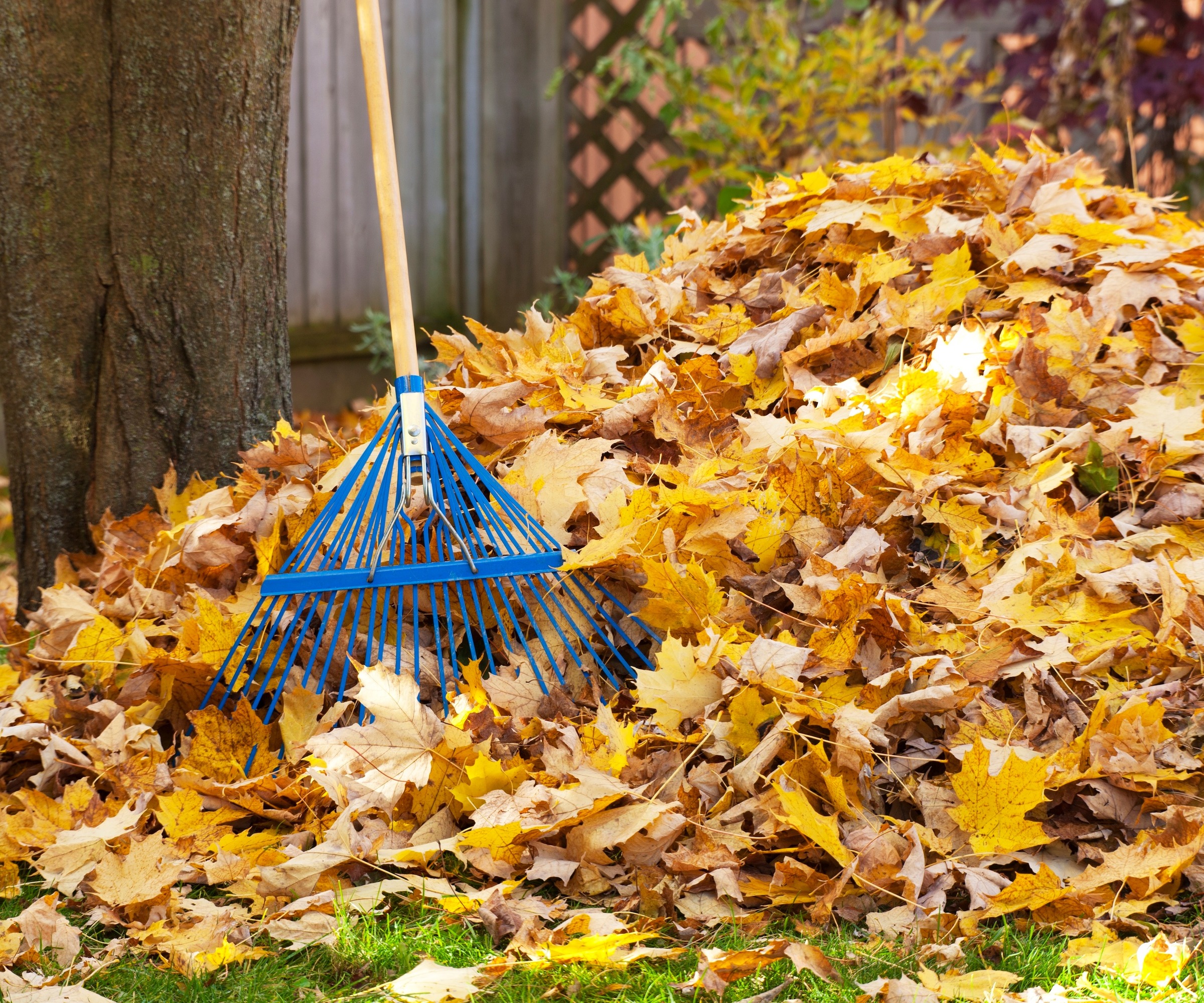
Many small birds feed on bugs in brush piles and leaf litter during the fall, and hummers are no exception. Although, rather than foraging on the ground, hummingbirds tend to catch insects in flight. Leaving natural debris offers vital sustenance to these fast-movers and other feathered friends.
'In addition to nectar, hummingbirds consume tiny insects and spiders, which are essential sources of minerals and protein,' says Alice. 'Leaf litter and brush piles support adult insects, as well as overwintering eggs and larvae that are part of a healthy backyard ecosystem.
'Leaving spider webs to remain in some areas of your yard, avoiding pesticides and allowing a bit of natural debris in your yard can really support these creatures.'
These leaf scoops from Lowe's are handy for gathering fallen leaves into piles in your yard.
'Insects are an important part of an adult hummingbird’s diet,' agrees Bethany. 'Skipping the pesticides and leaving some fallen leaves and spent plants in place over winter gives insects a place to live, and that helps birds find food.'
Provide A Slow-Moving Water Source
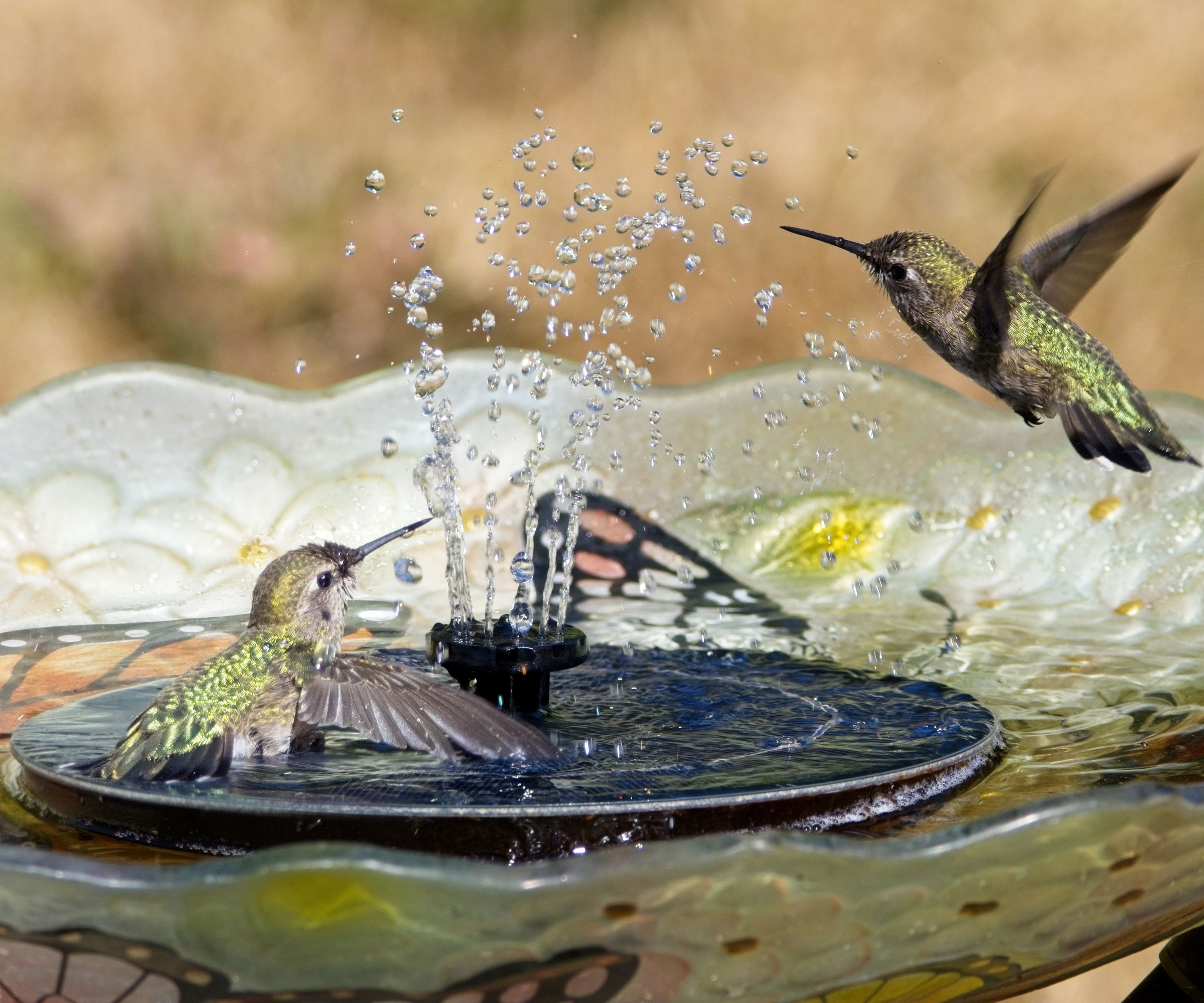
The weather is cooler, and in many parts the rain has returned, yet a shallow bird bath, fountain or water feature with a gentle spray is still a worthy garden accessory when it comes to hummers.
'Even in cold weather, hummingbirds like to bathe,' says Alice. 'Keeping a clean, slow-moving water source available through the winter is beneficial to resident hummers.'
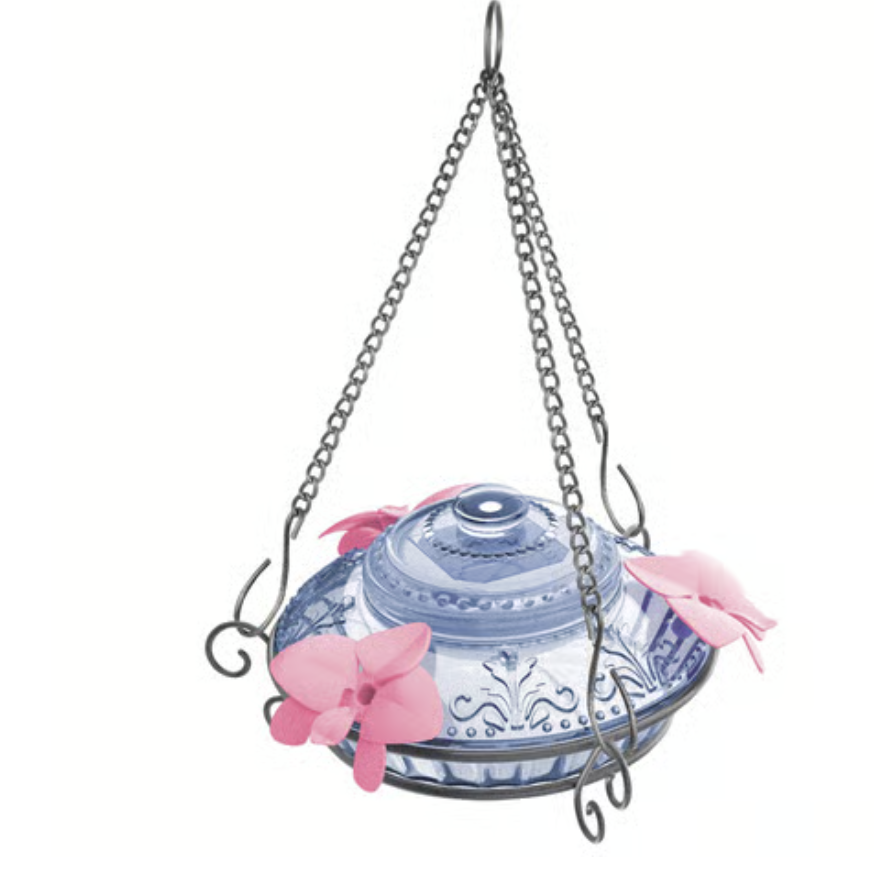
This glass hummingbird nectar feeder is easy to fill and clean, and has three feeding ports, designed for a leak-free fit.
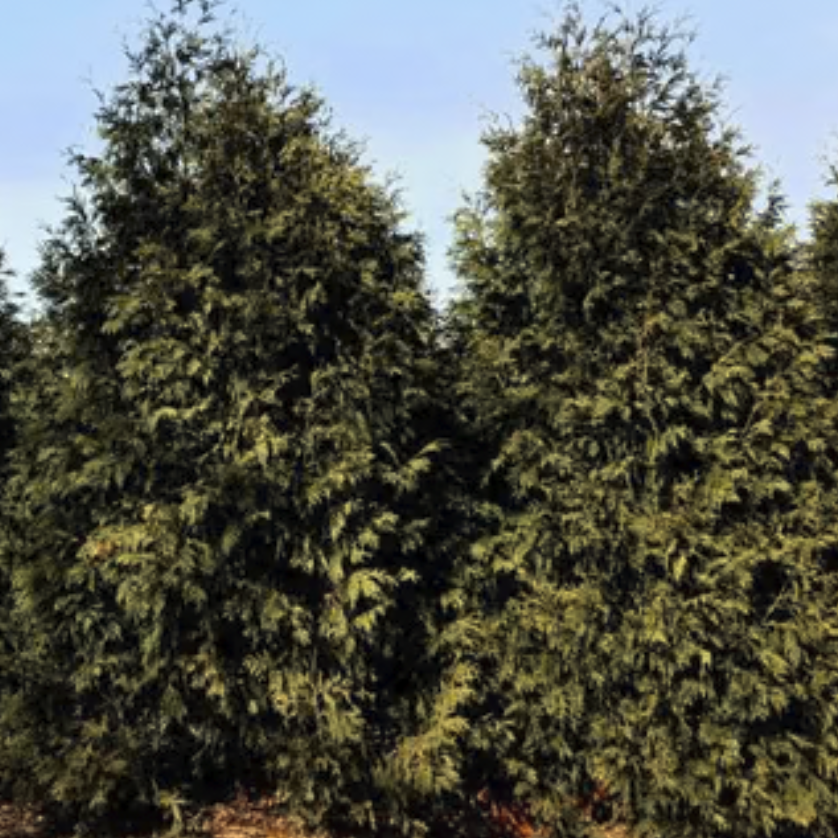
Techny Arborvitae ( is a low-maintenance, hardy evergreen conifer that thrives in zones 2-8.
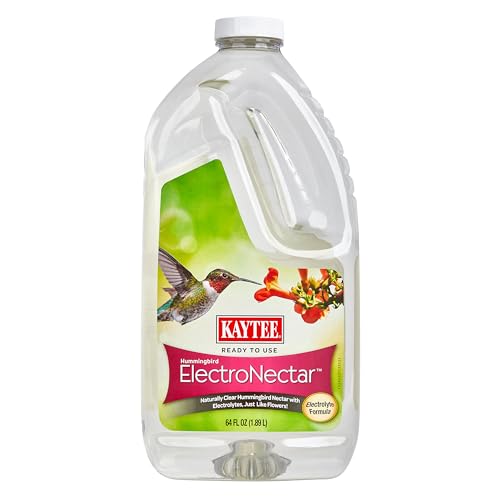
Keeping feeders topped up with hummingbird nectar will help these tiny birds when other food sources are scarce.
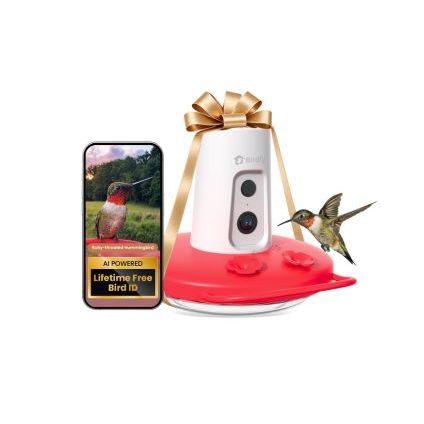
For the wildlife lover in your life, there is no better gift idea than a hummingbird feeder camera, allowing you to watch these ethereal creatures up close.
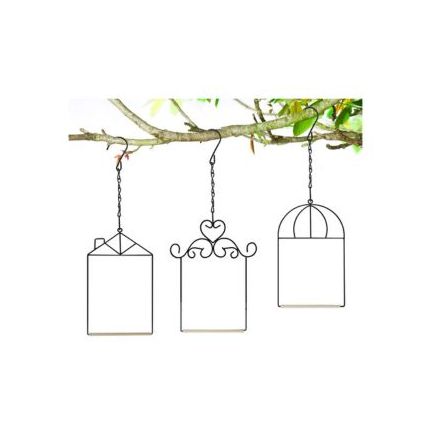
Hummingbirds love a perch to sit on where they can feel safe from predators. These swings look pretty, and will attract other garden birds, too.
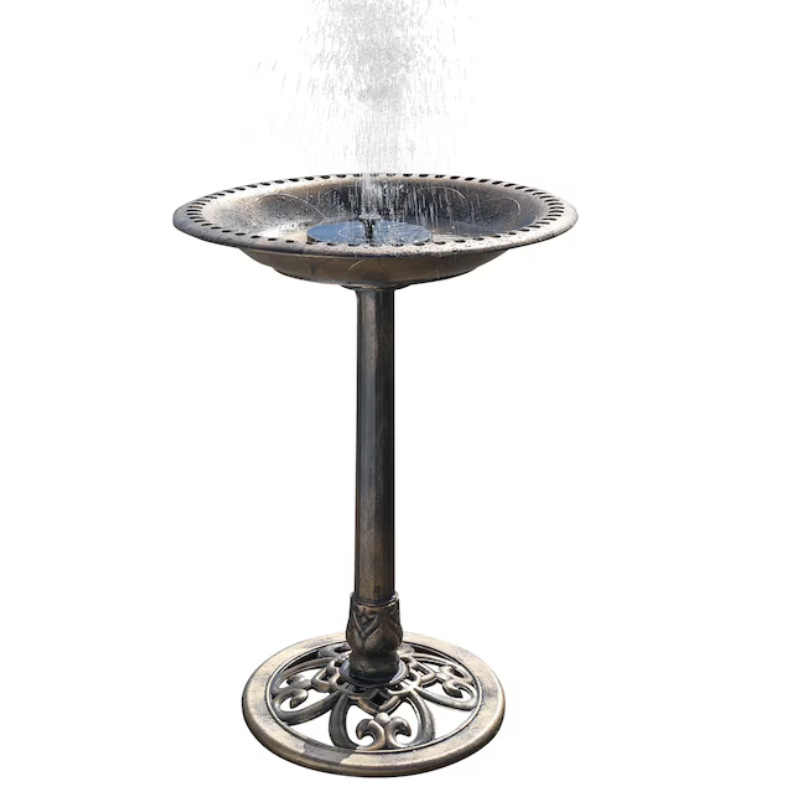
Made from frost-resistant resin, this solar-powered bird bath has a small fountain and can be staked into the ground.
The main focus for these tiny creatures is finding sufficient food and shelter, but if you live in a region not known for its resident hummers, it's good to record sightings with a local agency too.
'A winter hummingbird is worth reporting,' says Bethany. 'Georgia’s Department of Natural Resources asks people to report hummingbirds they see in winter so it can document them, and the Carolina Bird Club asks the same of anyone in the Carolinas who sees one between November and mid-March.'
Cornell Lab of Ornithology's FeederWatch program begins this month until April, where you can also record avian visitors to your yard.