One of the biggest misconceptions about interior design is that the project ends the moment the builders leave, the decorators pack up, and the furniture is delivered. In truth, some of the most important decisions are made right at the very end.
This week I am on site for one of those final installation days – always one of my favorite parts of a project, and always, if I'm honest, one of the most anxious. This is the point where things go wrong: something that worked on the plan doesn't actually work in the space, a piece arrives damaged, a problem surfaces that nobody could have pre-empted. After years of planning, drawing, sourcing and problem-solving, this is meant to be the moment it all comes together. Or at least, that's the hope.
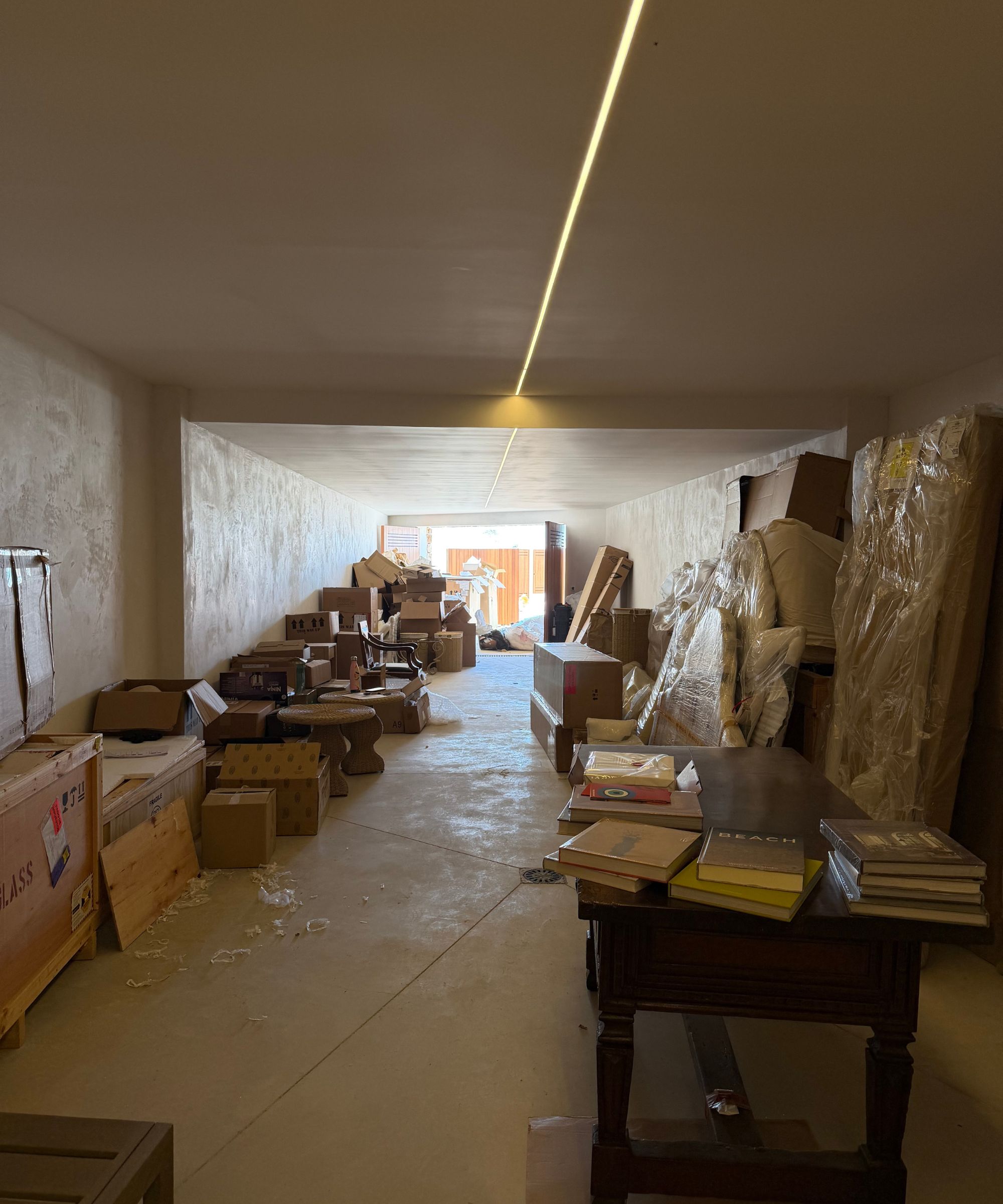
Installation days are rarely as tidy as people imagine. There are boxes everywhere, artwork waiting to be hung, furniture that needs shifting by a few inches, accessories to style, and countless decisions that simply can't be made until you're standing in the room itself. No matter how much planning goes into a project, there are always surprises. Yesterday gave me one of those moments.
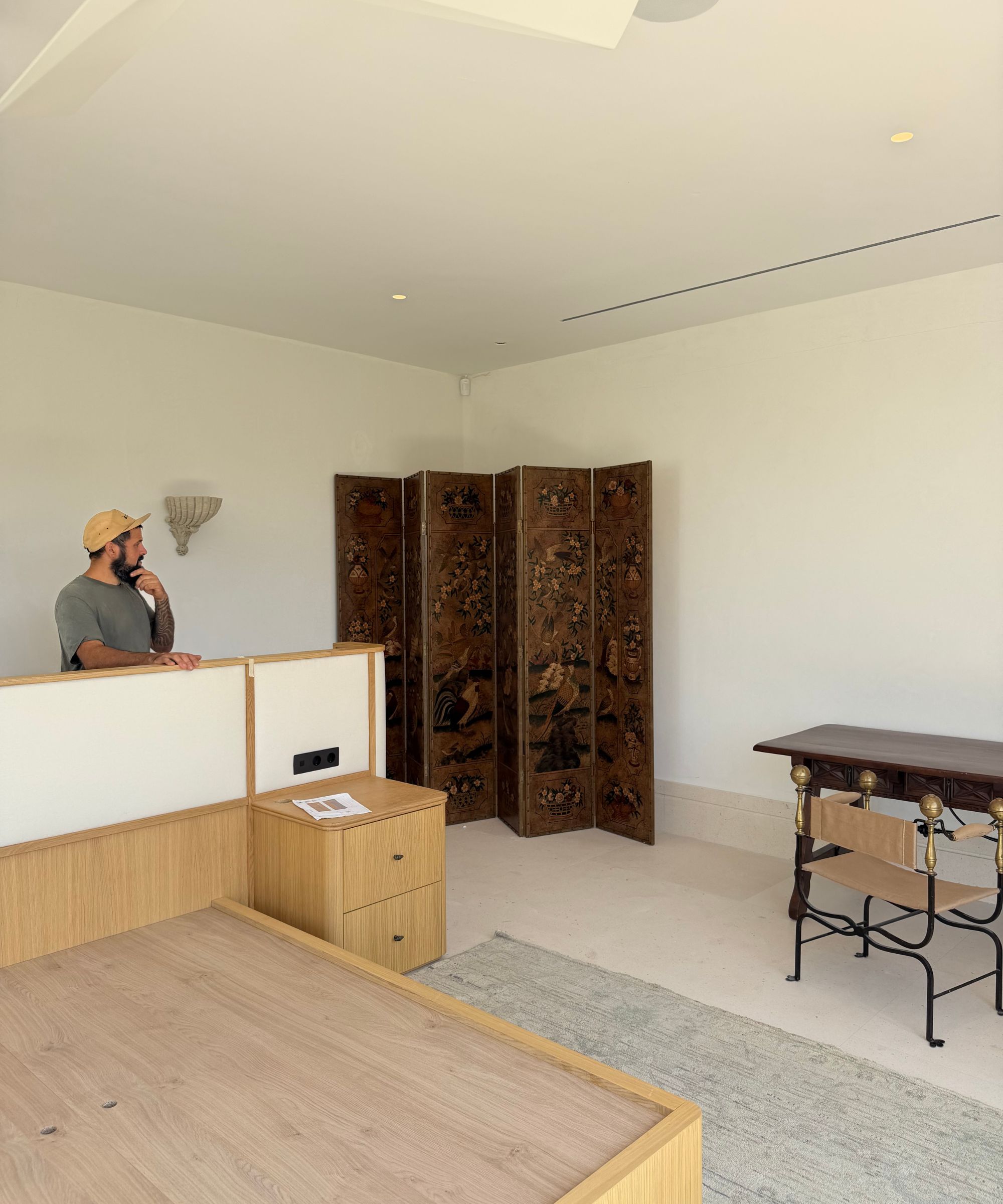
We had a beautiful Japanese vintage screen, originally chosen for our client's bedroom. As we began placing everything, my first concern wasn't how it looked but whether it was practical. The family has a young toddler, and I was concerned about how easily it would be for her to bump into it and for it to fall on her. My instinct was to move it to the living room instead; rather than standing free, we'd open it flat and mount it on the wall as a piece of art. Practically, it made sense. Aesthetically, its scale meant it could finally do what it was always meant to do – fill a wall and hold the room.
I suggested it. My client hesitated; she loved the screen, and she loved the idea of it in her bedroom. I was in Ibiza; she was in London. We FaceTimed, and I sent photos of both rooms. The moment she saw the screen held up against the living room wall, she said, 'There's nowhere else for it. It belongs here.' So instead of insisting, we talked it through together.
Once we stepped back and looked at the room as a whole, it was obvious she was right. The screen didn't just fit the living room – it completed it, adding height, softness, and a sense of balance the room would have lost had we moved it anywhere else. It was a good reminder that great design isn't about always being right. It's about staying open.
People often imagine designers arrive with a fully formed vision that never changes – that every item has its place long before installation day, and all that's left is to unpack the lorry and set things down according to plan. If only it were that simple. Interior design is constantly evolving. Drawings become reality. Colors behave differently in daylight. A piece that looked perfect on paper suddenly feels too dominant, or surprisingly restrained. Artwork shifts depending on what surrounds it. A chair meant for one corner somehow finds its true home somewhere else entirely.
Design expertise in your inbox – from inspiring decorating ideas and beautiful celebrity homes to practical gardening advice and shopping round-ups.
Sometimes the room tells you something you couldn't have predicted – and that's fine, once you're willing to pivot rather than force something to fit where it shouldn't. In fact, I'd go further: that willingness is often exactly where the magic happens.
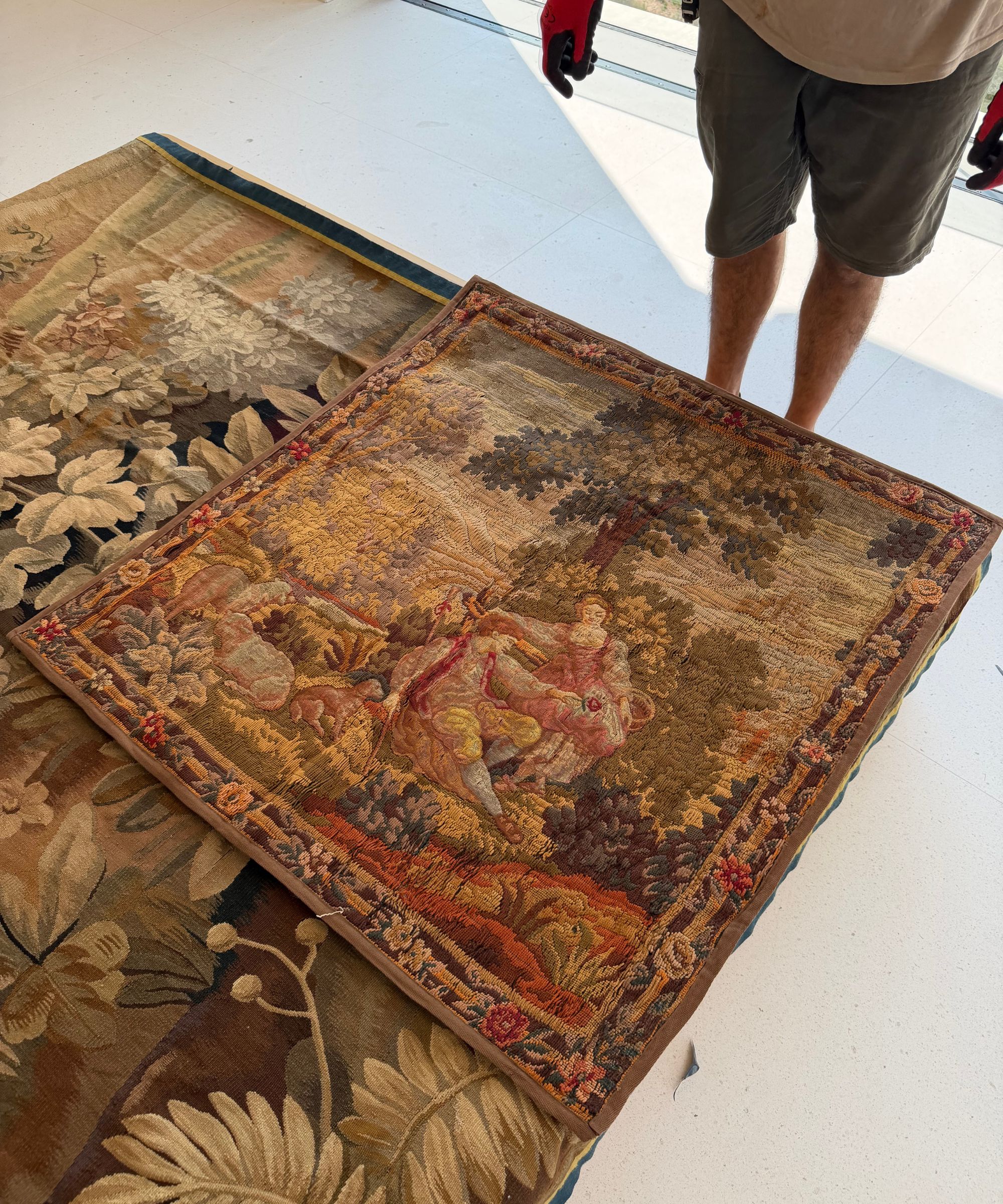
As designers, we're trained to plan meticulously. Every detail considered, every finish selected, every dimension checked and rechecked. Preparation is essential. But there's a point where planning must give way to instinct. A successful installation isn't about rigidly following a floor plan – it's about responding to the space in front of you. That takes confidence, but it also takes humility, knowing when to stand by a decision, and knowing when someone else – a client, a craftsman, or the room itself – is showing you a better one.
I've learned that the best projects are never the ones where every decision goes exactly to plan. They're the ones where everyone involved stays curious – where the client trusts the designer enough to explore other possibilities, the designer listens closely enough to recognize a good instinct when they hear one, and the trades bring ideas shaped by years of hands-on experience. Together, those conversations produce results none of us could have reached alone. Good design has far more in common with collaboration than control.
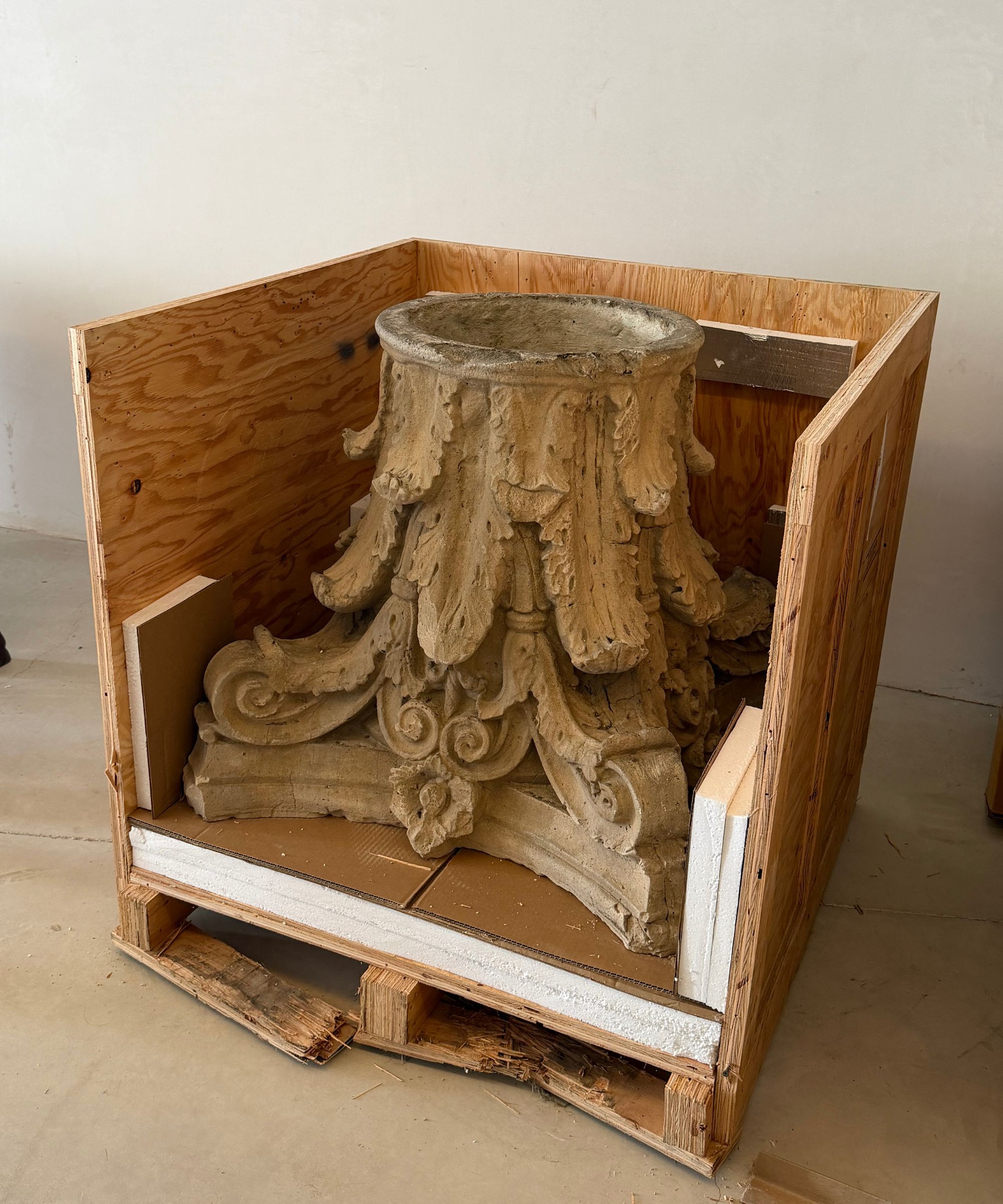
That's part of why installation days remain some of the most rewarding of my job. There's the satisfaction of watching years of work finally take shape, and the strange thrill of seeing, in real life for the first time, pieces you'd only known from a screen – often better in person than in any photo. But just as much, it's the team, people all pulling toward the same goal, problem-solving together rather than pointing fingers. That collaborative energy, when it's there, is its own kind of happiness.
To an outsider, it can look like we're simply arranging pillows and moving furniture. In reality, every object is being weighed against everything else. We shift a lamp because the evening light falls differently. We move a chair a few inches because the conversation area suddenly feels more natural. We take accessories away because the room doesn't need them, or add something unexpected because it does. Rarely does everything stay exactly as planned – and for me, that's not a sign the design has failed. It's proof the process is still alive.
Homes aren't static. They're lived in, shaped by the people who inhabit them, refined over time. The most memorable interiors never feel overly controlled or self-conscious – they feel effortless.
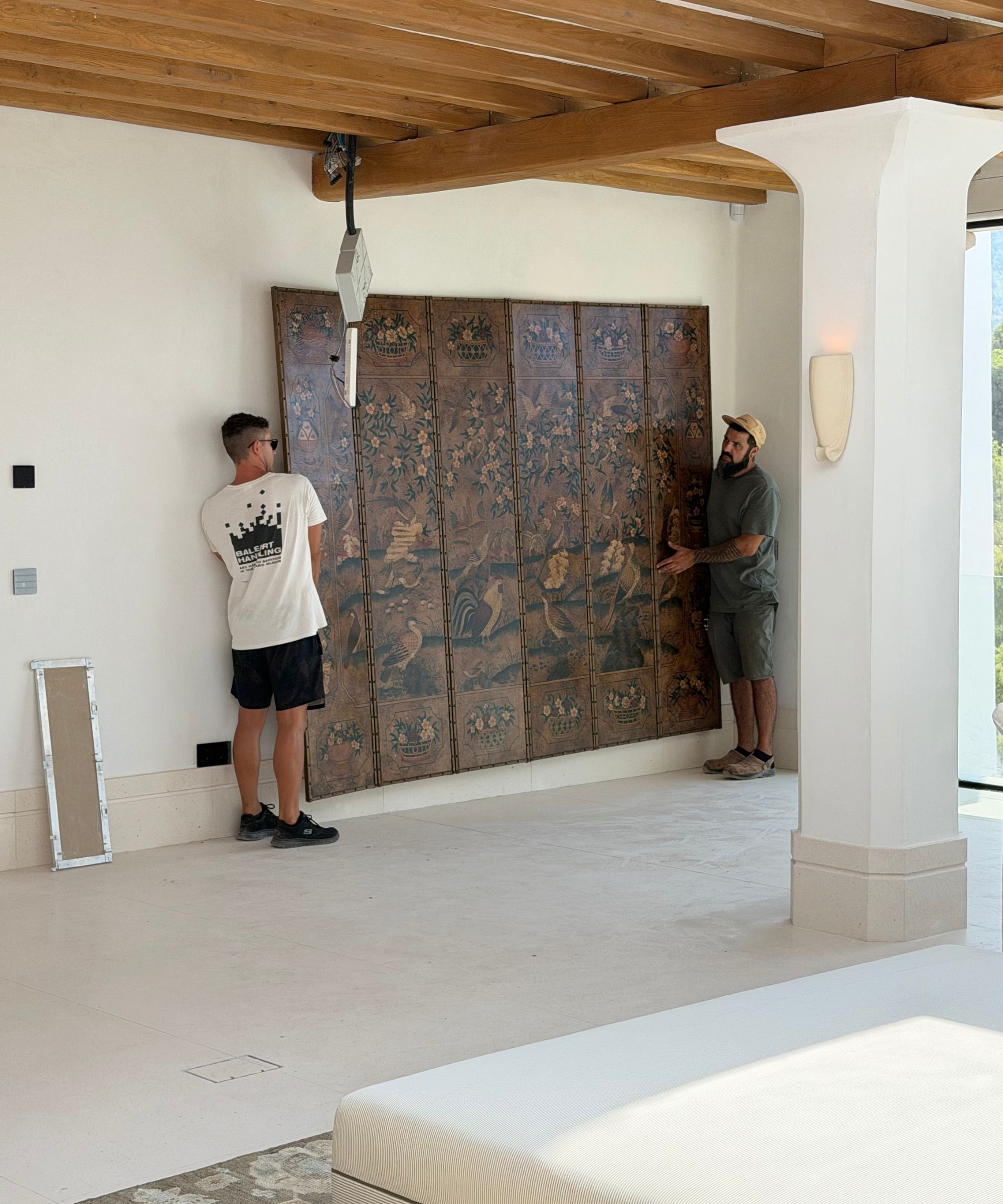
As I left site yesterday, I couldn't help smiling at that screen. Had we moved it as planned, the room would still have been beautiful. But by pausing to listen and reconsider, it became something better. Sometimes the best design decision isn't the one you made six months ago on paper. It's the one you're brave enough to make in the room.
However carefully we plan, there should always be room for a little flexibility, a little curiosity, and the occasional happy accident. More often than not, that's exactly where the magic lives.
Interior designer Katie Harbison is one of Homes & Gardens' Editors-At-Large for , where she shares her thoughts on decor. See the rest of her articles here.
Love beautiful design ideas, expert advice, and inspiring decor trends? Sign up for our newsletter and get the latest features delivered straight to your inbox.