A drip irrigation system is a great tool for watering plants in the warmer months. It can get neglected once the temperatures drop, though, and this can be a big mistake. It risks the system breaking or, worse, hitting you with a surprise repair bill.
You need to know when and how to winterize a drip irrigation system, as freezing temperatures can crack pipes, fittings, and valves. It can even result in large water leaks in your garden or home. To avoid this, any outdoor drip irrigation system should be shut down and drained before the first hard frost.
Winterizing any outside irrigation systems, such as drip irrigation and sprinklers, is an important part of overwintering a garden. I spoke with irrigation specialists about winterizing a drip irrigation system and the five key steps to follow.
Why You Need to Winterize a Drip Irrigation System
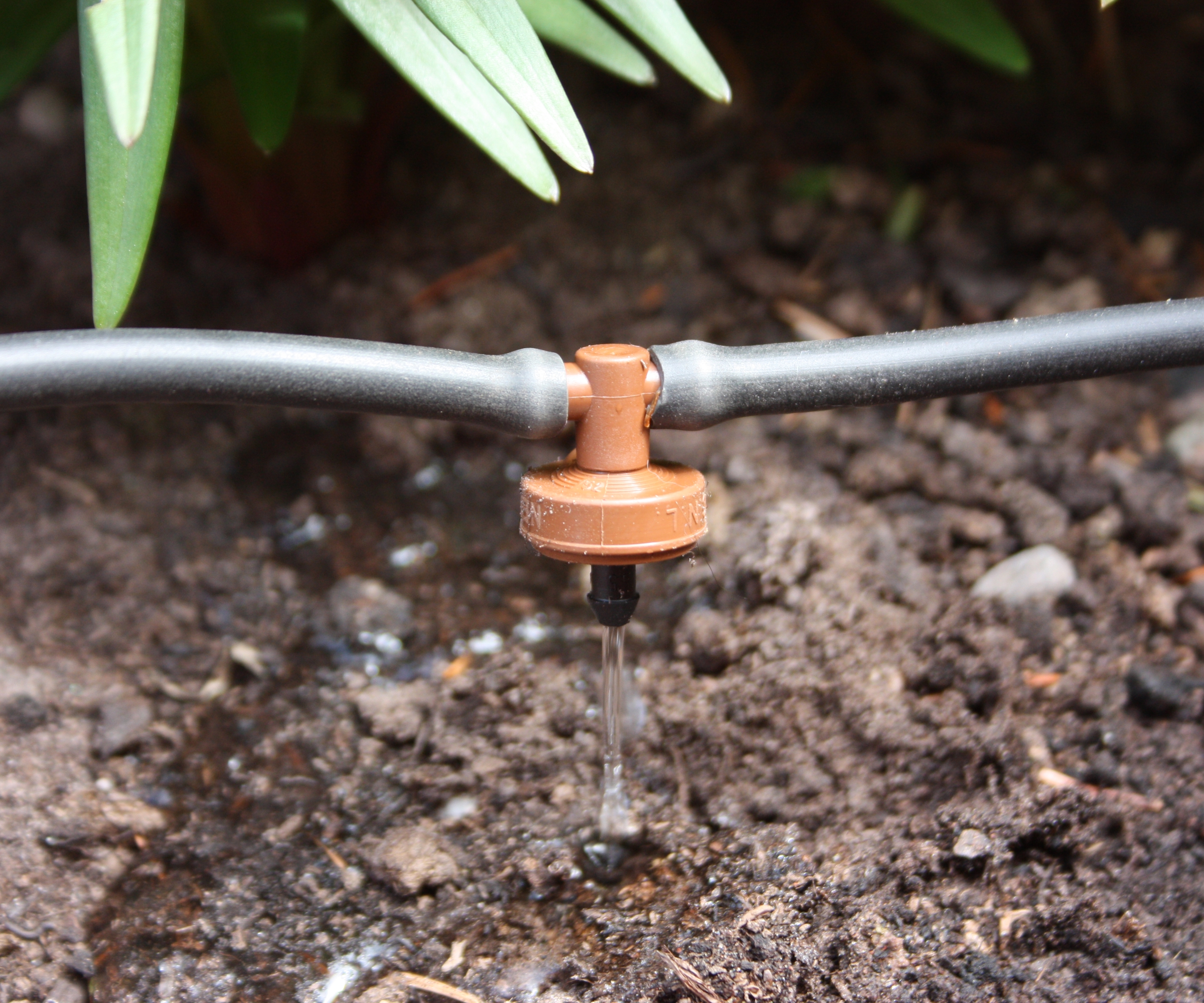
A drip irrigation system is an efficient way to reduce water waste in your yard while also watering your plants deeply. However, if you don’t winterize drip irrigation, you risk wasting water, damaging your system, and incurring a hefty repair bill.
Winterizing the system protects it from freeze damage, which can affect many different components.
‘Water left in irrigation lines or backflow preventers can freeze and expand, potentially cracking pipes, damaging valves, or causing backflow assembly failures,’ warns Heather Todd, brand president of Conserva Irrigation.
When the system is still connected to the tap and left full of water in winter, the damage can affect more than just the drip irrigation. It can extend into your garden or property.
Design expertise in your inbox – from inspiring decorating ideas and beautiful celebrity homes to practical gardening advice and shopping round-ups.
Justin Wilson, owner of American Irrigation Repair, highlights brass backflow preventers as ‘usually the first things to burst’ when cold weather hits. He adds: ‘If a pipe or backflow preventer freezes and bursts, you could end up having to shut off the water supply to your entire home to stop the leak.’
Properly winterizing the system prevents damage to your home or garden from frozen pipes, which can add up depending on the extent of the repairs needed. It also ensures that the drip irrigation system is ready to use again come spring.
You can get an industrial-grade insulated winter pipe cover on Amazon to protect pipes and backflow preventers from freezing.

Heather Todd is the Brand President of Conserva Irrigation, where she leads the brand’s strategic vision for growth while preserving and strengthening Conserva’s culture and commitment to excellence.
When to Winterize a Drip Irrigation System
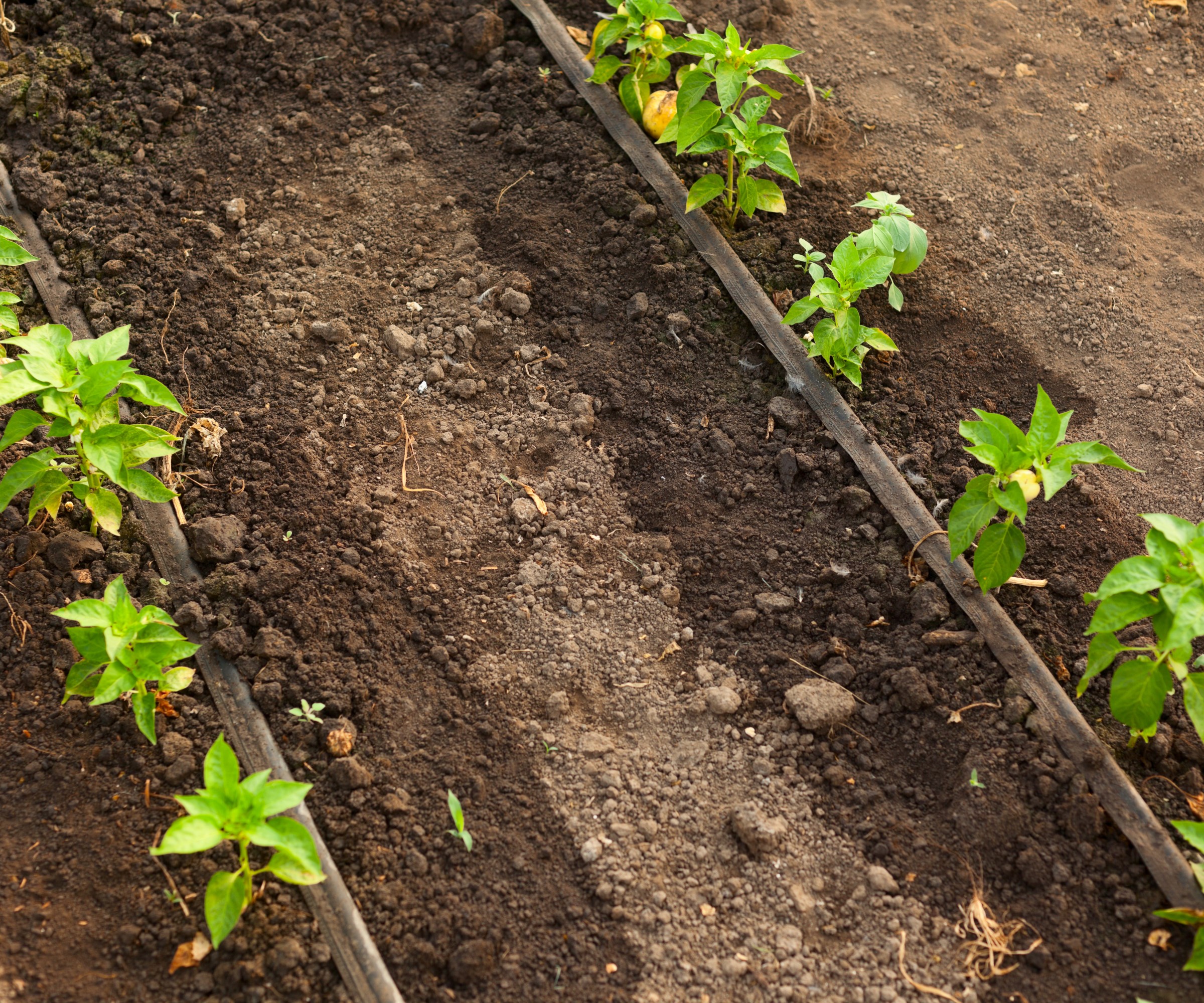
Be proactive and have your system drained and shut down for winter well before temperatures drop to a level that could damage it.
‘Ideally, you should winterize your irrigation system before the first freeze of the year,’ recommends Heather Todd.
Justin Wilson looks after irrigation systems in Central Texas, where the frosts hit late, and some years there are none at all. He says: ‘Our hardest freezes typically come in January and February. What I do is to watch the forecast and get ahead of those hard freezes.’
Monitor your local short- and long-term forecasts to get ahead of the frosts. A digital weather station, like this one on Amazon, can be installed, and sensors can be put in the garden to provide current information and forecasts for your location.

Justin Wilson, the owner of American Irrigation Repair, is an entrepreneur, mentor, and industry leader with a passion for helping new business owners and developing skilled technicians from the ground up.
How to Winterize a Drip Irrigation System in 5 Steps
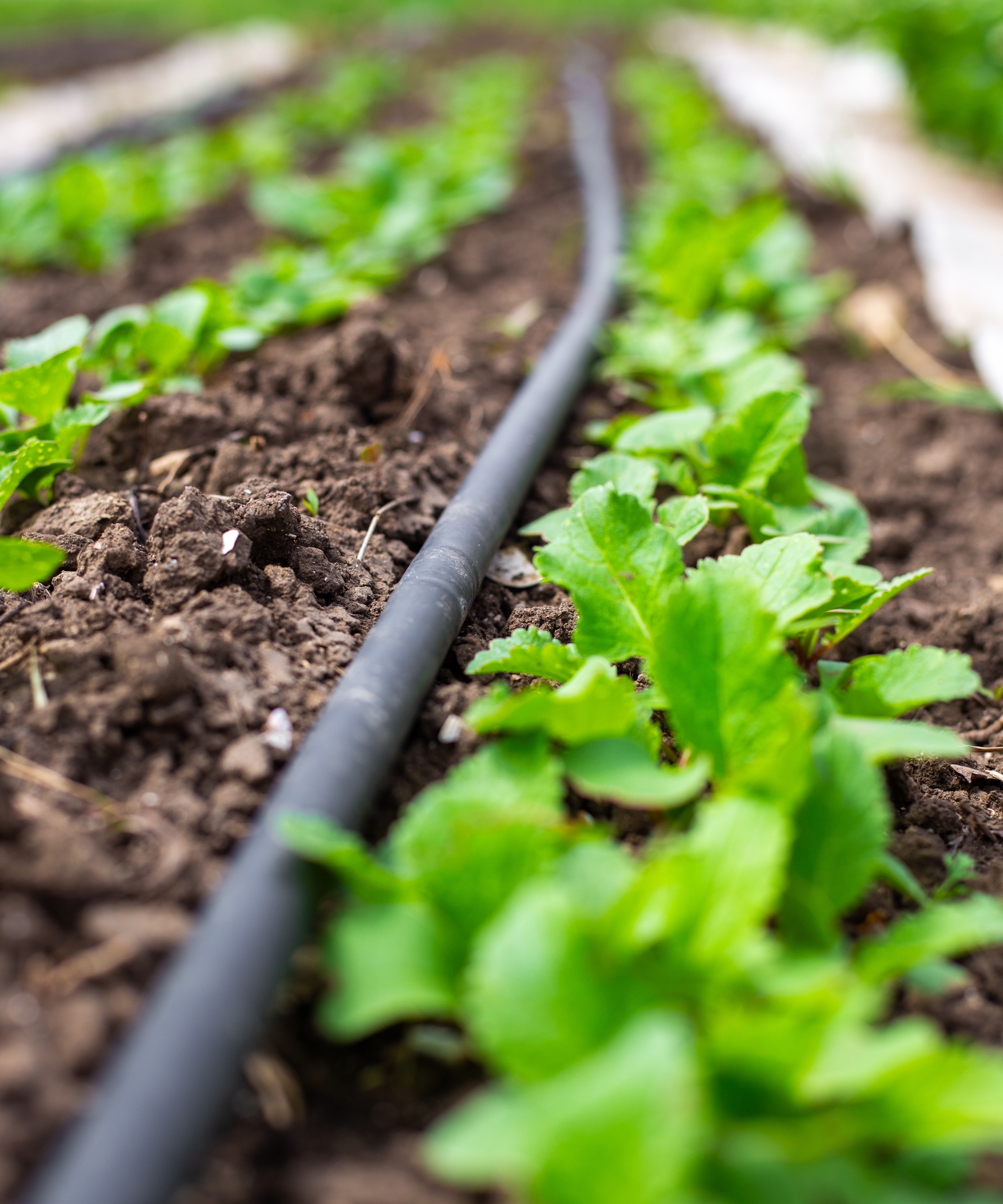
- Turn off the water supply – Before doing anything else, switch off the water supply to the drip irrigation system at the main source, at the tap, or at a shut-off valve.
- – Remove any water in the irrigation lines. If you have end caps or plugs, remove them from the pipes and raise the tubing to allow gravity to drain the lines. Allow time for it all to drain by elevating sections and letting any residual water escape. To blow out the lines, Heather Todd adds: ‘A professional winterization service can evacuate water from the lines using pressurized air.’ An expert should blow out an irrigation system. It is an effective way to remove all the water, but compressed air can damage pipes if not done properly.
- Remove the timer – If you have a timer on your drip irrigation system, disconnect and remove all water from it. Take out the batteries and store it in a dry, protected place for winter.
- Protect exposed backflow preventers and valves – If your system has a backflow preventer, it needs to be drained and protected for winter. ‘Leave one exposed during a hard freeze for six or eight hours, and you’re asking for trouble,’ warns Justin Wilson. ‘Make sure it’s properly drained and insulated. Better yet, if your setup allows it, have it removed and stored somewhere warm.’ He adds: ‘Bottom line, folks, protect what’s above ground, drain what you can.’ You can insulate pipes and valves with foam pipe insulation (from Ace Hardware) or insulating tape (available at The Home Depot).
- Store away components – tubing, drippers, control valves, fittings, and controllers are best stored for winter. Non-electrical parts can stay outside, but they risk being damaged over winter. Check each part for any cracks or damage, then store in a dry, frost-free place, such as a shed or garage. Label any storage boxes so you can easily find all the components again come spring.
What to Shop
Now you know when and how to winterize a drip irrigation system; you won’t forget each year.
However, for added peace of mind, Justin Wilson from American Irrigation Repair adds: ‘We also highly recommend a rain/freeze sensor. It’ll automatically shut your system down when it rains or freezes, giving you a little insurance in case you forget.’
You can get a rain/freeze sensor from Amazon for any home irrigation system. Just in case you forget to winterize a sprinkler system or drip irrigation.
If you love inspiring garden ideas, outdoor advice, and the latest news, why not sign up for our newsletter and get the latest features delivered straight to your inbox?