There's been a craze for bee hives for some time, yet honey bees are not actually endangered. It's the native wild bees that are in steep decline and need support to survive.
With over 3,600 bee species native to the U.S, there are many ways that gardeners can do their bit to help sustain these vitally important pollinators.
If you've attracted bees to your garden this year with pollinator plants or a home like this bug hotel from Lowe's, discover the small things you can do to support these industrious insects as they overwinter, according to experts.
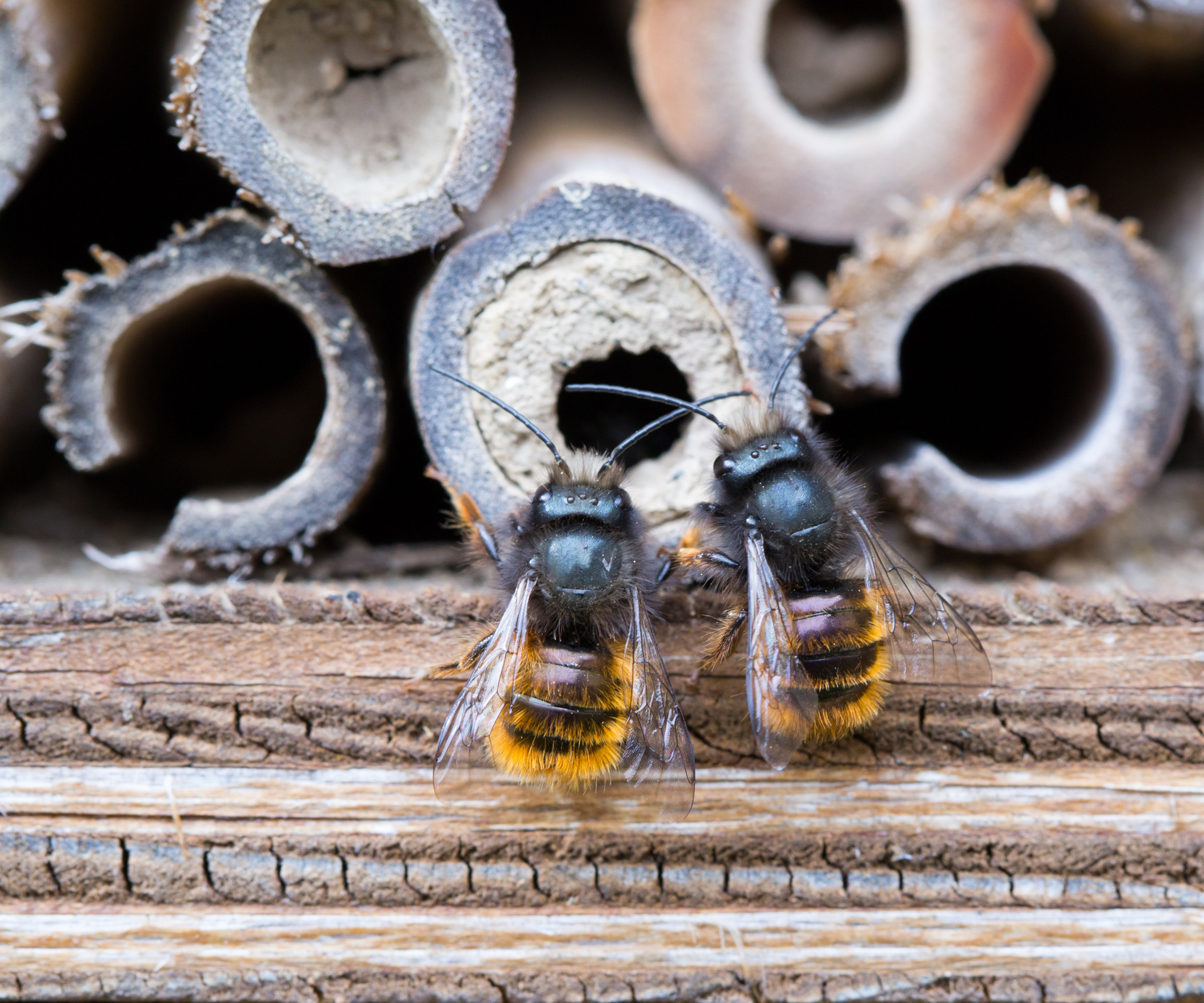
With so many types of bees, there are understandably subtle differences in how each species overwinters. However, there are two major ways in which bees handle winter.
'The species differ depending on whether they are in the north, south, east, west, prairies, mountains or deserts,' says Sam Droege, Wildlife Biologist, USGS.
'However, patterns are general - no matter where you are a certain proportion of wild bees will be nesting above ground and a larger proportion in the ground somewhere.'
Mathew Shepherd, Director of Outreach & Education, Xerces Society for Invertebrate Conservation explains that solitary bees are the majority and include mason bees, leafcutter bees, long-horned bees, mining bees, and more, which remain in their nest.
Design expertise in your inbox – from inspiring decorating ideas and beautiful celebrity homes to practical gardening advice and shopping round-ups.
'Most tunnel into the ground, but a quarter or more of species nest in existing tunnels in hollow stems, snags, and similar,' says Matthew who describes how each nest has a series of brood cells, each supplied with food before a single egg is laid.
'The female then seals the cells, closes the nest, and dies. Her offspring complete most of their life stages (egg, larva, pupa) in the cell, remaining there until the following year, when they emerge at the same season their mother was active.'
Bumble bees are the main exception to this. They have a social colony, founded by a queen and growing through the spring and summer in a series of broods.
'At the end of the summer, most of the colony dies, leaving only a few new queens,' says Matthew. 'These go into hibernation by digging themselves a few inches underground, or into leaf mulch. They emerge in late winter or early spring to found their own colony and continue the cycle.'
Despite common assumptions, wild bees are unlikely to sting, so there's no need to be afraid of having them in your yard.
'Honey bees are stinging bees; others are not at all interested in stinging,' says Sam. 'This is because solitary bees are designed to defend the nest against other insects, while honey bees are designed to defend against mammals.'
1. Leave Piles Of Leaf Litter
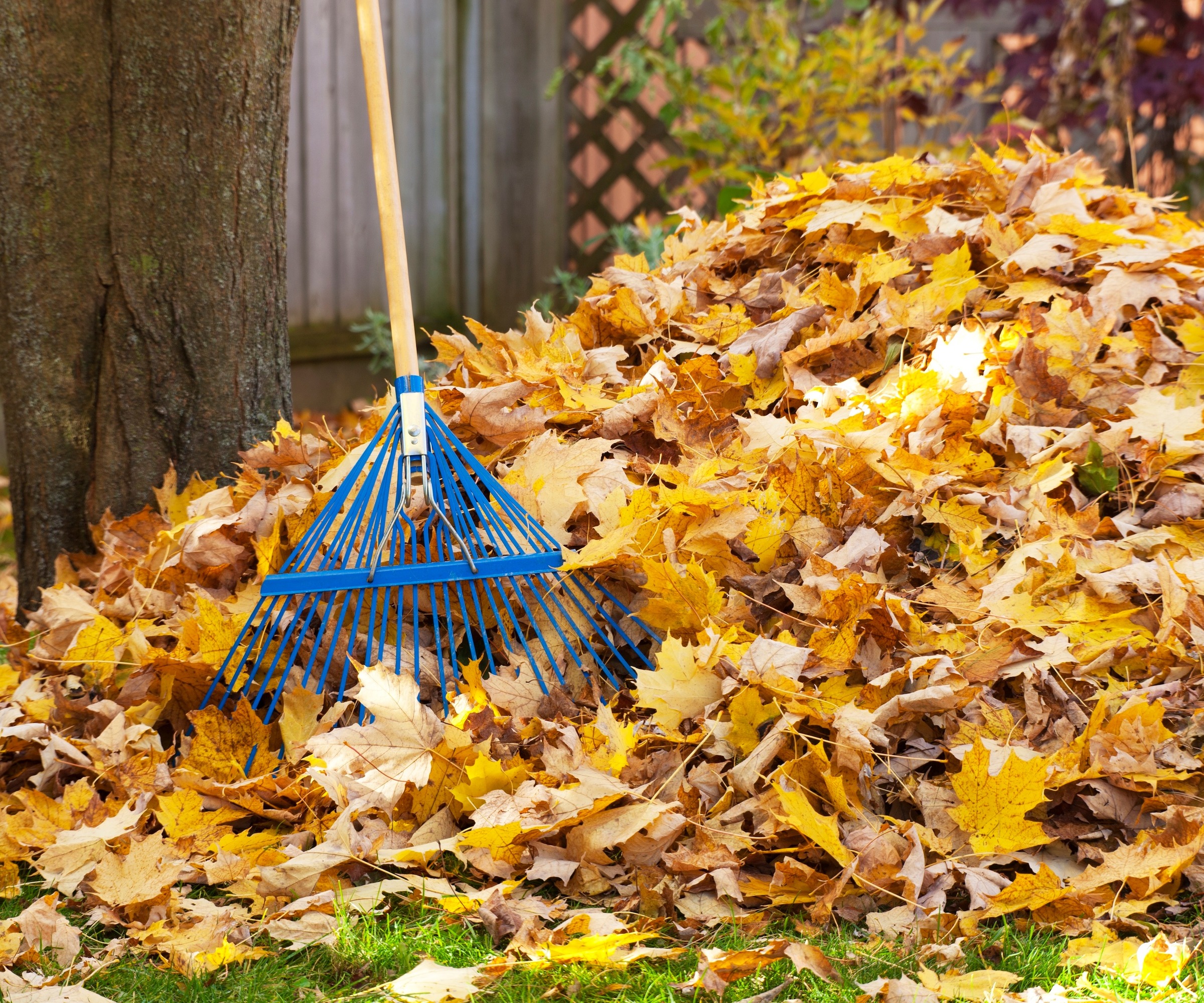
If you've swept your path or patio of fallen leaves, create some piles of leaf litter in a corner of your yard or on flower beds. Not only are leaves are one of the best sources of free mulch, which will retain moisture and suppress weeds. Leaf litter can also provide habitat for over-wintering wild bees – and help to build soil health by adding organic matter and increasing carbon capture.
'For bees, leaf litter can provide a place where bumble bee queens can hibernate,' says Matthew. 'It also provides homes for myriad tiny beneficial critters, including fireflies.
'Remove leaves where they could be a slip hazard, don’t let them block drains, and so on. But keep them on flower borders, along the base of a hedge, or in a back corner somewhere.'
Avoid noisy leaf blowers and use a broom like this Palmyra 24 from Ace Hardware to sweep paths and patios of leaves. Or a rake like this Fiskars Pro from Ace Hardware to scoop them off your lawn for leaf litter.

Matthew Shepherd is Director of Outreach & Education at Xerces Society for Invertebrate Conservation, and oversees the Bee City USA initiative. Matthew’s four-decade conservation career began in England and took him to Kenya before his arrival in the United States. He has worked for the Xerces Society for more than 25 years,

Sam is a Wildlife Biologist at the Eastern Ecological Science Center in Laurel, MD. Currently he is developing an inventory and monitoring program for native bees, online identification guides for North American bees at discoverlife.org, and reviving the North American Bird Phenology Program.
2. Adapt The Fall Plant Clean Up
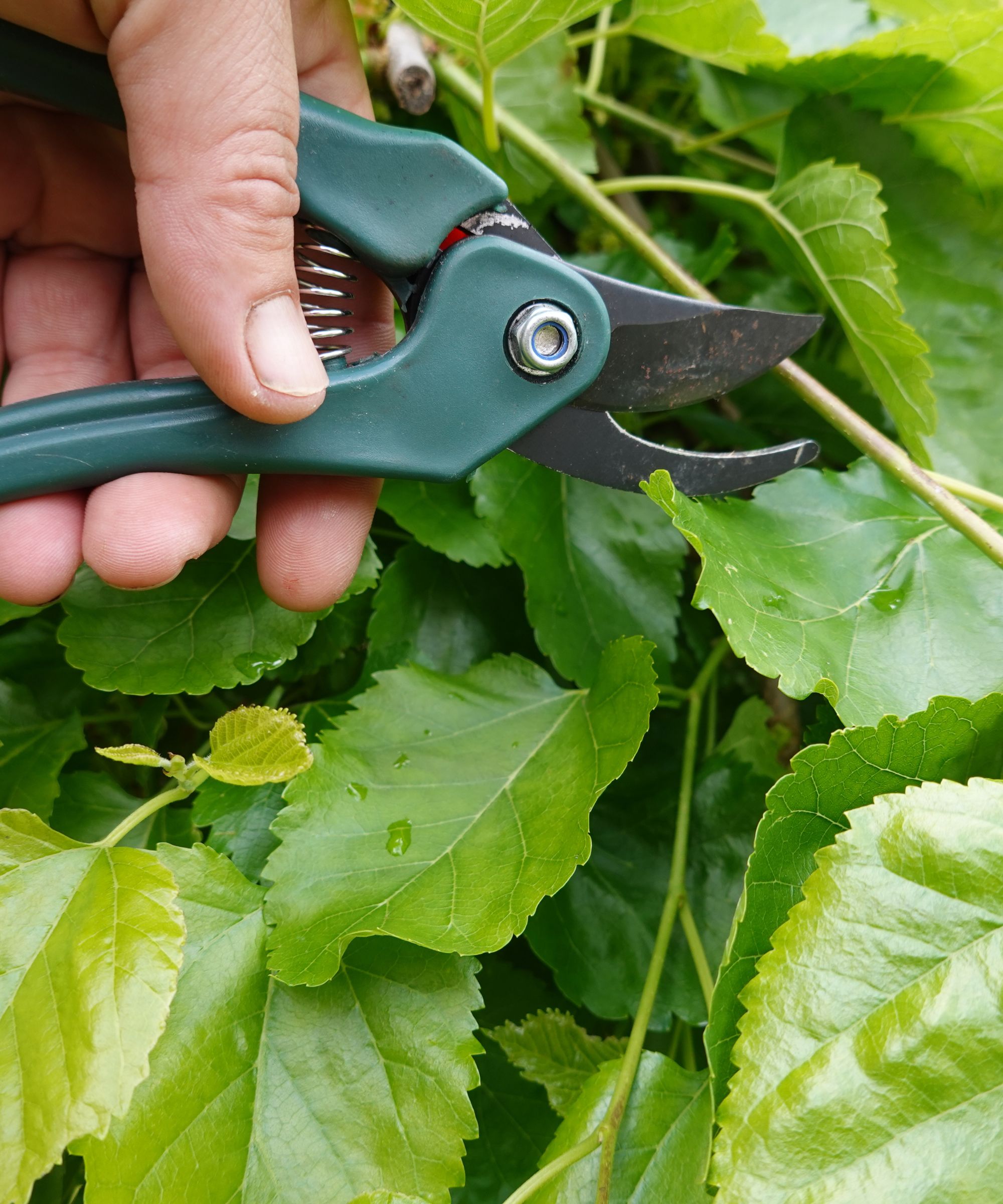
At the end of the summer, certain garden jobs are often required for plant health. However, it's easy to be over zealous with tasks such as pruning and deadheading. The key point is to avoid destroying bee habitat.
Thankfully, protecting garden bees doesn't have to mean neglecting perennials. There are ways to achieve both.
'Avoiding the typical fall cleanup on plants and keeping stems of perennials and annuals creates nesting opportunities for tunnel-nesting bees such as small carpenter bees and leafcutters,' says Matthew.
'In any month, you can avoid using pesticides. Birds will also love foraging on the seedheads and stems, as well as in the leaf litter.'
Many gardeners are happy to create wildlife gardens in their backyards. However, Sam notes that in suburban neighborhoods, there is pressure to keep front yards looking tidy.
'Leaving plants up is the best choice, however in a front garden it can be worthwhile cutting everything down to a foot tall,' says Sam. 'A plant needs to be damaged or dead for bees to be able to use it. This will provide some nesting structure for bees and will keep your neighbors happy too.'
These hand pruners from True Leaf Market enable precision cutting.
3. Don't Compost Seed Heads And Stems
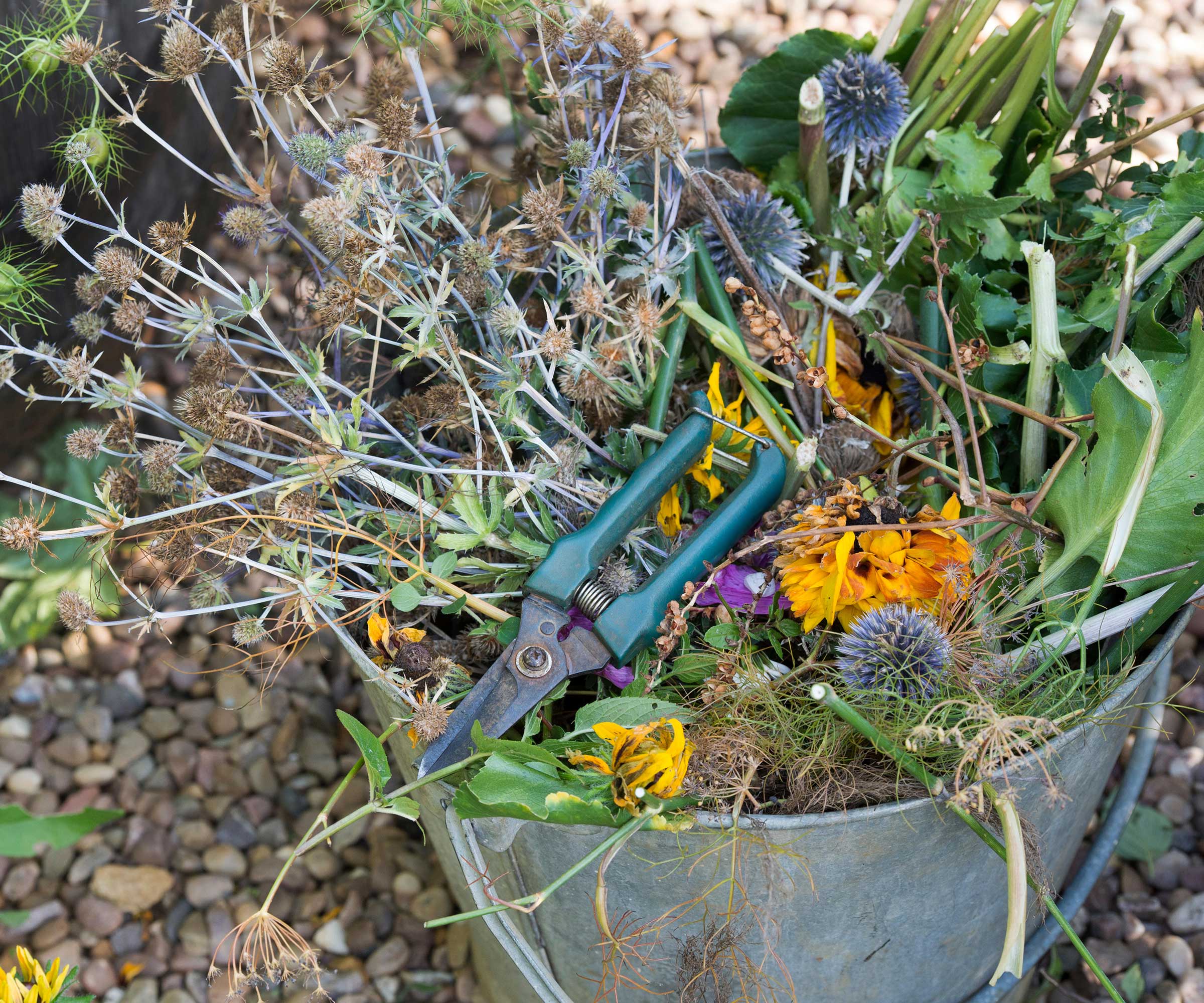
If you are already in the midst of deadheading or cutting your plants back, don't throw them on the compost. Creating a loose pile of cut plant stems and seed heads can save overwintering bees as some may have already started the nesting cycle in the stems.
'If any bees are already nesting in the stems, composting them will cause the end of that cycle,' says Sam. 'If you leave them in a pile either on the ground or behind the shed, the cycle can continue, or the stems will be accessible to other bees – and birds who will feed on the seeds.'
'Pithy stems from plants such elderberry, raspberry, hydrangea and Joe Pye weed are highly useful to some cavity nesting bees,' says Kim Eierman, ecological landscape designer and founder, EcoBeneficial.
'You can leave the dead stems from plants like these in place over the winter, or collect and bundle them for bee habitats.'

Kim Eierman is the Founder of EcoBeneficial LLC and author of The Pollinator Victory Garden. She is an ecological landscape designer and environmental horticulturist specializing in native plants. Based in New York, Kim teaches at the New York Botanical Garden, the Brooklyn Botanic Garden, The Native Plant Center and the Massachusetts Horticultural Society.
4. Create A Brush Pile And Leave Tree Snags
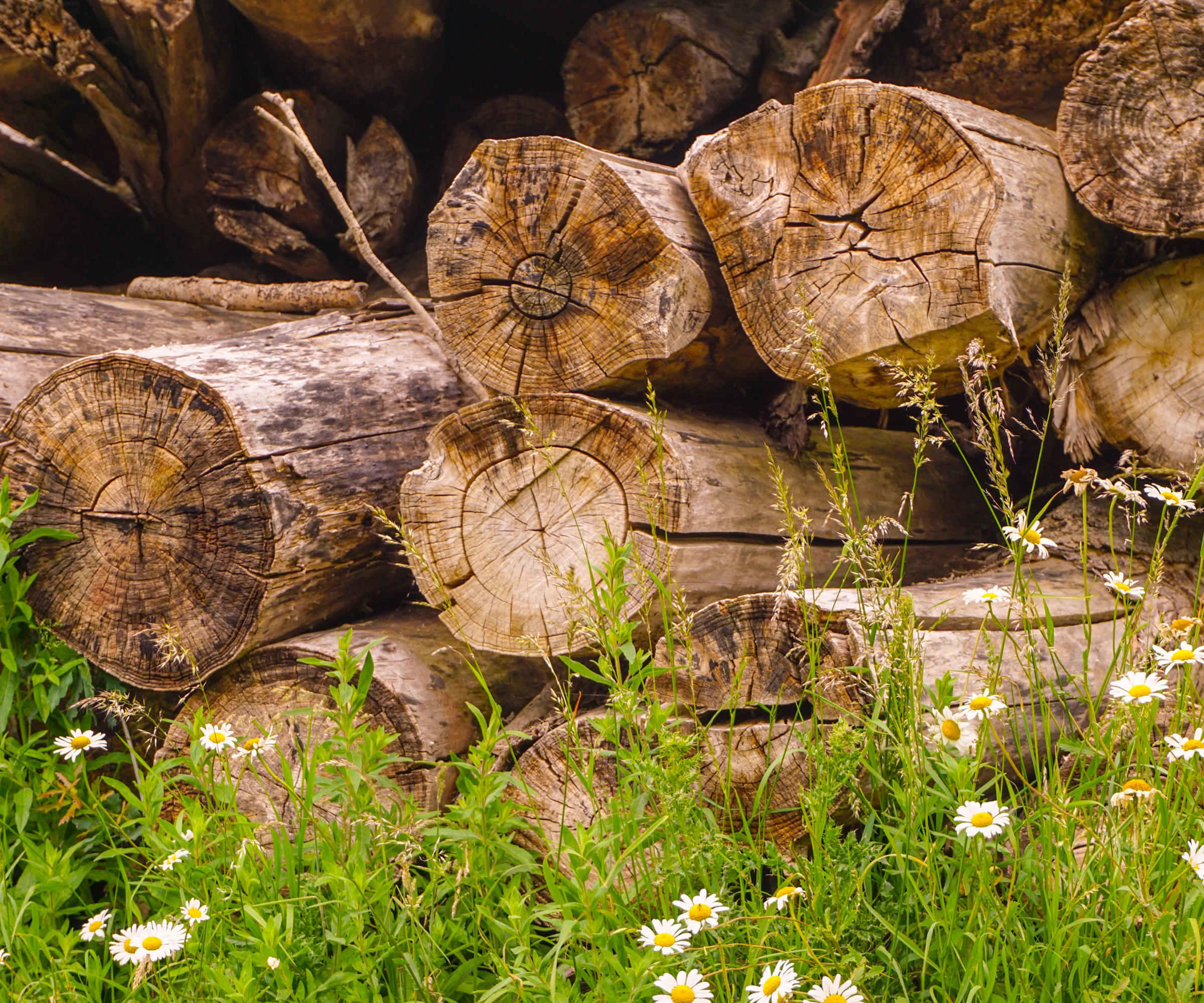
In a similar vein, if you have any trees that can be pruned this month or you have removed any dead or diseased branches, creating a brush pile of cut branches and twigs can provide a home for bee species that nest above the ground.
'Dense brush piles are good potential habitat for bumble bees,' says Kim. 'If you don't have brush piles in your landscape, create them, they don't have to be huge. Whenever you prune woody plants, to remove dead wood, keep the branches.
'To successfully shelter bees, the piles must be fairly tight and dense, providing cavities that shelter bees from rain.'
Kim also suggests preserving dead or dying trees as bee habitat.
'Such trees are referred to as snags,' says Kim. 'A hollow expanse in a dead tree may give bumble bees or even feral honey bees a safe home. Beetles like to tunnel in dead wood, leaving a future home for cavity-nesting bees.
'Any snag located well away from your house, where it won't harm anyone or anything if it falls, is worthy of keeping. If the snag is too tall for your comfort, cut it back to a height that is manageable.'
These Fiskars tree loppers from Lowe's are made from steel and suitable for branches up to 1-1.5" thick.
5. Don't Cut Cane Fruits To The Ground
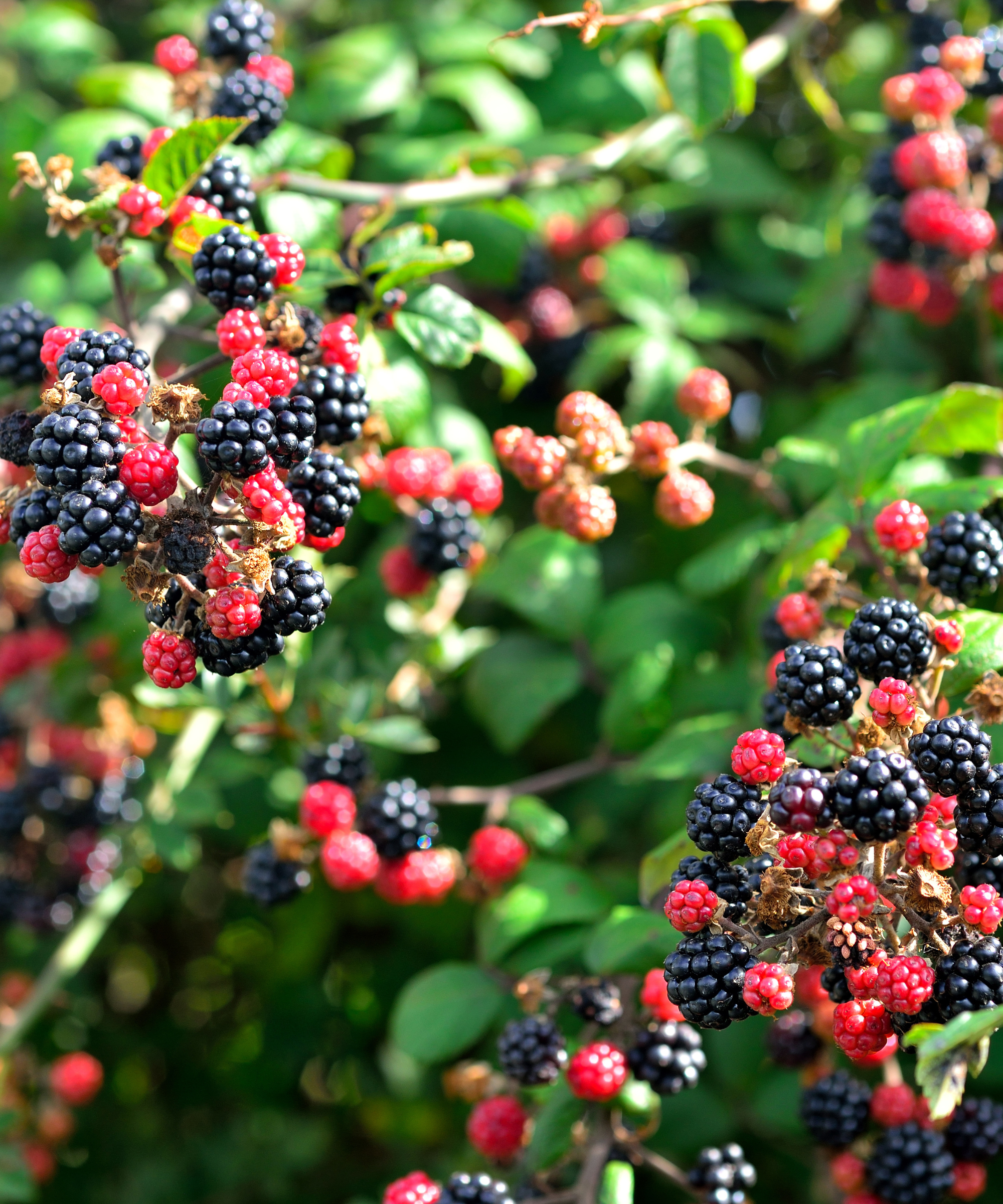
The bee species that overwinter above ground like to nest in sturdy plants, as the nest has to survive through a whole year cycle. 'That nest has to make it through the winter so the baby bees can emerge' says Sam.
'The best plants to leave, if you have them, are brambles, as raspberries, blackberries, boysenberries are all popular with wild bees.
'Cane fruits only fruit in year two. So in October, many gardeners will be cutting out dead stems. Instead of cutting them to the ground, trimming them to a foot tall provides the best nesting material for a whole series of native wild bees.'
Pre-order these raspberry roots from True Leaf Market now for spring planting.
6. Leave Bare Patches of Soil Alone
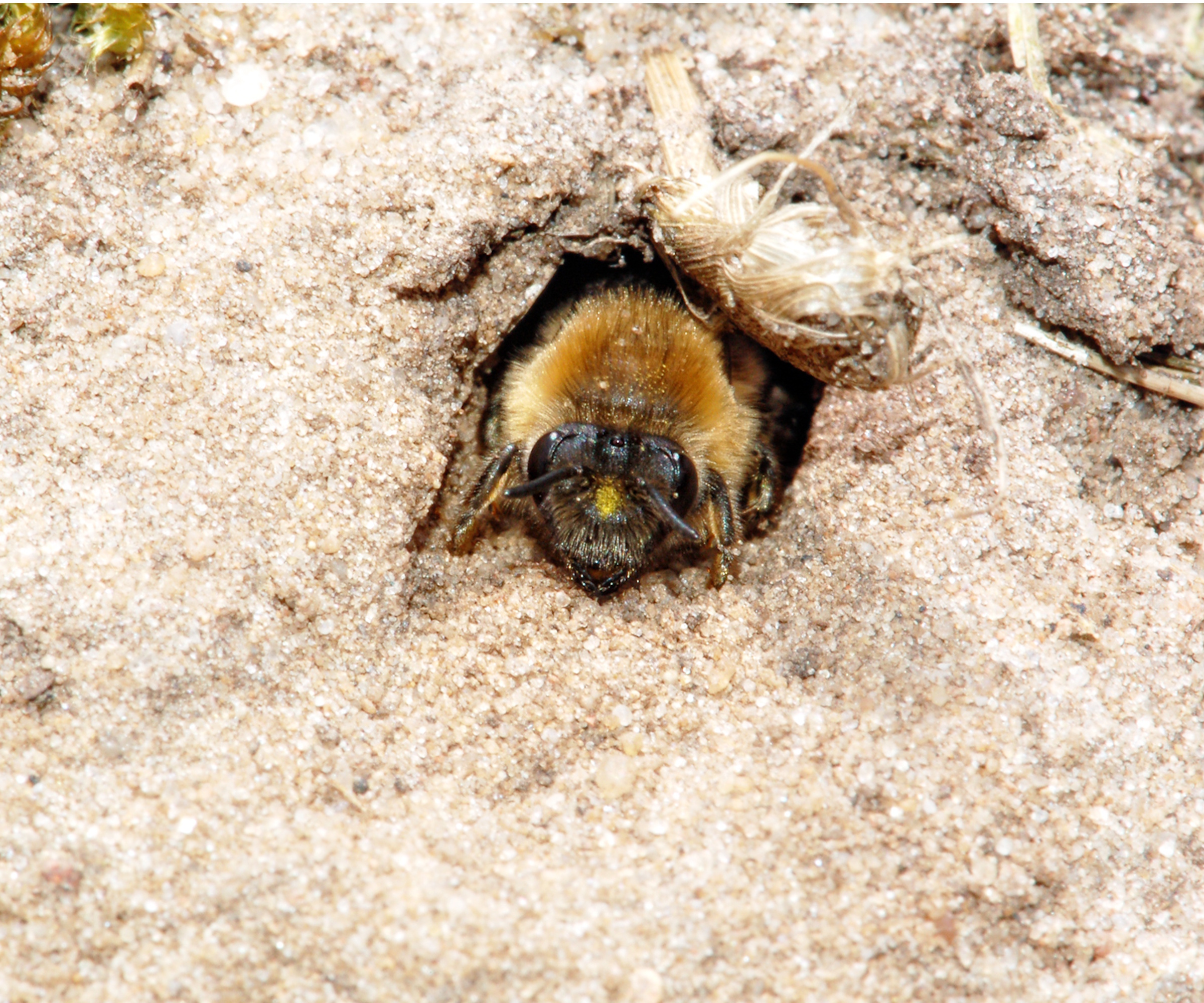
The majority of wild bees overwinter in the ground, so leaving some patches of soil undisturbed is a noble choice if you want to encourage these pollinators.
'Don't try to repair all the bare ground - leave the open areas, as bees like to nest there,' says Sam. 'If you want to actively garden for bees, it's best to not be too uptight about a green lawn.
'Bees don't like thick thatch in grass, or beautiful suburban lush lawns. Also, if you have sandy soil, it can be hard to grow things, but bees will nest if you leave it bare.'
Kim explains that the majority of native bees are ground nesters that need easy access to soil to excavate their nests. 'Reserve existing patches of bare soil in a sunny spot – or create an expanse of bare soil; even a few square feet can work,' says Kim. 'Sandy or loamy soils are top choices.
'If naked soil seems to unsightly, you can plant the area very sparsely and bees may still use it. Avoid using mulch or landscape fabric in bee nesting areas as both will repel bees.
'All habitat should be left quiet and undisturbed, with no tilling or cleaning up, even in the off-season,'she continues. 'Think of this area as wild habitat instead of a manicured garden. If you succeed you may help hundreds of bees underground.'
Mark the designated area with these Luster Leaf wood plant labels from Lowe's as a reminder to leave the bare patch alone.
7. Make Late-Season Forage Available
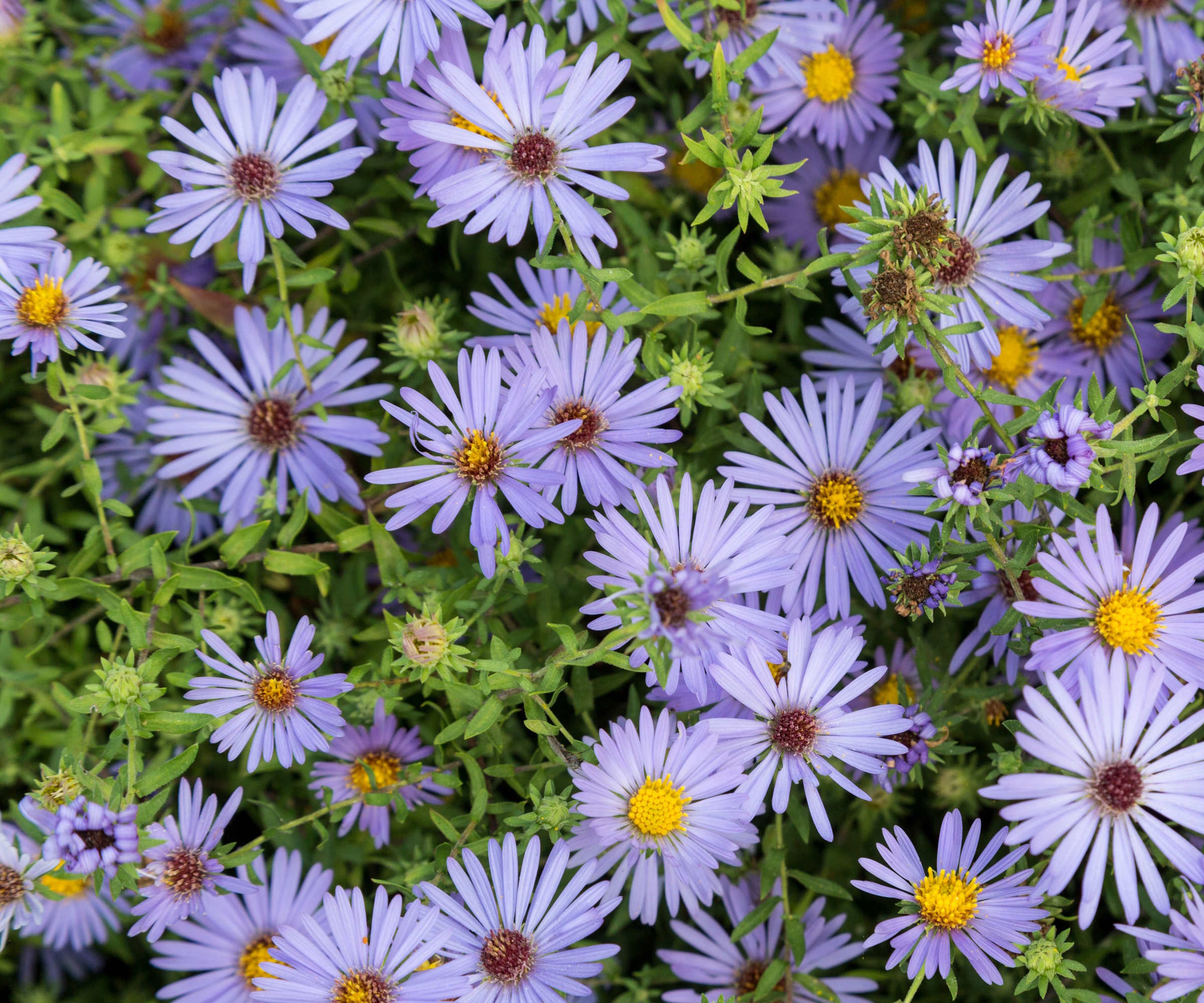
As important as habitat for overwintering bees in the fall are flowers for foraging both now – and when the young emerge next spring.
'The solution to the decline in bees is to provide them with pollen and nectar rich plants,' says Sam. 'Most bees will have done their thing for this year, and already produced nests or died off. That said, there may still be a few sweat bees or mining bees around looking for native late-season blooming flowers like Goldenrod or Asters.
'Native plants with a diversity bloom time from spring to fall, with a variety of colors and shapes, will attract different species of bees,' says Sam.
'Depending on what's native in your region, morning glories, penstemon and flowers with flat umbels are good. Expanding your garden for next spring and reducing your lawn is the biggest thing you can do for wild bees.'
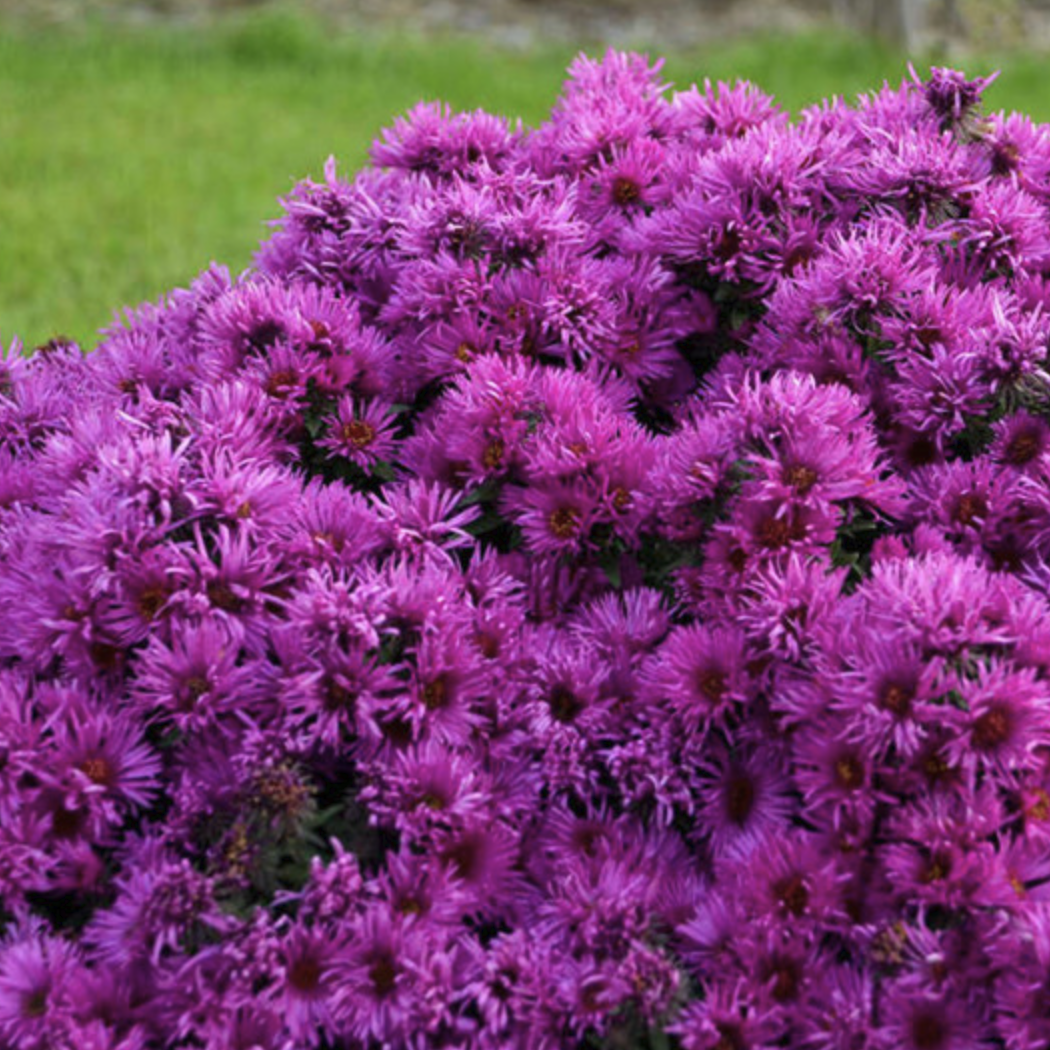
These punchy deep fuschia Asters will provide late-season forage for bees and other pollinators and are suitable for containers.
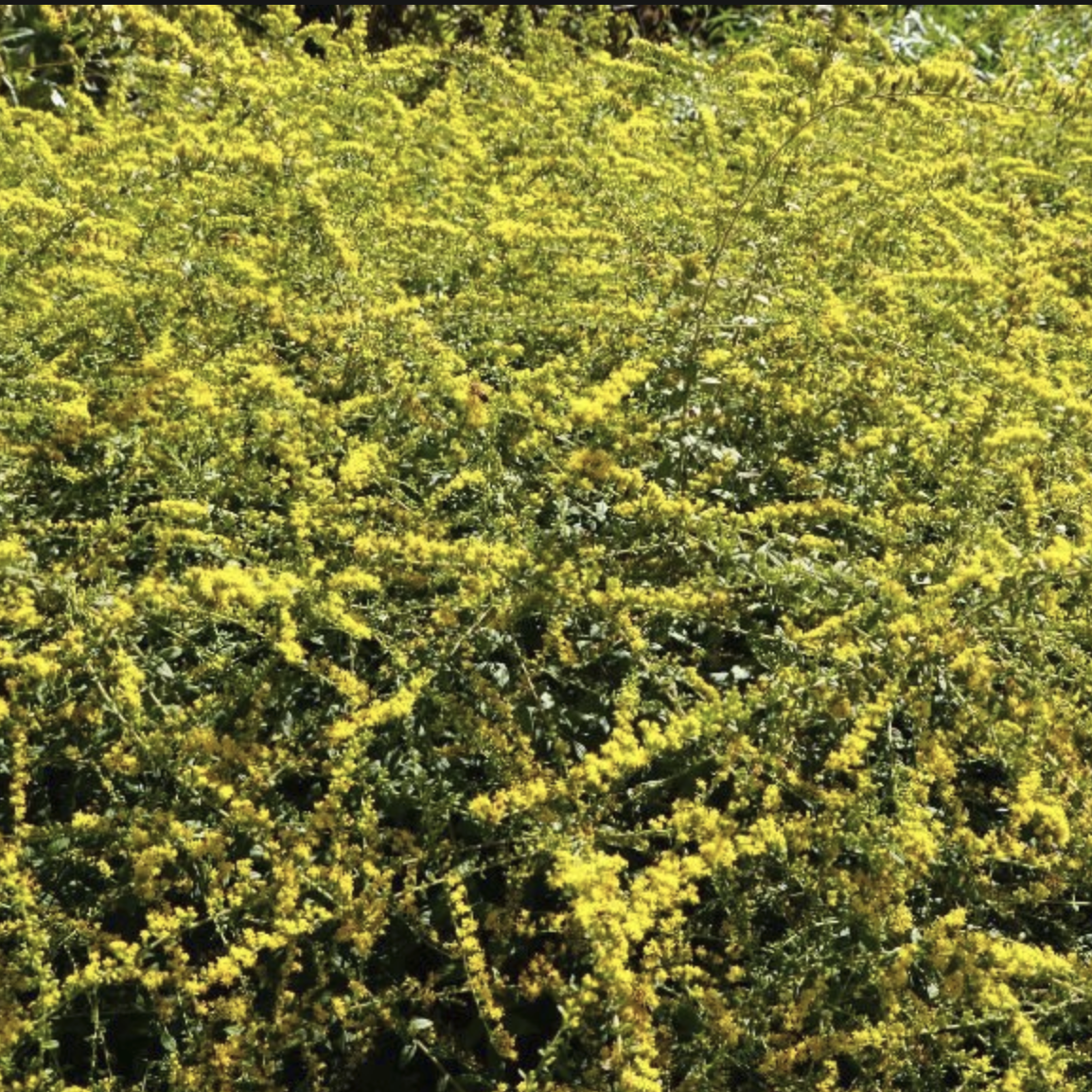
With showy yellow blooms from late summer to late fall, this Fireworks Goldenrod offers a feast of forage and a riot of color.
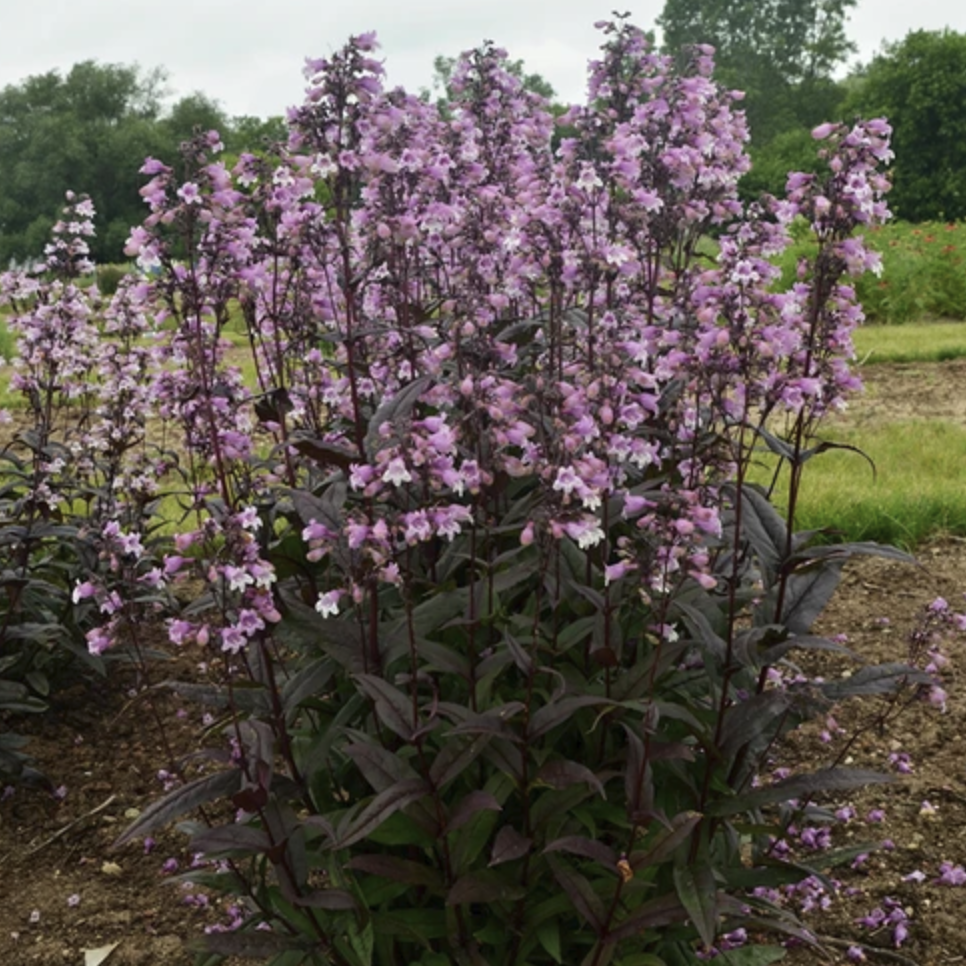
This Midnight Masquerade Beardtongue (Penstemon) is suitable for growing zones 3-8 and is loved by bees (and hummingbirds).
The biggest thing we can all do to help overwintering garden bees, is to do less, particularly less tidying and less cutting back. Leaf litter, brush piles, bare soil, chopped logs and dead stems all provide a home for wild native bees to produce their young through the winter.
'You may have hundreds or even thousands of individual bees using your landscape,' says Kim. 'The good news is that you don't have to do much to give them a place to live.'
If you love inspiring garden ideas, outdoor advice, and the latest news, why not sign up for our newsletter and get the latest features delivered straight to your inbox?