Back & Forth is a column in which I examine how design ideas, influences and traditions travel between the USA, UK and Europe – and what happens when they meet. Through conversations with the people shaping the industry, from designers and makers to leading brands and influential figures at the world’s design centers, I explore the connections, contrasts and cultural exchange between these design worlds, and what's caught my eye lately. Get in touch!
The London design scene is booming, fuelled in part by US-based designers and brands expanding into the UK. British designers and brands are making their mark across the Atlantic, too, but with the UK’s design world anchored by a single major design center in Chelsea, the American influx feels particularly visible from this side of the pond.
But crossing the Atlantic is about more than about finding a new market: it’s about discovering a different design culture, a new set of opportunities and a different way of doing business.
This month, I preview the British incursion into Texas Design Week Dallas, and speak to two US-based design pioneers about what it takes to make the leap to the UK, what they’ve discovered along the way, and the opportunities and challenges of establishing a presence on the other side of the pond.
The Brits Are Coming: Texas Design Week Dallas

I'm wildly excited about attending Texas Design Week Dallas for the first time. Granted, it has a LOT to do with my young teen obsession with Dallas of seventies soap opera fame, but I'm also fascinated by the sheer scale of the Texan homes that cross our desks at Anthology Towers, and the approaches to decorating them that designers necessarily take – so far from my own experience of designing and decorating my own homes (I'm on my ninth renovation, always learning).
I will be attending as many of the panels and talks (and cocktail parties) as I can – but am particularly keen to offer my support to the Brits who have made the trip.
On my list: Conversation with a Legend: Kit Kemp at J Williams Fine Art; then to , with my colleague Sarah Spiteri, Global Brand Director at , in conversation with Pulp Design Studios, Russell Pinch of Pinch London, Sara Story, Christopher Farr, and Douglas Wright; next to Cocktails, a Book Signing and Salon Talk with US Editor Benjamin Reynaert, and the indefatigable Sarah Spiteri; and to support Ben again, along with Elizabeth Lawrence and Simon Upton, at . And Morning Mimosas, Salon Talk and Book Signings with Nathan Turner and Annie Meyers-Shyer, moderated by Claire German, CEO of Design Centre Chelsea Harbour. I will be homeward-bound for the closing event – a transatlantic conversation between London-based designer Alidad and Claire German, but I will catch up with Claire for next month's column, and report back.
Mimosas seem to be a thing at Texas Design Week Dallas. Explain that to me someone, preferably while passing me one.
Crossing the Pond: 5 Questions for Rosemary Hallgarten
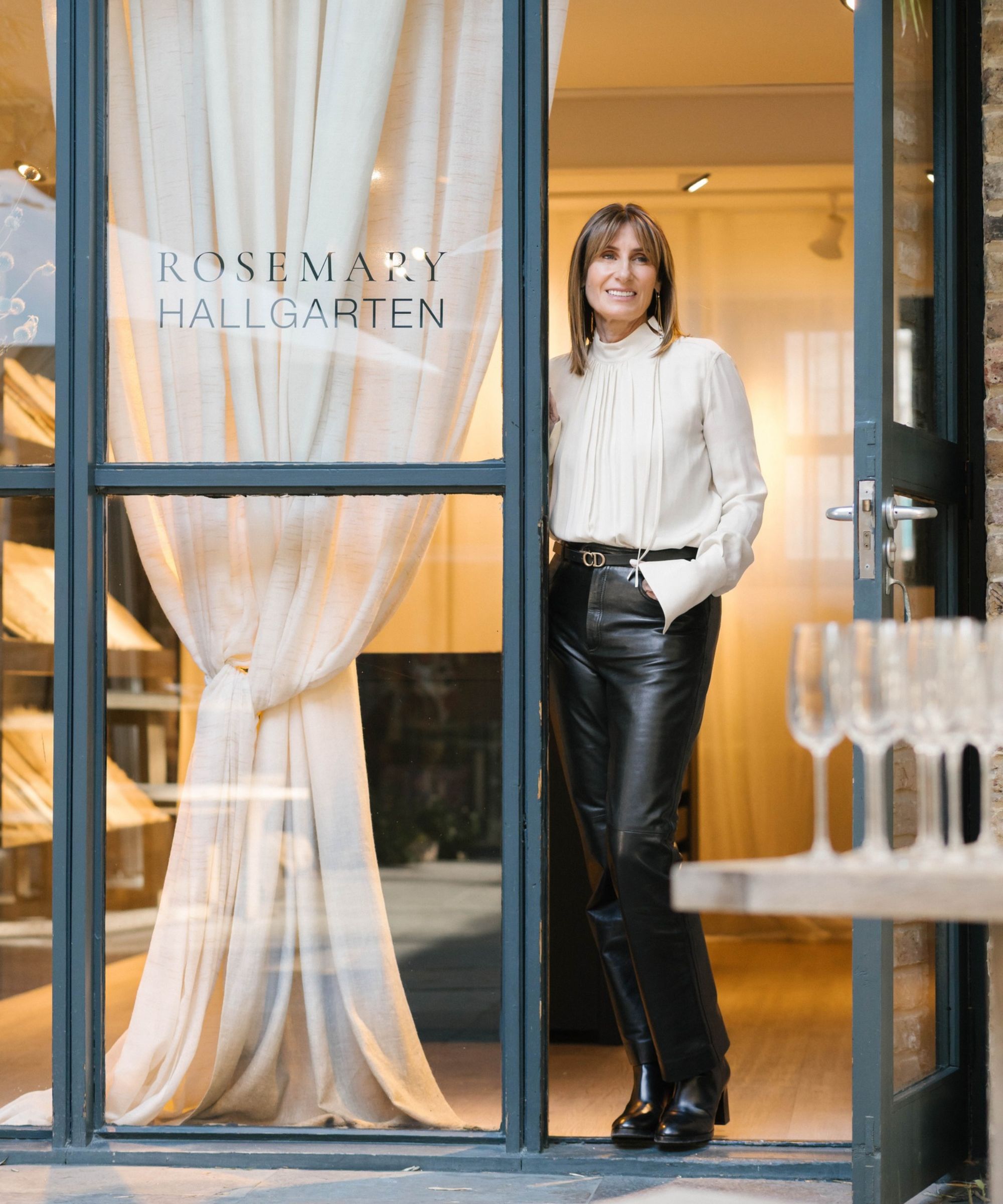
Barely pausing for breath after opening her London showroom, Rosemary Hallgarten, who founded her eponymous luxury interiors brand in San Francisco in 2001, has just unveiled her first collection of wallcoverings in both the US and UK. Us Brits are famously precious about our wallpaper heritage, so I asked her five quick-fire questions to find out what she believes a transatlantic perspective can bring to the party.
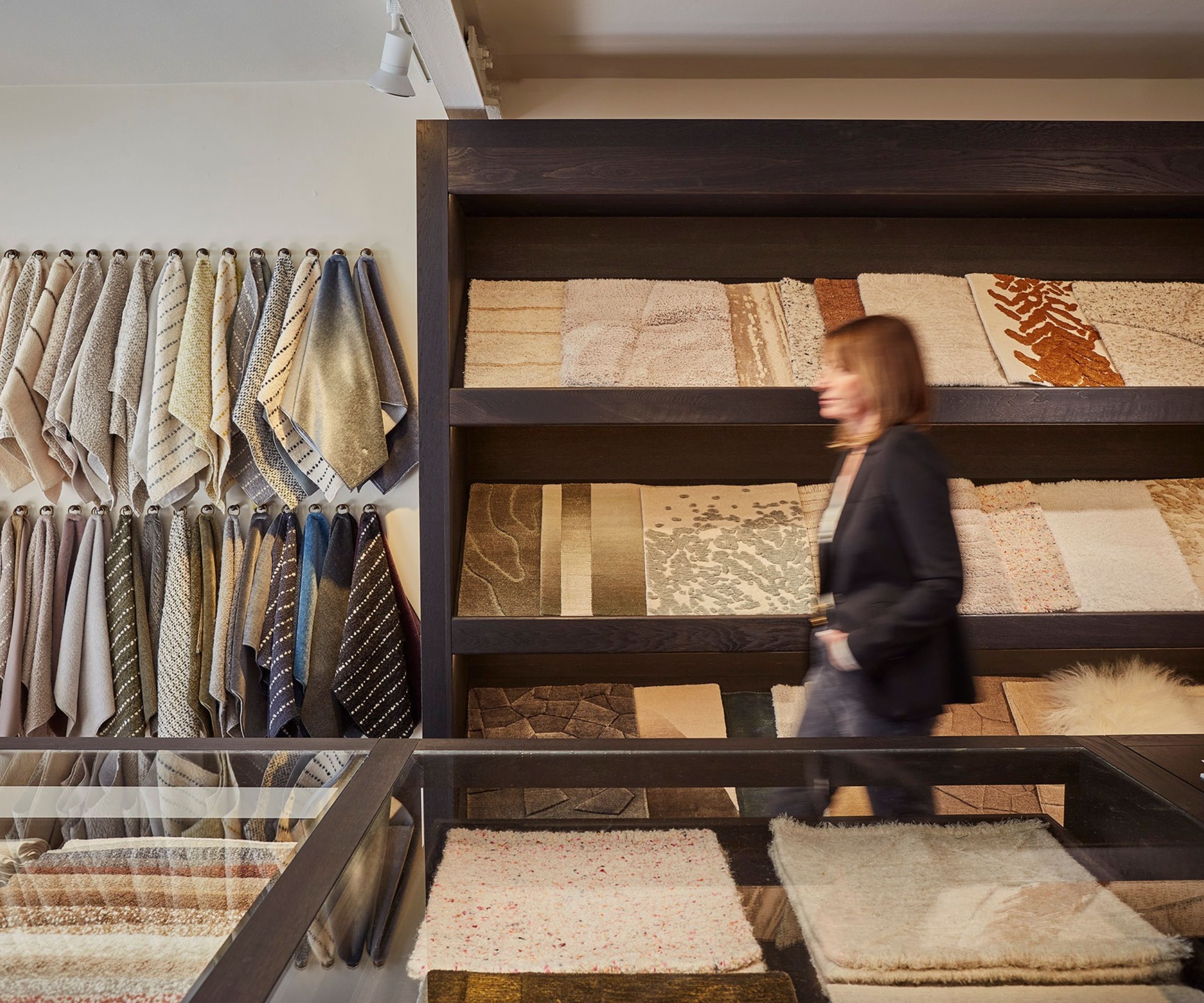
1: Why London, Why Now?
'Having grown up in Britain, it's been wonderful to establish a presence in London. It's such an international design center, attracting designers from around the world, so it felt like a natural place to expand. There's a strong appreciation for textiles and craftsmanship in Britain, and I'm excited to introduce our approach to natural fibers, particularly alpaca. We've spent years building relationships with artisans and exploring new ways of working with traditional techniques. I hope British designers discover that combination of craftsmanship, texture and contemporary design, and how naturally our materials work in both historic and modern interiors.'
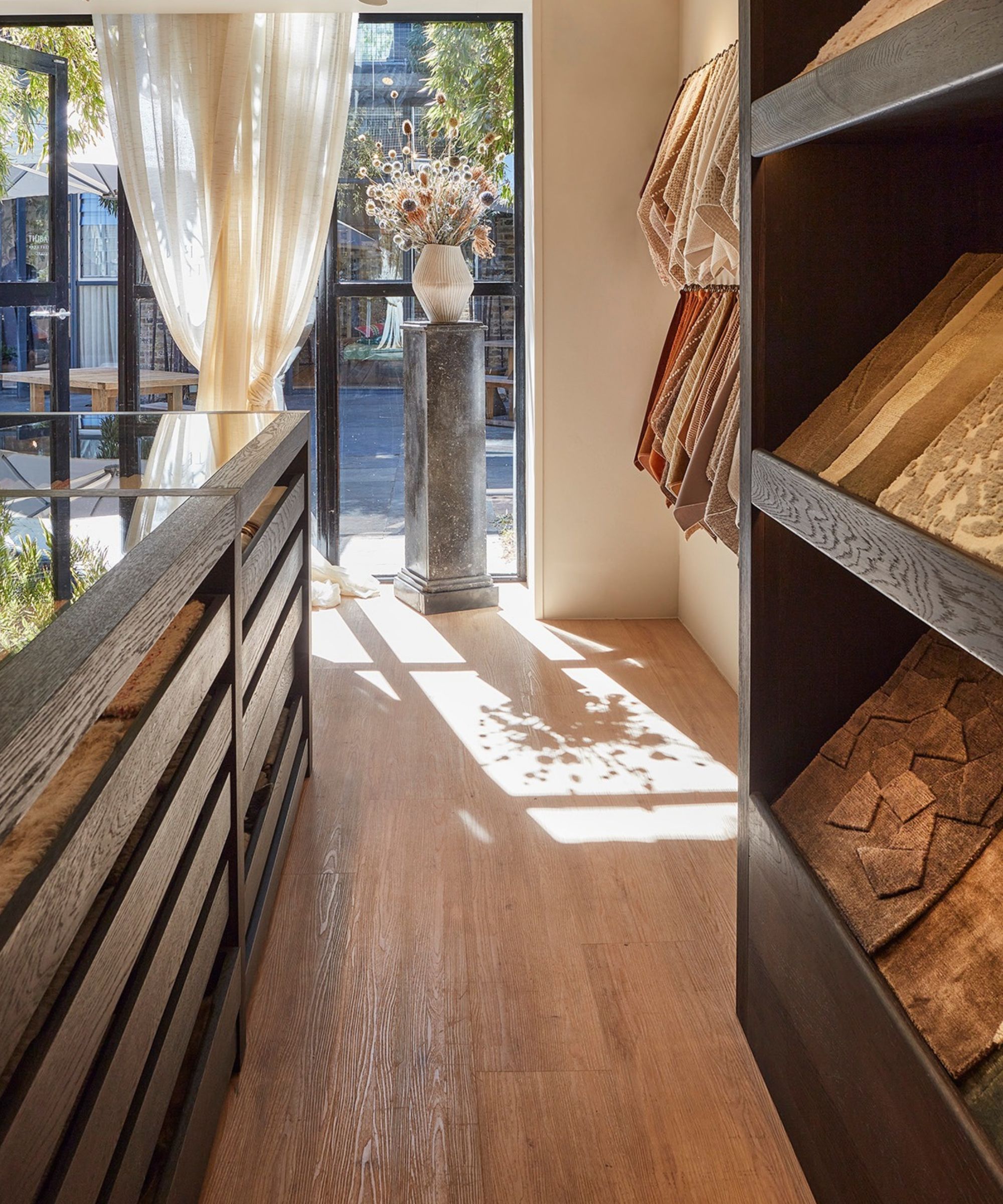
2. How Did Your New Wallpaper Collection Come About?
'The idea came from seeing designers use our textiles on walls. We've approached wallcoverings much like our rugs and textiles, focusing on natural fibers, craftsmanship and the subtle variations that make a material interesting. I love the irregularity of a weave and how a textured surface changes as light moves across it. Our Ombré wallcoverings are a wonderful example, with gradual transitions of color and the softness of alpaca creating movement and depth. Texture works beautifully in both settings, adding richness to a traditional British interior or warmth to a more minimal American space. I think our Nara and Tottori wallcoverings, which incorporate raffia and bouclé, could resonate particularly well with American designers, given their longstanding appreciation for natural, woven materials. Some of our deeper, more layered colors may appeal to British designers. But I wouldn't necessarily divide the collection that way. Natural fibers respond so differently to their surroundings. The same textured wallcovering might create warmth in a smaller, darker British room while feeling softer and more understated in a light-filled American home.'
3. Do American and British designers approach wallpaper differently?
'British designers have traditionally been more comfortable using wallpaper boldly, often throughout an entire room or home. There's a confidence in mixing patterns, colors and periods, and rather than trying to make smaller rooms feel larger, they embrace that intimacy through rich color and pattern. Historically, American designers have been influential in embracing natural wallcoverings like grasscloth and woven fibers which create texture and depth through their subtle irregularities without relying on strong pattern. However this has shifted the last few years with the two approaches increasingly coming together.
'I think American designers are drawn to the history, character and confidence of British interiors, particularly the way patterns, colors and textures are mixed to create rooms that feel collected over time. There's also a long history of British influence on American decorating. Wallpapers were imported from Britain into colonial American homes, and the Arts and Crafts movement, particularly William Morris and his nature-inspired designs, had a lasting influence on pattern and craftsmanship. What American designers continue to admire is that sense of individuality and freedom. British interiors often embrace imperfection, whether it's an antique piece, an unexpected color combination or a mix of patterns that wouldn't necessarily seem to go together. There’s something wonderful about rooms that feel collected rather than overly coordinated.'

4. How Has Living and Working Across Two Cultures Shaped Your Work?
'Growing up in London specifically surrounded by both history and modern craft instilled in me a deep feeling of creating spaces through layers of different visual stories, combining past and present and richness in texture and color. This has informed my creative approach to rugs and fabric and now in turn to walls. Britain has such a strong decorative tradition, in particular on walls, and I was surrounded by homes that embraced wallpaper, pattern and richer, darker colors and I loved the warmth and intimacy of those spaces if not the specific more decorative patterns. Living and working in America has certainly influenced how I've interpreted those ideas. American interiors often have a greater sense of openness and light, while British interiors tend to feel more layered and intimate. I've found myself bringing some of that British warmth into a more relaxed, contemporary setting, often through texture rather than pattern. For me, it's about how materials make you feel, and walls play an important role in that.'
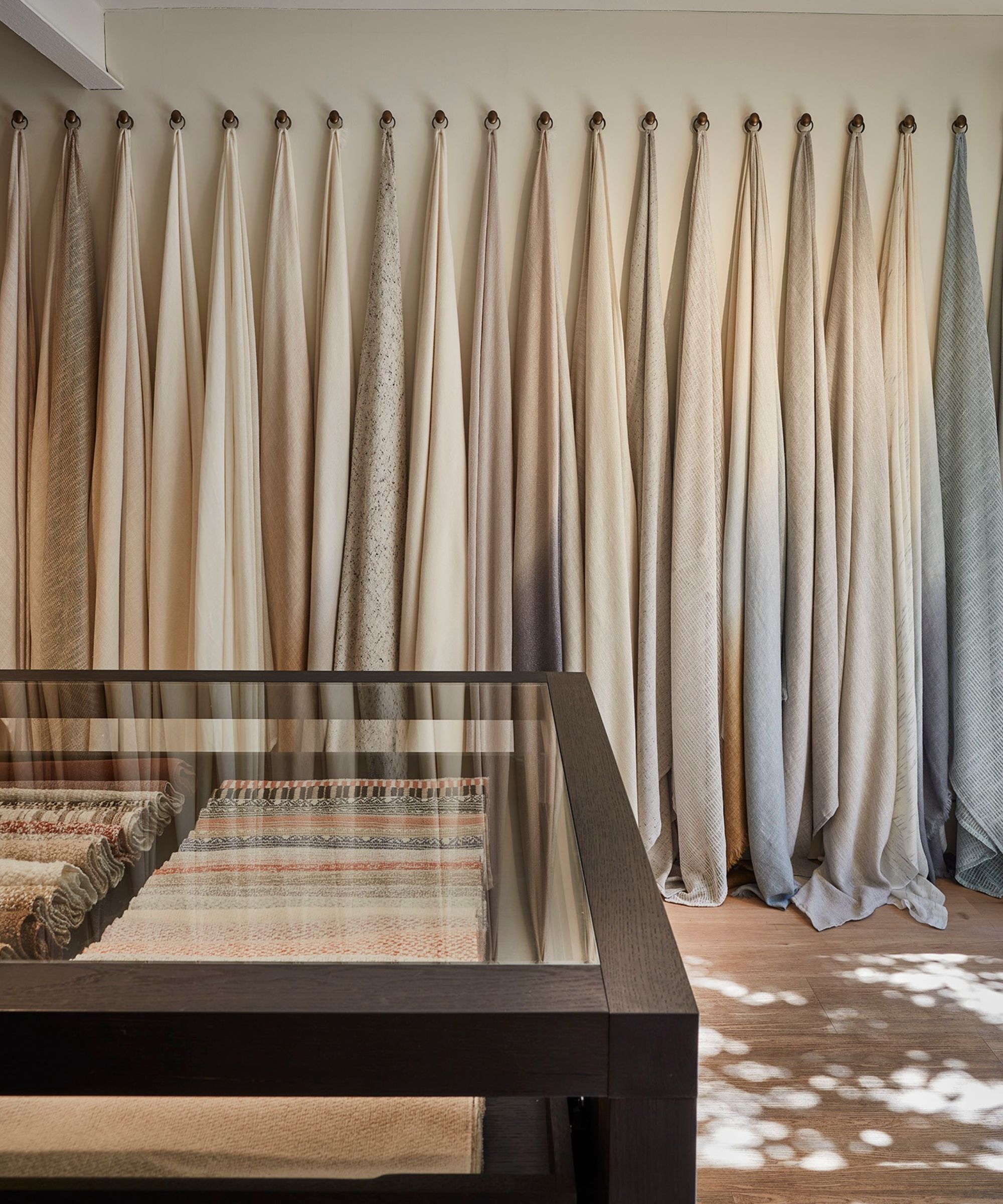
5. What Will the Next Chapter of the British-American Design Exchange Look Like?
'I think it's becoming much more of a two-way conversation. British design has long influenced American interiors through pattern, color and traditional decorating, but there's also a relaxed quality to American design that we're increasingly seeing in Britain. American designers are particularly good at creating comfortable, livable spaces with a strong connection between indoors and outdoors. There's also an appreciation for natural materials and texture that’s influencing both markets. At the same time, American interiors are embracing more of the layering, individuality and unexpected color combinations associated with British decorating.'
The Transatlantic View: What Changes When a US Designer Works in the UK?
Criss-crossing the Atlantic for for the past few years has exposed just how starkly different Brits and Americans about having an interior designer. As a transatlantic designer recently told me, Americans seek help from interior designers just as they would from a paediatrician; Brits to hiring a designer with a bashful sense of disappointment at their own lack of decorative abilities.
So how does it feel for a US designer to work here, in the UK? What changes? What stays the same? To my mind, Portuguese-born, London-educated, and Connecticut-based Claudia F Kalur was the perfect person to ask. Claudia has spent her career moving between European and American design sensibilities. Here, she explains the transatlantic relationship through the lens of a Georgian apartment in London that she recently completed.
Claudia's clients are American. She had already designed their Connecticut country house and New York triplex, which gave her a rare opportunity to work with the same people across three very different settings. In London, however, the brief was clear: this home had to belong to its Georgian surroundings, while still feeling unmistakably theirs.
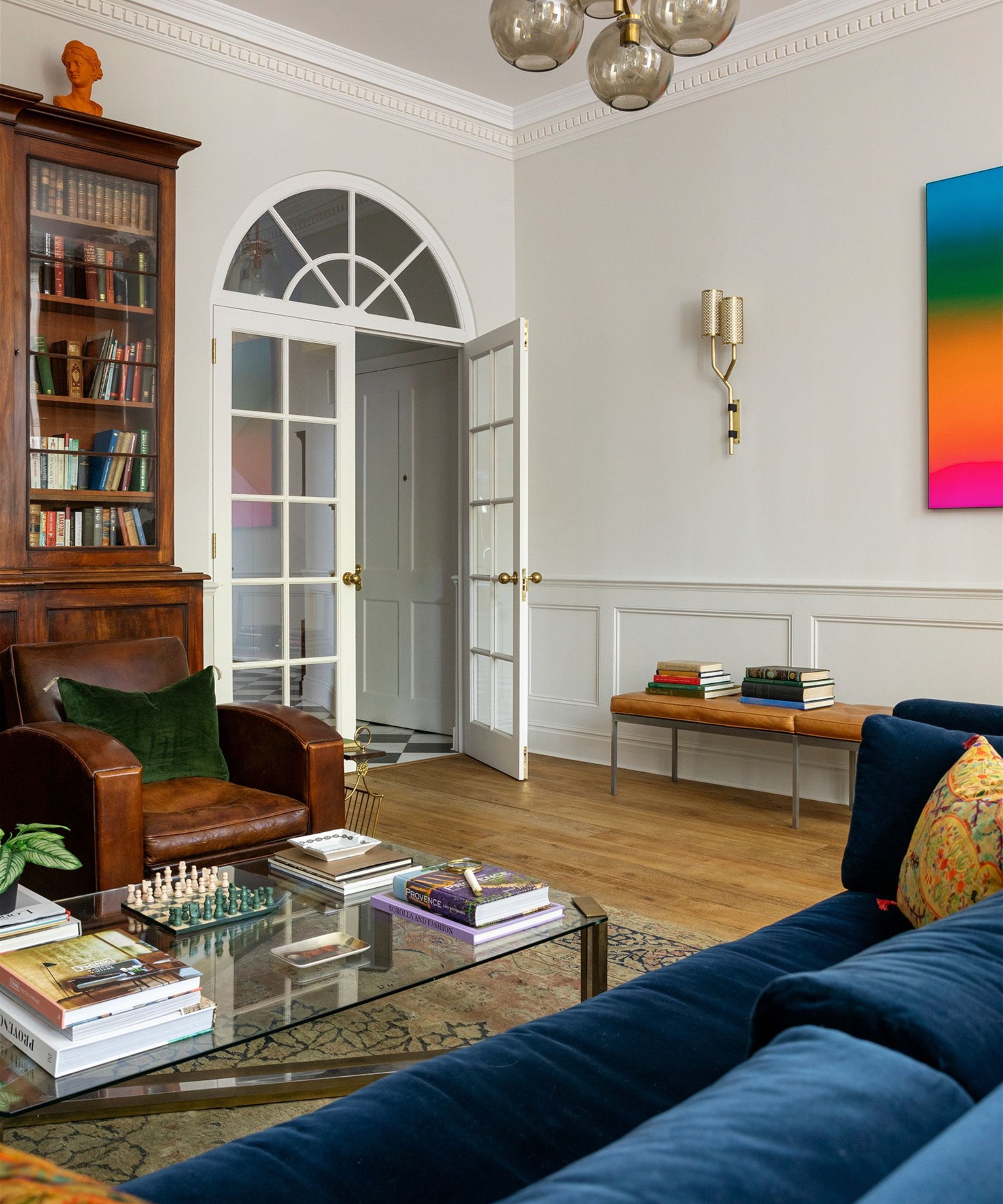
What changed when you came to design your clients' London home?
'I have been working with these clients for over a decade and their approach to each house is very much in tune with how I view each project I work on – location and architecture tend to be the leading elements of the design.
'In CT, they own the oldest house on their street, dating to the early 1800s. It's a farmhouse with beautiful architectural elements on the stairs, wide plank floors and stone walls. The triplex in NY is on Park Avenue, and it used to belong to a famous NYC socialite. It has a two-storey height living room, a spiral staircase, a stone fireplace and a mahogany library.
'In all cases, the architecture was preserved or restored, but the interiors were designed according to the clients' lifestyle at each of these locations. CT is a summer and weekends house so the interiors were more relaxed, a mix of vintage American furniture with some Mid-Century accents. The New York apartment was the main residence, where they also often entertain large groups. The interiors were more formal, more curated, more chic and the art collection plays a big role.
'As for London, it is their UK base for work so it also meant lots of entertaining. Just like in the other residences, the goal was to stay true to the Georgian architecture and still bring in their personalities in the art and furniture. In London, we focused more on English or in general European art and furniture, and procured as much as we could within the UK.'
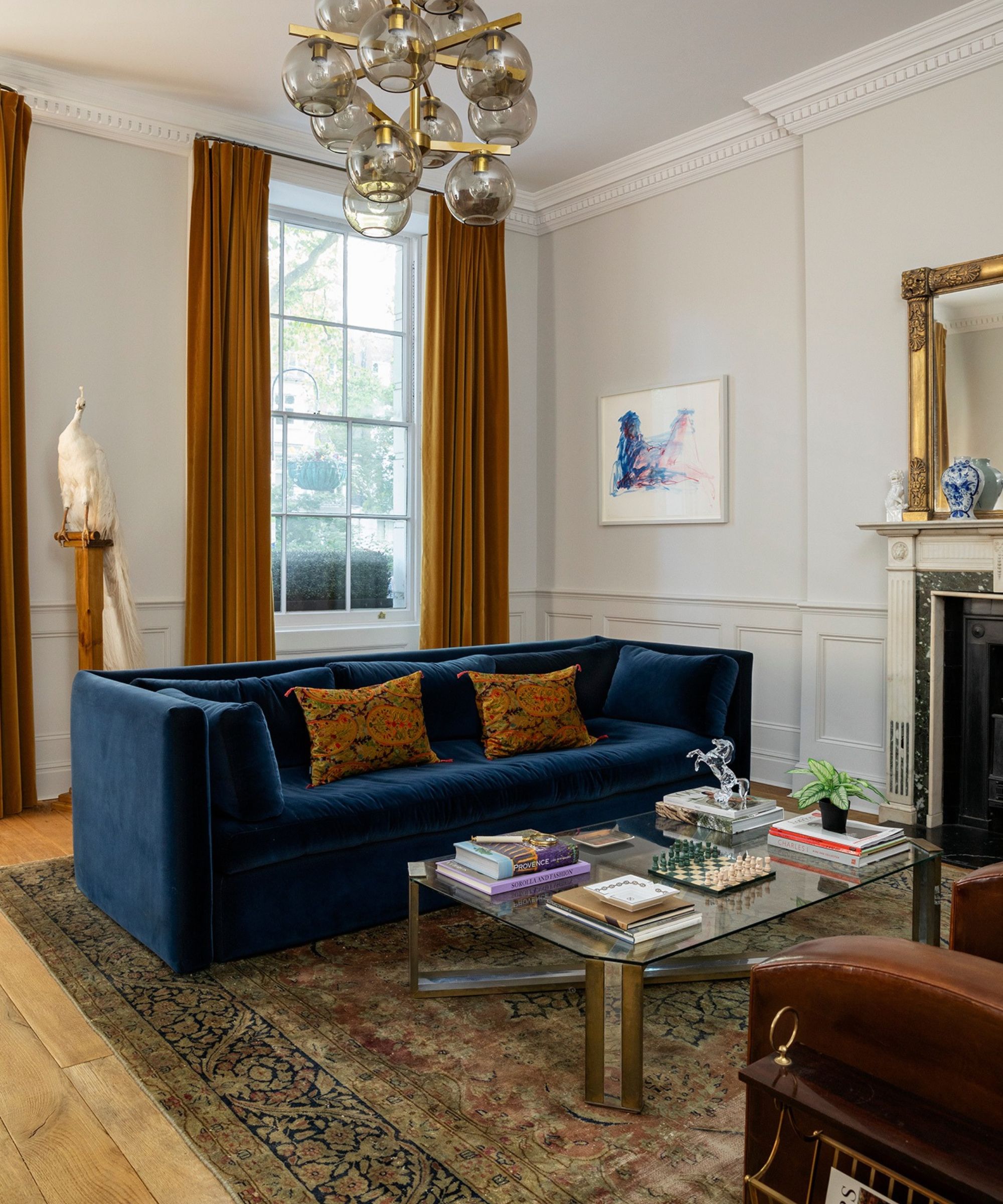
The London apartment had lost almost all of its original architectural. How did you restore it differently to an American house?
'I always try to stay true to the period, including in houses in the USA. There are now wonderful architects like Gil Schafer who are designing new classical buildings and working true to period details. So while there were elements I would do differently in a house in the UK, the process would absolutely be the same.
'The architecture was absolutely as something to work with. The renovation in the '80s had removed all the moldings, the doors were new, even the flooring! The only thing that was kept was the original mantel. So we started over.
'The space was re-laid out to add plenty of storage space, to give the two bedrooms ensuite bathrooms, add a powder room, and an office. So we thought, okay, well, let’s open it all up and do it properly. We gutted the flat all the way to the studs and brick walls.
'Then we did our research and started adding elements in each area of the house – all the trims, moldings and plaster work, types of doors, the hardware, the flooring. Certain elements, we did not have to go far for inspiration – the main entrance of the building had been kept intact – the doors, the black and white flooring, some of the moldings. So we made sure there was continuity.'
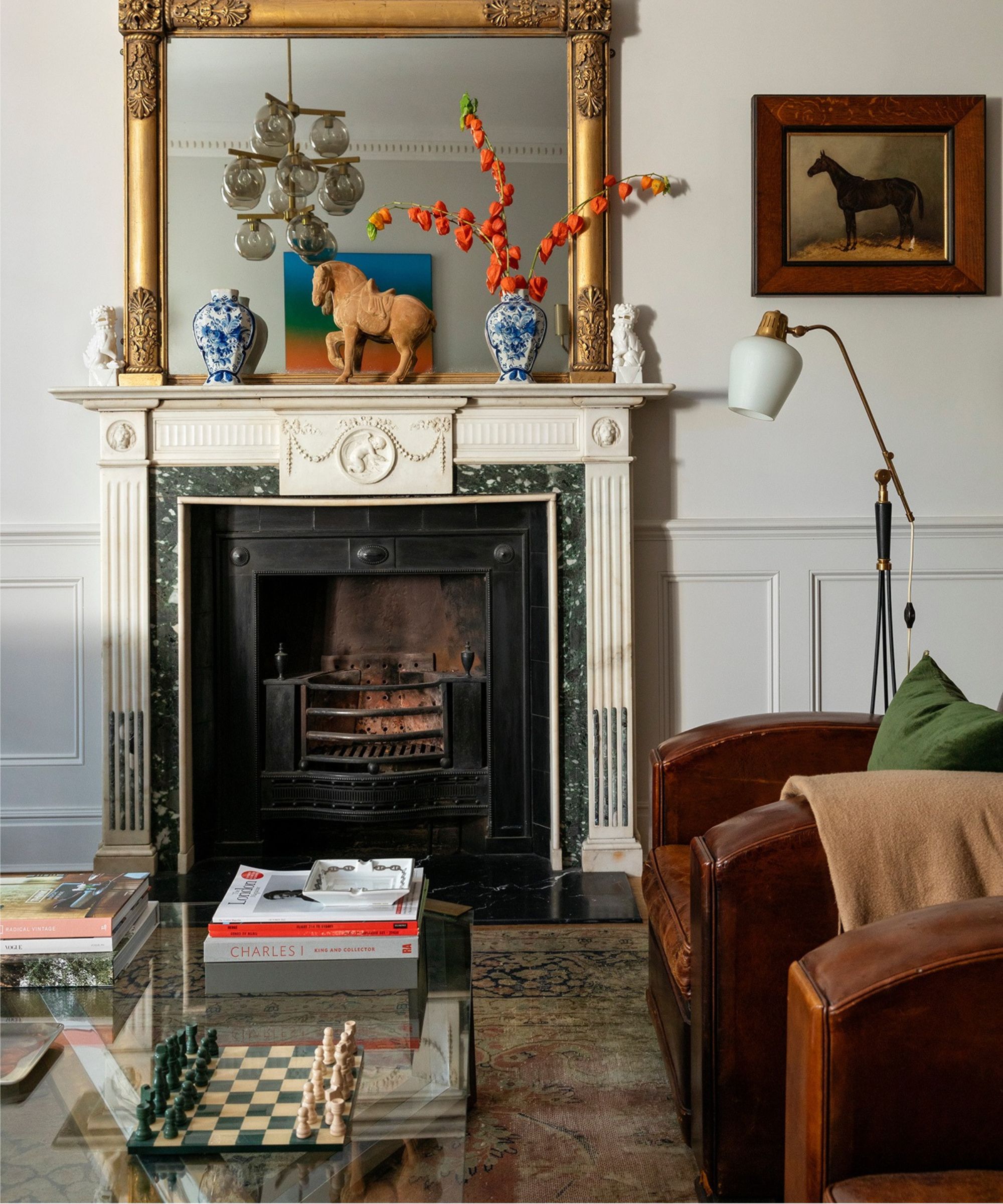
You were asked to maintain or replace the Georgian elements 'in kind'. What did that mean in practice?
'It meant we wanted to stay true to the period of the architecture. The clients are well travelled, and have an appreciation for art and history. They had considered other areas in London when looking for a flat but the main appeal of this one was not just the location, but also the character of the building.
'They also were very clear that they wanted to use as much vintage and antique furniture and accessories as possible, not just because quality tends to be better than much modern furniture but also because they believe in extending the life of antiques and appreciate the history in each piece.
'I would say that it’s also a very European attitude towards architectural continuity but, yes, for sure very British, and I think the clients felt very strongly about it. In practice, this meant looking at other Georgian flats in the area, and researching, for example, different types of doors and windows.'
So there were Georgian details you had to learn on the job?
'YES! Types of cornices and skirting [base] boards of that period, as well as types of doors and windows.
'There used to be a solid door to the living room but the clients wanted to let light into the hallway, so we thought we would do a pair of French doors with a transom light above – however, we wanted it to fit with the architecture. I spent an afternoon walking around Marylebone looking into people’s houses through the windows to see if the fanlights we saw over the entrance doors could be applied to interiors as well.'
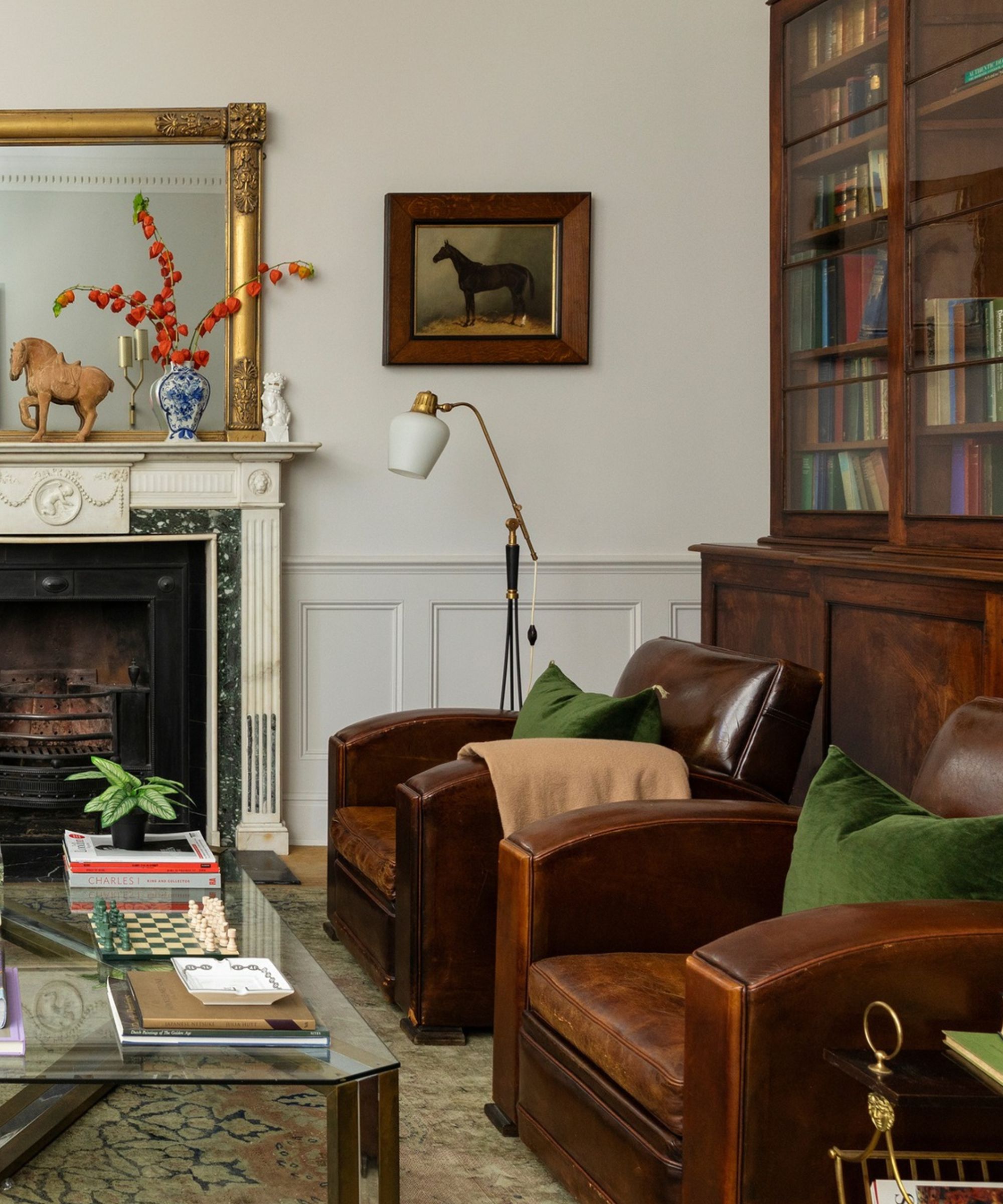
Did the constraints of a smaller London apartment actually make the design more interesting?
'Oh for sure. I love period architecture – I am Portuguese and I have a degree in Art History – and a passion for old homes and buildings. I try to bring this to projects I work on in the USA so working on this project in London, with these clients, was a dream.
'The constraints here were actually just fun challenges. The beauty of working in the UK – versus working on a house in the USA inspired by Georgian architecture – is the availability of resources. It was easy to find the right molding, the trades who knew what to do, how to make a bespoke cupboard, etc, so in that sense, it was easier.
'We identified the needs first – king size bed vs. queen, 7ft sofa versus two loveseats, etc. We also needed to carve out a powder room – the clients entertain often and the last thing they wanted was for guests to have to go through one of the rooms to go to the bathroom. So there was a lot playing around with space, all heads thinking together, but we did it.
'And here we had to reach a bit of a compromise – hence the navy velvet sofa being newly made. We had looked at vintage sofas but they were too small, too formal. That was for sure the element we struggled with a tad so it would work with the rest of the furniture, scale and style-wise.
'The truth is that we also wanted the space to feel not just lived in, but personal and that it had been lived in through the years – it is not unusual to find houses of a certain period and the furniture styles from the 18th century live happily together.'
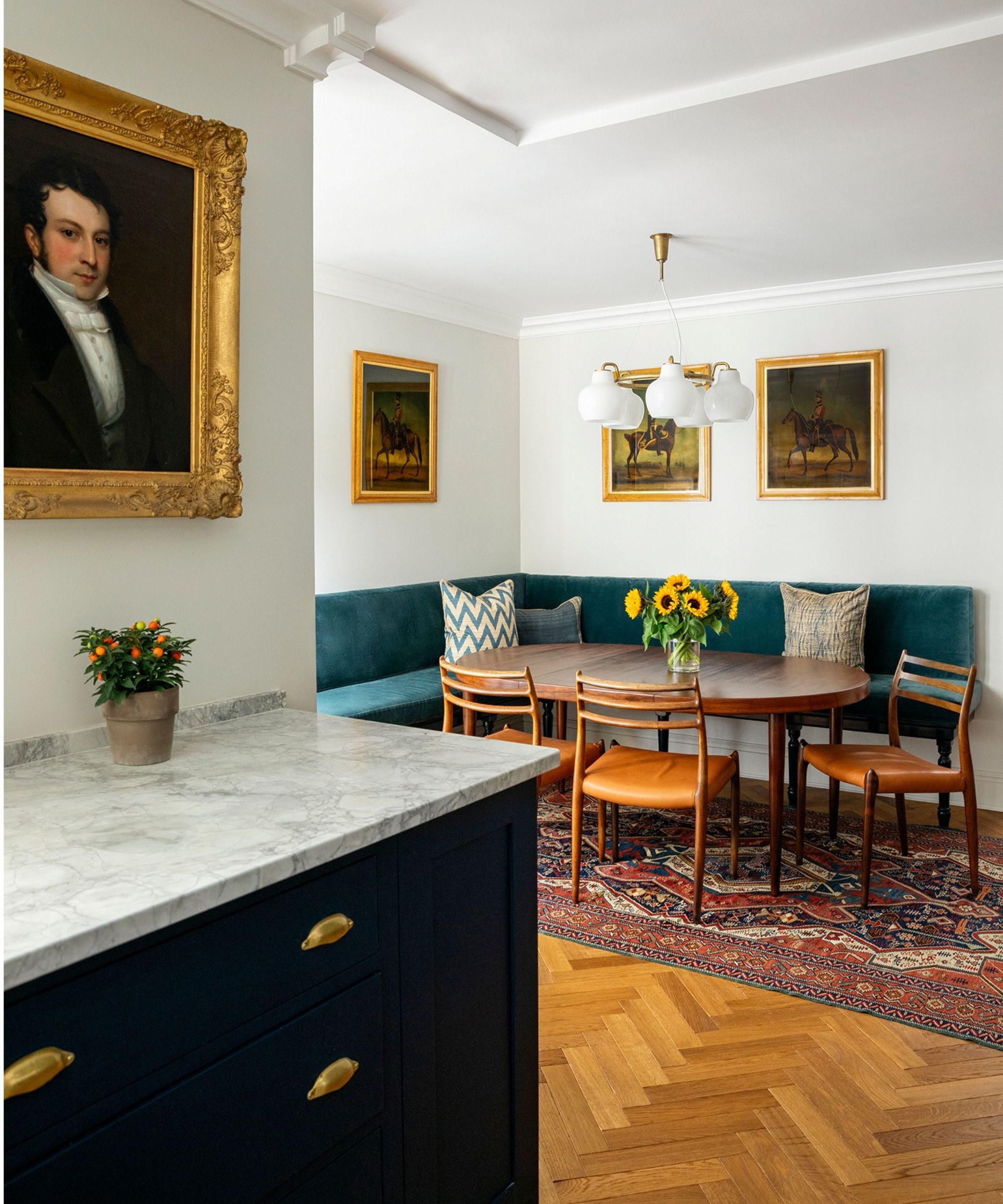
The apartment combines 18th-century paintings, a 19th-century bookcase, Mid-Century Italian furniture, contemporary art, taxidermy and a Persian rug from New York, Connecticut, Amsterdam, Paris, Gloucestershire and London. Did working in Britain change the way you source, and is there a different attitude towards mixing periods in Britain?
'I already source most of the furniture, lighting, fabrics, etc from the UK – it is my preferred aesthetic so I am very familiar with not only design centers and vendors but I also have regular antiques dealers I buy from. It was super fun to work 'locally' this time, instead of dealing with transatlantic traffic.
'I had no restrictions in terms of 'can I take this or not', for instance, the breakfront bookcase in the living room came from a dealer in Greenwich. He drove it himself and delivered it to the flat.
'These clients were very particular in the sense that they are art collectors and travel substantially. It also felt right – we were not designing a museum, frozen in time. The goal was a building true to its architecture, and an interior that didn’t just respect it, but grew with it.
'So the clients bought art they loved, brought a few items they had bought before at auction like the taxidermy, and we added pieces that made sense in the space but that also had a story.'
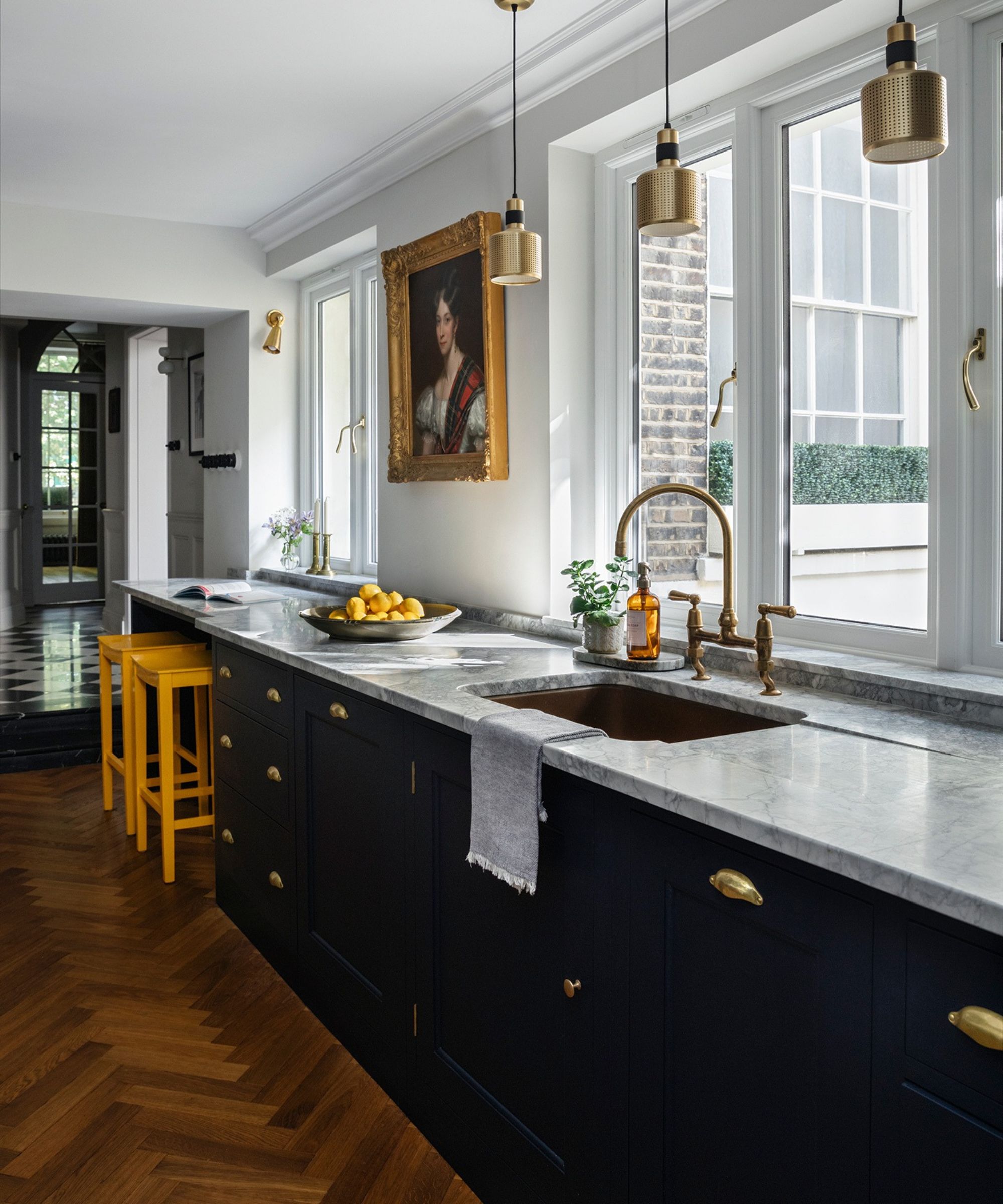
Did you deliberately make the apartment feel British, or was the aim to make it feel like your clients?
'Both. We wanted it to be heavily British. They wanted it to be grounded in its history and context – and still feel theirs, with their favorite art and pieces.
'We were inspired by designers like Rose Uniacke, by historic interiors – we visited the nearby Wallace Collection a couple of times – and even by the other houses the clients have. The line that runs though them is that they belong where they are but you also recognize the personality of the clients – the consistency of the mix of antiques with Mid-Century, with contemporary art.'
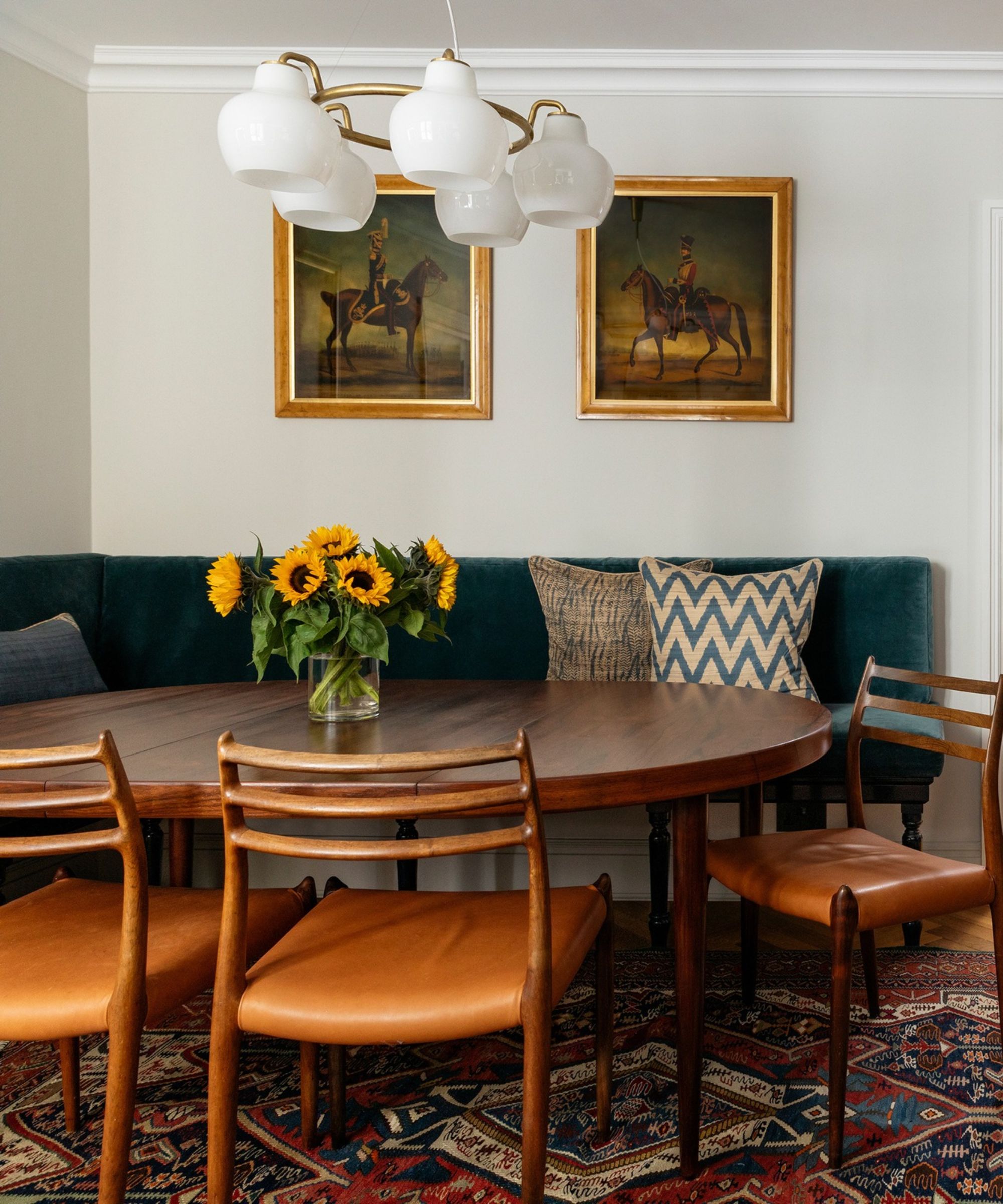
Did working with British makers and tradespeople change your expectations of craftsmanship?
'Yes – a lot of the makers, I had already worked with but once it was said that the project was in London, I had to readjust my mindset.
'I think everyone knows – and it was an adjustment to me when I moved to the USA 25 years ago – that here everyone wants everything . For projects in the UK, and the ones I have worked on in Portugal, let’s just say that email replies and call backs are not as urgent!
'In the end it was all good but yes, there was a certain lack of urgency that I had to re-learn. Now the beauty of it was the bespoke side of the carpenters, framers, etc. Architectural design fascinates me and I learned so much from the trades, who had the patience to teach me new terms and how certain details could be made.
'In Europe, there is a certain emotional investment in craft that while it does exist in the USA, it is not as common. In the USA, only at a 0.0001% top tier will you find tradesmen accustomed to period details. You can find wonderful trades, and I have quite a few whom I have worked with for years here in the USA, capable of very high end quality work but not necessarily knowledgeable of period details. It is usually up to me to do the research.'
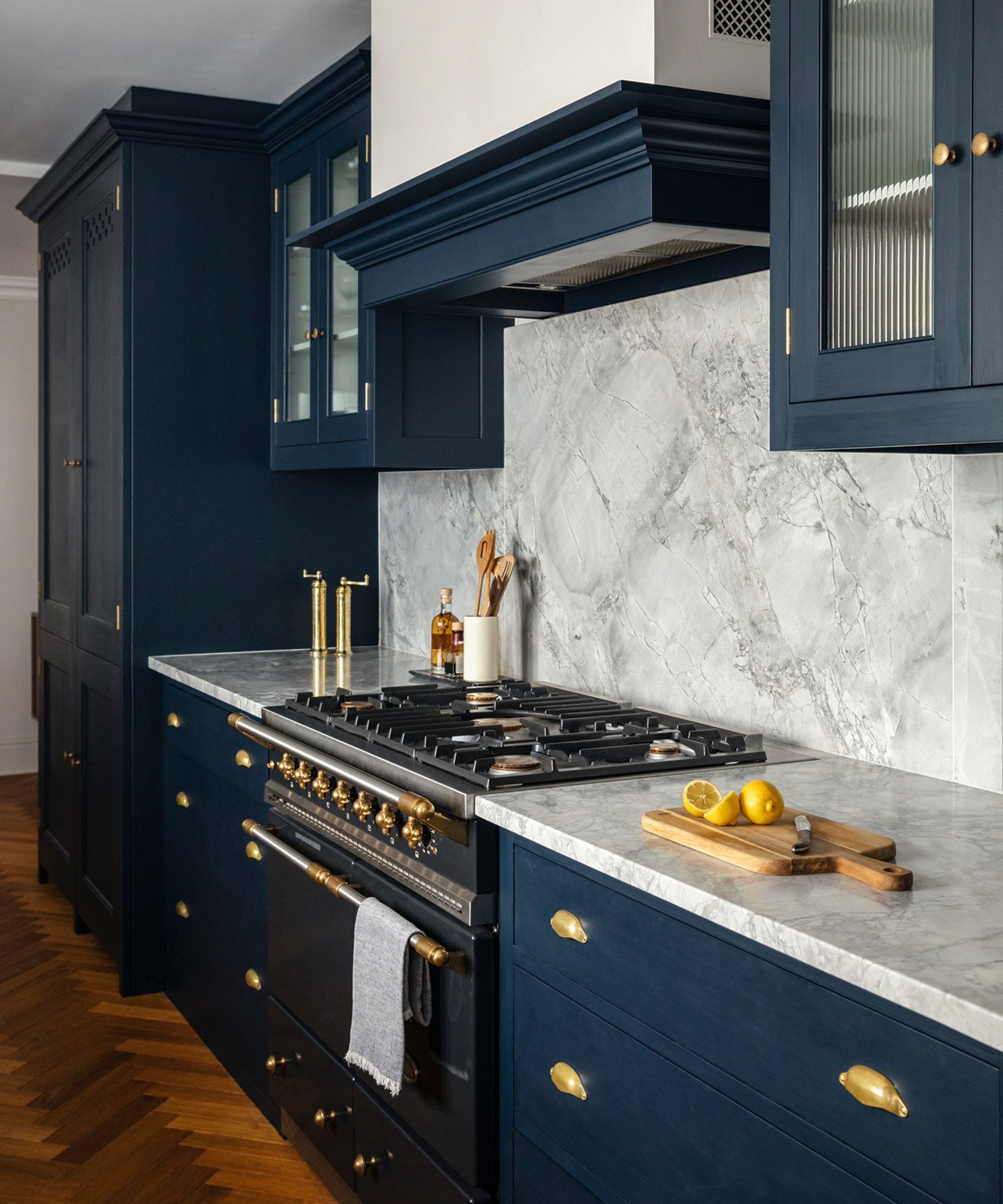
Why did Plain English feel like the natural choice for the kitchen, and what did the project reveal about British and American kitchen design?
'The client contacted Plain English just before I came on board, while they were just starting the design. The client chose them because the aesthetic seemed perfect for the flat.
'In my mind, there would have been no other choice but a British kitchen company! How could it?
'The kitchens I design for houses in the USA are heavily influenced by British kitchen design – not just Plain English but also Humphrey Munson, deVOL, etc.
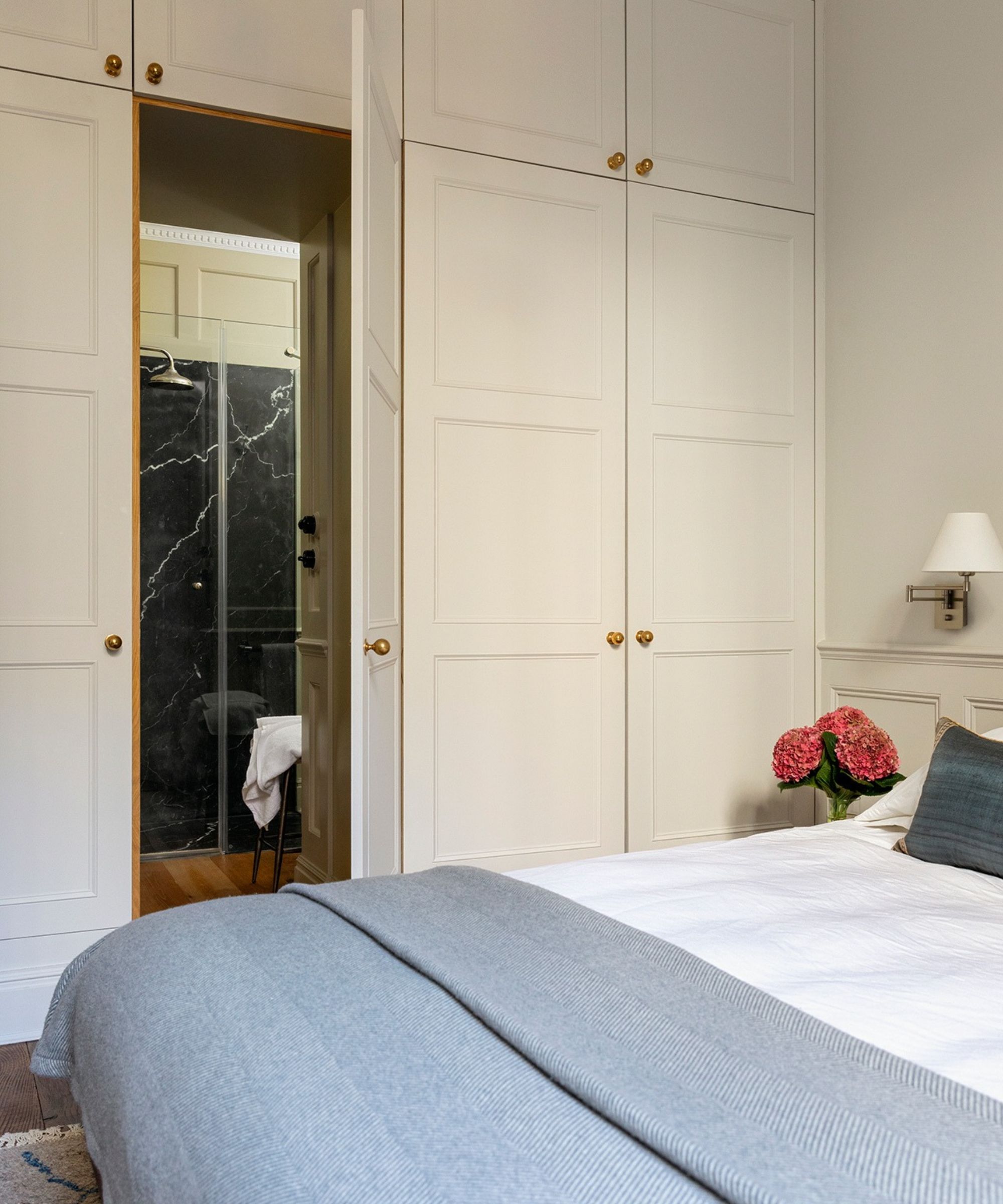
'One detail that came up, and does often, is the difference at the top of the cabinets in English vs. American kitchens. In the USA, unless your ceiling is 10ft, cabinetry goes all the way to the ceiling. In the UK, cabinetry is made to look not built-in but stand alone! There is always a gap above the cupboard.
'In this flat, the ceiling was not very high so the space above the cupboards were only something like 10cm. After much back and forth, they did place a molding above them to close that gap.'
Having worked predominantly in America but with a European background, what did working in London make you see differently about American design?
'I am Portuguese – and an anglophile at that; I lived in London for five plus years a long time ago – and I'm US-based but not American. Having said that I have only had American clients and my business is 95% based in the USA.
'I believe in craftsmanship and while it exists here in the USA, the British are much more invested (or trying to) in preserving craftsmanship. I am thinking of all the efforts that someone like Lulu Lytle has been making towards training young people in furniture and lighting making, or Jamb and many other British makers.
'Working on this project, if anything, made me more frustrated for certain projects at home in USA. This obviously does not apply to everyone and I have some wonderful clients who care for quality, but in general, there is an interest in more, better looking but make it faster.
'Often I find that it’s more important to get something that can be made faster rather than wait longer for the perfect piece. And that is what I carried with me and try to impress on my clients here. Better to wait six more months for something you will love for the next 30 years than buy something now that you’re settling for.'
What do you think American designers misunderstand about British interiors – and vice versa?
'That’s a question that is hard to answer. It is without a doubt one of my biggest questions.
'I recently finished a project here in the CT, for a lovely client who shares with me a love for things well made, especially if they are made in England. We had it photographed, a project where I used all my favorite makers – Soane, Vaughan, Penny Morrison, Hector Finch, Besselink & Jones, GP&J Baker, Colefax & Fowler, Armac Martin, antiques dealers in the UK, etc.
'I submitted it to a large magazine in the UK and I was told it was lovely but too American. And it got me stumped. I was expecting a no – you have to at least try, right? – but I was certainly not expecting that answer.
'I have thought long and hard about this and I think it may have meant two things: proportions – it’s a house with large rooms – and too new – nothing looks too old, too worn.
'So I think that is the biggest disconnect between interiors on the two sides of the ocean. You can only design so much a lived-in room – you have to actually live in it. Come back to photograph it 10 years from now...'
What do British designers seem to do instinctively that American designers can struggle to reproduce?
'I have listened a lot to some British designers talk about this subject, like Salvesen Graham and Ben Pentreath and I find it super interesting.
'I also think that no matter how much designers in the USA try, me included, no one does interiors like a British designer. It's in the colors, the textures, the mismatched, the patina and it all works together. In new settings like a lot of houses in the USA, it looks too 'designed'. Not sure any of this makes sense and I am just thinking "out loud."'
Subscribe to the biannual print edition for a richer, more thoughtful view of design.