A new platform where the world’s leading design voices reveal the ideas, insights, and secrets that make homes truly exceptional.
There is a particular occupational hazard that comes with working in the interior design industry: you can no longer simply walk into someone's house. You're looking at the curtains. You're wondering why the sofa is floating six inches too far from the rug. You're clocking the overhead lighting, the height of the artwork, and the door hardware that doesn't quite belong. Meanwhile, the homeowner is happily offering you a glass of wine, completely unaware that you've mentally rearranged their living room before taking your coat off.
It's not that designers are impossible to please (well, not always). It's that after years of looking at homes, you start to notice the little things that most people overlook. It inherently becomes you; you live and breathe in those little details, but more importantly, you have not realized how much those little things affect the way a room feels.
The good news? You don't need to renovate your entire house to make it better. Sometimes the difference between a room that feels almost right and one that feels genuinely considered comes down to a handful of decisions you may never have thought to question.
1. Your Curtains Are Probably Too Short, Too Wide or Just Too Much
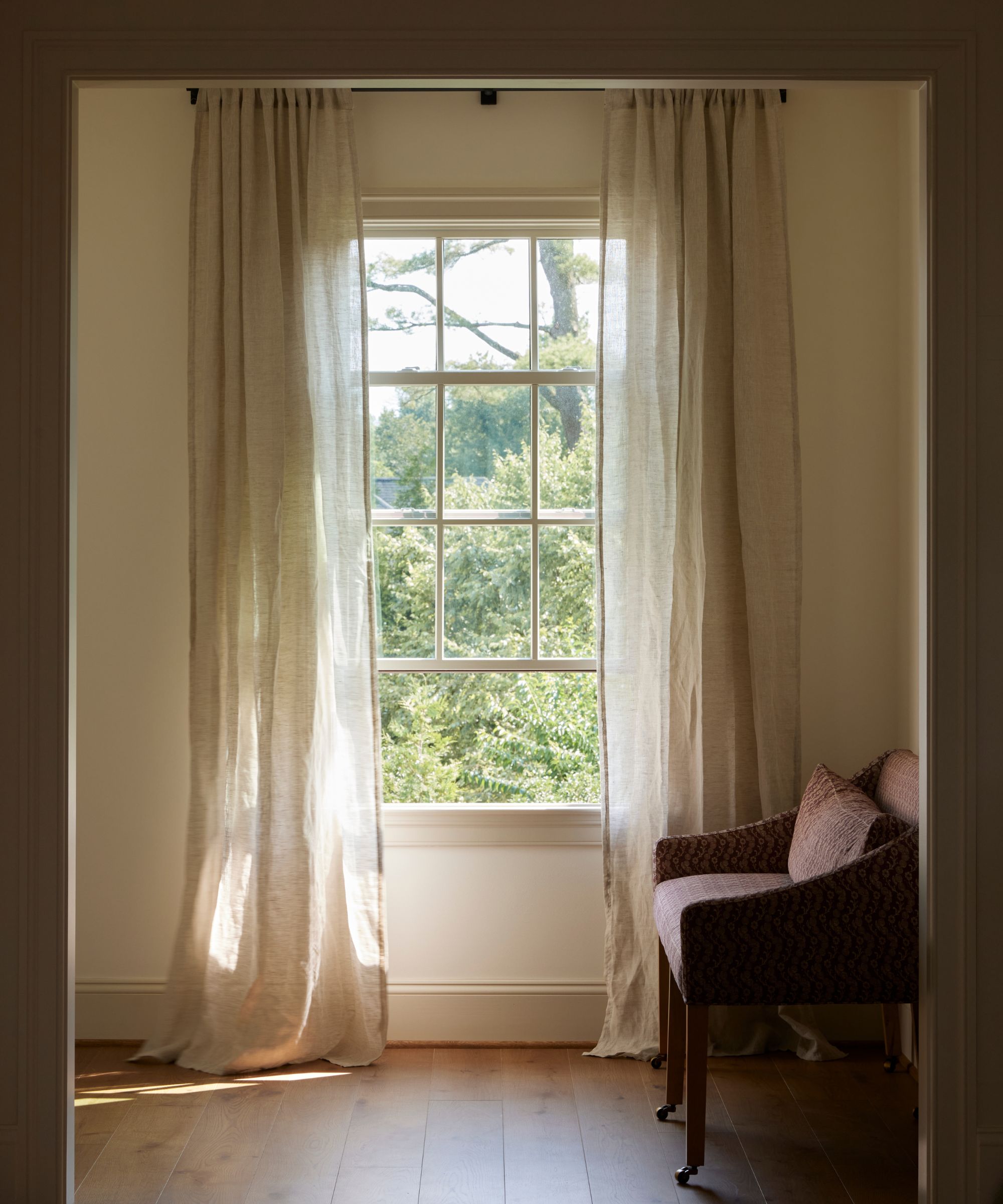
I'm starting here because window treatments are one of those things that can quietly undermine an otherwise beautiful room. Too often, curtains are hung just above the window frame, stopping awkwardly at the floor, with barely enough fabric to cover the glass. Technically, they're doing their job. Aesthetically, they're missing the point. Curtains should feel like part of the architecture, not an afterthought. Hanging them higher and wider than the window can make ceilings feel taller and windows feel grander. Generous fabric creates softness, movement, and a sense of luxury that even the most expensive sofa can't quite replicate. And please, let them kiss the floor. We're not dressing for a flood. Now, I don't want you to go overboard either – window coverings have a time and a place, and not every single window needs them. Evaluate the space: is it for privacy? Is it to add that extra layer to a room? We’ve come into projects before where we take the drapery out in certain rooms altogether, and instantly the view becomes the main character and the windows feel like they can breathe again. The long and short – pick and choose, and if you do choose yes, make sure they aren't swallowing the glass.
2. Your Lighting Is Setting the Wrong Mood
If the first thing you do when you enter a room is turn on a grid of bright overhead lights, we need to talk. Good lighting is layered, and it should change with the way you use a space throughout the day. I think of lighting as the jewellery of a room. Table lamps, sconces, picture lights and pendants all have a role to play, and together they create depth and atmosphere. A single overhead fixture rarely does a room justice, particularly in the evening when you want things to feel a little softer. I'm also a firm believer in choosing warm-toned bulbs. Your home should feel inviting, not like you're waiting for a dental cleaning. The right lighting makes natural materials richer, colors more nuanced, and people considerably more flattering. It's a small change with a surprisingly big payoff. Also, dimmers – always; that's a non-negotiable.
3. Everything Matching Isn’t the Same as Everything Working
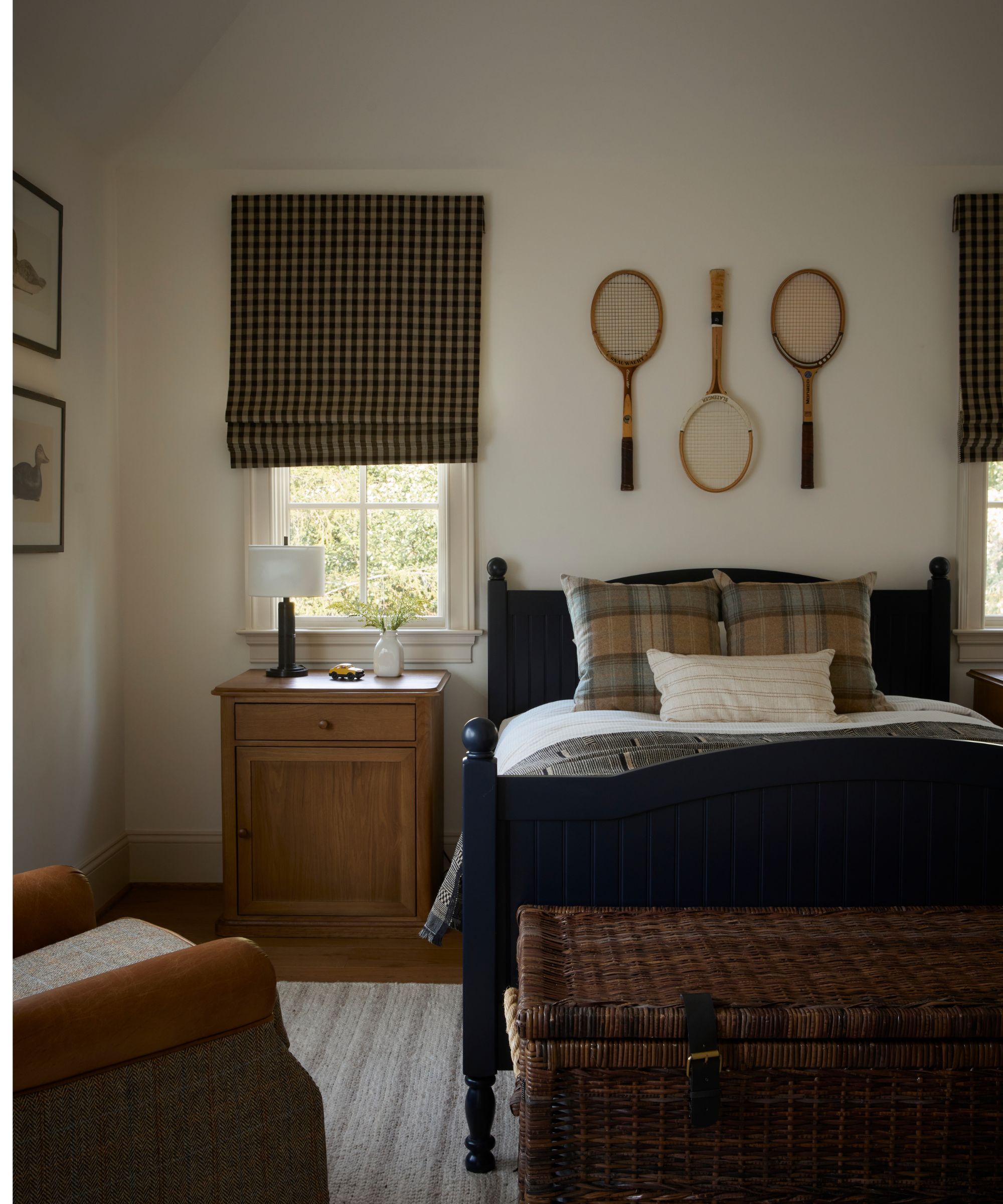
There is a temptation to buy the entire furniture collection, coordinate every finish, and make sure every piece of wood is exactly the same shade. I understand the instinct. It feels safe. But safe can quickly become a little soulless. Think the 90’s bedroom set … the dresser matches the nightstand matches the bench matches the headboard. Just say no. The most interesting homes have contrast. An antique chest beside a contemporary sofa. A slightly imperfect vintage lamp on a beautifully tailored side table. Old wood against fresh linen, polished brass against something weathered. These combinations give a room character and make it feel as though it has evolved. It is collected; you don't want it to look like the showroom of the latest big box store. I'm not interested in making a home look as if it was purchased in one afternoon. I want it to feel collected, layered, and personal. That doesn't mean throwing together a random assortment of things and hoping for the best. It means being thoughtful enough to know that not everything needs to match to belong together.
4. The Small Details Are Doing More Work than You Think
Door handles, cabinet hardware, switch plates, trim profiles and the way one material meets another are rarely the first things homeowners think about. Yet they're often the details that separate a considered interior from one that feels unfinished. This is probably one of the easiest upgrades even in a builder grade home; these are easy upgrades that make a very big difference on the feel of the home. A beautiful kitchen can lose some of its magic when the hardware feels generic. A lovely room can feel strangely flat when every finish is new, shiny and perfectly uniform. Materials need a little variation, and the details should feel connected to the architecture and the overall story of the home. This is where I think restraint matters. You don't need to upgrade every handle in the house or replace perfectly good finishes simply because they're not fashionable. But when you're renovating or making changes, don't leave these decisions until the end. They're not the finishing touches you squeeze into the budget if there's money left. They're part of the design.
Design expertise in your inbox – from inspiring decorating ideas and beautiful celebrity homes to practical gardening advice and shopping round-ups.
5. And Finally, Give Your Furniture Some Breathing Room
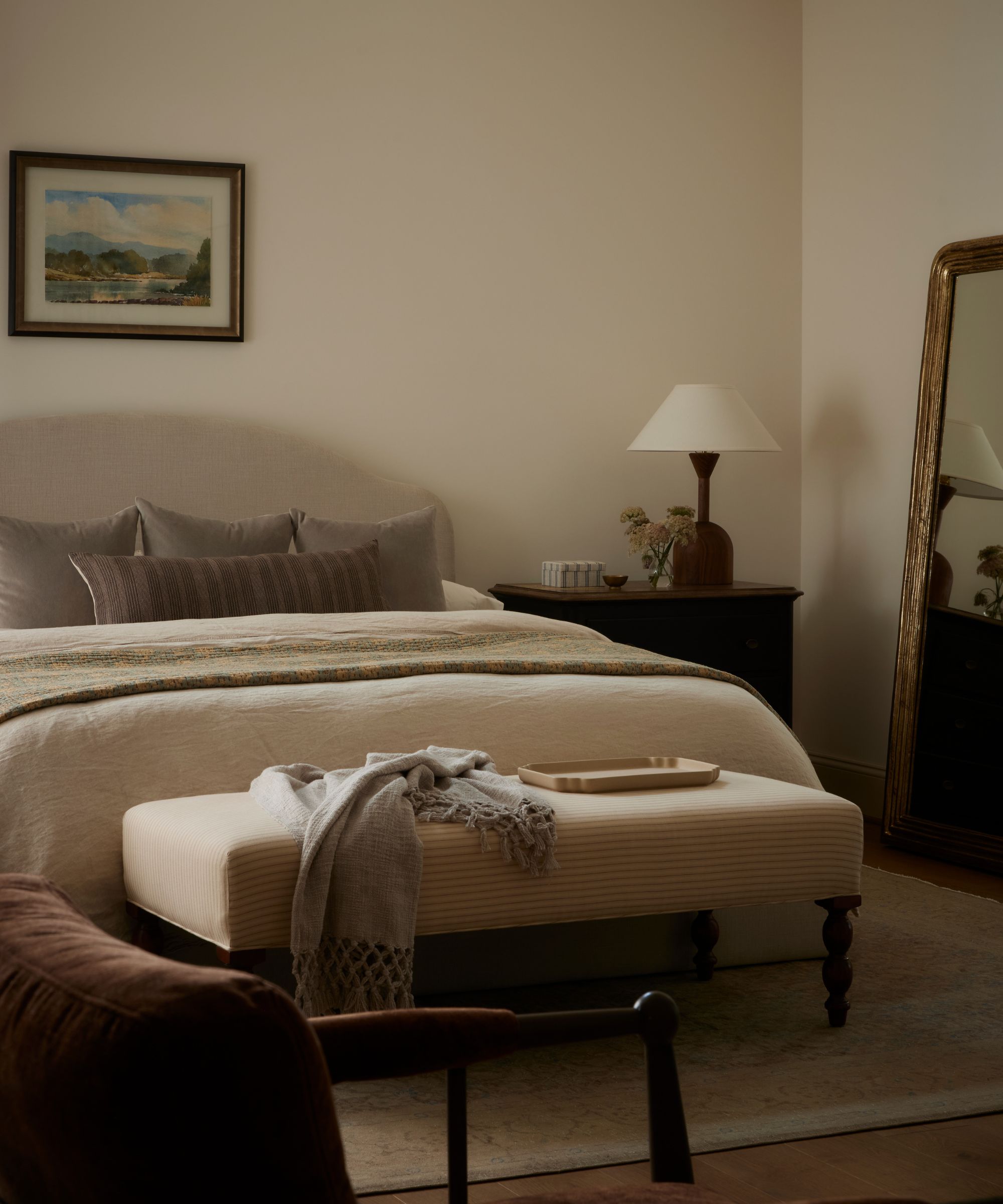
One of the most common mistakes I see is trying to fill every corner. A larger sofa, another chair, one more side table, a few extra accessories. We tend to assume that adding more will make a room feel more complete, when often the opposite is true. Good design is as much about what you leave out as what you put in. Furniture needs room to breathe, people need to move comfortably through a space, and the eye needs somewhere to rest. A beautiful piece of furniture deserves to be seen, not wedged between three other things. Before buying anything new, try removing something. Pull the furniture away from the walls if the layout allows, reconsider whether every surface needs an accessory, and pay attention to how you actually move through the room. Sometimes the best design decision is the one that costs absolutely nothing. Ultimately, the things designers notice aren't necessarily the expensive things. They're the decisions that make a home feel cohesive, comfortable, and considered. The right proportions, the warmth of the lighting, the contrast between old and new – none of these require a limitless budget, but all of them require a little thought. And if you take nothing else away from this, please reconsider your curtains. We really do notice.
Interior designer Ashley Montgomery is one of Homes & Gardens' Editors-At-Large for , sharing her thoughts on decor. See the rest of her articles here.
Love beautiful design ideas, expert advice, and inspiring decor trends? Sign up for our newsletter and get the latest features delivered straight to your inbox.