Roman Alonso has never believed in following a formula. As the co-founder of celebrated Los Angeles design studio Commune, he has built a career creating deeply personal interiors that feel as though they could belong to no one else. Yet his route into design was anything but conventional. From a childhood in Caracas surrounded by color and nature to formative years in Miami and New York, a career in fashion PR and publishing, and finally an accidental leap into interiors, every chapter has shaped the way he thinks about home today.
In this latest edition of our series of interviews, Roman explains how, along the way, he has absorbed lessons from creative icons including Isaac Mizrahi, developed a lifelong passion for collecting, and discovered that the most memorable interiors are those that tell the story of the people who live in them. Here, Roman reflects on the influences that shaped his eye, why every color can be a neutral, and why curiosity remains his greatest design tool.
Homes & Gardens: Is there anything in your childhood or formative years that hinted at the career path you’d take?
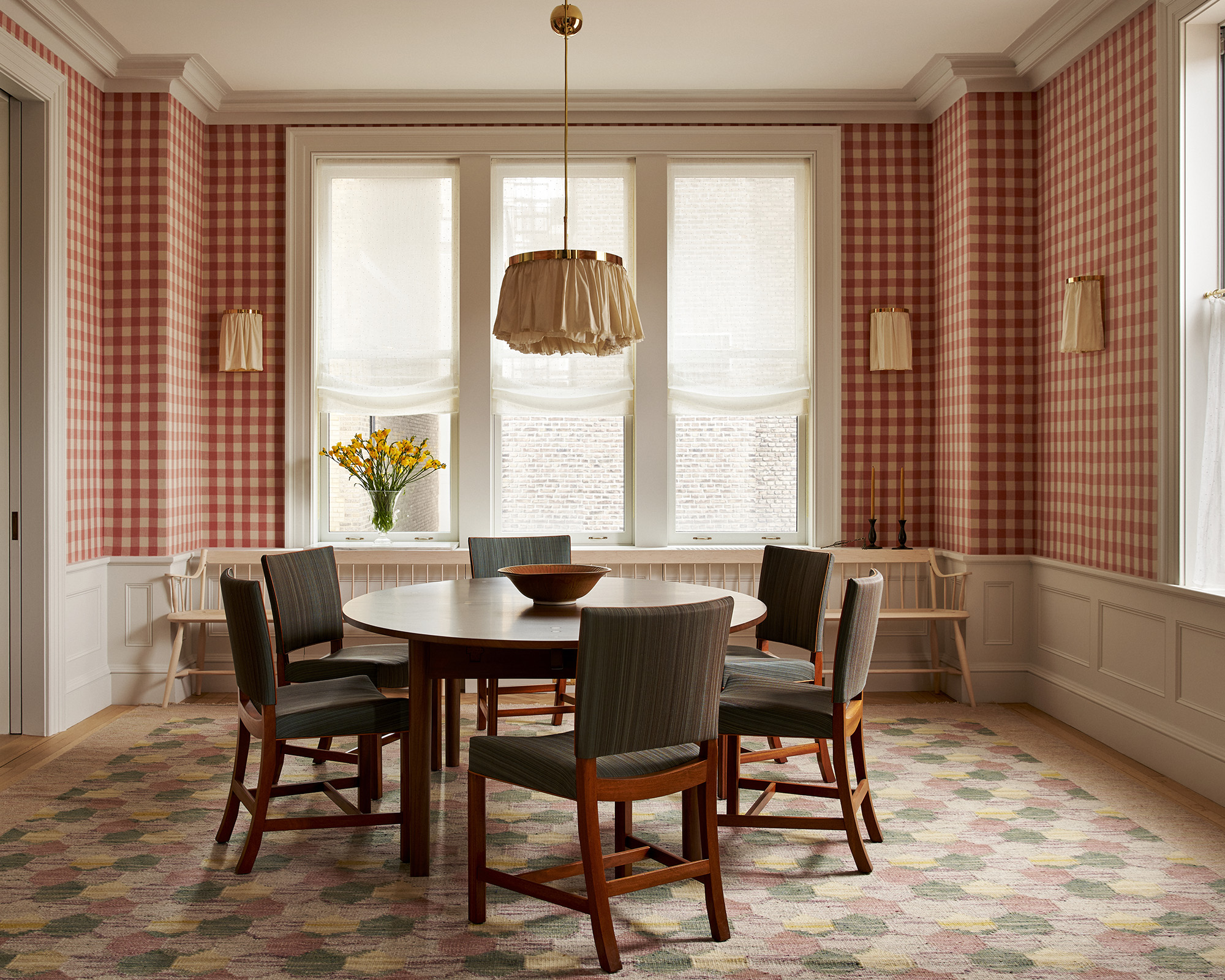
No. Well, yes and no. I grew up in Caracas and was there until I was 13. I grew up in a beautiful environment, with a lot of nature. We would travel around the country and always be surrounded by nature and beauty. My parents redecorated the house every year just before Christmas, but what was interesting was that we always had the same stuff. My mom would just reupholster it, redo the wallpaper, and change things. And that was all quite formative.
Homes & Gardens: In what way?
In the way that I now practice that approach, too, investing in things that you keep forever. We left Venezuela for Miami. Caracas in the 1960s and 1970s was the best time, and then Miami in the 1980s was incredible. It was a time of great appreciation for Art Deco, and I was exposed to that. It was the time of , when, culturally, there was a lot going on in the city. I was just absorbing it, with no knowledge of the context.
Homes & Gardens: Were there any specific people who were influencing or inspiring you?
Design expertise in your inbox – from inspiring decorating ideas and beautiful celebrity homes to practical gardening advice and shopping round-ups.
I moved to New York City in 1987, and that was a really great moment in that city, too. I was exposed to the way people lived downtown and in lofts, and it affected my idea of what a living space was. And then I remember the first time I went to Francesco Clemente’s house in the West Village, and it was eye-opening. How these people lived! I was in my 20s, they were in their 40s, and they were my heroes of lifestyle, of living in an aspirational way.
Homes & Gardens: What were you doing for work at the time?
I was working in PR at Barney’s, and I was exposed to a lot of these sorts of people, traveling across the country. People opened their homes to me, and I was experiencing other people’s lives. And then I went to work for the fashion designer Isaac Mizrahi, and he had a love of upholstering chairs in horsehair. The way he used color! I didn’t know what horsehair was, and all we wore was black. Even my apartment was just black and white. But with Isaac, he was an amazing colorist, and he exposed me to color.
Homes & Gardens: What did you learn from Isaac Mizrahi?
He always said there is no such thing as a bold color; every color is a neutral. It has to do with nuance and how it’s put together. He’d say, “Name me a color you think isn’t a neutral, and I’ll tell you why it is!” So we’d suggest hot pink, and he’d be like, “Hot pink is a neutral – tell me one single color that does not go with hot pink!” You’d be like: brown! Black! Yves Klein blue! And it all went! There was a lot that I learned from him. And then when I ended up in California, that life affected me in a very different way. I was surrounded by nature again.
Homes & Gardens: What was life in California like?
In New York, I had a rent-controlled, two-bedroom apartment, but I was never there. My life was never in my house; I never cared about my apartment. But in 1998, I moved to LA – at the time, no one was moving to California. Everyone said, “Why are you living there? It’s a cultural wasteland; you’ll expire creatively!” But I had met the photographer Lisa Eisner, who had been a creative partner and dear friend when I worked at Isaac’s – she was his muse – and she was the reason I moved here. It was she who introduced me to California, and her California was the best California there is! She is a collector and an instigator for collecting – our lives revolved around looking for things. We’d go to flea markets, consignment stores, and absorb different kinds of culture. She introduced me to different types of design.
Homes & Gardens: Did that influence how you decorated your own home?
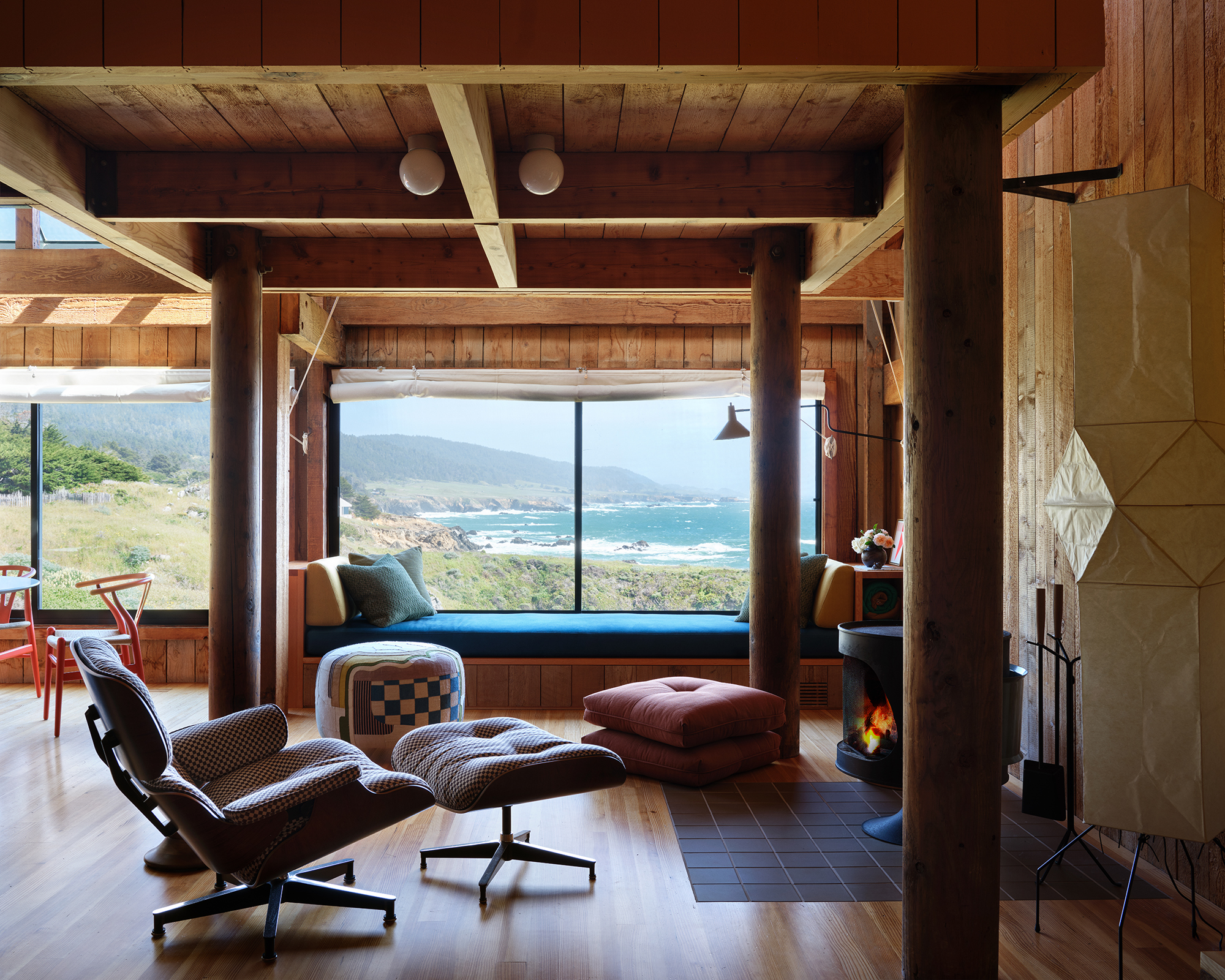
I started collecting. I moved a lot but started bringing things with me, which I hadn’t really done before, as I didn’t have anything I cared about. I started collecting books and photography. Lisa and I had a publishing company and had a lot of photographers on our books – I started collecting their work, as well as objects and ceramics, and these are things that are still in my life. I was accumulating the things then that I still love. Lisa introduced me to rodeo culture and Navajo jewelry, and so in that way, it shaped my environment. I began to live in colors and layers and texture in a way that I never could have done in my 20s. I would have been too afraid.
Homes & Gardens: What was it about collecting that spoke to you?
I like to live with things I love. I have a storage unit downstairs in my building now, and it’s full of stuff I’ve collected – I move things up and down between my apartment and there, rotating things. I don’t believe in just owning things; I like to live with them. It’s not a home without stuff like that. And I use all of it. I spend time going through my books; I use every inch of my apartment. My collected ceramics are the ones I use to eat and drink and have tea. It’s not precious. I have them because I love them, but I have to use them, too.
Homes & Gardens: Being such a magpie, does that make it easy for people to buy gifts for you or hard, because your tastes are so specific?
I’m easy to buy for if you know me. I have a lot of friends who are creative, and I get their work, which is the best thing you can give me – something you have made. The things I love most have sentimental value. And things from my childhood! My mom collected ceramics made in Venezuela by a German company, and she would stop at this place every time we drove by it and buy a piece. I have most of those ceramics from my mom.
Homes & Gardens: At what point did you then move into a design career, from publishing?
Design came about by accident. Commune was an accident. I was working with Lisa on our books at our publishing company, and we wrote articles for . It was a great period of my life, but I knew I would have to get a job as we were running out of money. Then my friend Steven Johanknecht moved from LA to San Francisco, where he was working at The Gap, and I wanted to introduce him to Pamela Shamshiri, who was a friend and who wanted to do interiors. We had a dinner, and it was there that we created Commune. Initially, it was meant to be a design company with a multidisciplinary approach.
Homes & Gardens: What was Commune like on Day One?
My focus was branding, marketing, and graphics, and Steven was well-versed in store design, and Pam had done sets, so we created the company as a design firm, and there was nothing like that, with a group of people each doing their own specific thing. Graphics and branding were a huge part of our business – Stila Cosmetics was a huge client, and we started as a branding firm that did retail spaces, restaurants, and shops.
Homes & Gardens: Did you do the fit-out of these spaces?
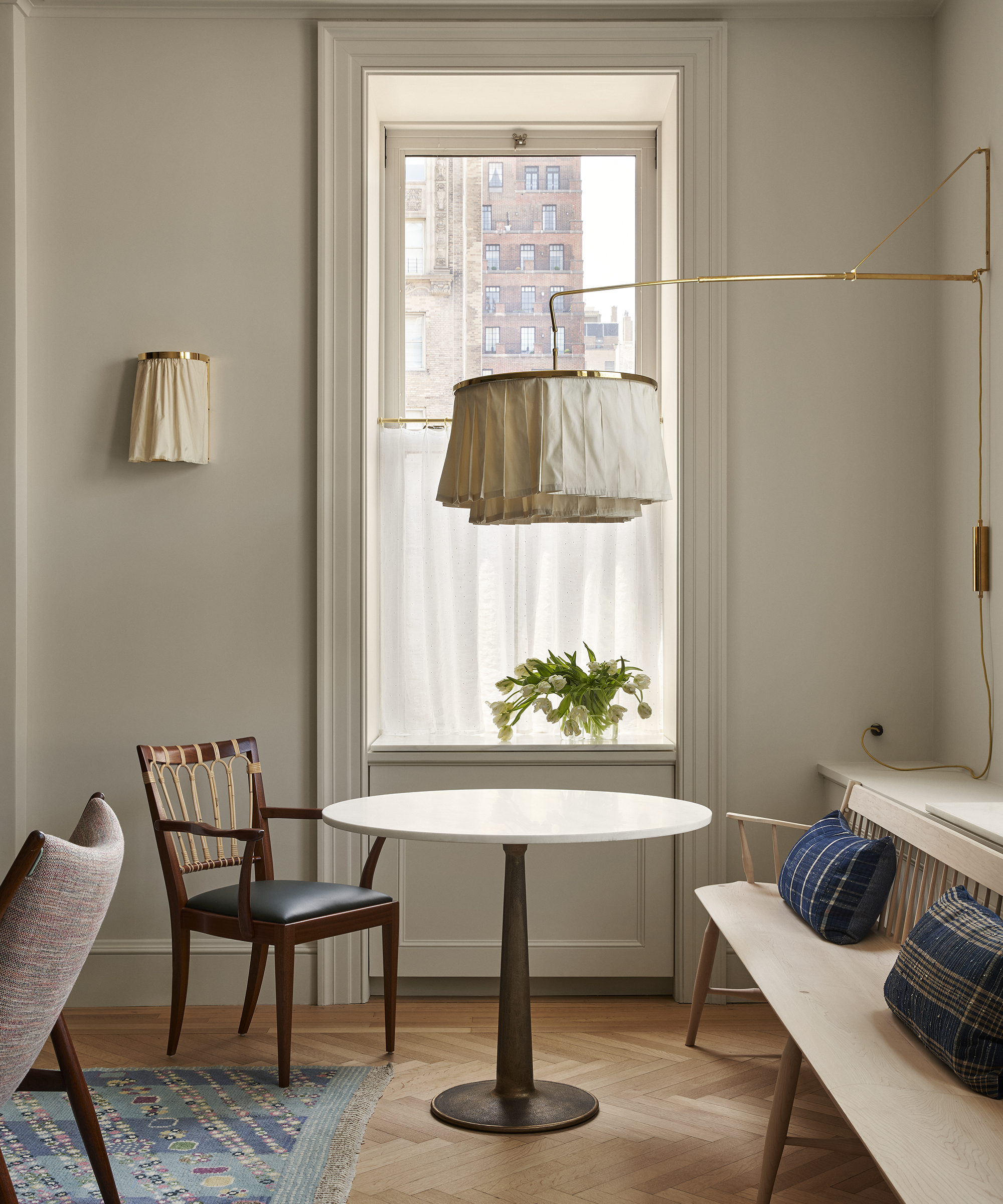
Well, yes, but we would do everything! We would do the uniform, the packaging – it was about bringing a group of people together to run these places. Between us, we had so many contacts; we were a firm that could put everything together for you, create an environment, and launch a business. And it evolved into interiors after about three or four years. I started doing interiors, and Alex Calderwood, who had started the Ace Hotel group, needed a design firm. We had never done a hotel, so we taught ourselves how to do it, and we did five projects for him in ten years. It was a crash course in creating hotels.
Homes & Gardens: Was it ever concerning to learn on the job?
Not really. I had another client who I did a store for, and she asked me to do her house back in 2007. It was an accident, but to me, it was no big deal. When I was doing PR at Barney’s, I did events and gained spatial knowledge, which gave me a sense of how to utilize a space, and I had a knack for that. I could work my way around, and I had been working with budgets, so I just looked at interiors as a spatial and budget problem. You know, like, these are the parameters, just like it was an event. So to me, it wasn’t frightening. I surrounded myself with the best people who could help me; I could tap the best people to teach me how to do it. I wasn’t phased, and now I have 20 years of experience, so I feel confident.
Homes & Gardens: So you weren’t confident at the beginning?
For years, I had total imposter syndrome. I would put “Creative Director” when I filled out a form. I would tap-dance around the thing, but when I bought my own space and started designing it and putting in my own pieces that I had sketched, I began to realize that I am actually a designer. I’m in my 60s now – it’s OK to own it.
Homes & Gardens: As your confidence has grown, has your creative process changed?
I still have the same process I always did. We look at all aspects of things before we make decisions, and every aspect feeds everything else. To us, designing a hotel and a napkin is the same process. We want to make it the best it can ever be.
Homes & Gardens: Commune doesn’t have an instantly recognizable style – every project is different. How do you describe what you do?
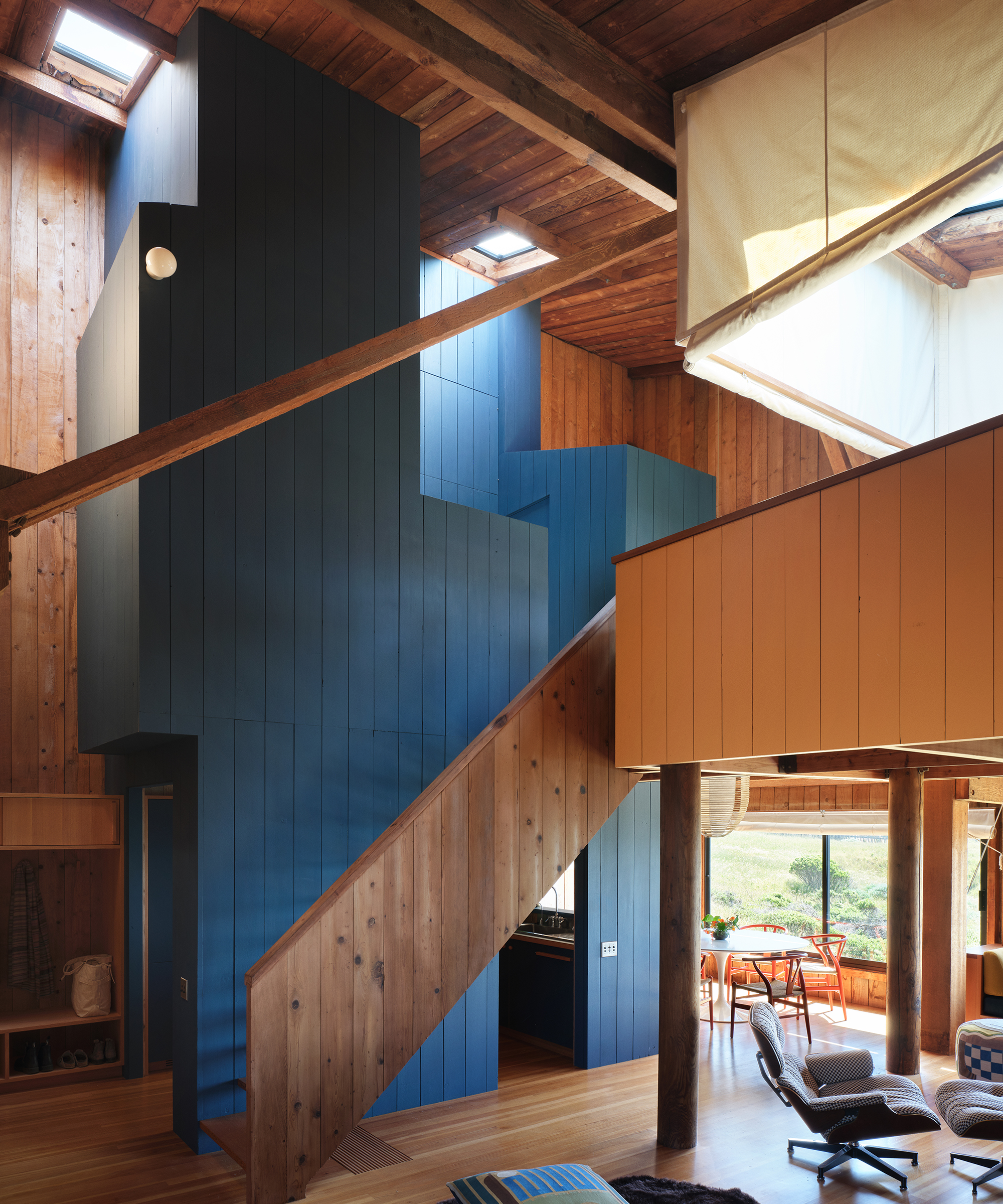
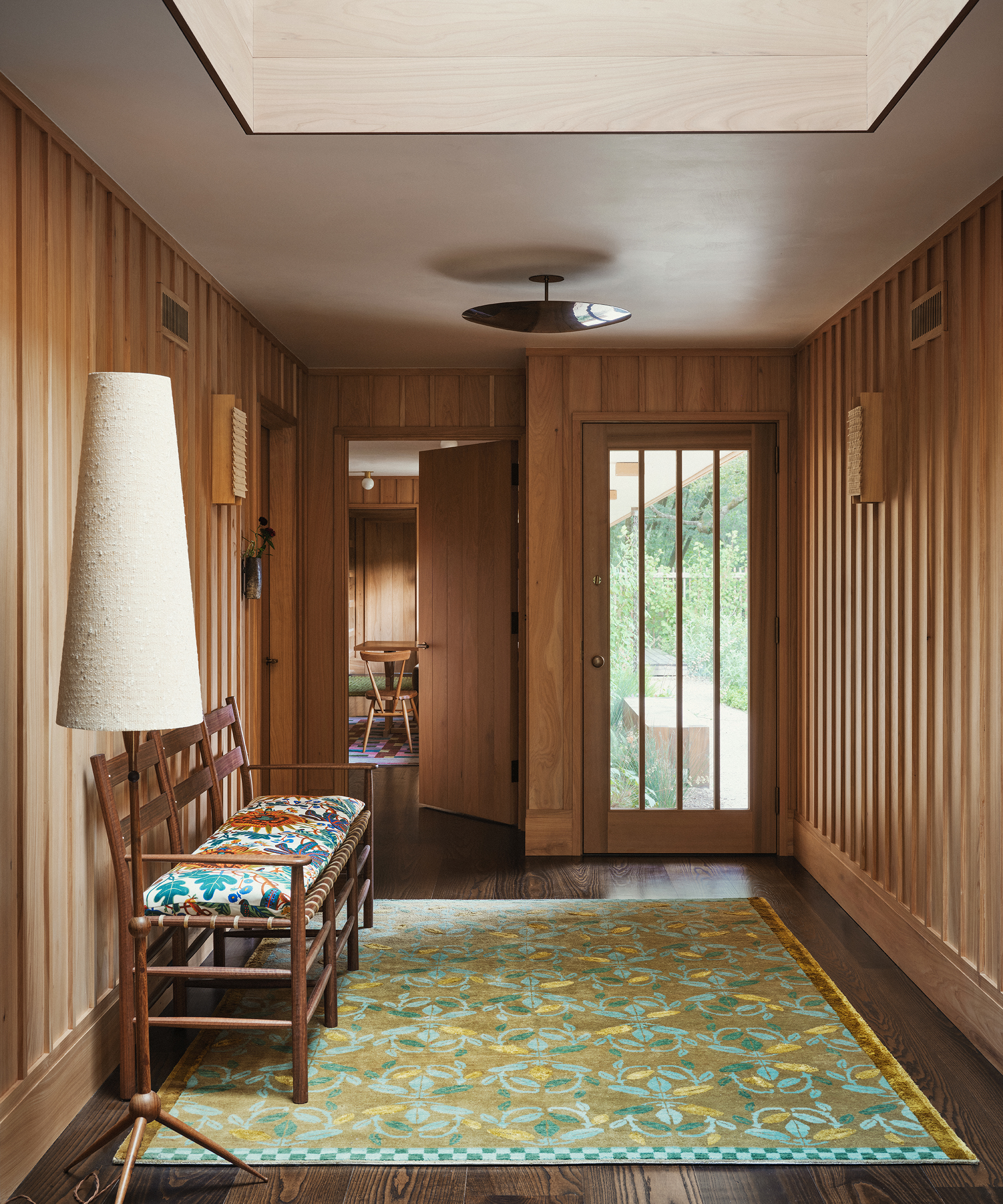
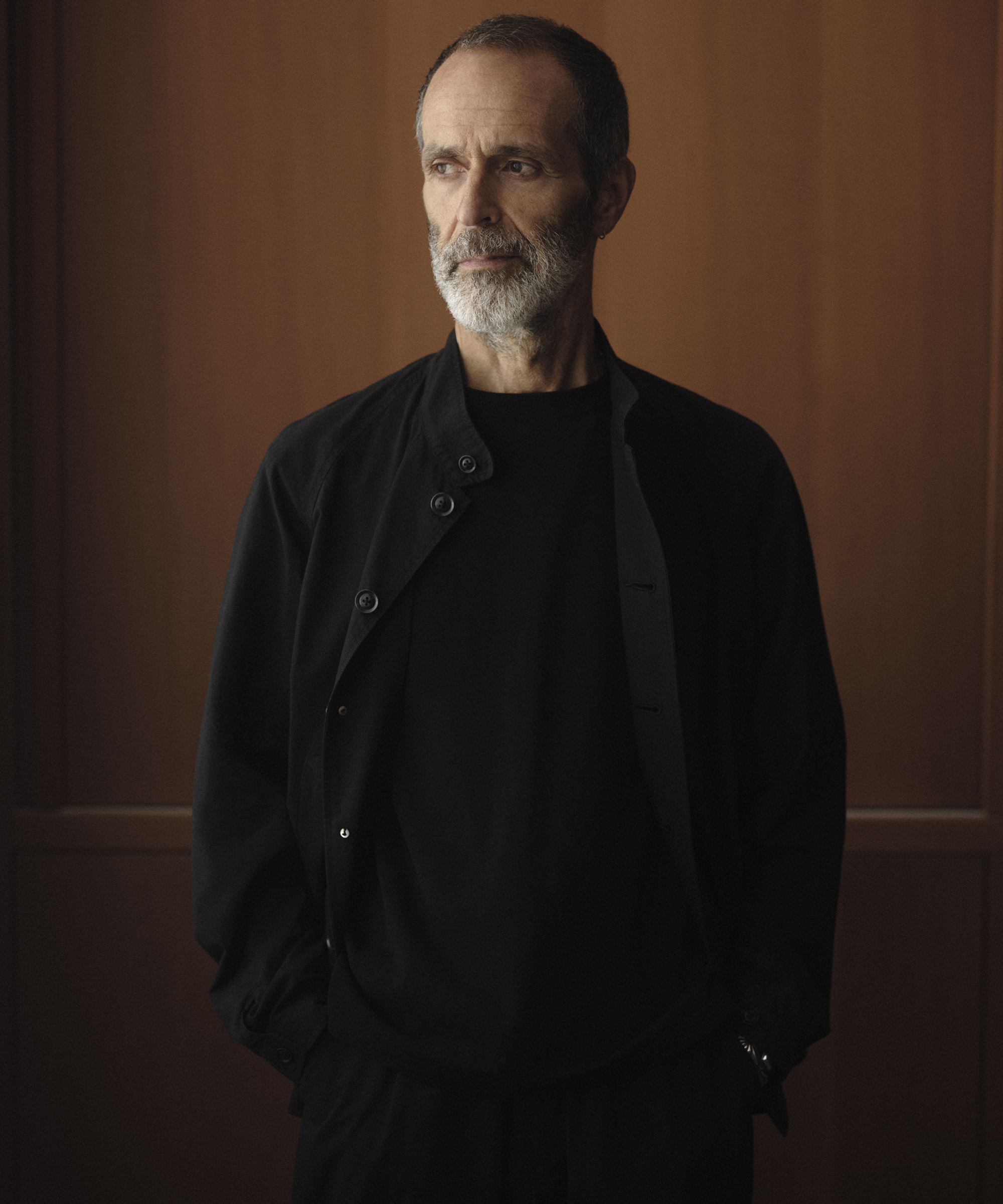
For me, and for Commune, personalization of a space is the most important aspect of our work. It’s what helps us find out who we are and how we want to live. It has to be unique to each client for the project to be successful. So the key part is getting to know them and who they are, and then finding the parameters for their life – like, what is the space they will inhabit, how will it work, what location are we talking about? It’s about their personality within those parameters.
Homes & Gardens: You’ve spoken about creating places where people can relax and be themselves. What design moves genuinely encourage that behavior?
I think it’s personalized design again. I have always been very curious and been an interested person, and I have to be curious about the client, and I have to get to know them really well. I have to find something interesting about how they want to express themselves, and then it’s about making it happen. And it helps to make them happy if you invest in your own life – not just money but time – in a project. It sticks, and they love it for longer. Sometimes I wrestle with the idea of being a decorator, as that’s just about stuff. I like to try and create a culture.
For Roman Alonso, great interiors have never been about imposing a signature aesthetic, but about uncovering the personality already waiting to emerge. Whether designing a hotel, a home, or even a napkin, his approach is rooted in curiosity, collaboration, and a belief that the things we surround ourselves with should be used, loved, and lived with.
It’s a philosophy that celebrates collecting over consuming, character over perfection, and reminds us that the most enduring homes aren’t built around trends at all – they’re built around the lives, memories, and stories of the people who inhabit them.
Love beautiful design ideas, expert advice, and inspiring decor trends? Sign up for our newsletter and get the latest features delivered straight to your inbox.