During winter, drying your laundry can feel like an uphill battle, sometimes taking days at a time, only to be greeted with a damp, musty smell upon completion. Because of this, it can be tempting to dry clothes on your radiator, but heating experts are warning this method will actually make your radiator less efficient and drive energy bills up.
Given that Energy bills increased in October, we’re all looking for ways to save energy and money, and while drying clothes on a radiator may seem like a quick and easy hack, it has quite the opposite effect.
Heating experts want you to stop using your radiator as if it is one of the best heated airers. Here’s the negative impact this small action can have on your energy bills.
Can you dry clothes on a radiator?
If you already have your heating on, drying a jumper or pair of jeans may seem like a simple way to dry washing in winter. You might say it's killing two birds with one stone. However, your wet clothes can block the heat emitted from your radiator, making it less efficient and driving up your energy bills.

‘This restricts heat circulation, which means rooms take longer to heat up, driving up bills. The moisture released from the clothes also needs somewhere to go. Without ventilation, it's trapped inside the room and settles on cold surfaces such as windows or walls as condensation,’ explains Meaco's co-founder, Chris Michael.
‘As it gets colder and more and more washing is dried this way, the increasingly damp indoor conditions can lead to mould growth. Early signs that there is too much moisture include musty smells and loads taking longer to dry.
Over time, this habitat can increase your energy bills as your boiler works harder to heat your home.
Sign up to our newsletter for style inspiration, real homes, project and garden advice and shopping know-how

‘When wet clothes are draped over a radiator, they prevent heat from circulating properly around the room, meaning your boiler has to work harder to maintain a comfortable temperature. Over time, this can increase your energy bills, particularly if you're regularly using your central heating to dry laundry,’ says John Klee, content executive and heating technology expert at BestHeating.
‘The exact cost will depend on your heating system and how often you do this, but it's an unnecessary expense that can quickly add up. There's also the issue of excess moisture, as drying wet laundry indoors releases water into the air, increasing the risk of condensation, dampness and mould, particularly during winter when windows tend to stay closed.’
How to dry clothes in winter
If you don’t have a tumble dryer, or are trying to avoid the high cost of using one, a heated airer is your best bet. While your clothes will still release moisture into the air, you won’t be reliant on your central heating to dry your clothes. If you are concerned about excess moisture, one of the best dehumidifiers can help dry laundry fast and absorb excess moisture.
‘A heated airer can be a better choice than covering radiators with washing, as it keeps them free to heat the room and can be used when the central heating is off. However, it still releases moisture into your home, so you need ventilation or a dehumidifier to manage this. It isn’t automatically cheaper either, as the total cost depends on its power consumption and how long the clothes take to dry,’ says Chris.
If you have a non-heated airer, you don’t have to throw it out. I recently invested in the Minky Sure Dri Heat Pod Pro with 3 Tier Airer Cover (£60, Argos), which uses an electric heater and cover to turn my three-tier airer into a heated one. Now a full load of washing is dried in a matter of hours, rather than days.
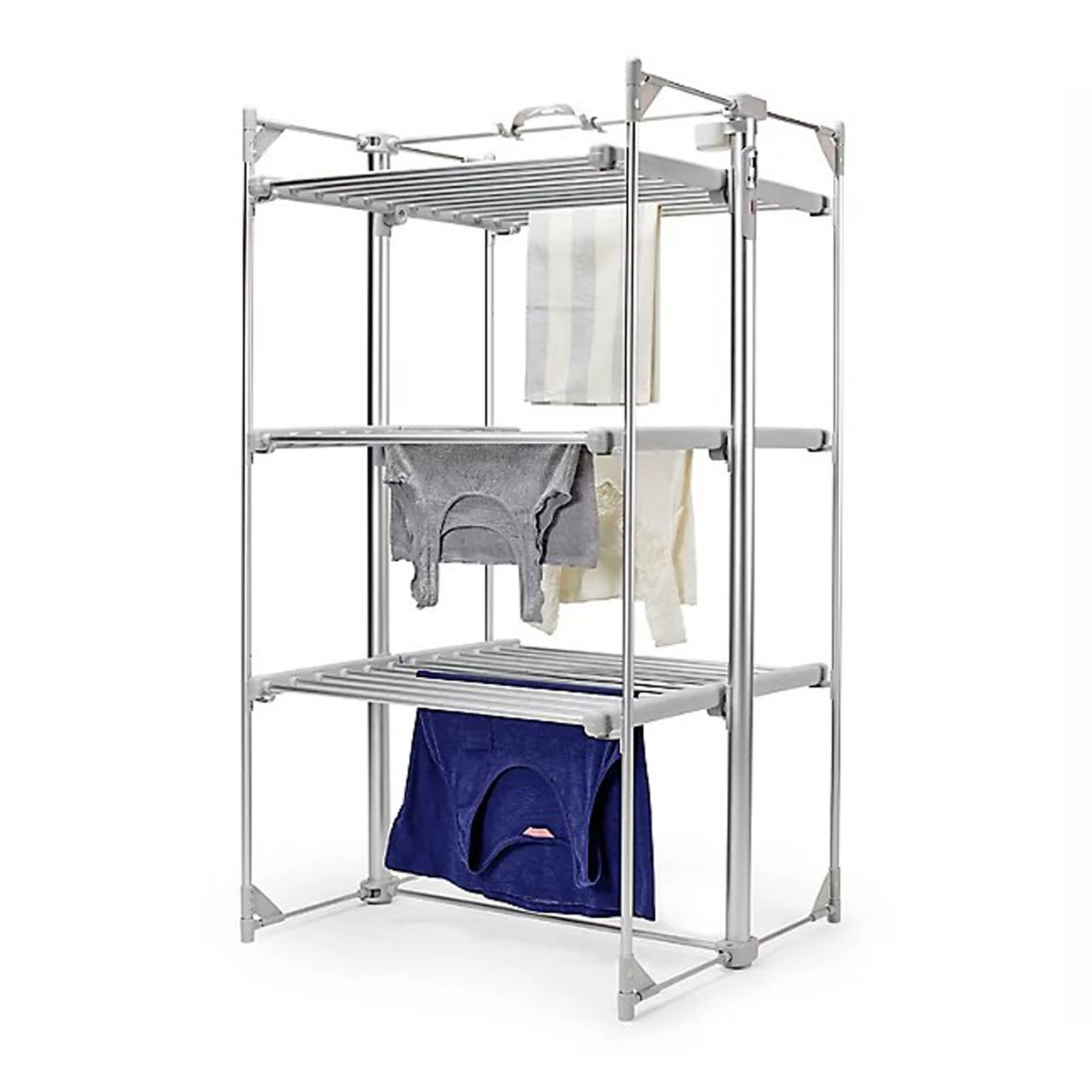
This is our best-rated heated airer due to its generous 21 metres of drying space and three-tier design, which can hold up to 15kg of washing. It's also energy-efficient to run (around 5p-10p per hour) and folds down slim for easy storage.
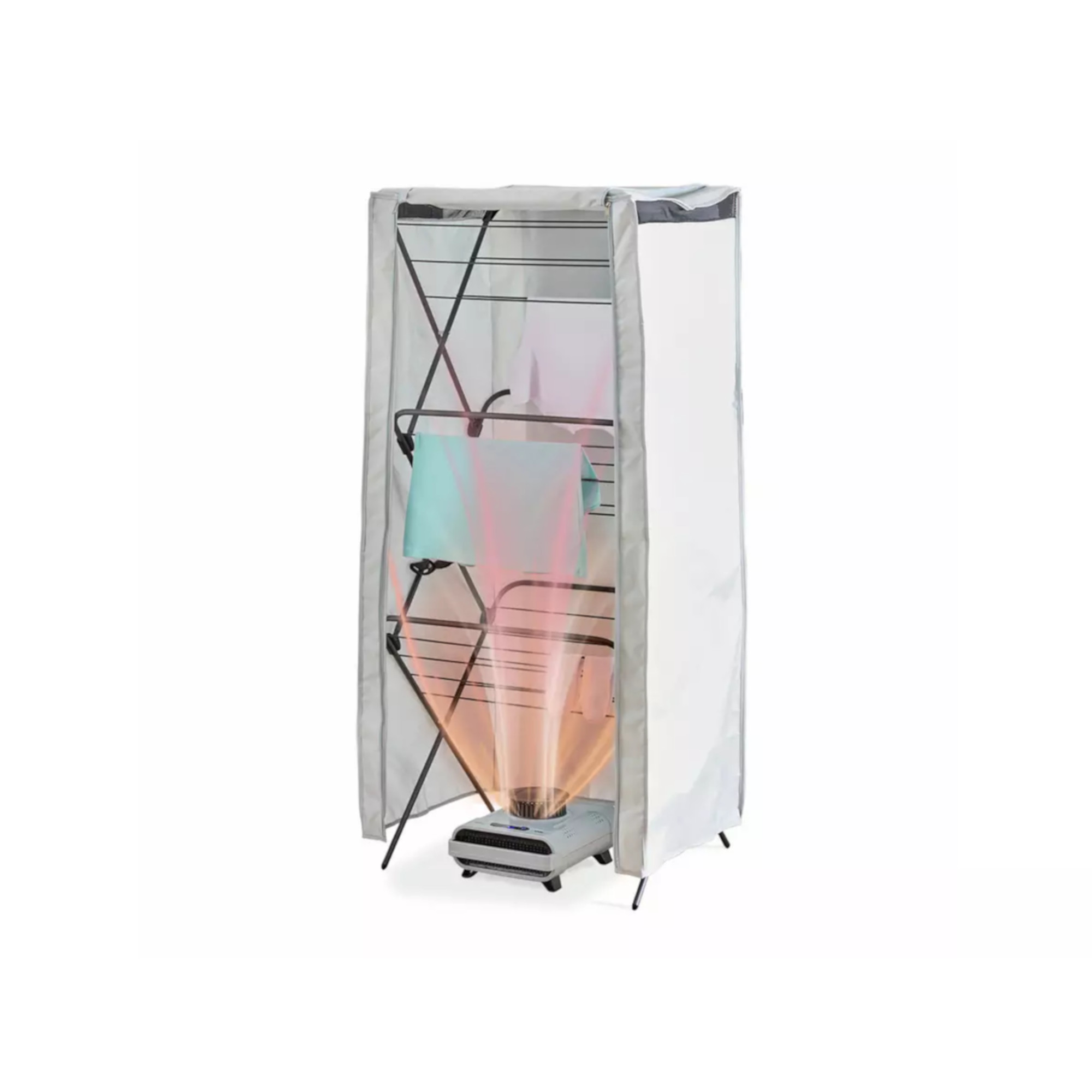
Minky Sure Dri Heat Pod Pro Drying System
This is the airer I use to dry my washing fast. It transforms a standard airer into a heated one with an electric heater and cover. It's a great price, affordable to run, and significantly speeds up drying times, making it a brilliant alternative to a tumble dryer.
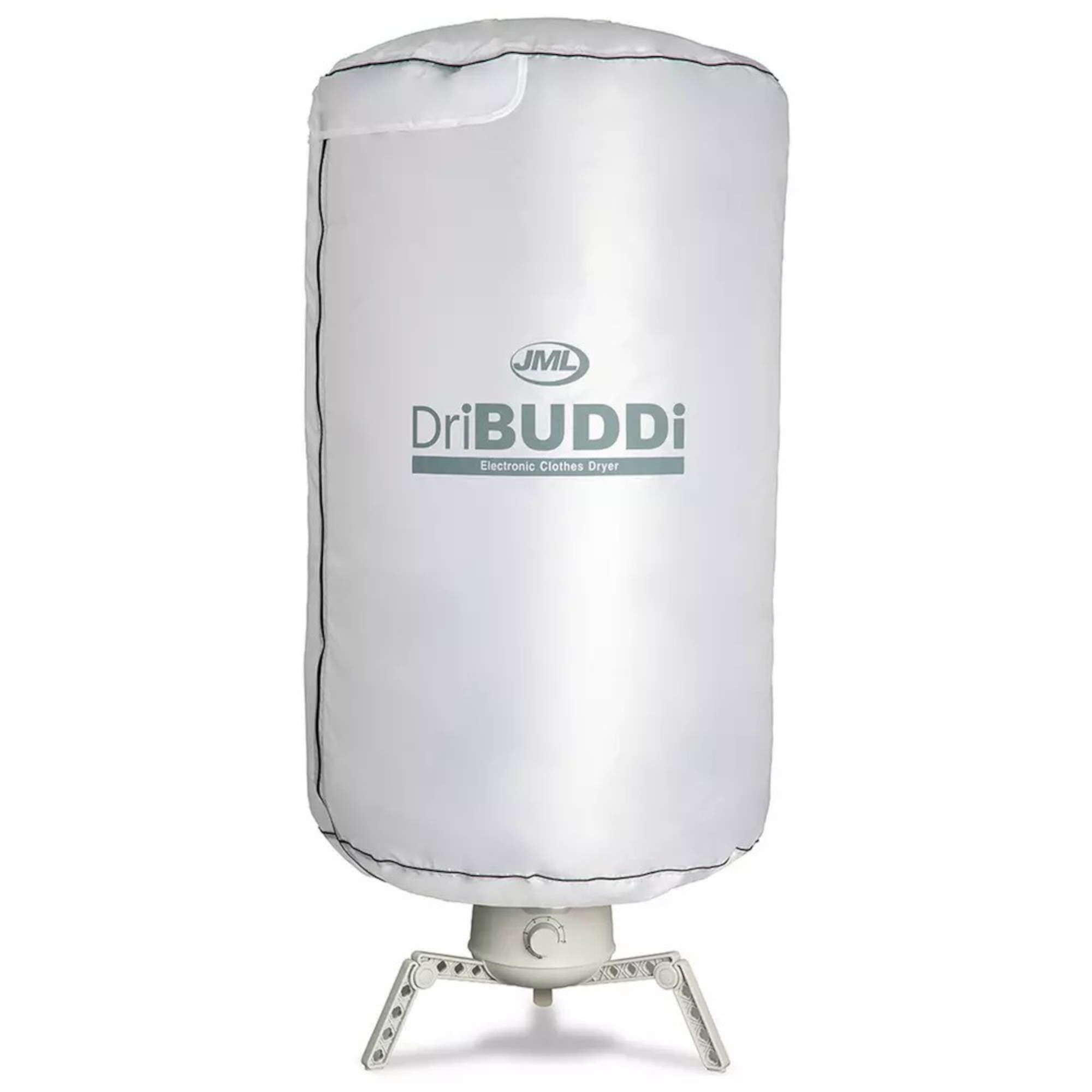
JML DriBUDDI Compact Heated Indoor Airer
Super-fast 2-3-hour drying times mean this fan-powered, heated system is the fastest drying pod we've tested. It's also affordable and dismantles when not in use.
If you need to dry washing fast, your radiator is not the answer. Instead, investing in heated airer or dehumidifer is a more efficient solution.