I adore homemade bread. When I was a child, my mom would run her bread maker overnight, and I would wake to the delicious smell of a fresh loaf. It was on these mornings that my love for snacking on bread with good-quality butter was born.
Now, I make my own by hand (well, with a little help from a stand mixer), baking it in the oven to perfection. I usually use my best Dutch oven for the task, but I have always wondered if a bread oven, such as the Le Creuset Signature Oval Bread Oven, is worth the investment.
So, I put it to the test and talked to professional bakers to settle the bread oven vs. Dutch oven vs. loaf tin debate. The short answer is that if you have a Dutch oven, you do not a bread oven, but there are some caveats. Here's what you need to know.

While you do not need a bread oven to bake artisan-style bread at home, I have certainly found that it helps. I have been using this oval bread oven at home and have fallen in love with it. It delivers perfectly crusty bread every time.
Since getting my Le Creuset Dutch Oven earlier this year, it has been my go-to for baking a simple, crusty loaf. The tight-fitting lid traps moisture while the heritage cast iron retains heat for a great crust. I have never had an issue, so long as I quickly remove the baked loaf from the pot and parchment paper to cool.
Then, I got the opportunity to test out the oval bread oven and personally found it to be a game changer. While I will write up a full review soon, I can share now that the low-profile sides made the loaf easier to manoeuvre without parchment paper, providing a super crisp base. The lid trapped moisture perfectly, and the loaf was one of the best I have ever made.
That being said, professional bakers argue that for the everyday home baker, the separate investment might not be necessary unless you are particularly bothered about the shape of your bread.
Carrie Barnard, Founder and Recipe Developer at Eating on a Dime, explains, 'In general, cast iron bread ovens will not produce vastly different results than a typical Dutch oven. The major difference is simply that bread ovens have a cloche you can remove to more easily get the bread out, whereas a deeper Dutch oven makes it harder to remove quickly.
Design expertise in your inbox – from inspiring decorating ideas and beautiful celebrity homes to practical gardening advice and shopping round-ups.
'The main appeal of a cast iron bread oven is that it effectively traps moisture to brown the exterior of the bread without overcooking the interior, and it can be effectively preheated because cast iron is excellent at holding heat. Dutch ovens share these same features, so if you already have one, there is no real need to get a separate bread oven.'
Where a bread oven really earns its keep is if you do not have a large cast iron pot and have been using a loaf tin, which is better for sandwich loaves when you want a crisp crust, Carrie continues.
'Most loaf tins are made out of aluminum, aluminized steel, or heat-resistant glass, none of which have the exceptional heat retention of cast iron. They will tend to produce a less deeply flavorful bread, so that is one area where you will likely notice a real difference.'
Carrie is not the only one. Desislava Angelova, Baker and Founder of The Bake-Keeper, agrees. 'I bake in a standard enameled Dutch oven and on a plain baking sheet, and I have never owned a dedicated bread oven. A bread oven's shallow base makes it easier to lower the dough in, but if you already own a Dutch oven, your loaf will come out nearly the same.'
The trick? No matter which pot you are using, preheat first, Desi says. 'I preheat the pot for 475°F (245°C) for 30 minutes, then bake for 30 minutes with the lid on and 10 minutes with it off.'
All in all? While I personally love the look of the oval oven and the bread it produces, if you have a quality cast-iron lidded pot as a casual baker, you can skip the bread oven and spend the money on quality ingredients instead.
From artisan bread ovens to versatile Dutch ovens and bread-making essentials, I’ve curated a selection of thoughtful upgrades to elevate your home baking, along with gift-worthy finds for the baker in your life.
All prices were correct at the time of publication.

Le Creuset Signature Round Bread Oven
The domed lid traps and circulates steam for maximum rise and ultimate flavor, while the low-profile base promotes even browning and produces a golden, crispy crust marked with Le Creuset's hallmark three rings.
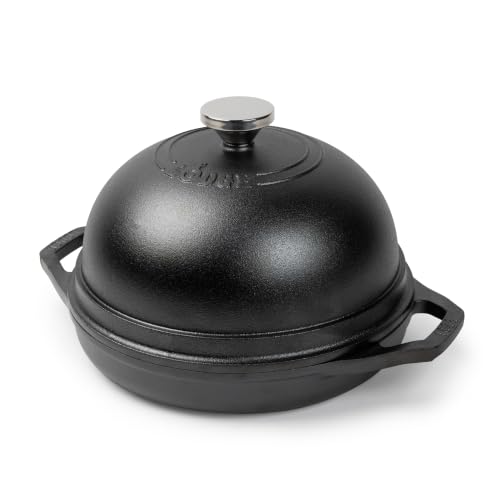
Lodge Seasoned Cast Iron Bread Oven
I will be trying and reviewing this more affordable Chef Collection Lodge bread oven very soon. Made with heavy-duty seasoned cast iron, it is perfect for sourdough and hearth breads.

Le Creuset Signature Round Dutch Oven
If you want to invest in something more versatile, a Dutch oven is perfect. The shape lends itself to baking great loaves of bread as well as being perfect for everyday cooking. In summer, add ice and you have a drinks cooler, too.
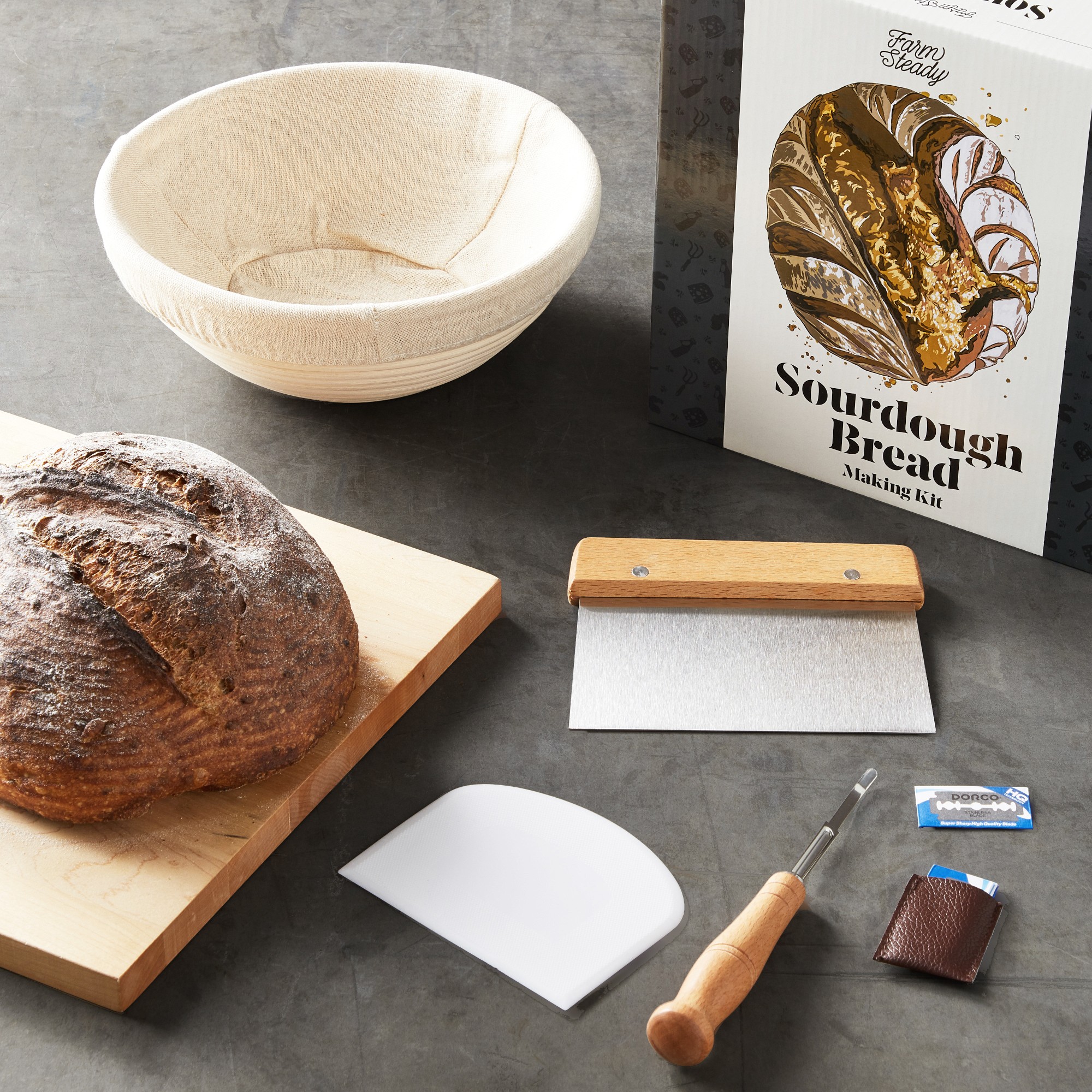
This set includes all the specialty baking equipment you need to create classic breads with beautifully browned crusts. A great gift, the kit comes with complete instructions for growing a sourdough starter and a foolproof recipe for baking the best-ever bread at home.
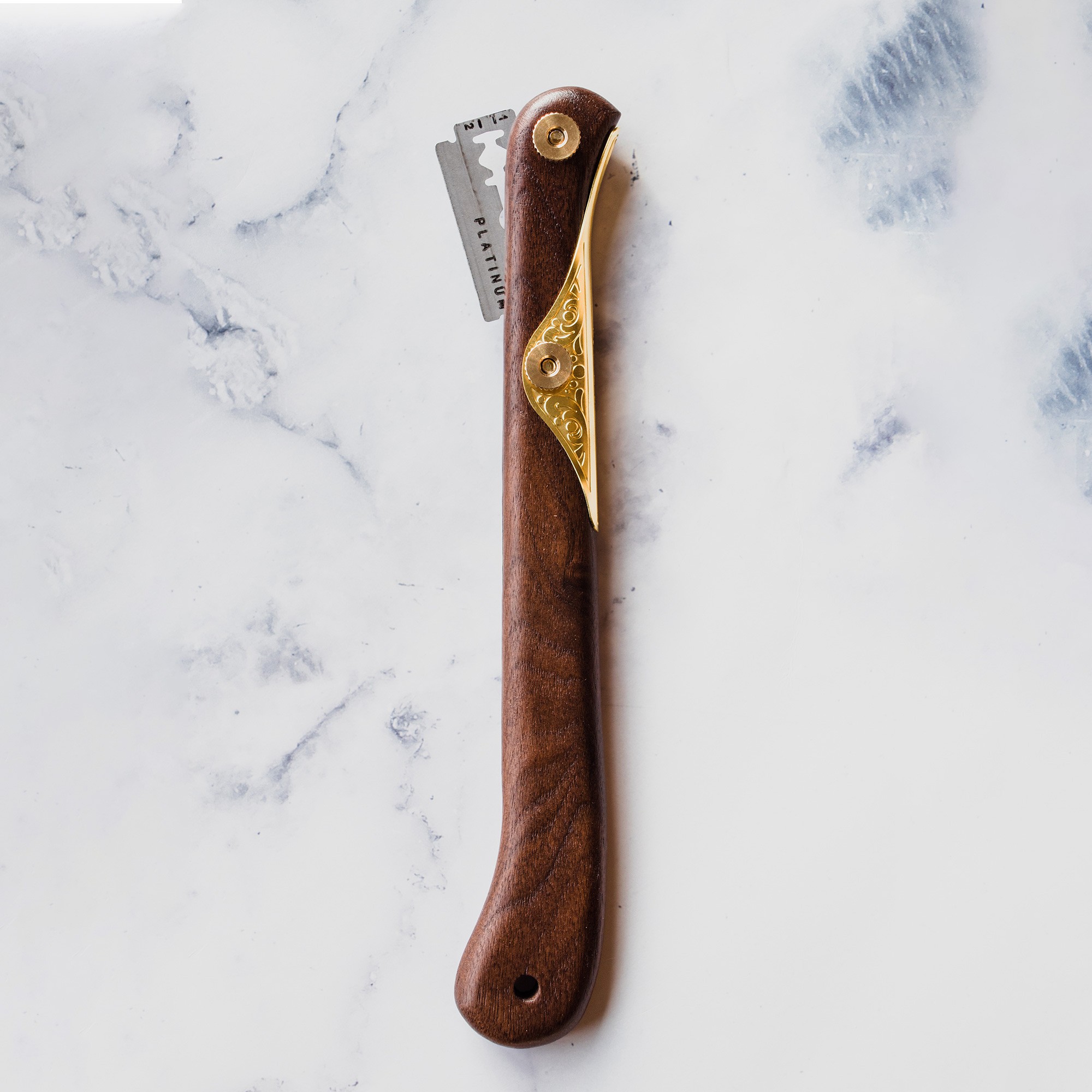
Black Walnut Handle Bread Lame
The method preferred by professional bakers, slashing the dough with a sharp blade, allows moisture and gases to release so the loaf can expand without cracking. Handcrafted from solid walnut, the lame comes with spare blades, too.
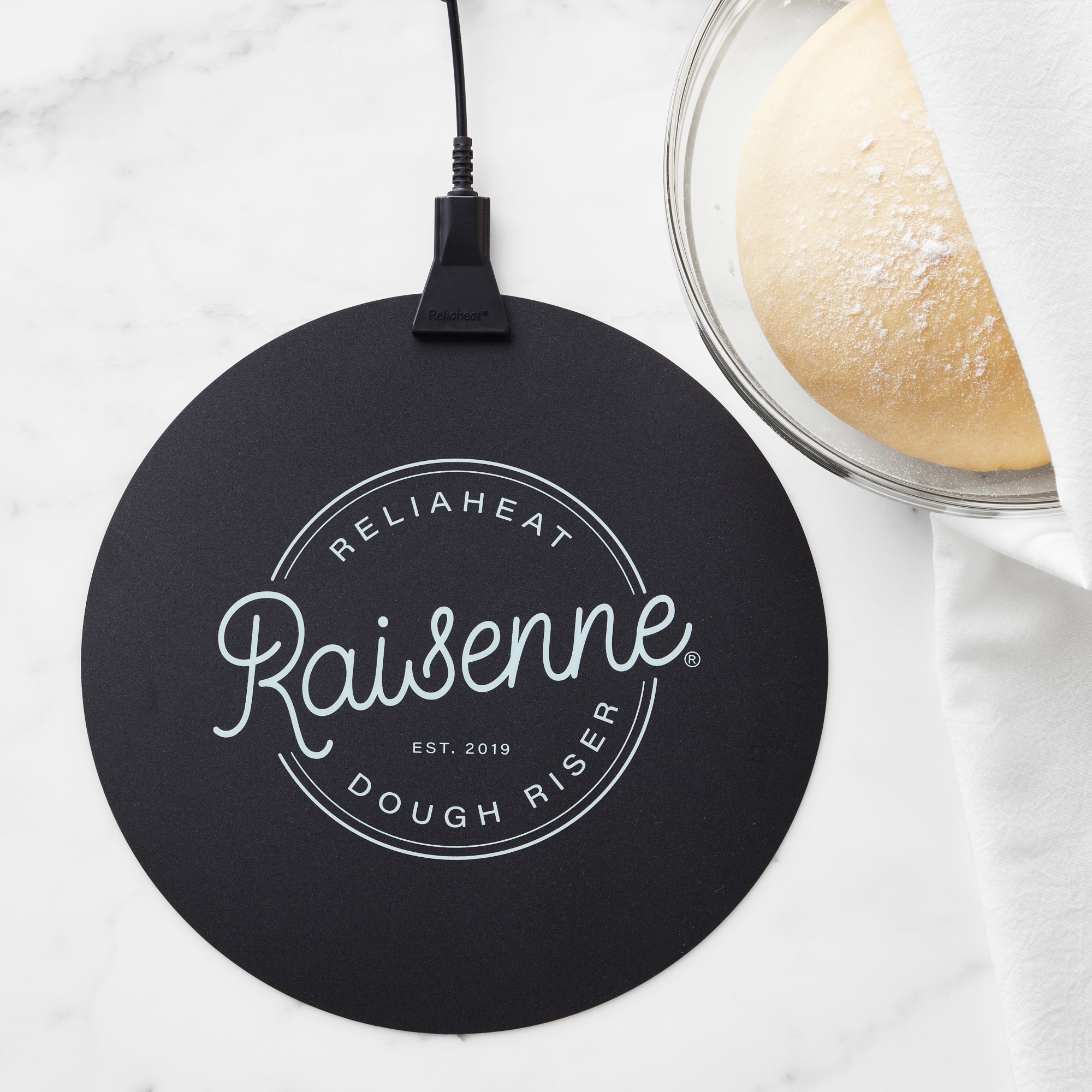
A cold kitchen can kill a well-made dough. This super-thin dough-rising mat emits gentle heat to help dough rise without baking it. Simply plug in the unit, place your bowl or pan on top, and let the Raisenne do the rest.
Meet the Experts
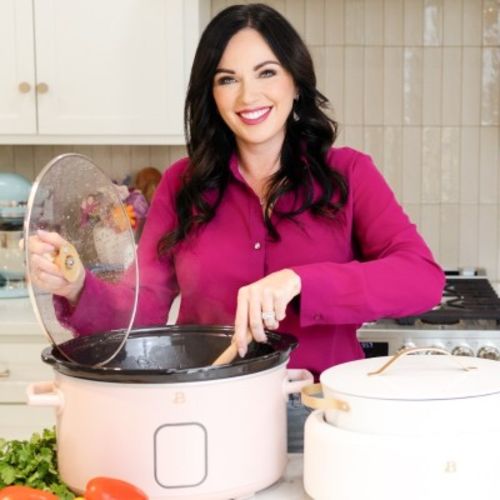
Carrie Barnard is the founder of Eating on a Dime, a recipe developer, and a mother of eight with 25 years of experience feeding a big family on a budget. A former math teacher, she specializes in affordable family meals, slow cooker recipes, and ways to cut grocery costs.
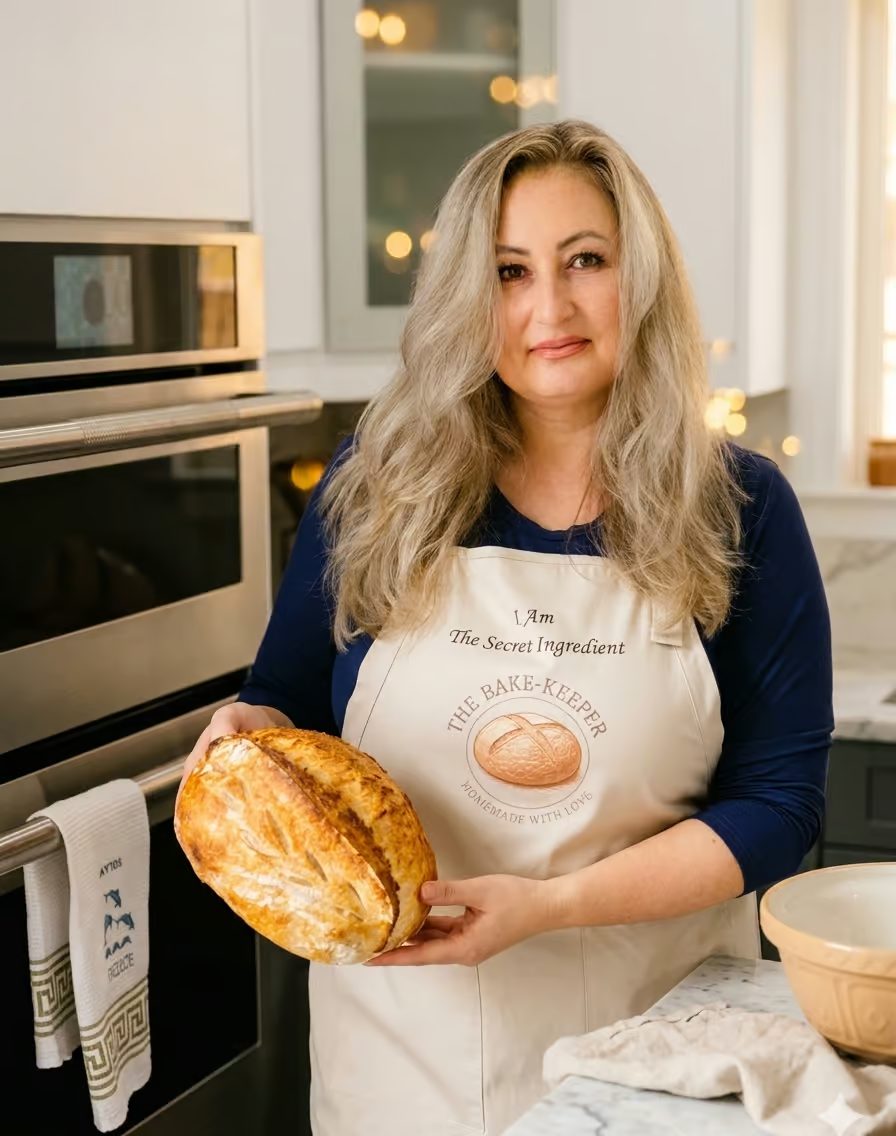
Desislava is a professional baker who has been working with breads and cakes since she was a teenager. She started The Bake-Keeper two years ago as a cottage bakery in the Fort Lauderdale area of South Florida, and it still runs today.
Want to make baking a little easier on the arms? I suggest one of the best stand mixers to make baking easier and more consistent.
Love the latest product news and helpful shopping advice? Sign up for our newsletter and get the latest features delivered straight to your inbox.