There is something instinctive about wanting to layer up our homes as fall arrives. Just as sweaters and blankets emerge from storage, rooms seem to call for a little more warmth and weight as the days shorten. But adding another throw pillow or blanket isn’t the only way to create it.
In fact, the most beautifully layered rooms rarely look as though they have been decorated specifically for fall at all. Instead, designers make small but considered shifts to texture, color, lighting, and even the arrangement of furniture, building up a sense of warmth without completely changing the character of a space.
From pulling chairs a little closer together to introducing pools of lamplight and bringing fall's color trends into an existing palette, these are the subtle layering techniques designers use to make rooms feel richer, warmer and more inviting for fall.
1. Layer Texture, Not Just Textiles
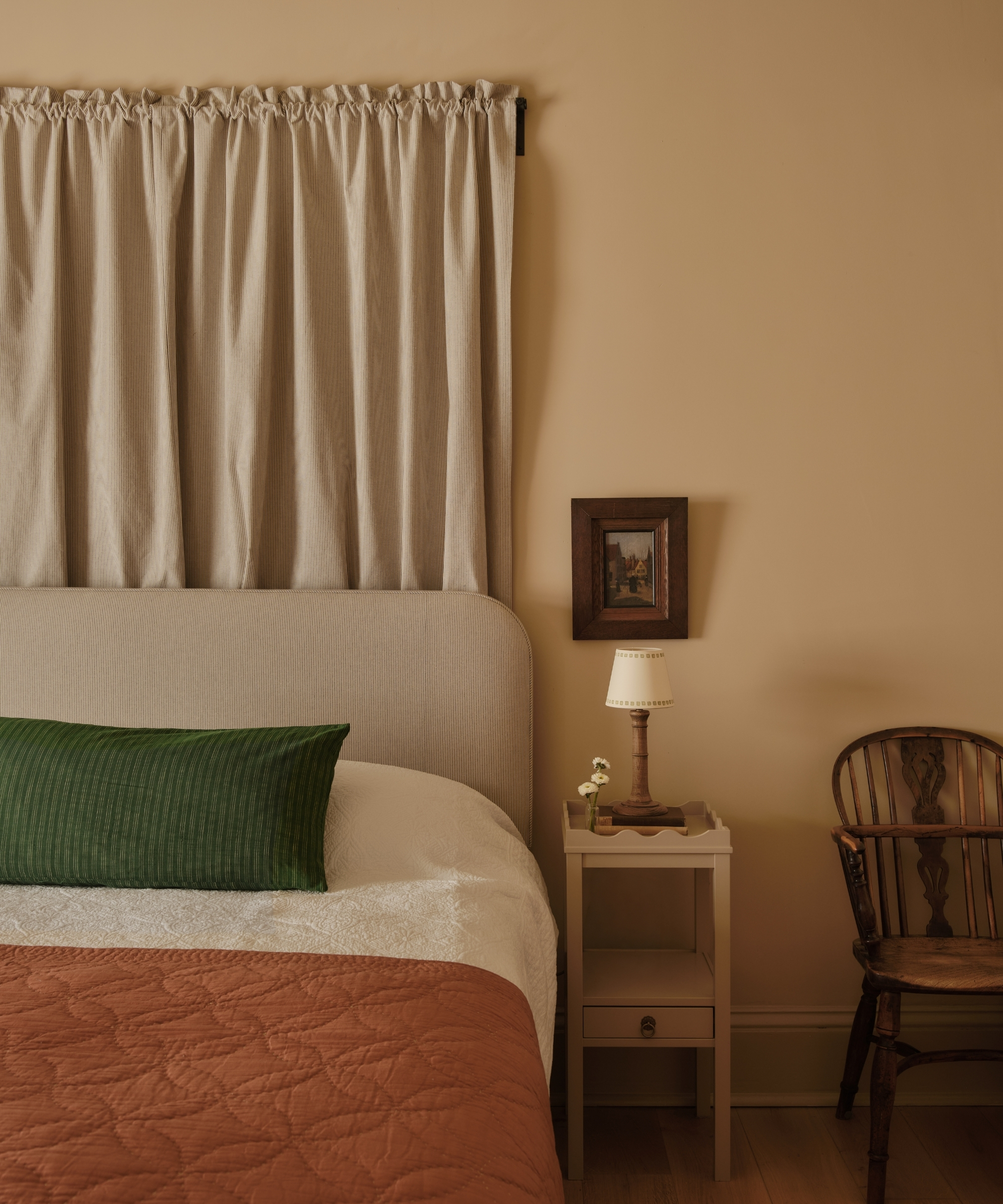
Textiles are the natural starting point for fall layering, but simply adding more of the same soft texture can leave a room feeling one-dimensional. Instead, think about creating contrast between materials: nubby wool against smooth linen, a vintage quilt over crisp cotton bedding, aged timber beside upholstery, or leather and brass among softer fabrics.
'A great way to get your home ready for those cooler autumn months is to layer up the textiles,’ says Ailsa MacConnell, founder of Studio Mac. ‘Whether that be a fun curtain behind the bed or multiple bed throws layered on top of each other. Also mixing in darker wooden tones in the way of artwork or antique pieces of furniture adds that much-needed warmth that those winter months call for.’
The key is that layering doesn’t have to mean softness everywhere. ‘I think layering doesn’t always have to mean textiles,’ says Toronto-based designer Ashley Ylanko, who recommends bringing warm woods, aged brass, leather, ceramics and antiques into the mix, which add depth in a subtler way than simply piling on more fabric.
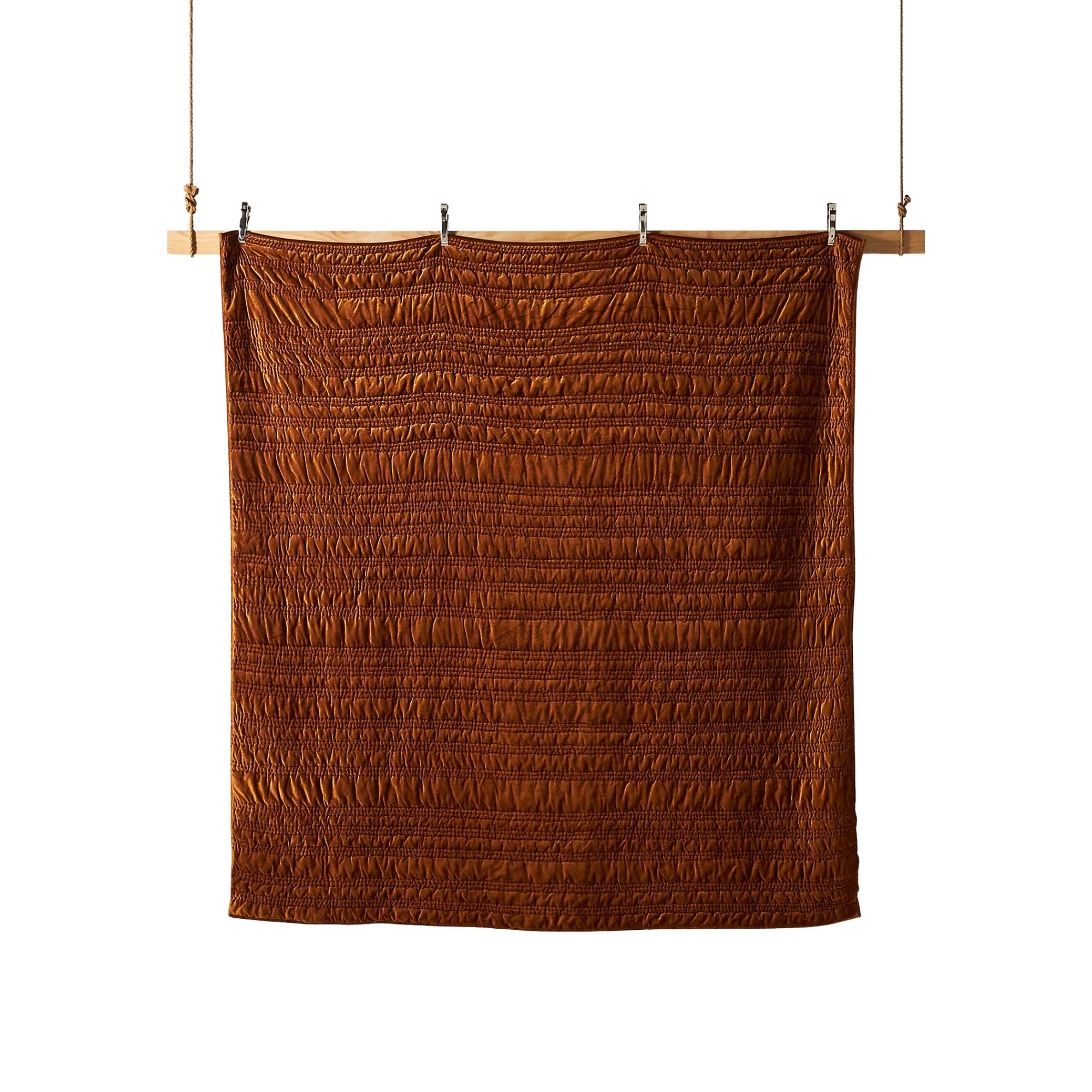
This lustrous velvet quilt brings tactile contrast and a richer sense of weight to crisp bedding, with intricate stitching adding another layer of texture.
Lulu and Georgia
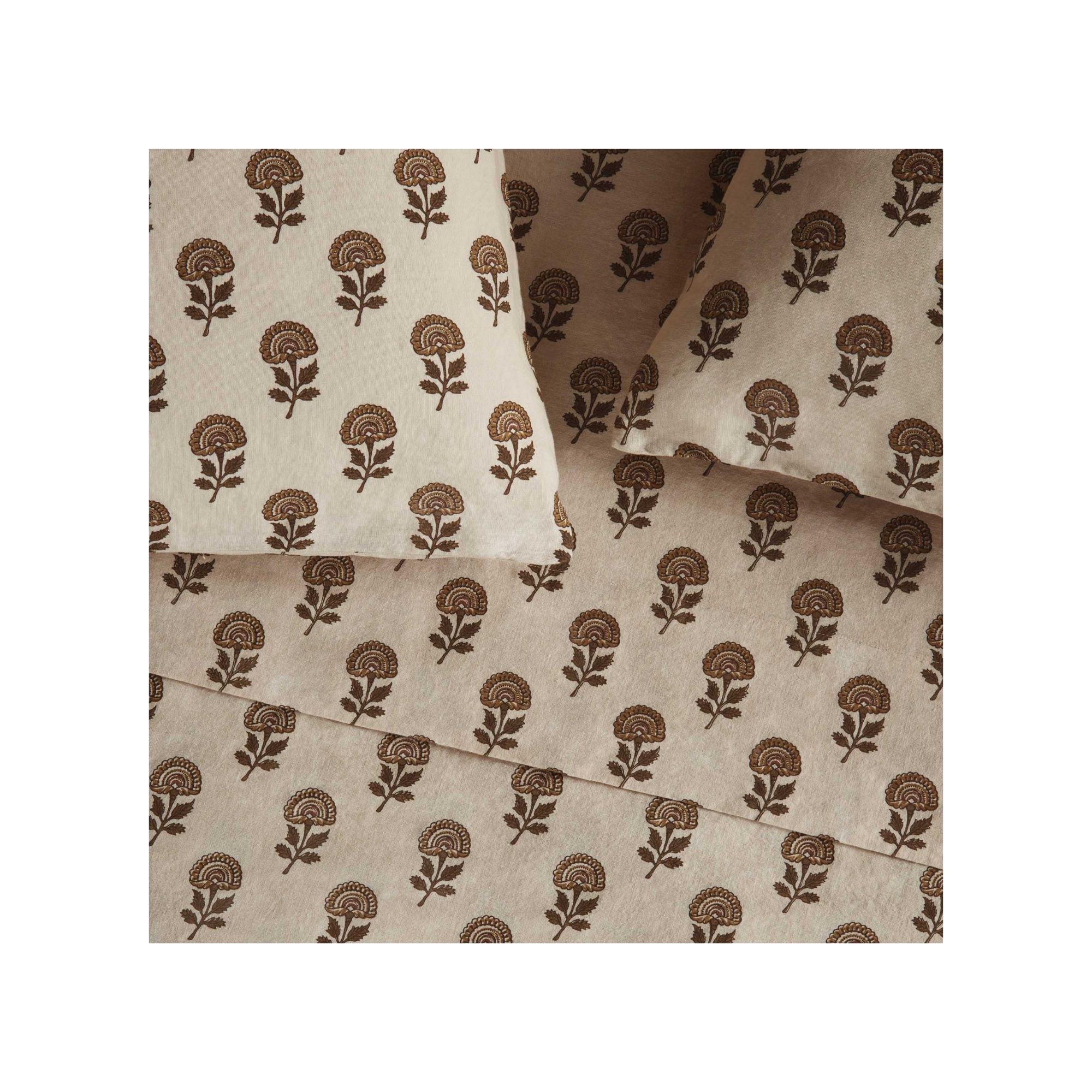
Langford Linen Cotton Sheet Set
A richly detailed floral print gives this linen-cotton bedding an extra layer of pattern, while the soft drape makes it an easy base for weightier fall textiles.
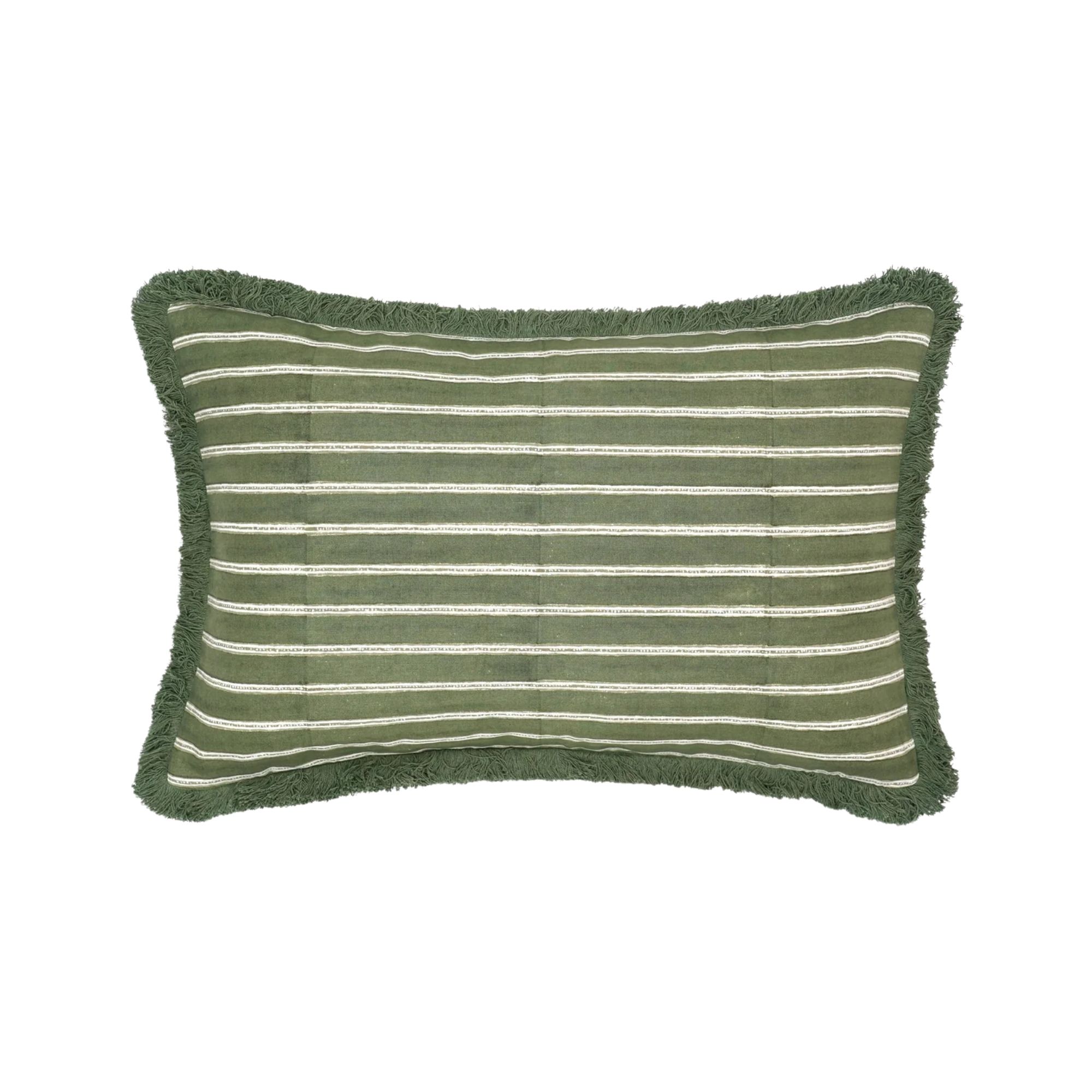
Hand-block-printed stripes and a fringed edge give this cotton-linen cushion two layers of texture in one, making it an easy way to break up softer, plainer fall textiles.
2. Give Your Palette More Weight
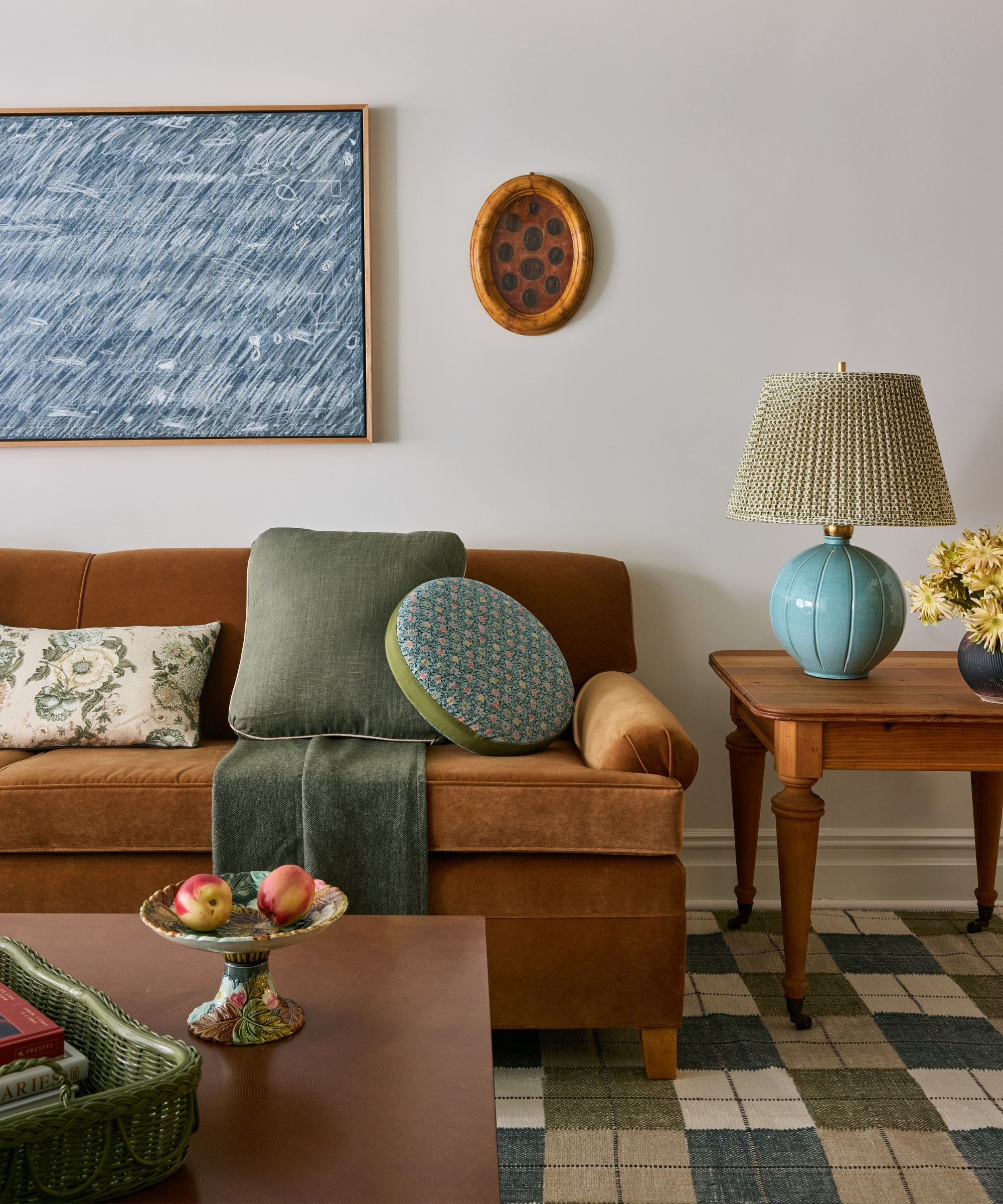
You don’t need to repaint a room every September to make its palette feel right for the season. Often, introducing just one or two deeper fall colors is enough to shift the balance.
Design expertise in your inbox – from inspiring decorating ideas and beautiful celebrity homes to practical gardening advice and shopping round-ups.
‘To make a room feel richer for fall without completely repainting or redecorating, I love incorporating deeper tones like plum, rust, and olive, along with tactile materials such as velvet, wool, and aged leather,’ says New York-based interior designer Jennifer Hunter. ‘A velvet pillow or cashmere throw can instantly add a cozy, layered feeling without making a major commitment.’
Rather than introducing several stereotypically autumnal shades at once, choose a color that makes sense alongside your existing palette. A pale neutral living room might take a deep olive pillow or tobacco-colored leather particularly well, while blues can be made richer with plum, burgundy, or chocolate brown.
And don’t restrict color to fabric. Jennifer also recommends a darker landscape or still life, or a few deeper-toned ceramics, to ground a room without overwhelming what’s already there. These smaller accents are particularly useful if you favor a lighter palette year-round: they add visual weight, but can easily move around the house as the seasons change.
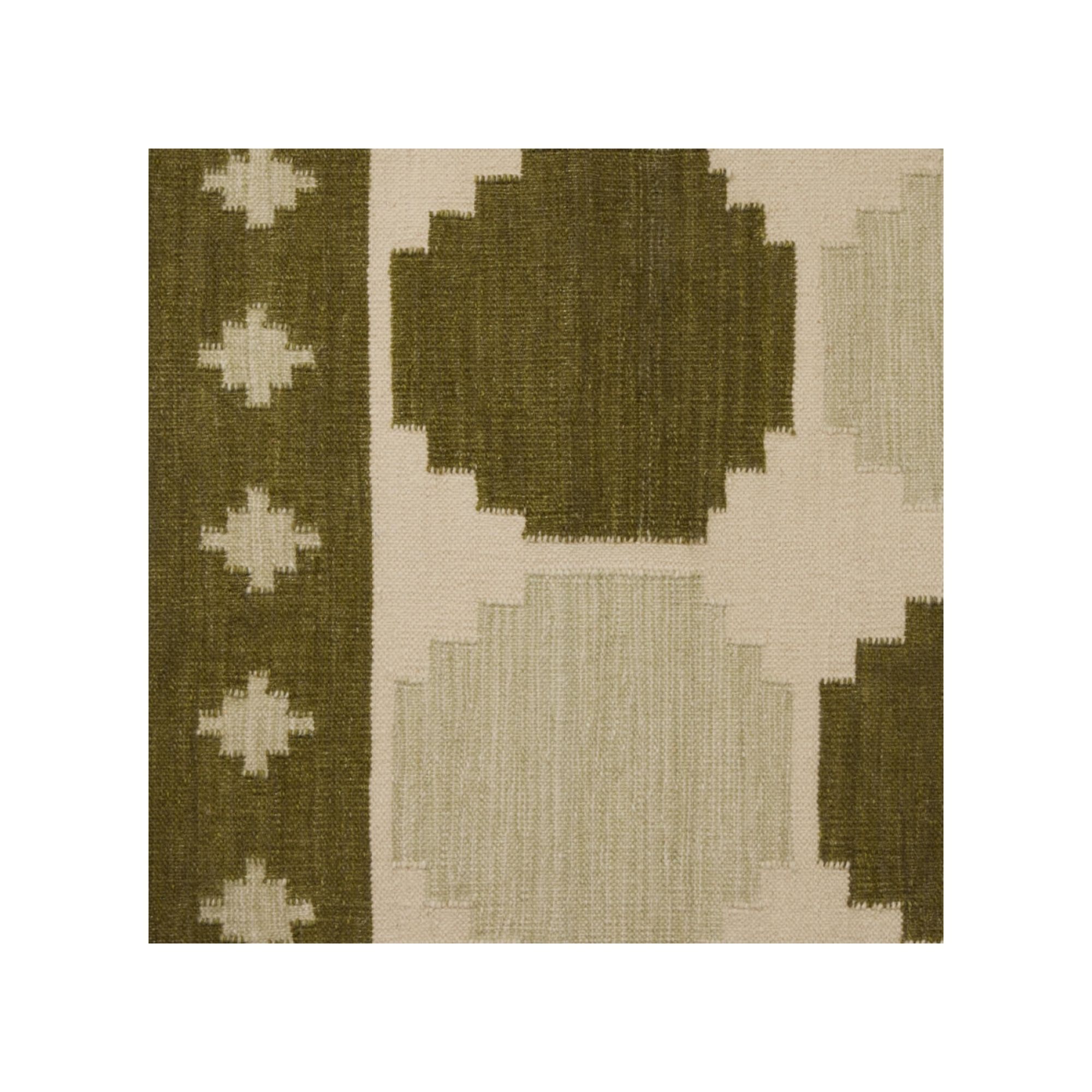
A moss-green rug grounds the room with a deeper color note, while the painterly geometric pattern keeps that extra visual weight from feeling too solid or heavy.
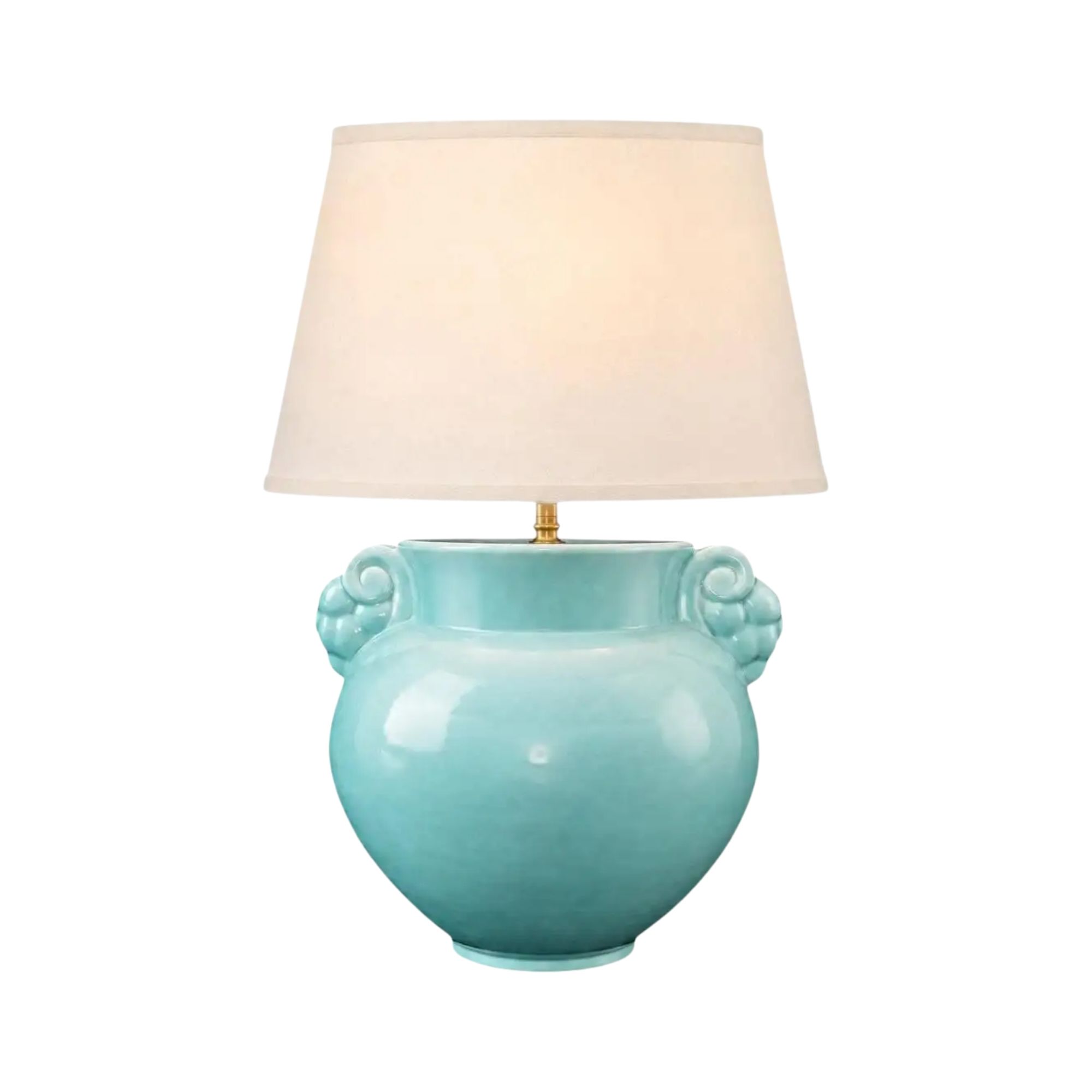
1stDibs
Vintage 1930s Turquoise Poole Pottery Table Lamp
Use this vintage table lamp to introduce a deeper turquoise accent, with the glossy ceramic base adding an unexpected pop of color and texture in one.
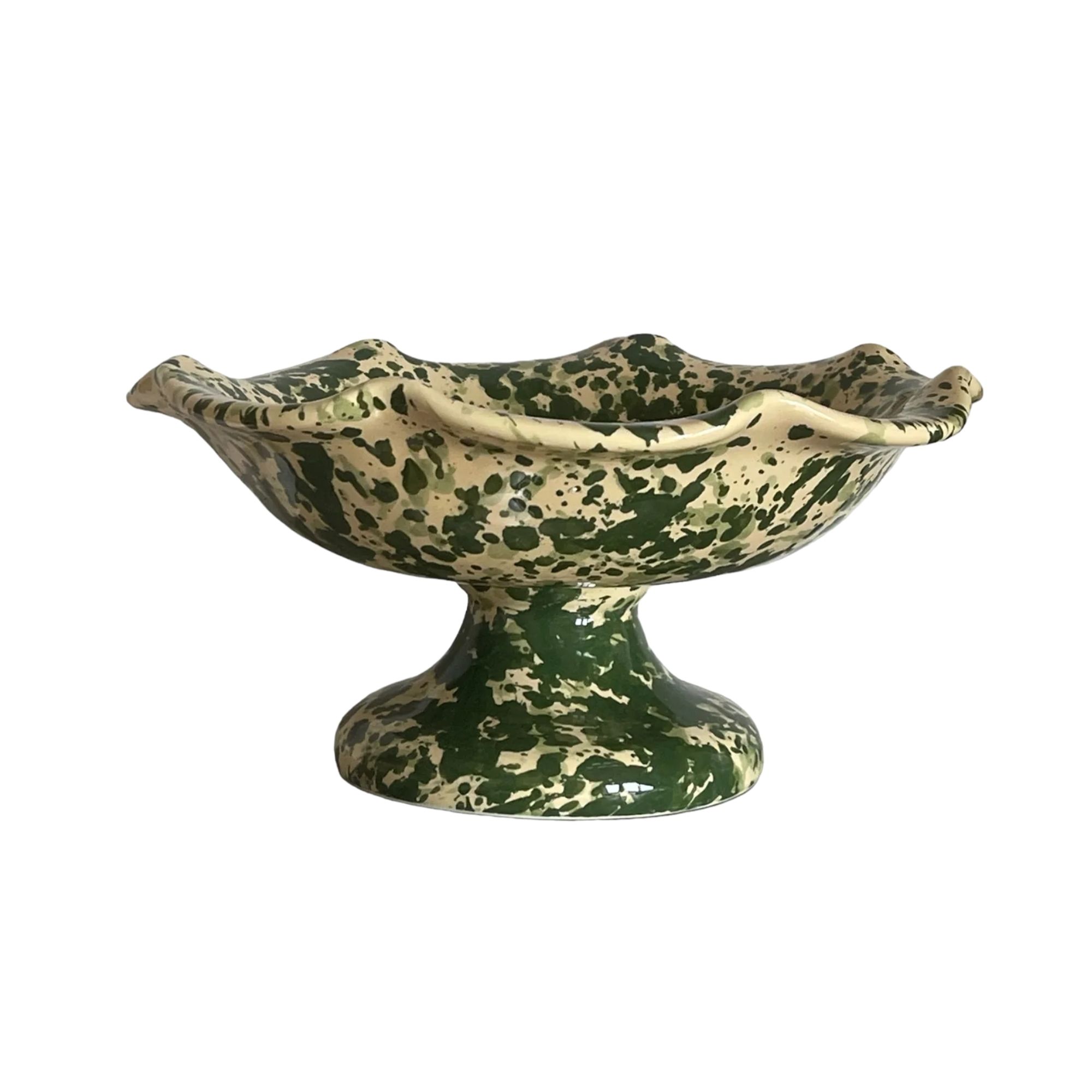
Hand-painted in two tones of Tuscan green, this sculptural fruit stand is an easy way to introduce a deeper color note on a smaller scale, while its soft yellow base keeps the palette warm.
3. Make Your Furniture Layouts More Intimate
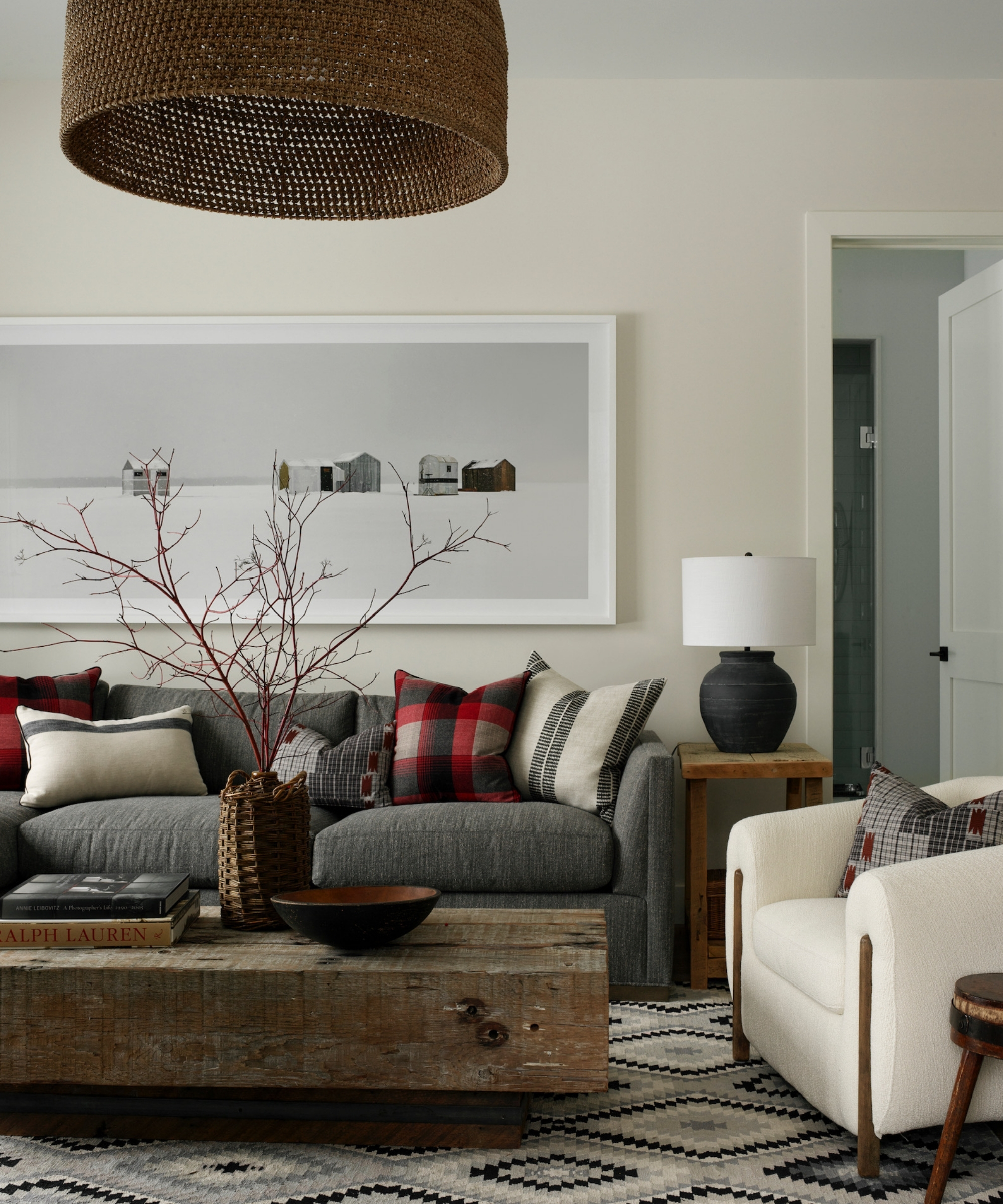
Layering isn’t only about what you add to a room. Sometimes, it’s about changing the relationship between the things already there. ‘As the weather cools, I like to bring seating slightly closer together and create more intimate groupings that encourage conversation,’ says Jenny Dames, Lead Designer at TOM Design Collective. ‘I’ll also introduce more visual weight through layered furniture pieces and lighting at different heights. As we enter the fall season, I want the room to embrace you.’
It’s a subtle shift, but particularly effective in living rooms that are arranged to feel airy during summer. Ashley Ylanko suggests bringing lounge chairs and sofas inward to form a conversation nook, then introducing smaller pieces such as stools, drink tables, benches, and antique tables to fill some of the negative space.
That doesn’t mean filling every empty corner. The aim is to make the furniture feel more connected. Try moving an occasional chair a few inches closer to the sofa, placing a small table within arm’s reach, or pulling a stool toward the fireplace.
Haley Dermenjian, Associate Designer at TOM Design Collective, suggests giving the arrangement something to gather around, whether that’s a fireplace, a beautiful living room lamp, or a favorite piece of art. ‘Let the furniture acknowledge it,’ she says. ‘A room can feel more inviting simply by allowing people to gather around something, while also adjusting the negative space.’ The result is a room that shifts from open and expansive to somewhere you naturally want to settle.
4. Build Up Layers of Light
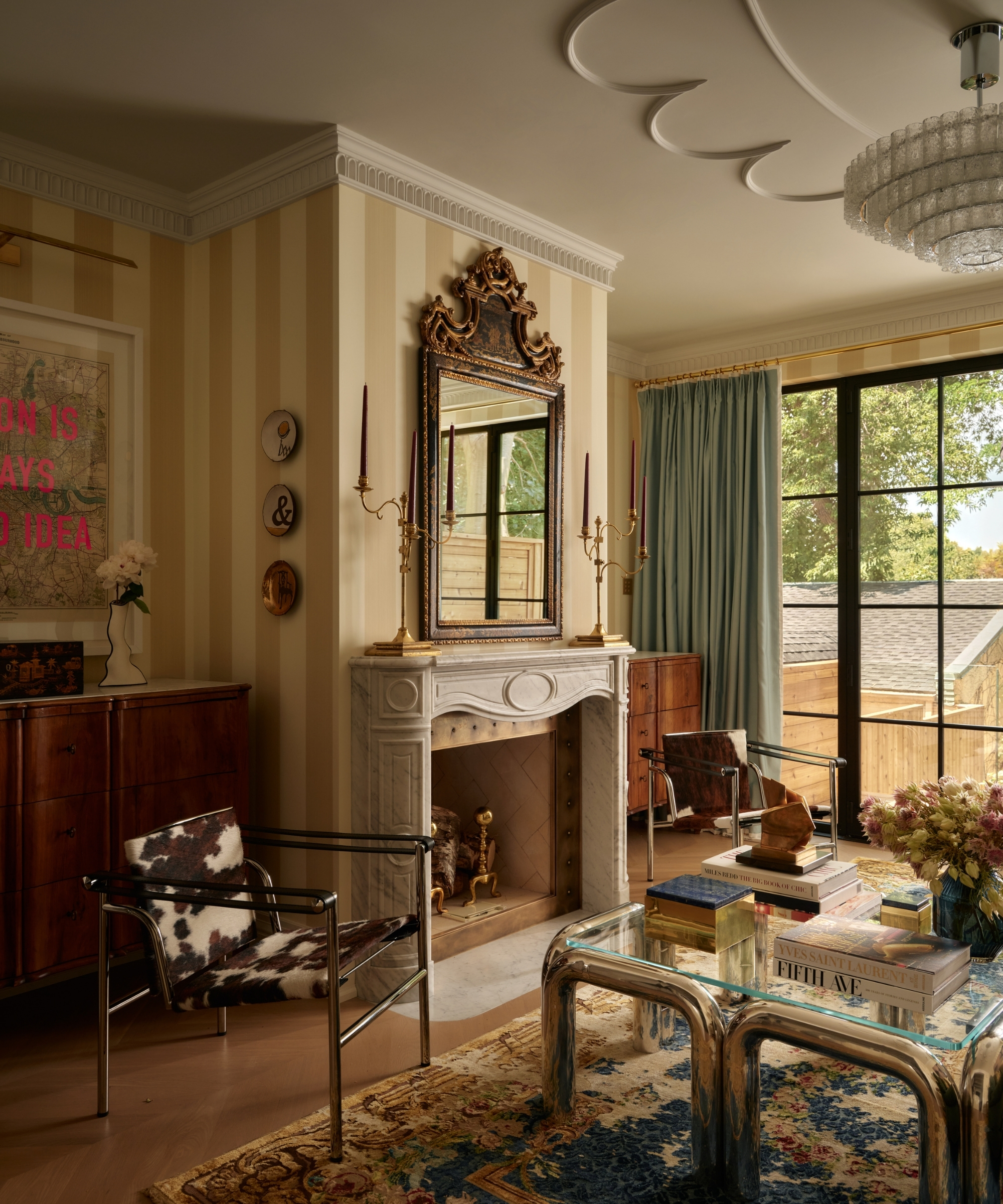
As natural daylight becomes scarcer, it’s tempting to compensate by simply making a room brighter. But the coziest rooms tend to do the opposite: rather than flooding every corner with uniform light, they create smaller pockets of illumination at different heights.
Think beyond the standard combination of ceiling fixture and table lamp. A statement floor lamp beside an armchair, wall sconces washing light across a wall, a small lamp on a bookshelf or console, and candlelight at coffee-table height all create separate layers that give the room depth after dark. ‘I don’t think a home should ever feel like it only works for one season,’ notes Kate Stuart, partner at TOM Design Collective. ‘The bones stay the same, and you make small shifts as the year changes. In fall, I love bringing in branches, berries and turning leaves, then relying more on lamps and candlelight as the days get shorter.’
Ashley Ylanko similarly recommends adding floor and table lamps, or even battery-powered sconces, to create smaller pools of light throughout a room as the hours of daylight shorten. It’s worth paying attention to where you actually spend time in the evening, too. Rather than lighting empty areas indiscriminately, concentrate lamps around the places where you read, talk, or sit. Allowing a little shadow between these pools of light makes each one feel warmer and more intimate.
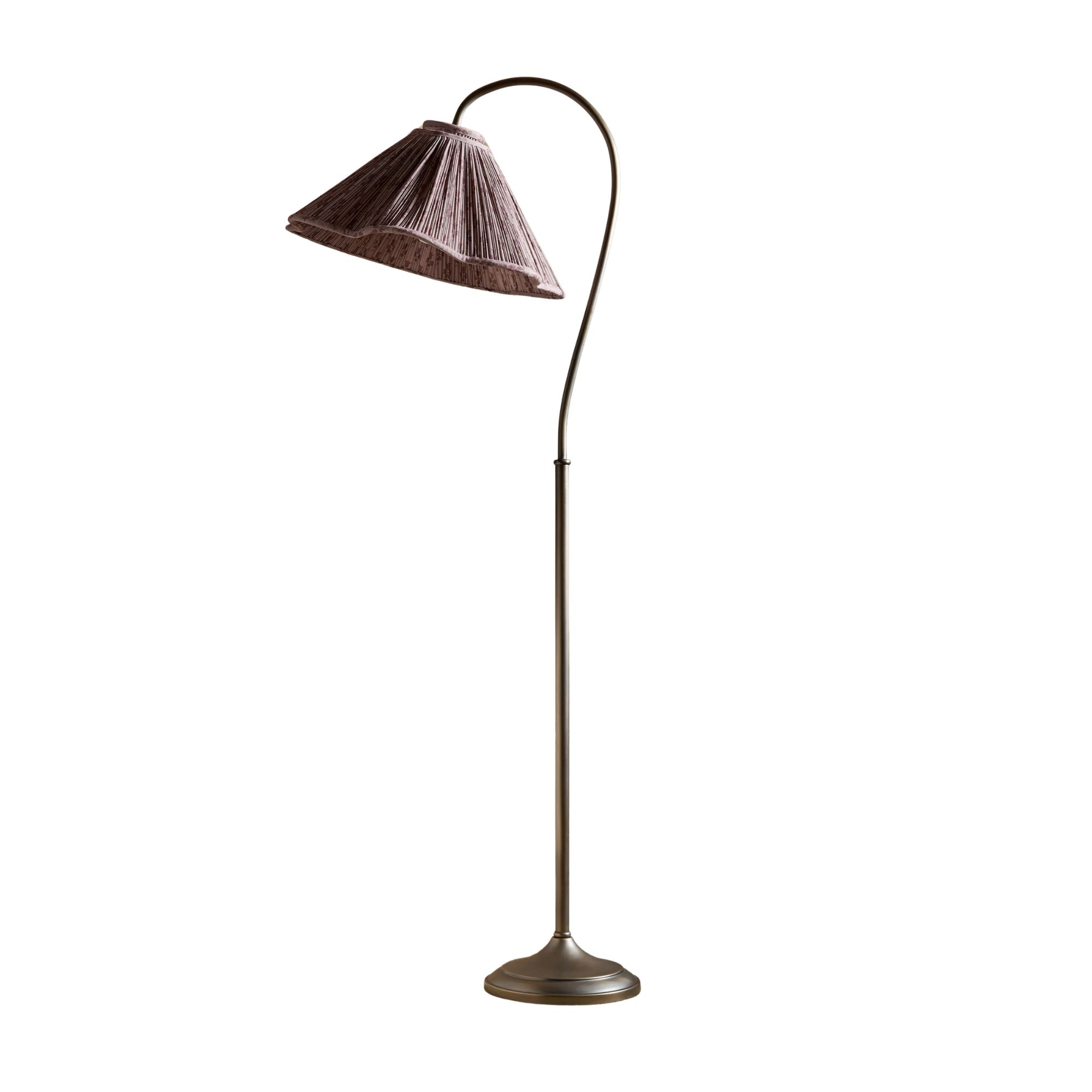
This slender floor lamp is ideal for adding light at a different height, slipping beside an armchair or sofa to create a focused pool of illumination away from the main overhead source.
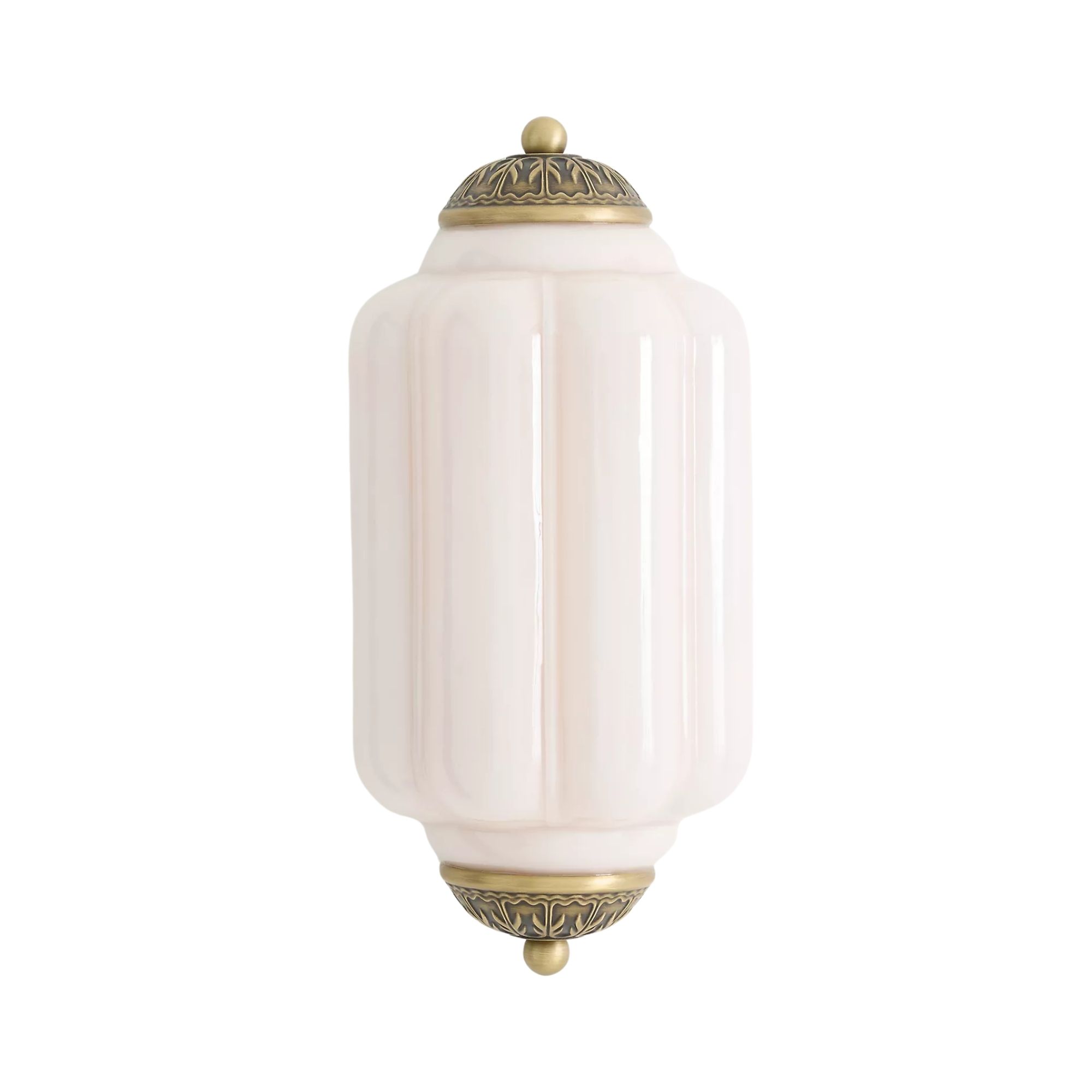
This scalloped milk-glass sconce adds a softer pool of light at wall level, helping to build up the different heights of illumination that make a room feel warmer and more layered.
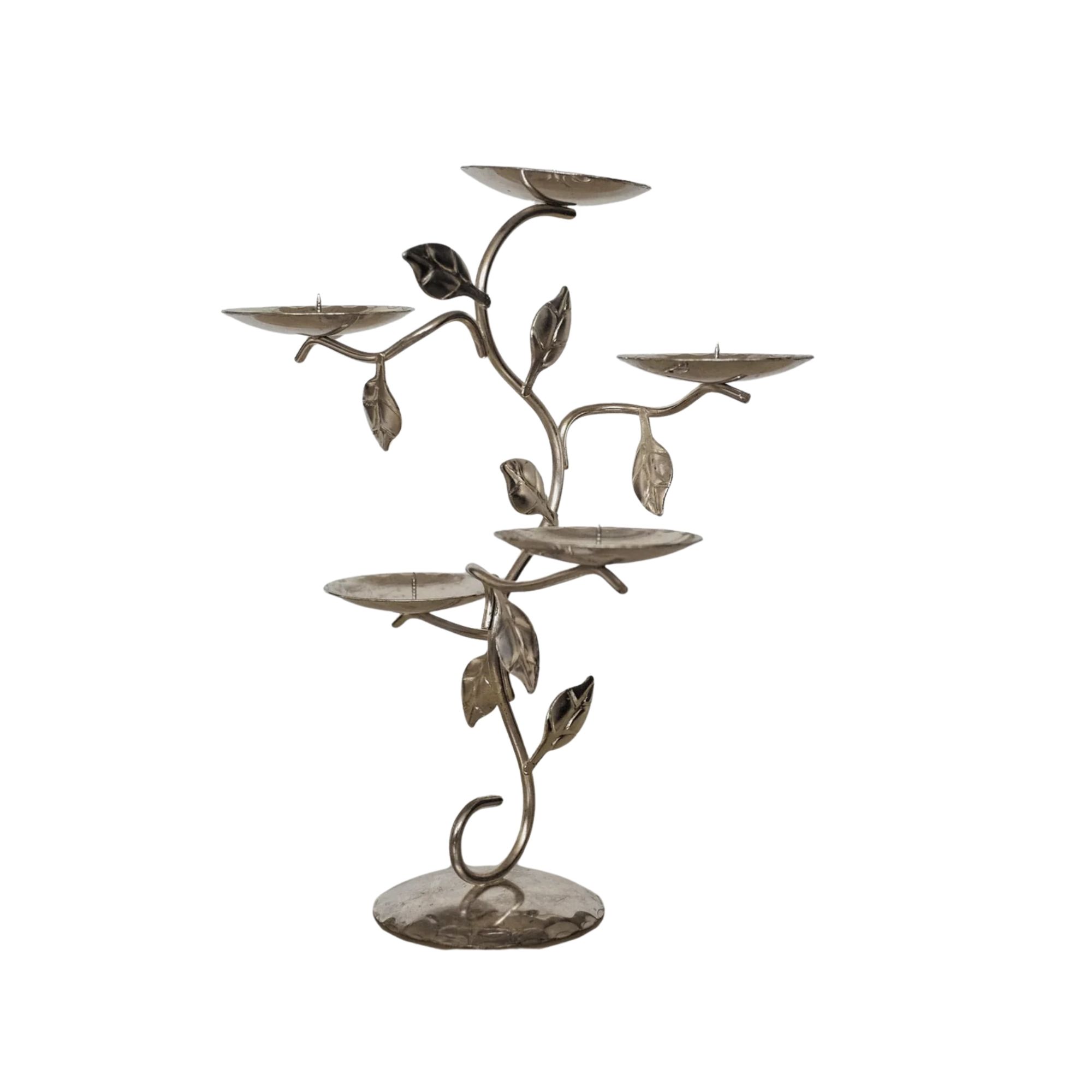
This sculptural candelabra brings flickering light down to tabletop level, while its winding stem and delicate falling-leaf details give a subtle nod to the season.
5. Make Your Windows Work Harder
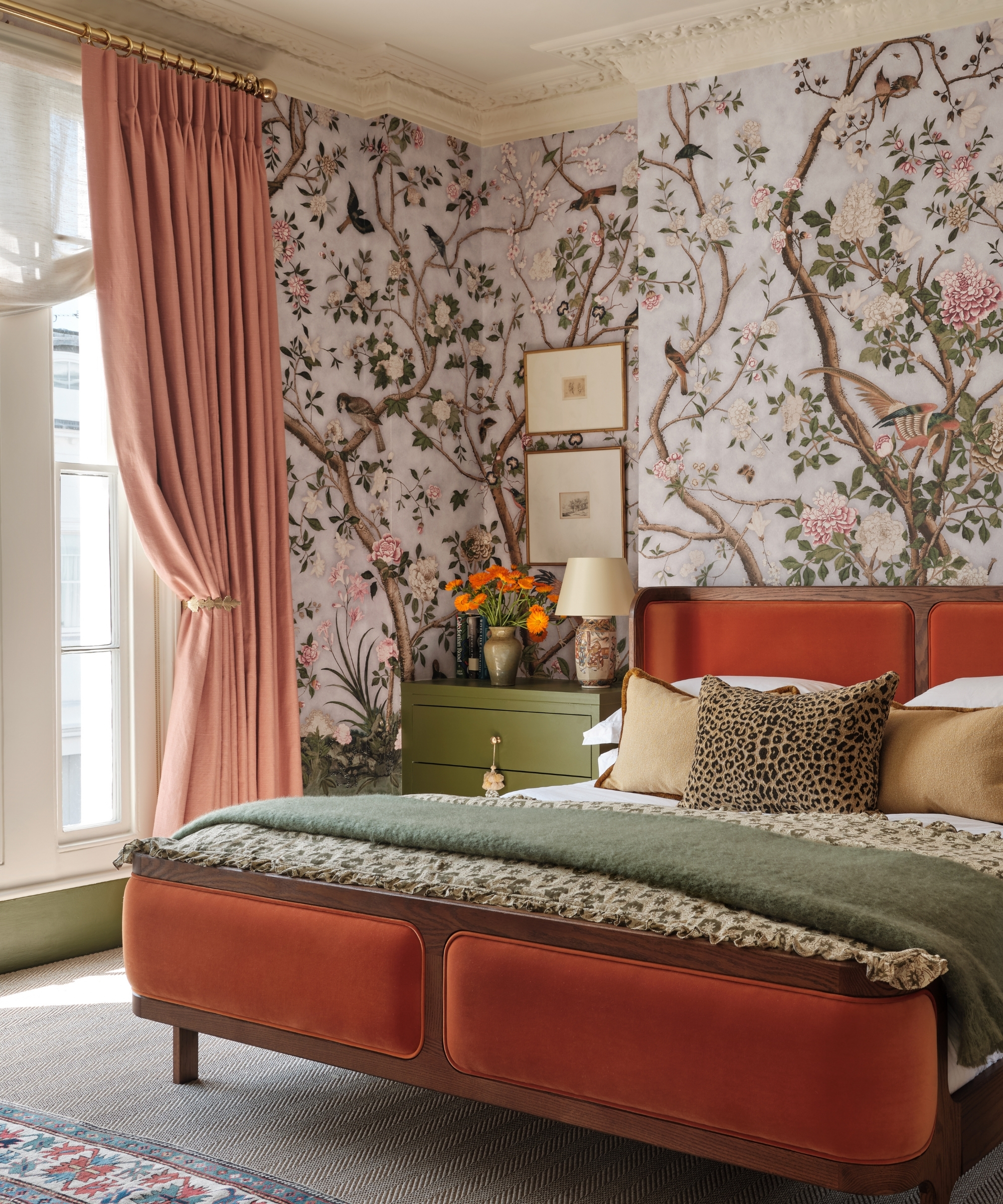
Windows provide another opportunity for layering, particularly when the quality of natural light begins to change. But that doesn’t necessarily mean swapping lightweight summer curtains for heavy drapes every fall.
‘Window treatments have a huge influence on how a room feels, particularly as the light changes through autumn,’ says interior designer Rebecca Hughes. ‘We tend to create bespoke window treatments that work beautifully year-round, rather than changing them with every season. The key is choosing the right combination of fabrics, textures, and linings from the outset, so the windows can adapt naturally to the changing light and atmosphere throughout the year.’
Layering a shade or blind with full-length curtains can give a window visual depth year-round, while how you use those layers can change with the season. During fall, Rebecca recommends opening curtains fully during the day to make the most of the warmth and golden quality of natural sunlight, before closing them as dusk falls. This helps retain warmth while creating a barrier between the room and the colder glass.
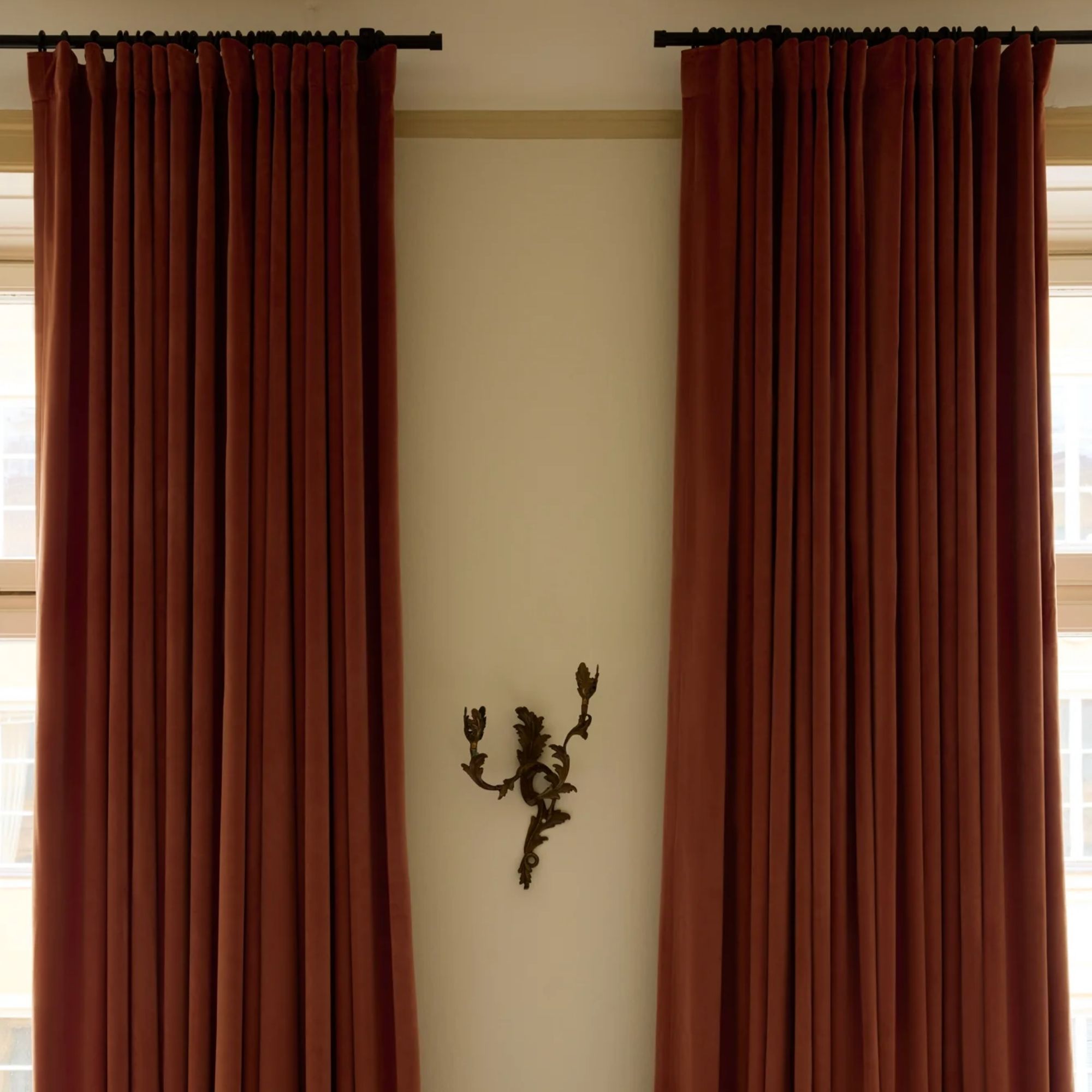
These made-to-measure velvet curtains add a weightier layer at the window, helping to soften drafts and sound while pairing neatly with sheer linen for more flexible light control.
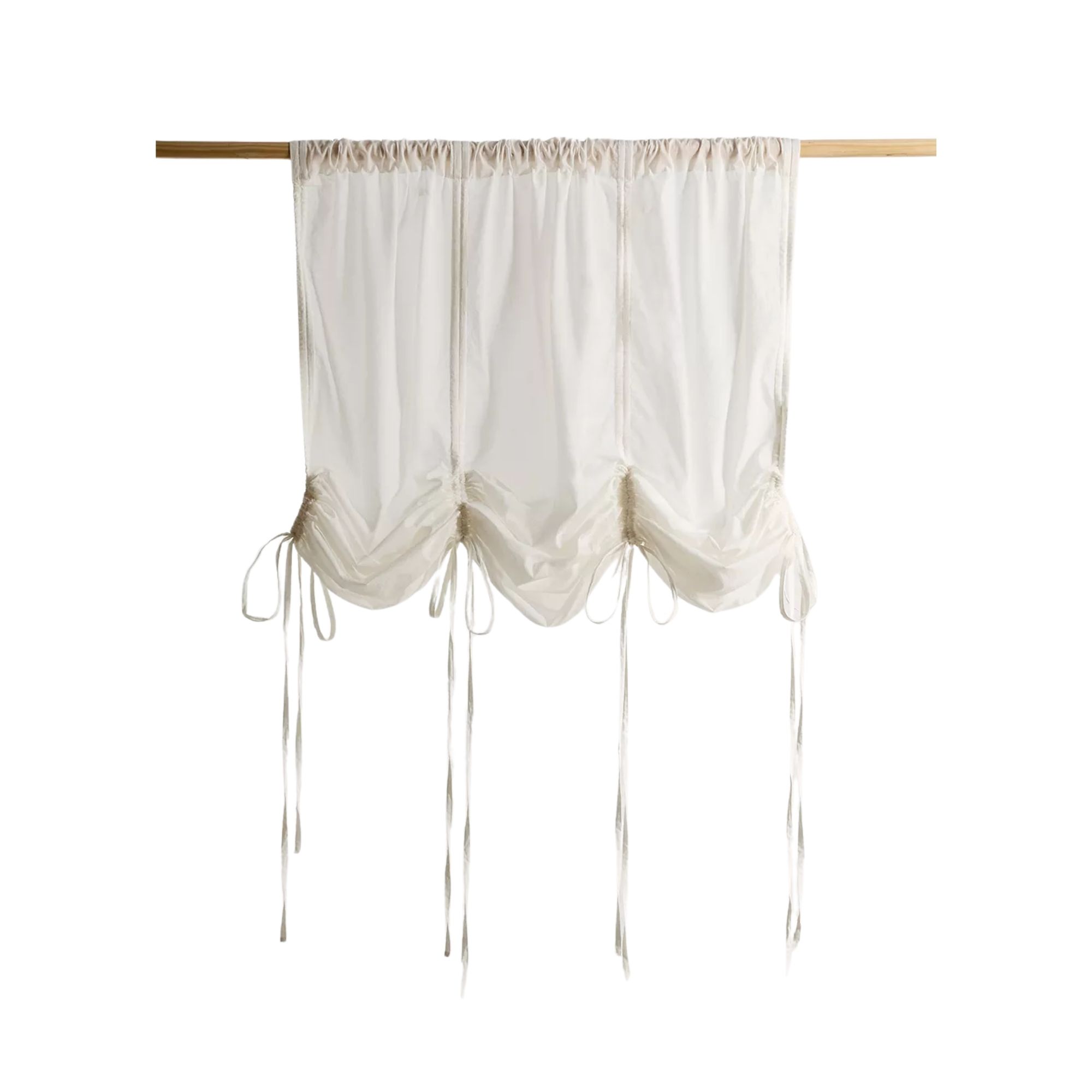
Made from sheer cotton, this valance filters natural light without covering the whole window, making it an easy extra layer to pair with heavier curtains as fall draws in.
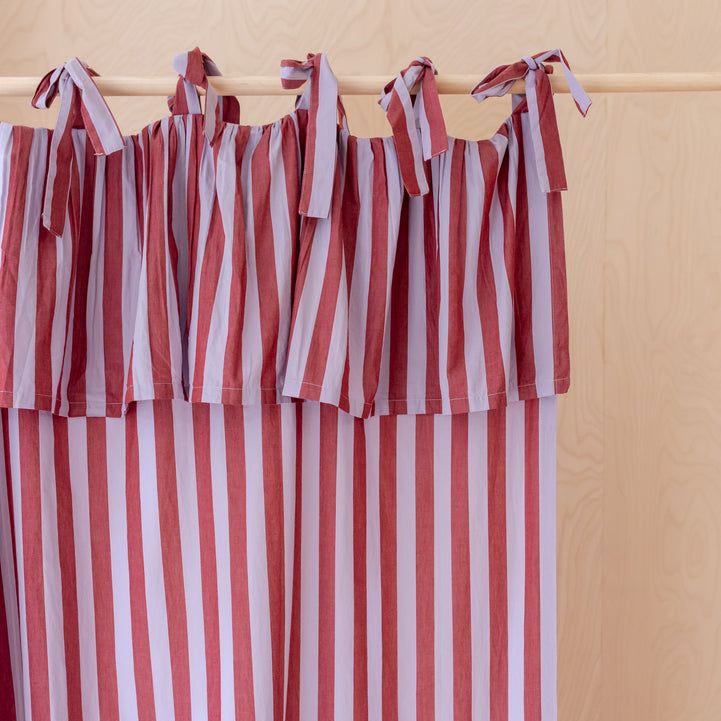
Adjustable tie tops make these striped cotton curtains an easy layer to add for fall and switch out again with the seasons, while the unlined fabric still lets soft natural light filter through.
6. Bring Your Collected Pieces Forward
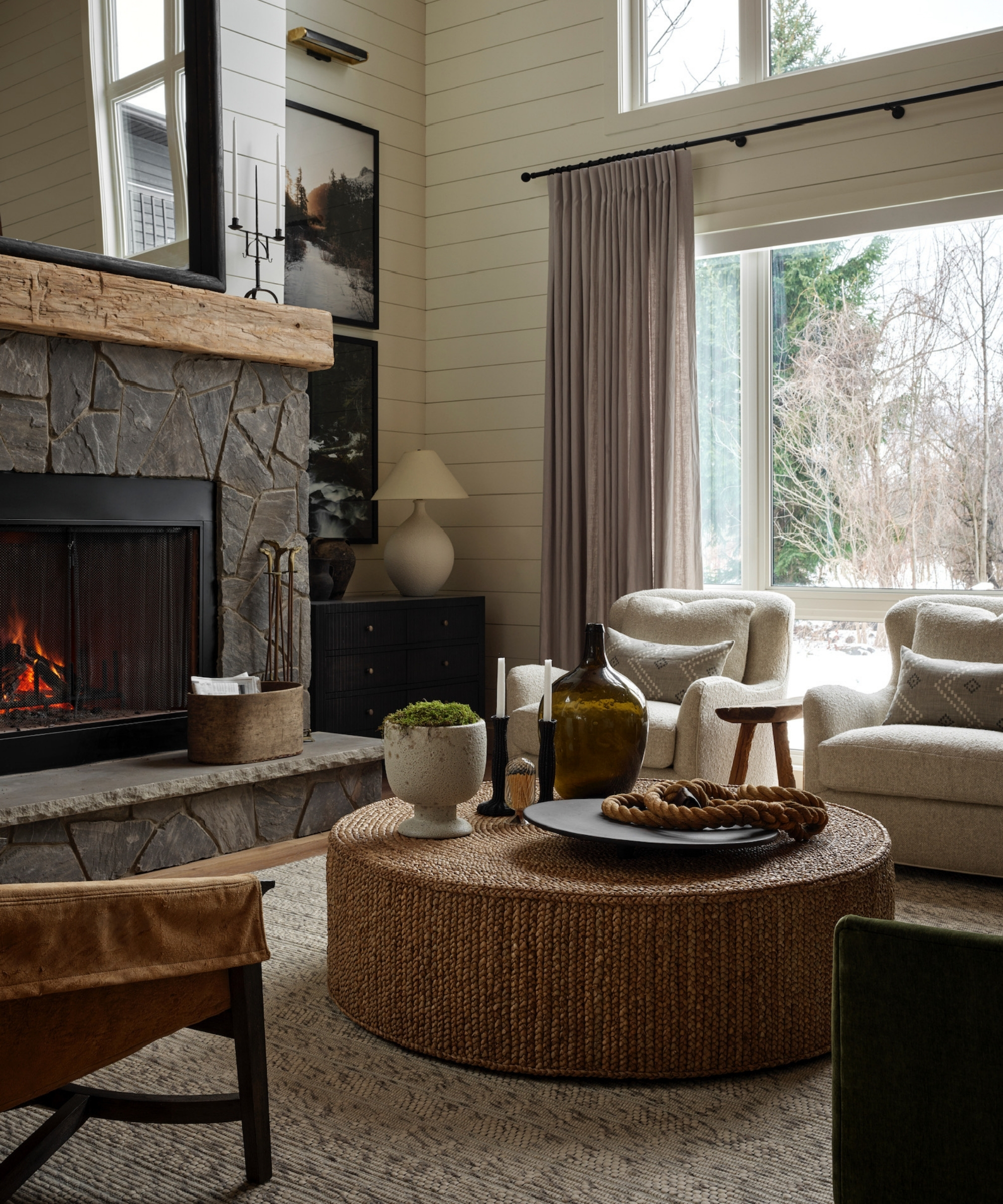
Fall layering can happen on a much smaller scale, too. Books, ceramics, candlesticks and favorite objects all help a room feel more collected, particularly when they are arranged in small groupings rather than scattered individually around a space.
‘For me, fall layering is often about the quieter details,’ says Laura Fremont, lead designer at TOM Design Collective. ‘A stack of books, brass candleholders and a few accessories can completely change the mood of a room. They add warmth, depth and that slightly collected feeling that makes a space feel more intimate as the days get shorter.’
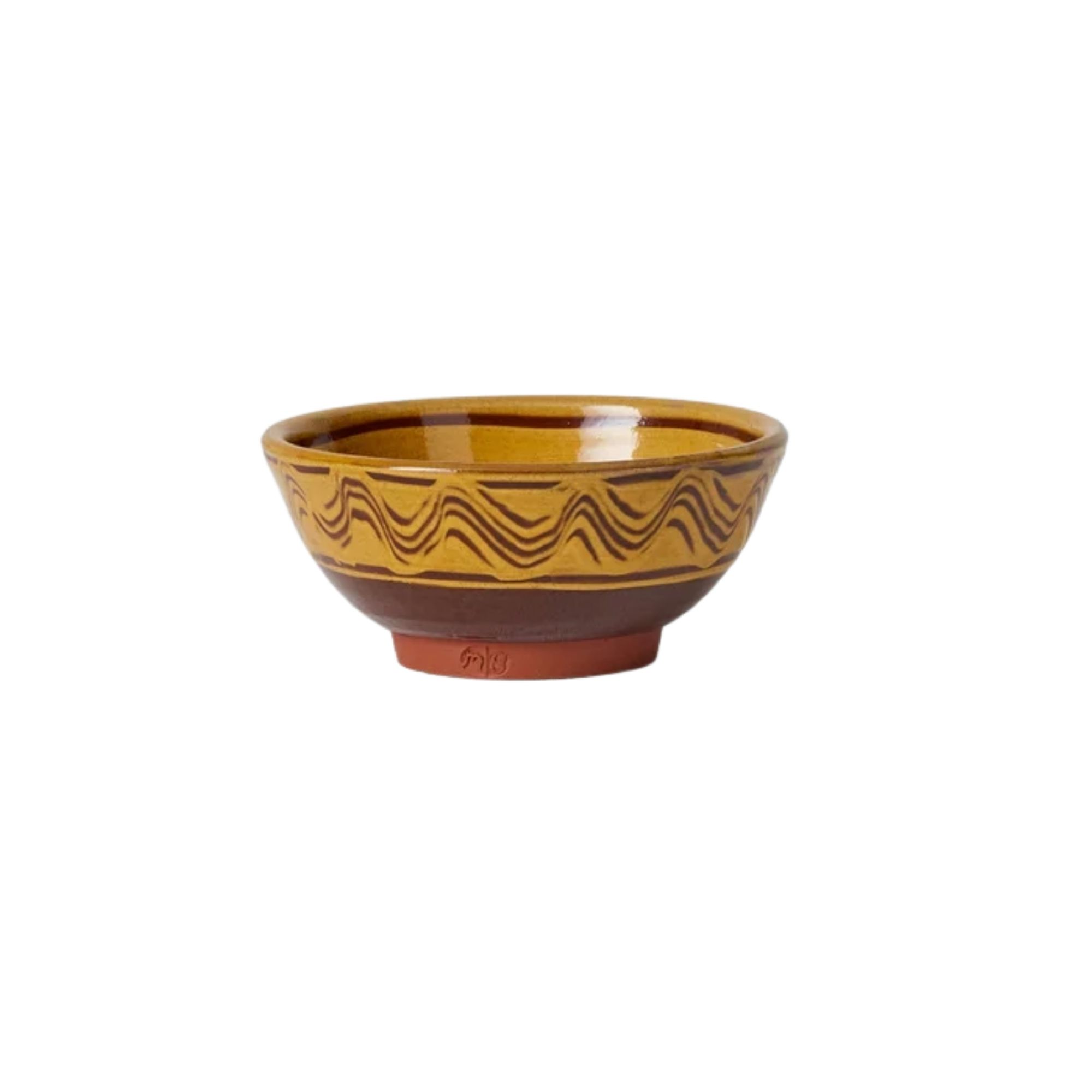
The best place to begin, then, might be your own shelves and cupboards. Move a favorite stack of books onto the coffee table, bring a ceramic bowl into the living room, or group brass candlesticks together rather than buying accessories purely because they have been labeled as fall decor.
When building these small compositions, vary the height, shape, and material of each piece. A low ceramic bowl beside tall candlesticks and a stack of books creates more depth than three similarly proportioned objects, while mixing wood, pottery, metal and paper prevents a vignette from feeling overly styled.
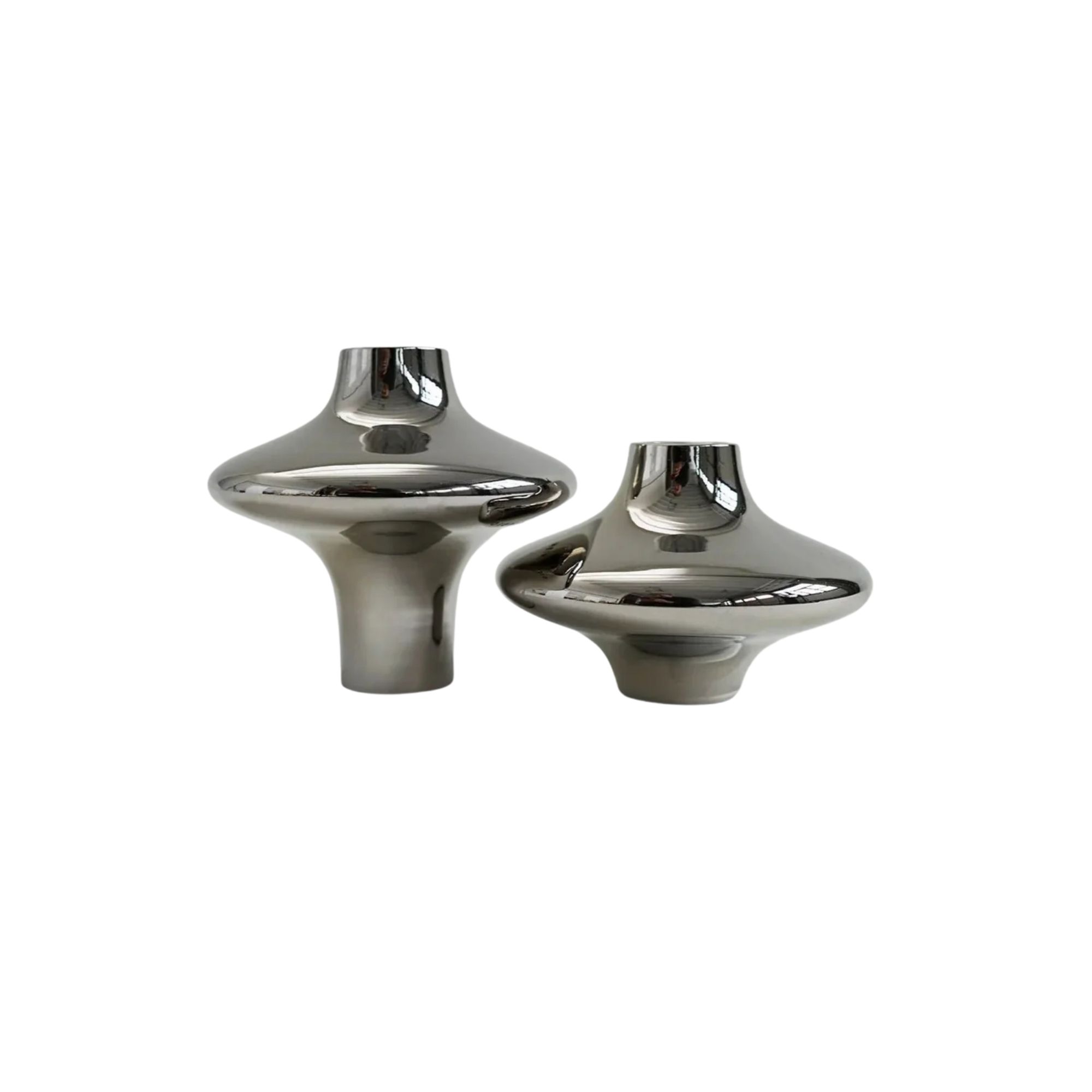
Hand-cast in solid brass with a polished silver finish, this sculptural candleholder adds another material to a collected vignette and works just as well displayed unlit among books and ceramics.
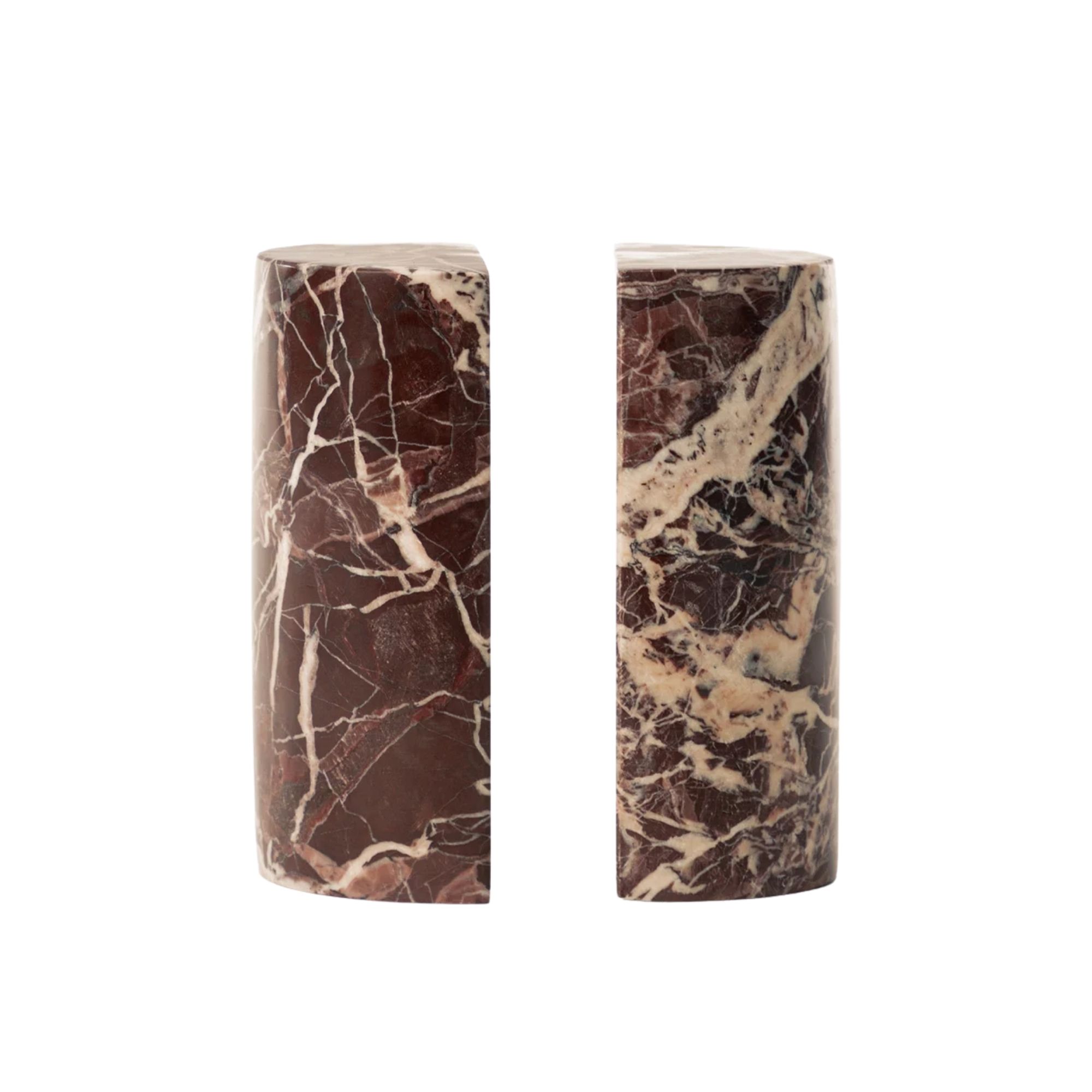
These richly veined marble bookends give favorite volumes a more considered place on display, helping everyday possessions become part of the room’s collected layers.
7. Let Nature Do the Decorating
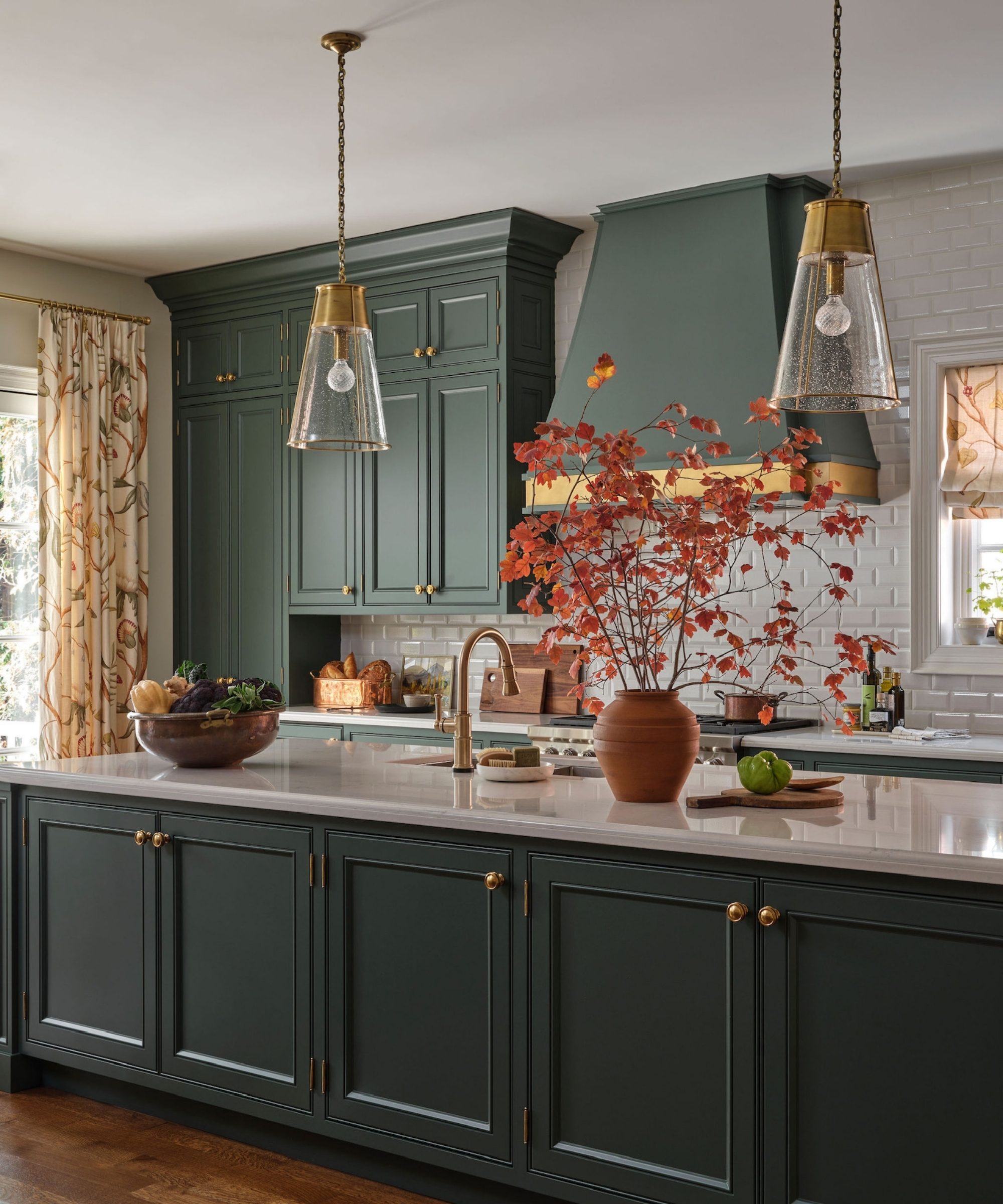
If you do want to introduce an unmistakably seasonal layer, look outside rather than to the fall decor aisle. Branches are particularly effective because their height and irregular form introduce something that conventional accessories can’t. Haley Dermenjian recommends organic stems, dried flowers and grasses, berries or bare twigs, noting that taller, more sculptural foraged elements can make a room feel grounded and connected to the season.
And in the kitchen, you barely need to decorate at all. ‘I’d rather let the harvest do the work,’ says Tommy Smythe, founding partner of TOM Design Collective, who suggests leaving vegetables from the market in a basket, herbs on the sill and fruit piled into a bowl. ‘There’s something about that abundance of color and ingredients that makes you want to gather, cook and enjoy the season’s bounty. Add warm wood, pottery, and deeper greens, and suddenly the kitchen feels completely right for fall, without anyone having to announce it.’
It’s perhaps the easiest fall layer of all because it is temporary by nature. A branch loses its leaves, the fruit gets eaten, the flowers fade, and the room moves on with the season.
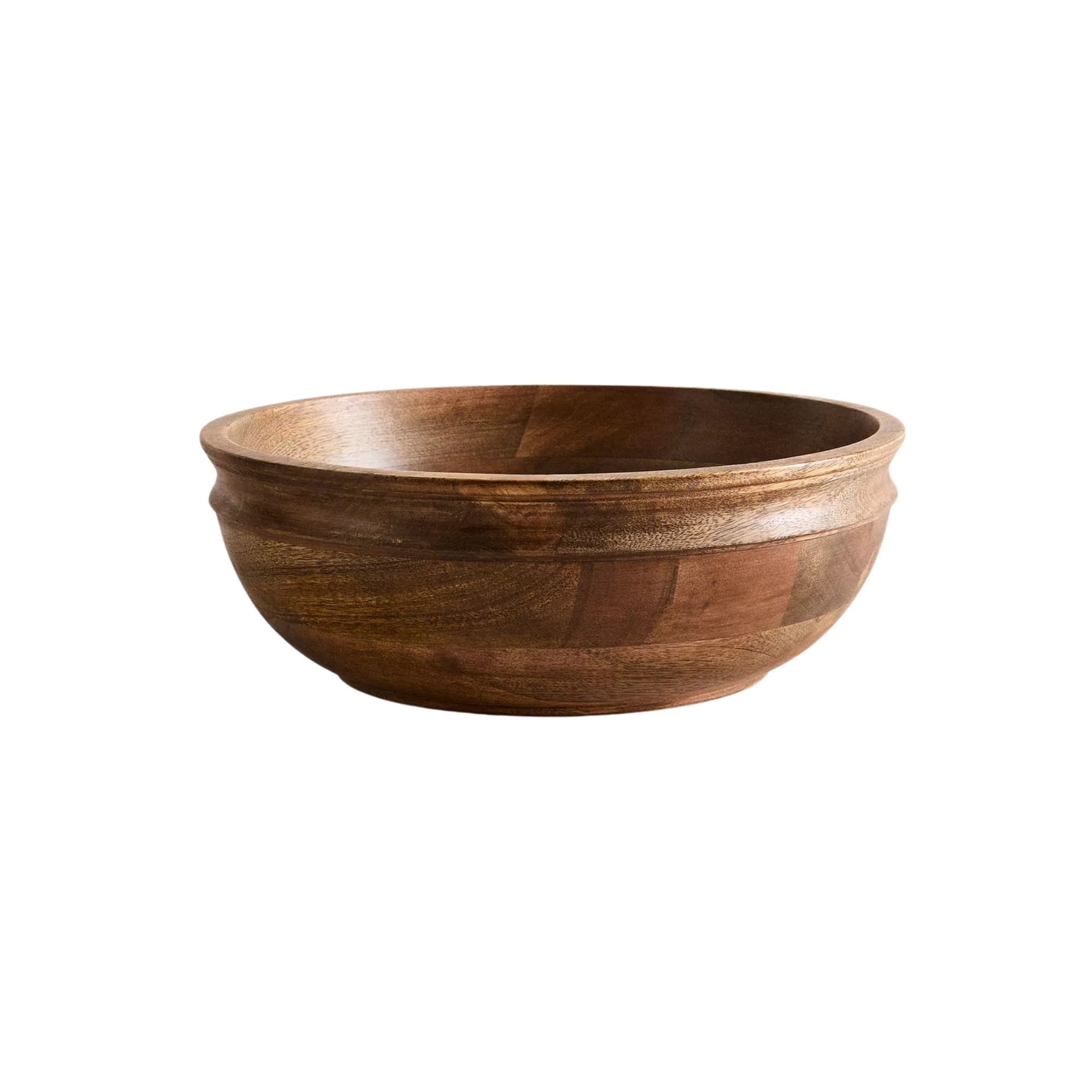
Fill this generously sized mango-wood bowl with apples, pears or squash to turn the season’s produce into a natural fall centerpiece, with warm wood adding to the effect.
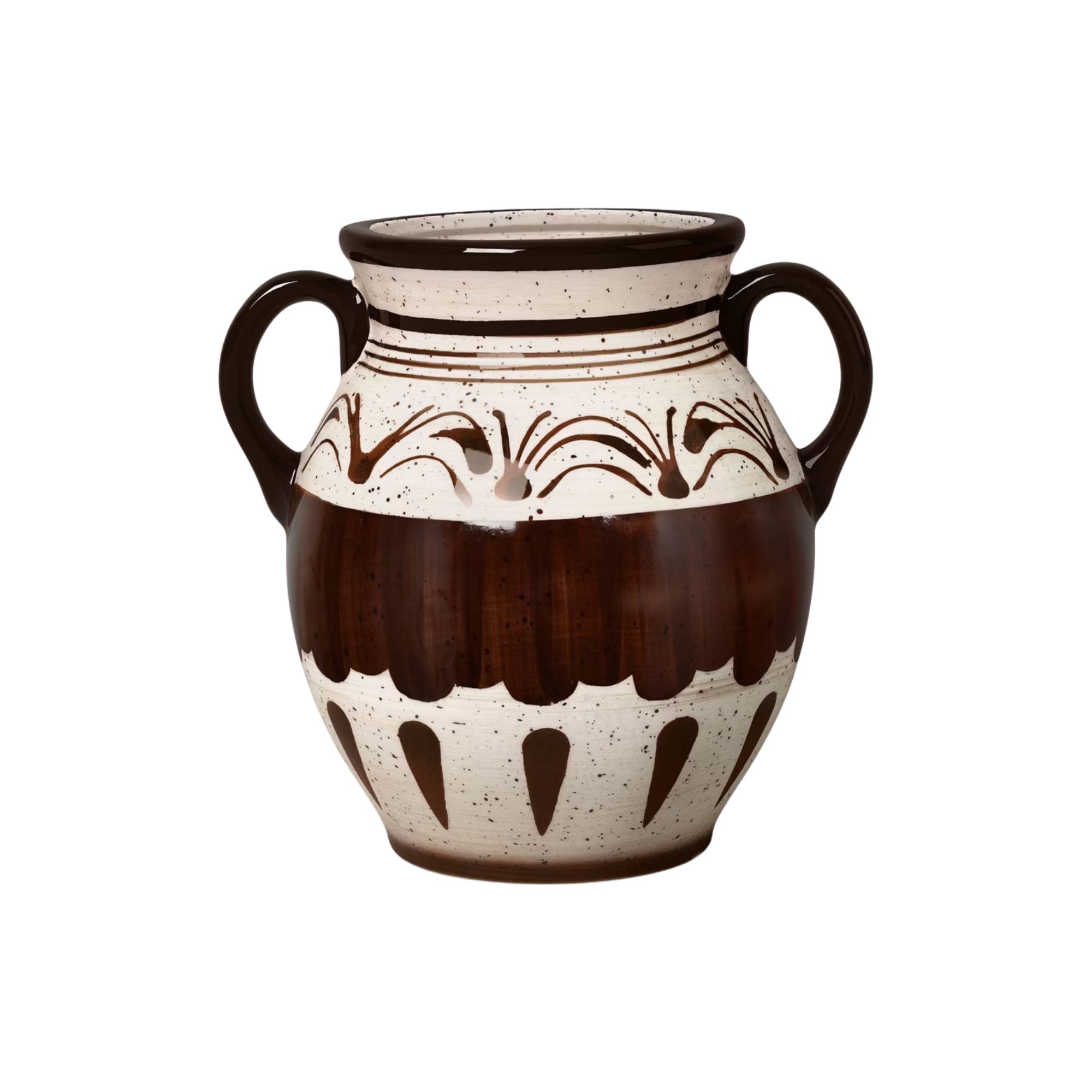
Fill this generously sized ceramic vase with tall, foraged branches to bring the changing landscape indoors, with its painted fern motif adding another subtle botanical note.
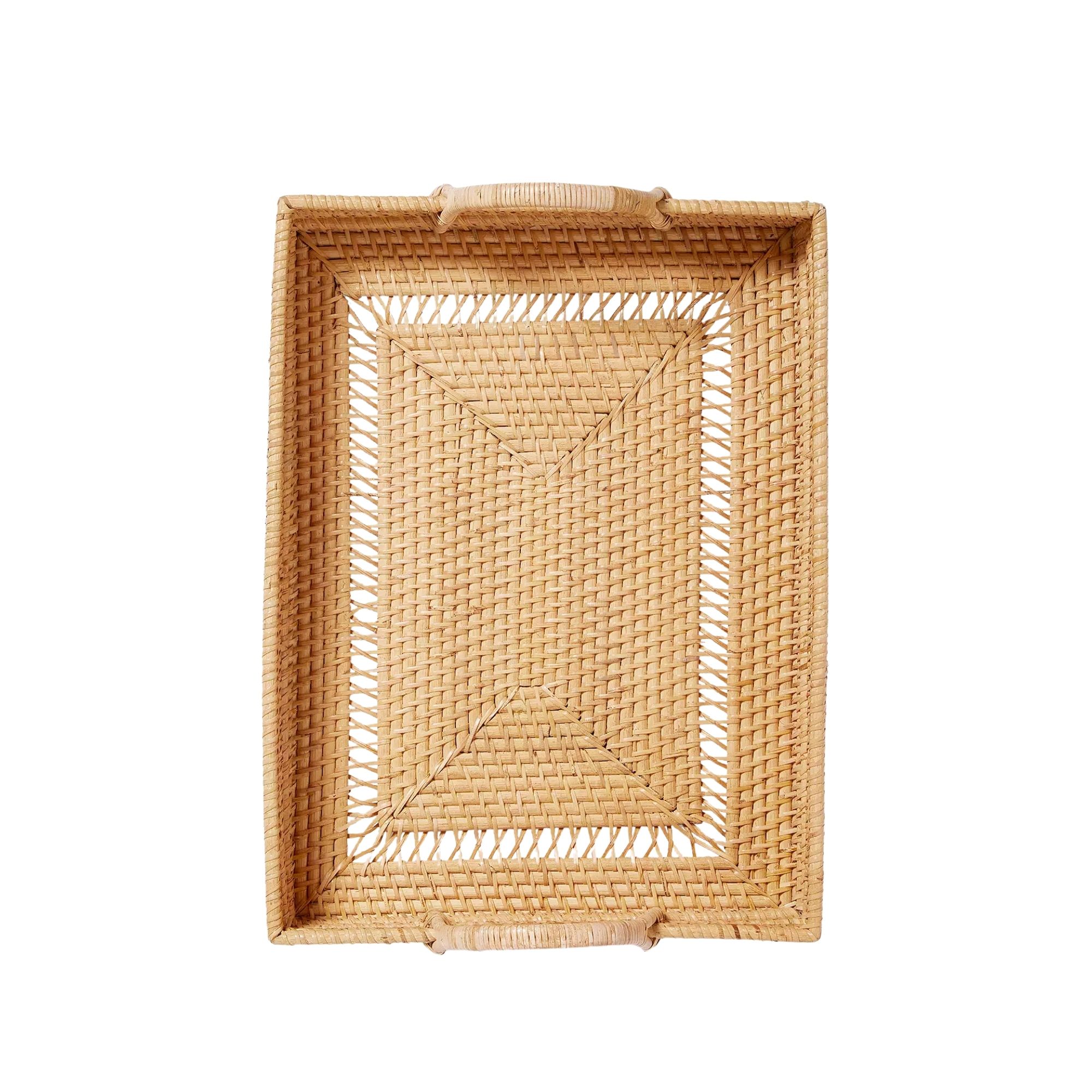
Use this petite woven tray to corral foraged finds into a simple tabletop display, bringing natural texture into the room at the same time.
Ultimately, successful layering isn't about how many things you can fit into a room. It’s about creating relationships between them: a dark wood table against soft upholstery, lamplight falling over a favorite chair, a deeper color anchoring a pale scheme, or furniture drawn slightly closer around the fireplace. Small changes can be enough. Rather than redecorating your home for fall, think about where it could use a little more weight, warmth, or intimacy, and add just the layer that’s missing.
Love beautiful design ideas, expert advice, and inspiring decor trends? Sign up for our newsletter and get the latest features delivered straight to your inbox.