Arched cabinets, softly rounded island edges, and circular motifs – curves have been showing up in kitchens to create a softer look and a more organic feel. These small details help to create a cooking space that feels more inviting, free from all the sharp corners and harsh edges that once dominated these rooms.
It's a kitchen trend that designers say is key to creating the more lived-in, custom feel so many homeowners desire from their spaces. And the most successful designs are subtle and intentional, bringing in curved details where it really matters.
Here's why kitchen curves are transcending trends to become a more integral part of our schemes, the different ways to introduce them, and a few designer-approved spaces that get the look right.
The Appeal of Curves in Kitchens
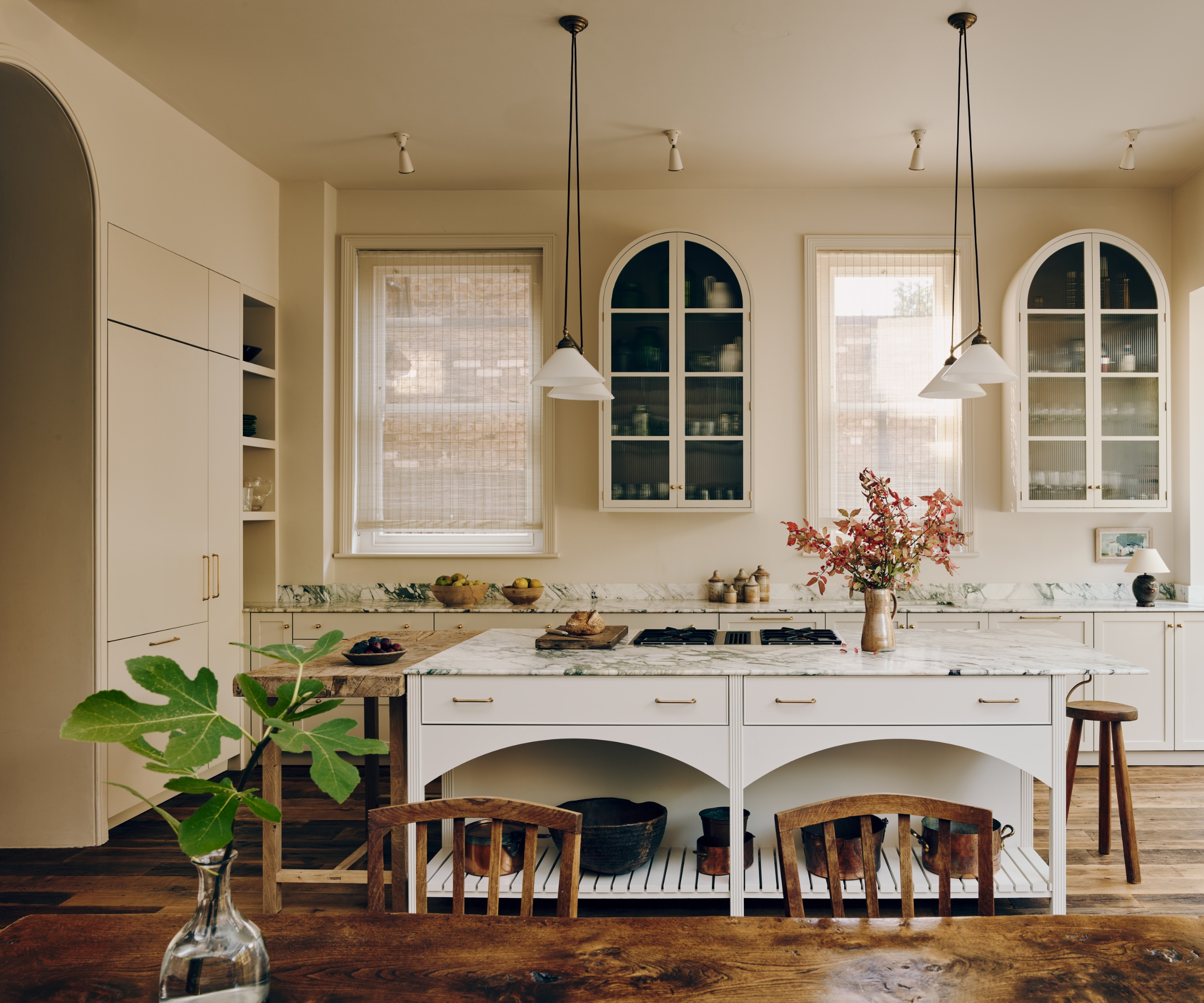
If you take a look at the most dominant design features in kitchens this year, they all point to softer spaces that feel lived-in and more room-like. Curved details fit this perfectly, adding softness without sacrificing functionality. Curves offer that balance in a way many other features cannot.
'Kitchens have cabinetry, countertops, appliances, islands, and millwork all competing within a very linear framework, so introducing a curved element can immediately make the room feel more considered and less rigid,' explains Kailee Blalock, Co-Founder of House of Hive Design Co.
'I also think curves are a beautiful way to add architectural interest without needing to make a huge statement. It could be a curved plaster hood, the end of an island, a bullnose countertop edge, an arched opening, or a subtle radius on the cabinetry. Sometimes that one detail is enough to make the entire kitchen feel more custom and intentional.'
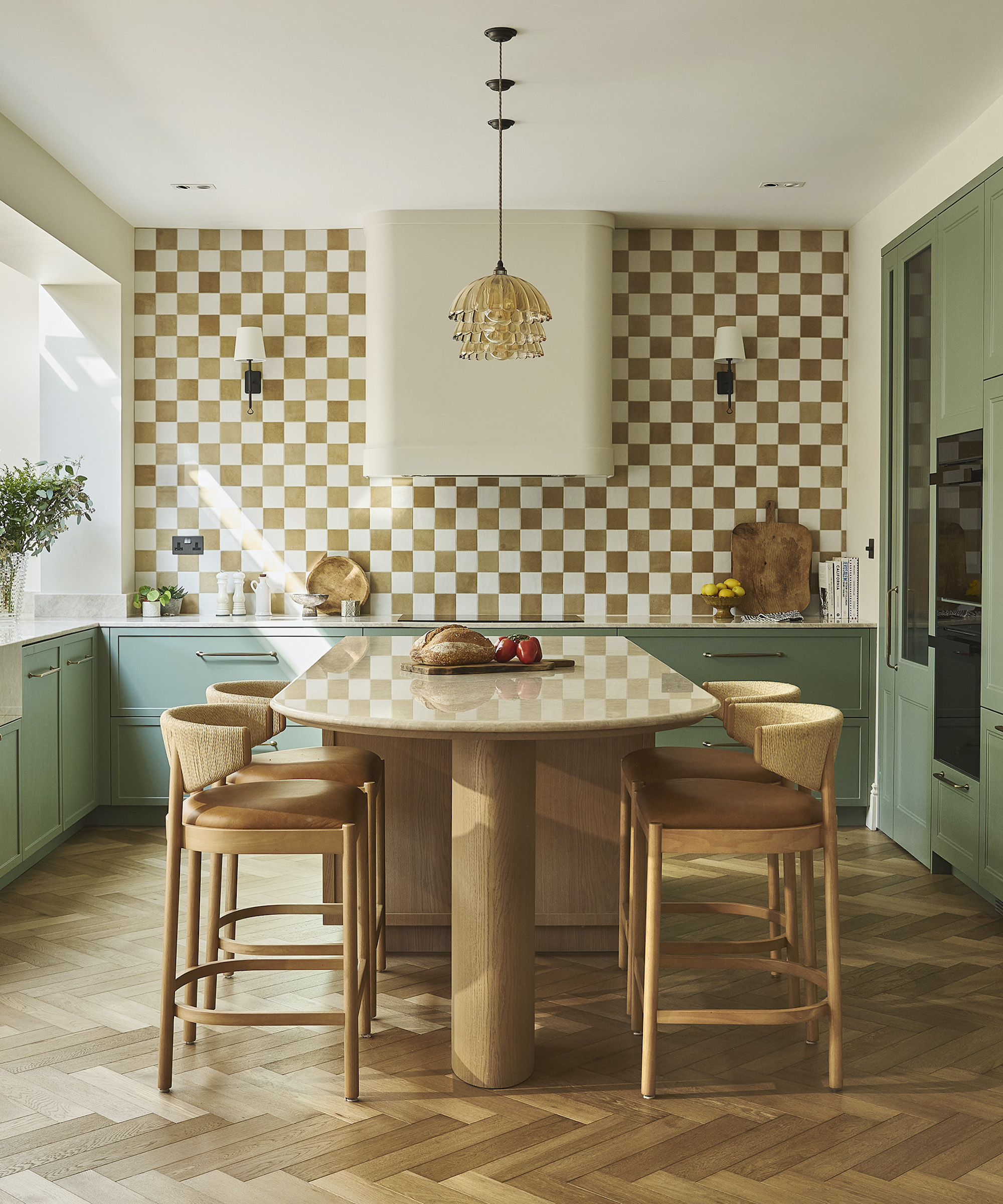
But beyond the warmth and organic feel they add to kitchens, there's also a nod to bygone eras. For interior designer David Nastasi, the look offers a subtle throwback to the '70s, an era that evokes different emotions depending on the generation you ask.
Design expertise in your inbox – from inspiring decorating ideas and beautiful celebrity homes to practical gardening advice and shopping round-ups.
'We have a generation who are now mature and building homes, who do not remember the '70s with negative associations. They grew up with white walls and square edges. For someone my age (52) or older, there has been shock and horror over the colors and shapes from that period,' he explains, noting the fresher approach now being used. 'Some young designers and clients are intrigued by the novelty or nostalgia of it, never having lived with it.'
Historic inspiration is prevalent in this trend, whether it's the vintage flair of the 1970s or architecture that came long before. It's how you know you've hit on a design detail with longevity – if it's in designs of centuries past and still feels stylish, it's a timeless detail to bring into your own space.
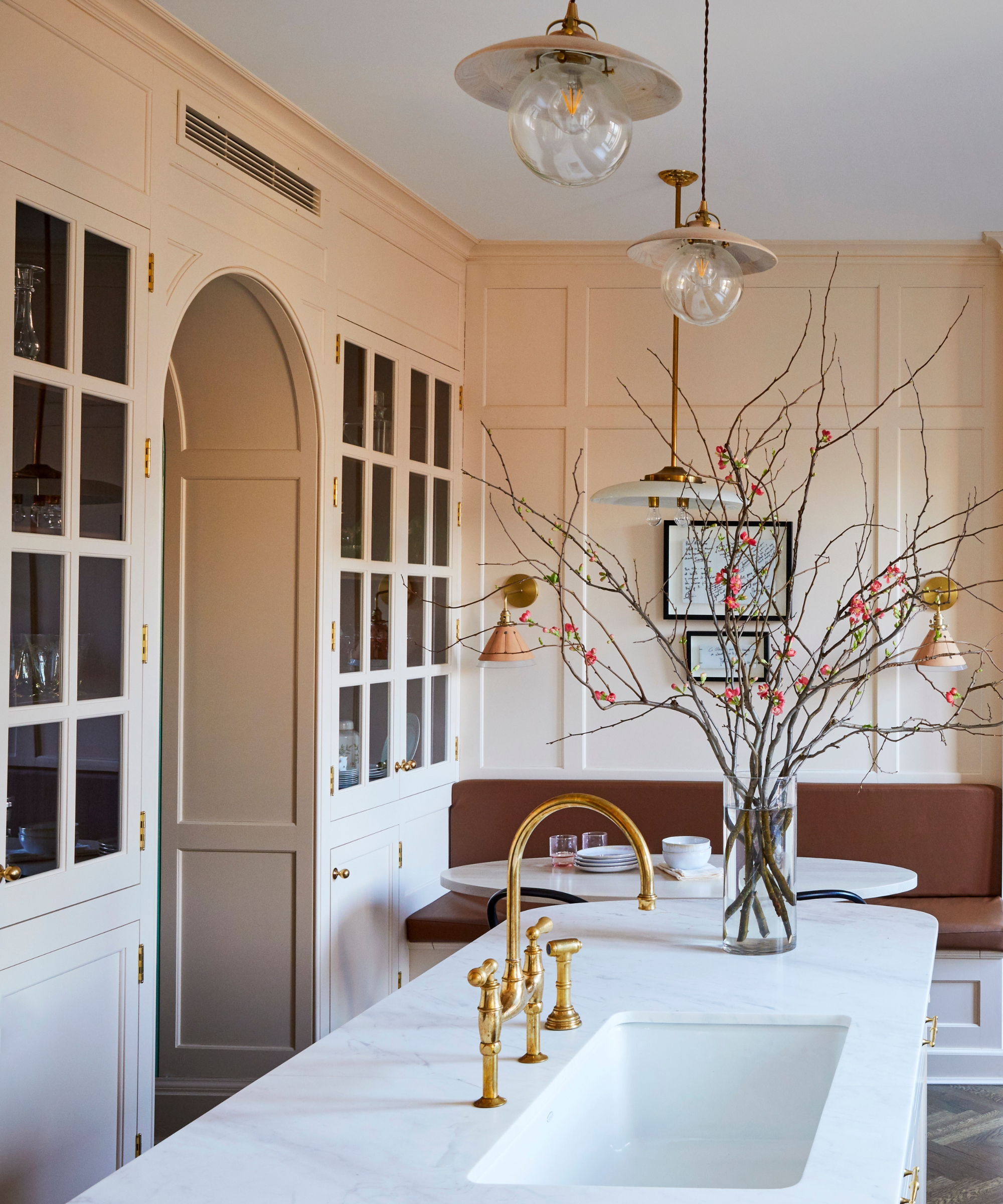
'Curves have had a place in design since the 12th century, and for good reason. If you’ve ever strolled the streets in Florence, Barcelona, or many other European cities, you find curves in just about every direction you look,' says interior designer Alexa Kingery. 'I think over the past few years, there has been a steep rise in the popularity of historical and traditional design. People are craving comfort, warmth, and nostalgia.'
It's easy to get caught up in the aesthetic appeal, but curved kitchen features offer practical benefits, too. 'Soft geometry can help improve the flow of a kitchen, particularly around islands and other work surfaces, by alleviating potential pinch points and making thoroughfares feel more accessible and inviting,' adds Tom Wicksteed of 202 Design.
It's also about connecting the kitchen to the rest of the home through architectural detail. 'Curves can help connect the kitchen more naturally to the wider architecture of the home. We’re seeing a move towards softer architectural forms more generally, with arches and curved details being used to bring warmth and character to interiors,' Tom adds.
How to Add Curves To a Kitchen
Adding curves to kitchens requires a refined approach. It's easy to get carried away, but too many curves can start to feel contrived and themed, conjuring those not-so-fond memories of kitchens gone by. The most successful designs practice subtlety, introducing curves in small but meaningful ways.
'They should be used ' David agrees. 'They are an interior element for enhancing a space or particular situation. People tend to become excited by new trends and then overuse the design element, devaluing it.'
'I wouldn't add a curve to a kitchen simply because curves are having a moment. It should feel like part of the language of the home,' Kailee explains. 'When it's done well, you shouldn't necessarily look at it and think, that's the curved kitchen trend. It should just feel like it belongs there.'
1. Arched and Curved Doorways
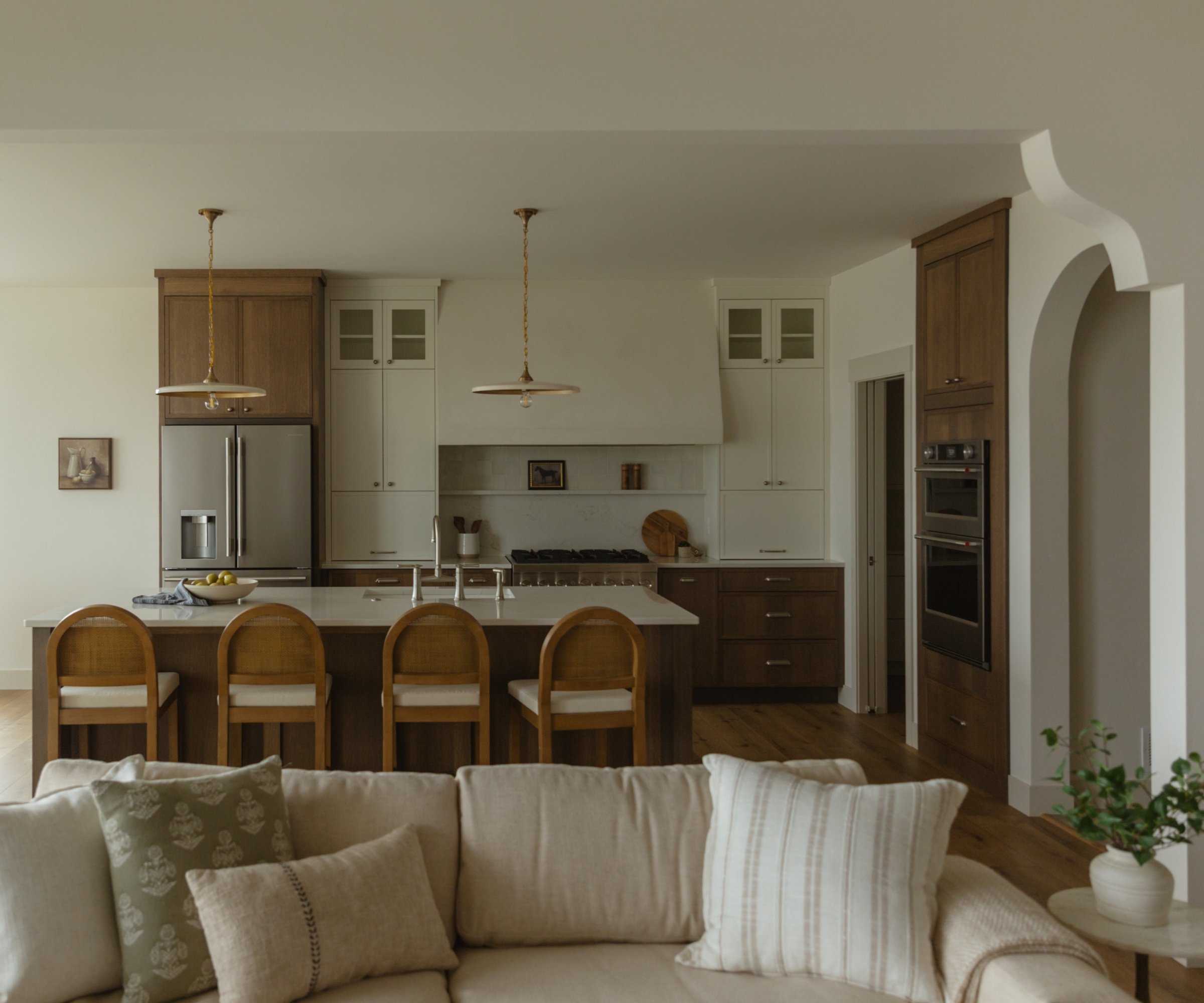
Arches have been integrated into homes for some time now, whether it's hallways, bath nooks, or even front door designs. Softly curved to add elegance to a simple entry point, it works just as beautifully in kitchens, especially in open-plan schemes.
In this design by Alexa Kingery Interiors, curved doorways feature through an arched passage in the kitchen that differentiates a pass-through to another room from a doorway into a pantry, while the opening between the living room and kitchen is defined by an ogee-inspired detail, with subtle curves that add character.
2. Rounded Kitchen Island Edges
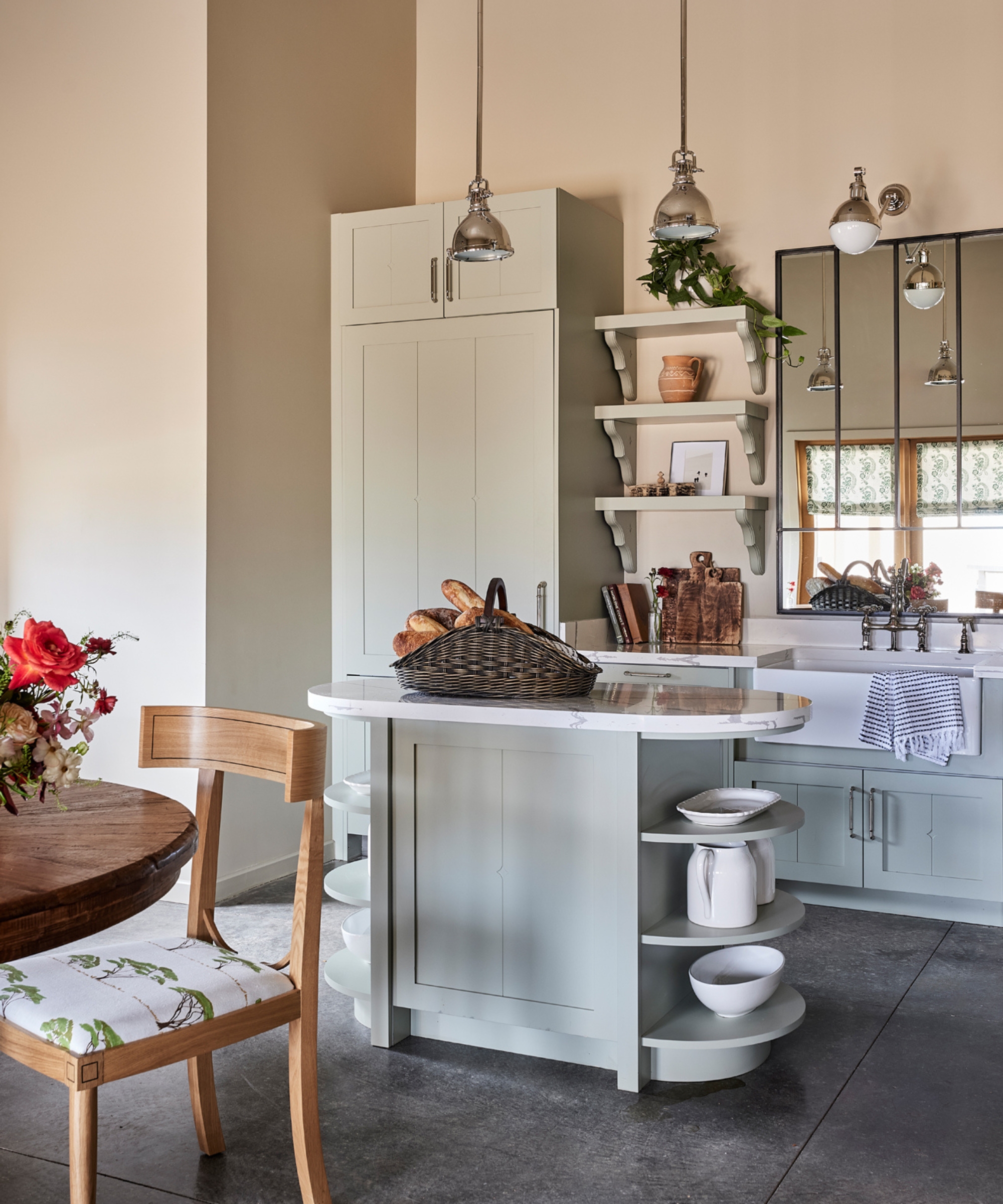
One of the most popular and impactful ways to introduce curves to a kitchen is through the island. The entire countertop can be oval in shape, or subtly curving the corners instantly makes an island feel more architectural.
'Curved profiles create a sense of flow and movement, especially in open-plan layouts. To introduce curves, you could opt for rounded island edges,' suggests interior designer Cynthia Ferguson, who adds that 'curves are fabulous to soften the hardscape of a kitchen, but make sure you are adding curves because you love them, not because it is a trend.'
Because an island is such an integral part of the kitchen, adding curves here feels intentional. 'Softening the corner of an island or peninsula creates a much nicer flow when you're moving through the room,' Kailee agrees. 'Ultimately, I love when a kitchen starts to feel less like a wall of cabinetry and more like a thoughtfully designed room with pieces that have their own shape and presence.'
3. Range Hoods That Gently Curve
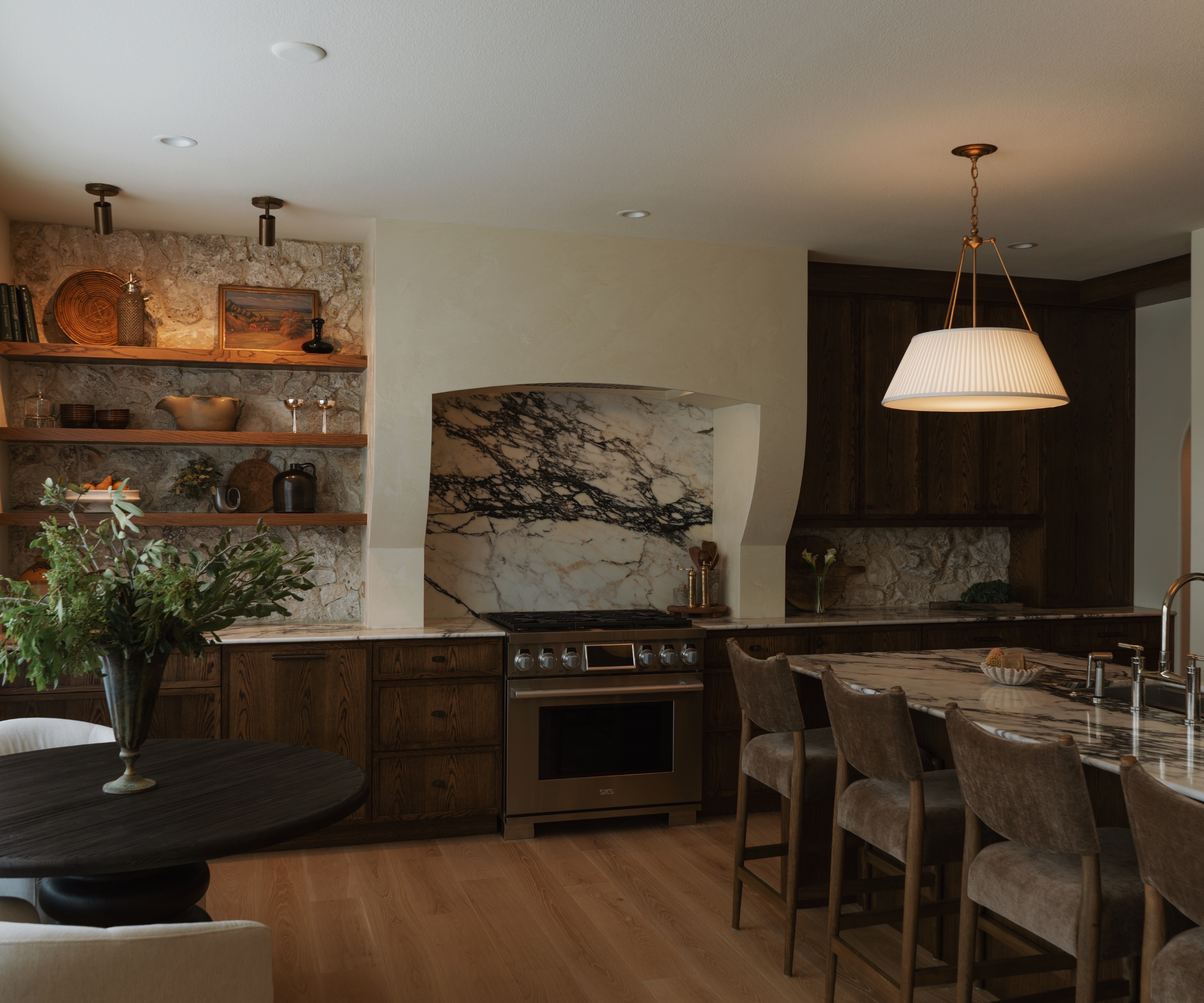
Following the theme of kitchen curves in architectural details, your range hood is another way to bring in a more organic silhouette without feeling overdone. It elevates a functional detail, creating a soft yet striking focal point, and because it's built into your design, it feels integrated into the infrastructure.
'A range hood with a rounded profile is a great way to bring curves into the kitchen,' says Heather French of French & French Interiors, who explains that in the right home, taking those curves further can help to enhance the period details.
'If you're renovating, consider architectural details like a cove ceiling or an arched opening coming into the kitchen. And get creative with your curves! It doesn't have to be a simple arch. We love bringing in an ogee detail because it adds a bit of old-world character.'
4. Kitchen Storage with Arched Details
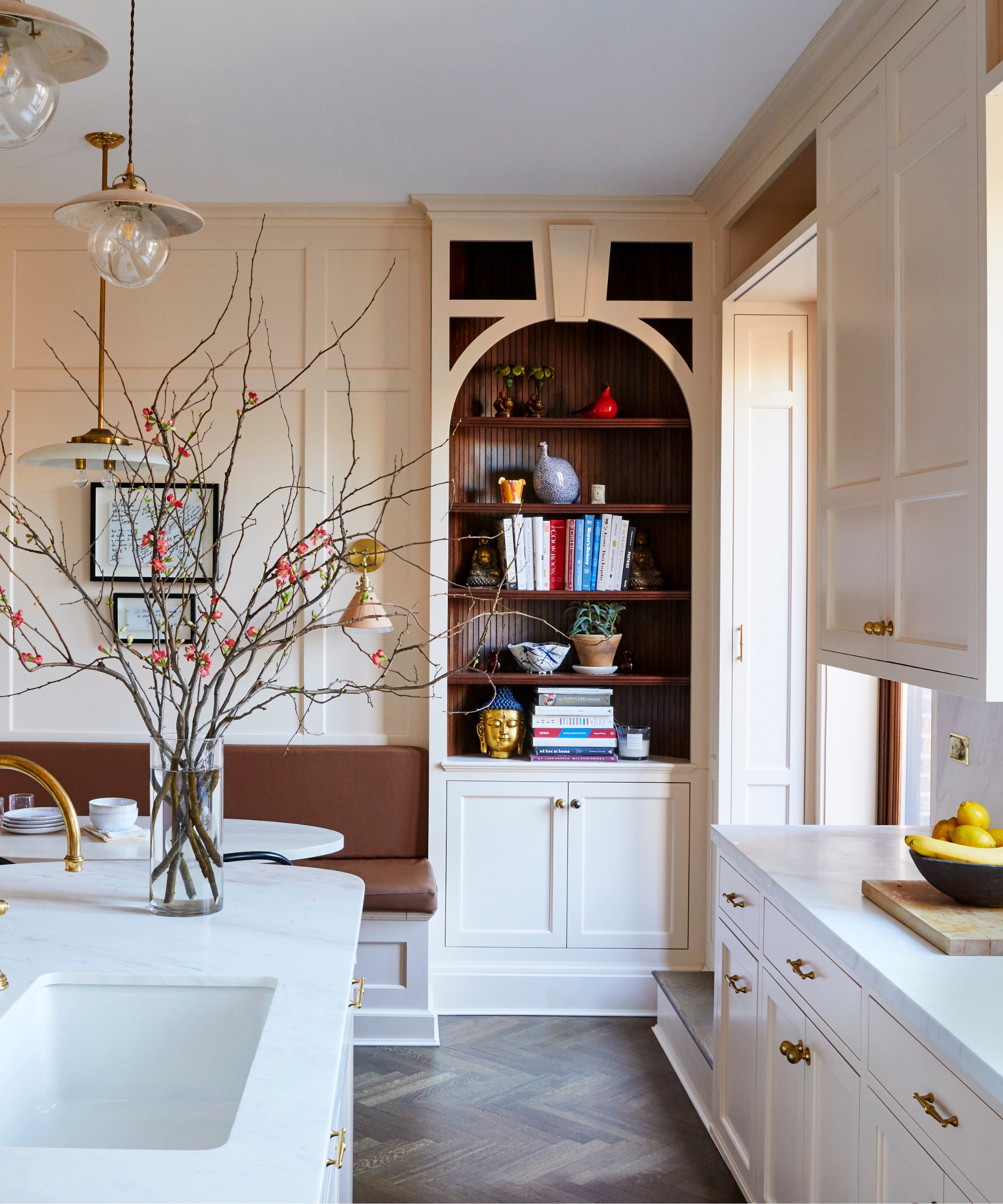
Your kitchen cabinet ideas often go overlooked, but they're actually one of the most impactful ways to add curves for a more custom look. As well as door moldings and paneling, curves can be introduced through the shape of the cabinets or shelving, as shown in this small but clever New York kitchen.
'They can be used in cabinetry, an 18th-century arched-topped cabinet, or an arch in a kitchen bookcase,' says David, who designed this kitchen with curved details to add a softer finish. 'However, don't keep repeating the element – one round window might be interesting – round windows peppered all over the place are nauseating.'
5. Furniture and Kitchen Accessories
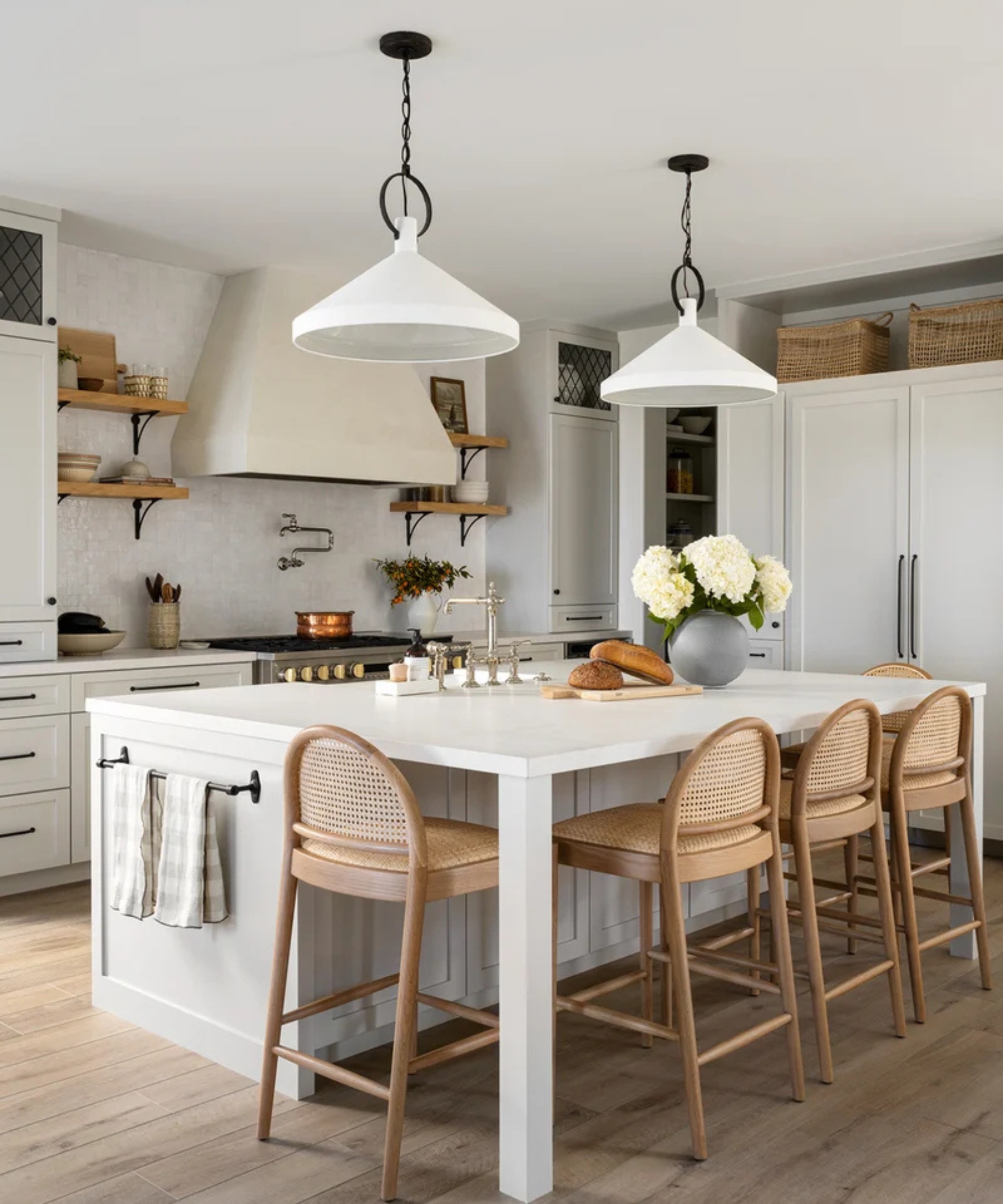
Adding curves through more permanent architectural kitchen features happens during the design phase or renovation. But if you want to soften an existing kitchen, curves can show up in smaller elements like furniture, lighting, and decor.
'You can also introduce curves through pieces that aren't permanent. A round or oval dining table, sculptural chairs, lighting with a softer silhouette, or even artwork can accomplish the same thing without committing to custom millwork,' Kailee suggests.
An island accented by counter stools with arched backrests, a dining nook with a curved banquette, or even sculptural wall lights add a softer detail to the kitchen. Avoid going overboard – a couple of curved details will feel far more intentional than a room filled with them.
Shop Curves for Your Kitchen
There's no denying that curves add a refined sort of elegance to a kitchen. They're soft, organic, and help to create a space that functions beyond practical tasks. Just remember to use them sparingly and intentionally; they should add architectural interest without feeling like a shrine to curves.
Love beautiful design ideas, expert advice, and inspiring decor trends? Sign up for our newsletter and get the latest features delivered straight to your inbox.