A new platform where the world’s leading design voices reveal the ideas, insights, and secrets that make homes truly exceptional.
I am very new to AI. I would call myself a dinosaur in this world, and I imagine this is what it must have felt like for our grandparents when the personal computer arrived. That said, I fully acknowledge and recognise the importance of AI. The world is changing, and we need to keep up and learn it, otherwise, we fall behind. I came to it late. At first I found it unreliable and inconsistent. In the time I spent trying to get the right image out of it, I could have drawn it myself. That changed recently, on a project where it proved useful.
We were working on a kitchen design, and in the presentation the client asked to see colour on the family room media wall and a more intense marble. I didn't think it was the right direction, and I didn't like it. Even so, you have to test these things and show them to the client. Either they stay set in their ways and like what they like, or it becomes part of a conversation, and you can clearly show why you don't think it works. Both outcomes are useful. What doesn't help is a client left wondering about the option they never saw.
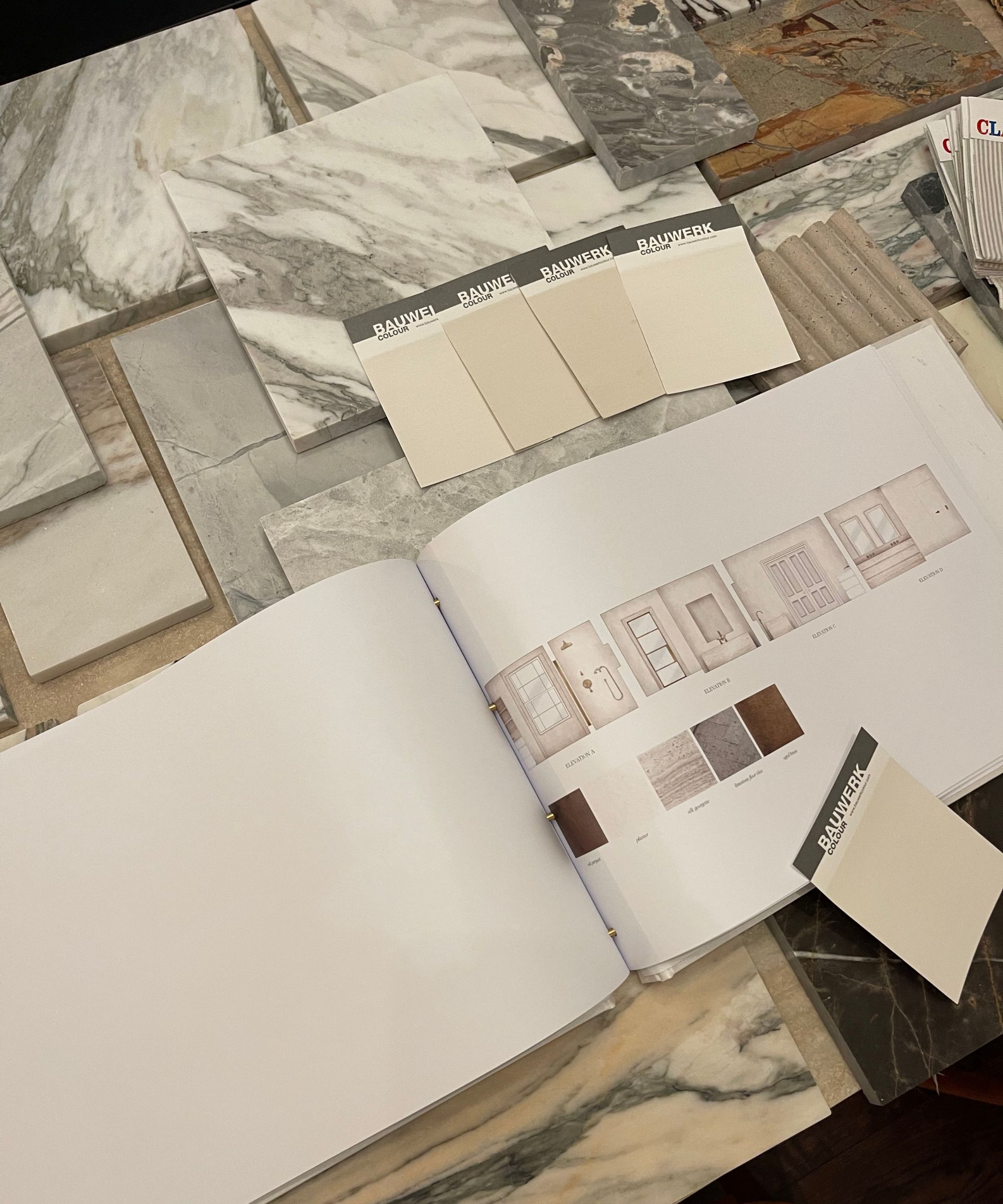
Modelling takes time. Every change to a 3dsMax scene means adjusting materials and rendering again, which can be hours of work for something the client may look at for a few seconds – for them to understand it wasn't the right call. That one meeting produced several requests for small tweaks. It was my first real use of AI. We took the one image we had modelled in 3dsMax and worked on parts of the room design. For example, changing the media wall from wood to paint, dropping in an image of an alternative marble to see how it looked. Here it was incredibly helpful and saved us a lot of time. We ended up showing six more options, all variations of the palette. We could show the client exactly what they had asked for, and it opened a conversation about what was working and what wasn't. In the end, it let them make an informed decision. As creatives, we can picture how something will look in our heads. That isn't always the case for a client. Many need to see the image in front of them before they understand it, and there is nothing wrong with that. It is our job to close that gap. In this instance, AI was a quick way to do it. But when does it become information overload?
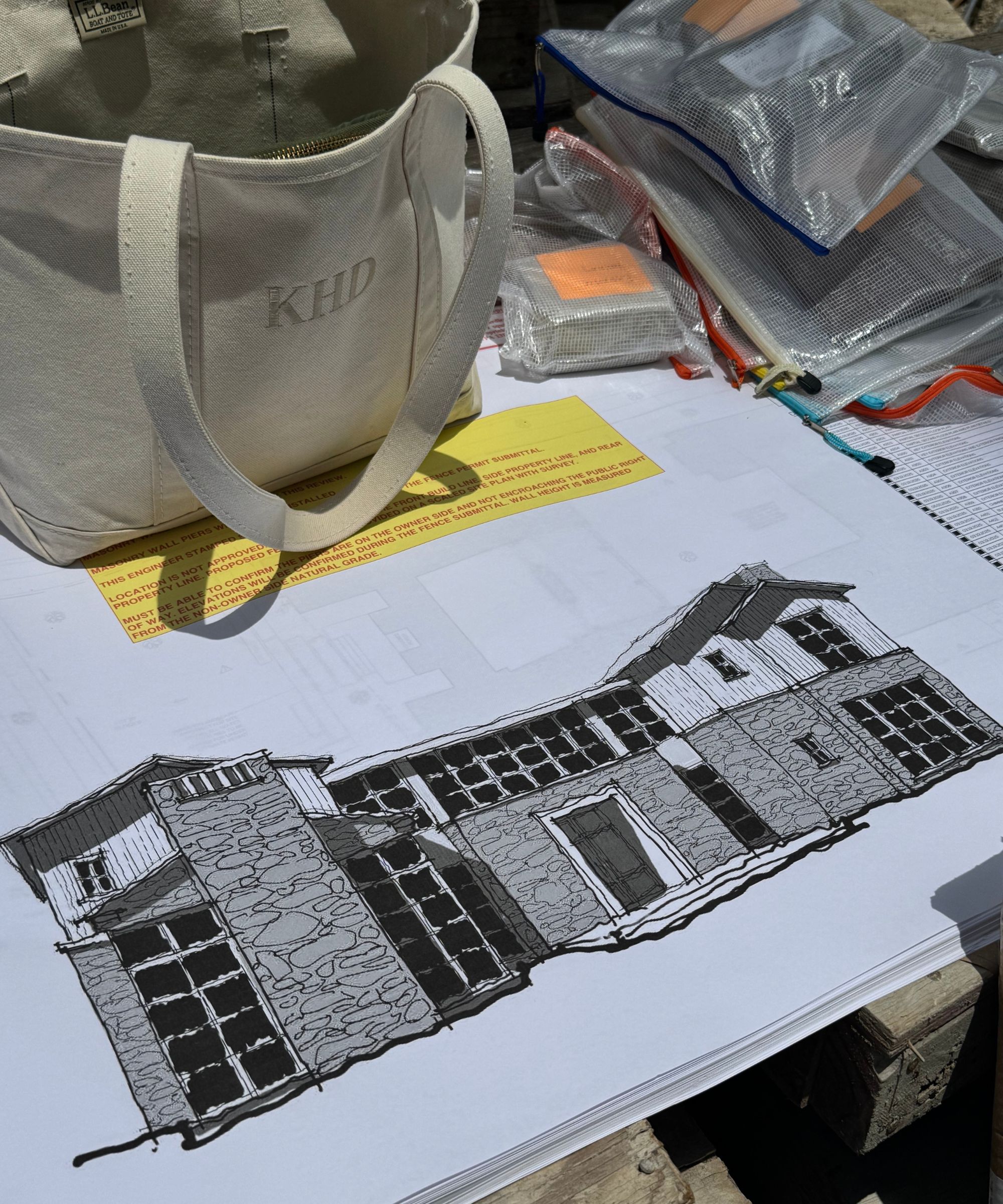
Recently, a client told me he didn't want to see lots of options because he trusted my judgment. He called it decision fatigue. He wanted us to work through the design decisions ourselves and put forward what we believe is our best design. That is how I have always worked. We workshop in the background, designing, developing, and testing, and then present our best design to the client. That doesn't mean it's the final design. It's very rare to hit the nail on the head the first time. There are rounds of revisions. Ideas come from the architect or the client. We get a better understanding of how they will use the space, and they often only see how they will live in a room once they see the visual. Things change, and ideas develop. That is a normal part of how we work. The difference is that each of those revisions had a reason behind it. It answered something we had learned about the client, the architecture, or the way the home will be lived in. Is it now becoming normal to present several versions simply because AI makes it easy?
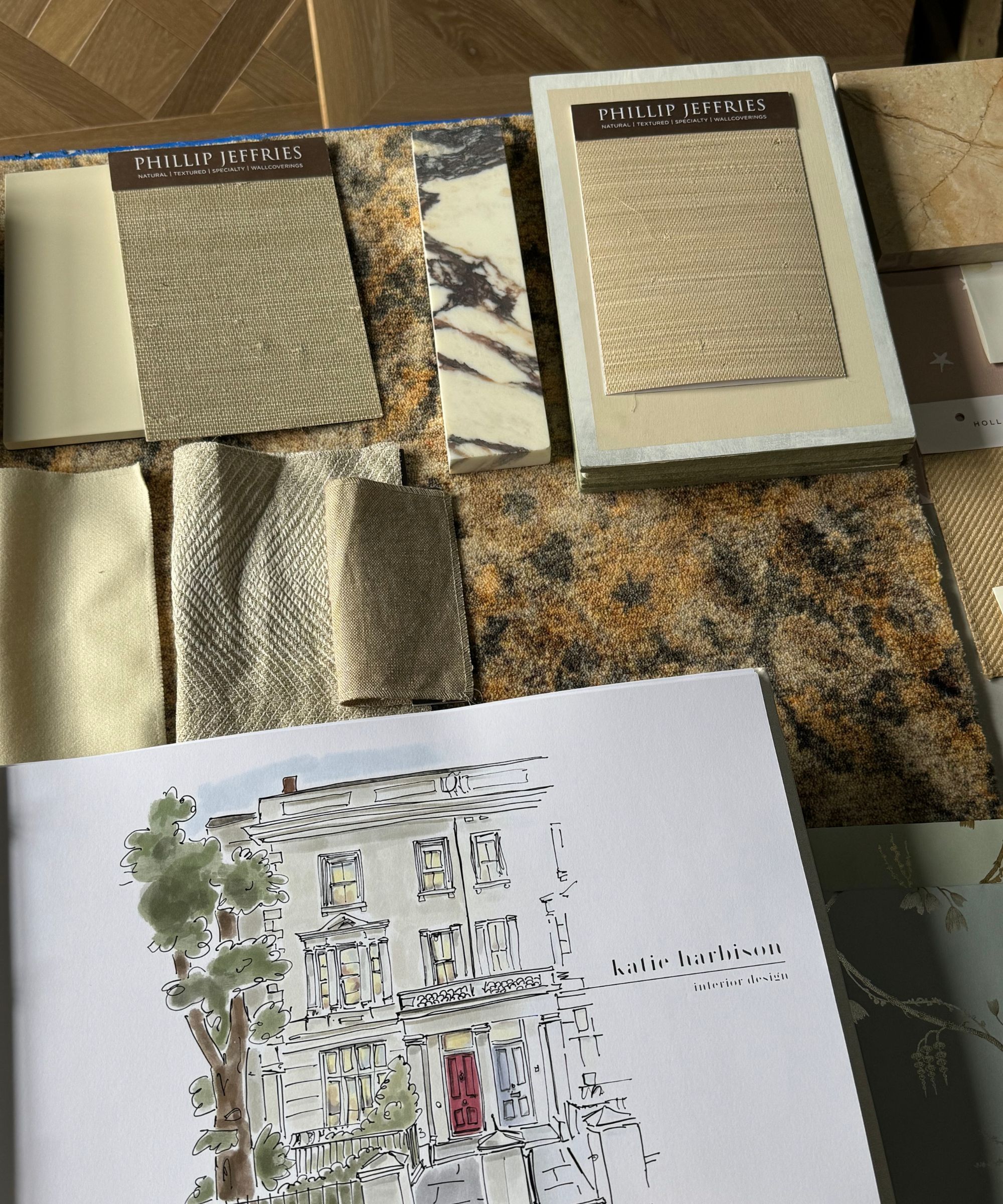
I am always conscious of giving clients too many options and confusing them. There is also the question of cohesion. A home isn't a set of separate rooms. It should read as one story from the front door onwards. Say you start with one design style for the entrance hall, then present the primary bedroom, the kitchen, and the living room with three different styles for each. How do we keep things consistent as we move through the house? Who's to say the options work together? Three options for each of four rooms isn't twelve choices. It's eighty-one possible houses, and most of them we would never design. Don't get me wrong, I find AI incredibly helpful. Is it perfect? No. Is there room for it to improve? Yes. Maybe part of the problem is how I'm using it. But I still worry about consistency and reliability. The same request doesn't always give the same result, and small details can change when you didn't ask for them. I love to draw in 2D first to understand proportion and layout, working through the plan alongside each elevation of the room. Drawing is how I think. The plan tells me whether there is room to move around an island. The elevation tells me whether the joinery lines up with the window head, and whether a door clears the cabinetry beside it. AI can and does create beautiful images, but my worry is this – where do we draw the line for checking proportions and making sure a design can actually be built? An image can show stone spanning a distance no slab could, or joinery that ignores the wall behind it. A client can fall in love with a picture that can't be made, and then the conversation is about disappointment rather than design.
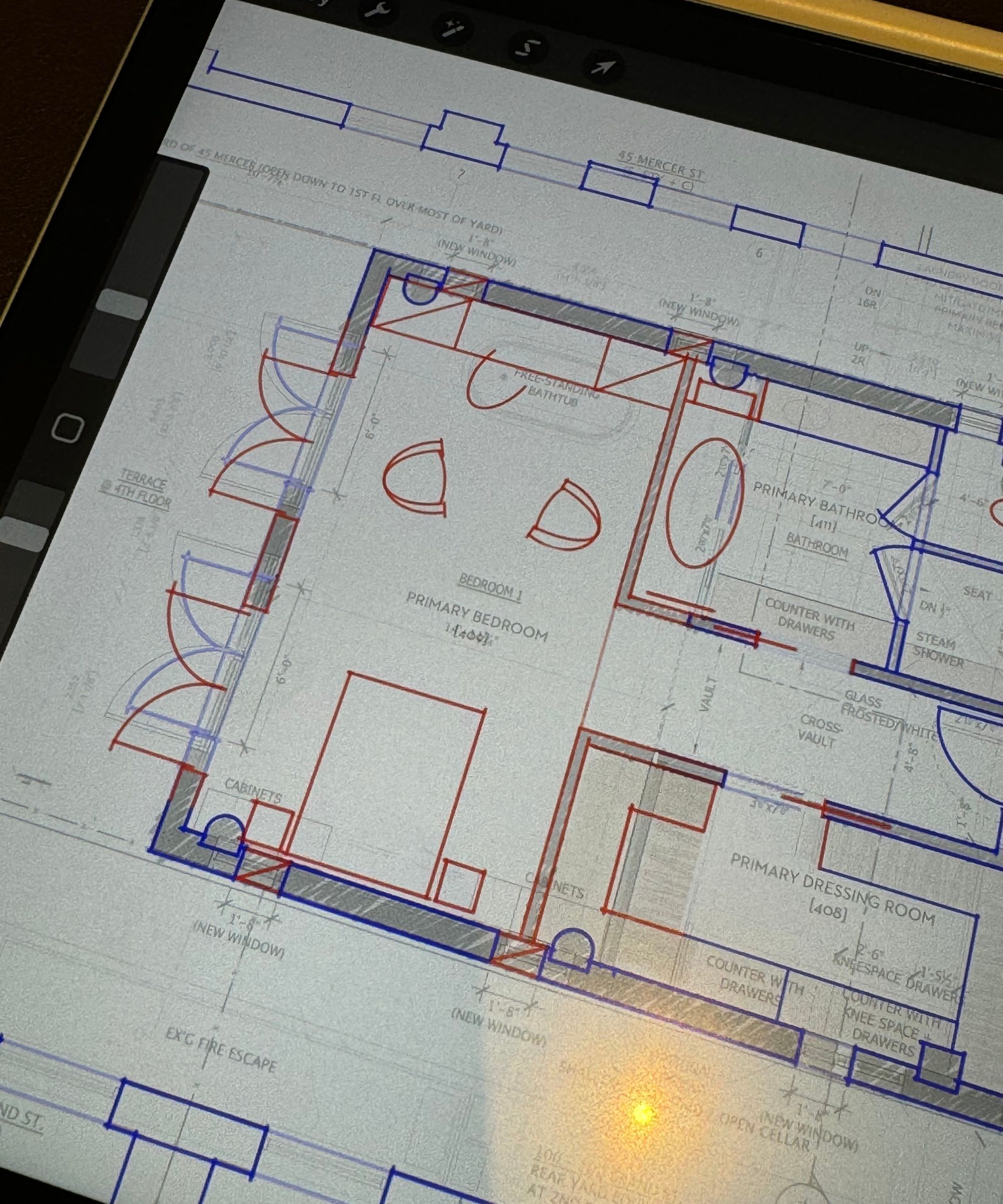
So how do we know when to stop? This is my initial blueprint:
- Design first, generate second. The plan and elevations come first. AI comes after them and never replaces them.
- Use it to answer a question. It earns its place when a client asks 'what if?' and needs to see the answer. It shouldn't be used to fill a presentation.
- Edit before you present. We still workshop in the background. Options made with AI go through the same filter as everything else, and only the ones we would stand behind reach the client.
- Keep the whole house in view. Any change to one room is checked against the rooms around it before anyone sees it.
- Check it against the drawings. Once an image is approved, it goes back into the drawings and the model so we can prove it can be built.
- Know your client. Some need to see every alternative. Others would rather trust us. Part of our job is telling the two apart.
AI hasn't changed what clients come to us for, which is judgment. It has made options cheap, and that makes editing more valuable. For me, the time to stop is when one more option would no longer help the client decide and would only delay the decision.
Design expertise in your inbox – from inspiring decorating ideas and beautiful celebrity homes to practical gardening advice and shopping round-ups.
Interior designer Katie Harbison is one of Homes & Gardens' Editors-At-Large for , where she shares her thoughts on decor. See the rest of her articles here.
Love beautiful design ideas, expert advice, and inspiring decor trends? Sign up for our newsletter and get the latest features delivered straight to your inbox.