In summary:
- Sellers mistakenly believe that renovations such as extensions, luxury kitchens, specialist rooms, hot tubs and renewables will always add value to their home
- Agents say sellers should be careful that extensions don’t remove or reduce other benefits that buyers might value more
- Highly personalised decorations or features like hot tubs and garden bars won’t appeal to all buyers
- Agents recommend that sellers may be better off focusing on presentation, maintenance and broad appeal
When it comes to preparing a home for sale, many owners assume that investing in big renovations will automatically boost their property’s value. But according to estate agents across the UK, that’s not always the case.
While some improvements can make a home more attractive to buyers, there’s often a difference between making a property easier to sell and increasing what someone is willing to pay for it. In some cases, expensive upgrades can even narrow your pool of potential buyers.
We spoke to agents from around the country to find out which popular renovations sellers expect to add value to their home, but often don’t.
1. Large extensions that throw the property out of balance
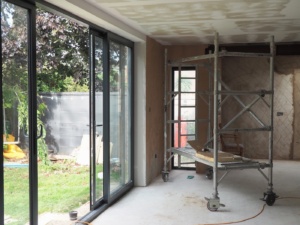
Adding more space is often seen as one of the safest ways to increase a home’s value. However, estate agents say it’s important to think about the overall balance of the property before building an extension.
According to Dafydd Hardy, Founder and Director of Dafydd Hardy Estate Agents in North Wales, adding extra bedrooms at the expense of outdoor space can sometimes create more problems than benefits.
“Adding floorspace with an extension doesn’t always work,” he says. “If you have a limited garden, adding a big extension to add additional bedrooms will make the garden even smaller.
“Generally, we find larger houses with disproportional sized gardens and parking facilities struggle to find buyers.”
He points out that practicality is often more important than headline features, for example, “having five bedrooms but space for two cars isn’t always practical for a family.”
He says that the same principle applies to garage conversions:
“Whilst very few actually use the garage for the car, converting the garage into an internal room isn’t always seen as a positive by those with families or outdoor equipment. Storage is important and a shed doesn’t always cut it.”
Holly Batt of Alan Batt Sales & Lettings in Wigan agrees that garage conversions can be a mixed bag. She says the success of a conversion often depends on the wider property and whether storage space is already limited.
The takeaway? More space isn’t always better if it comes at the expense of other benefits that buyers might still want and need.
2. Luxury kitchens and highly personalised interiors
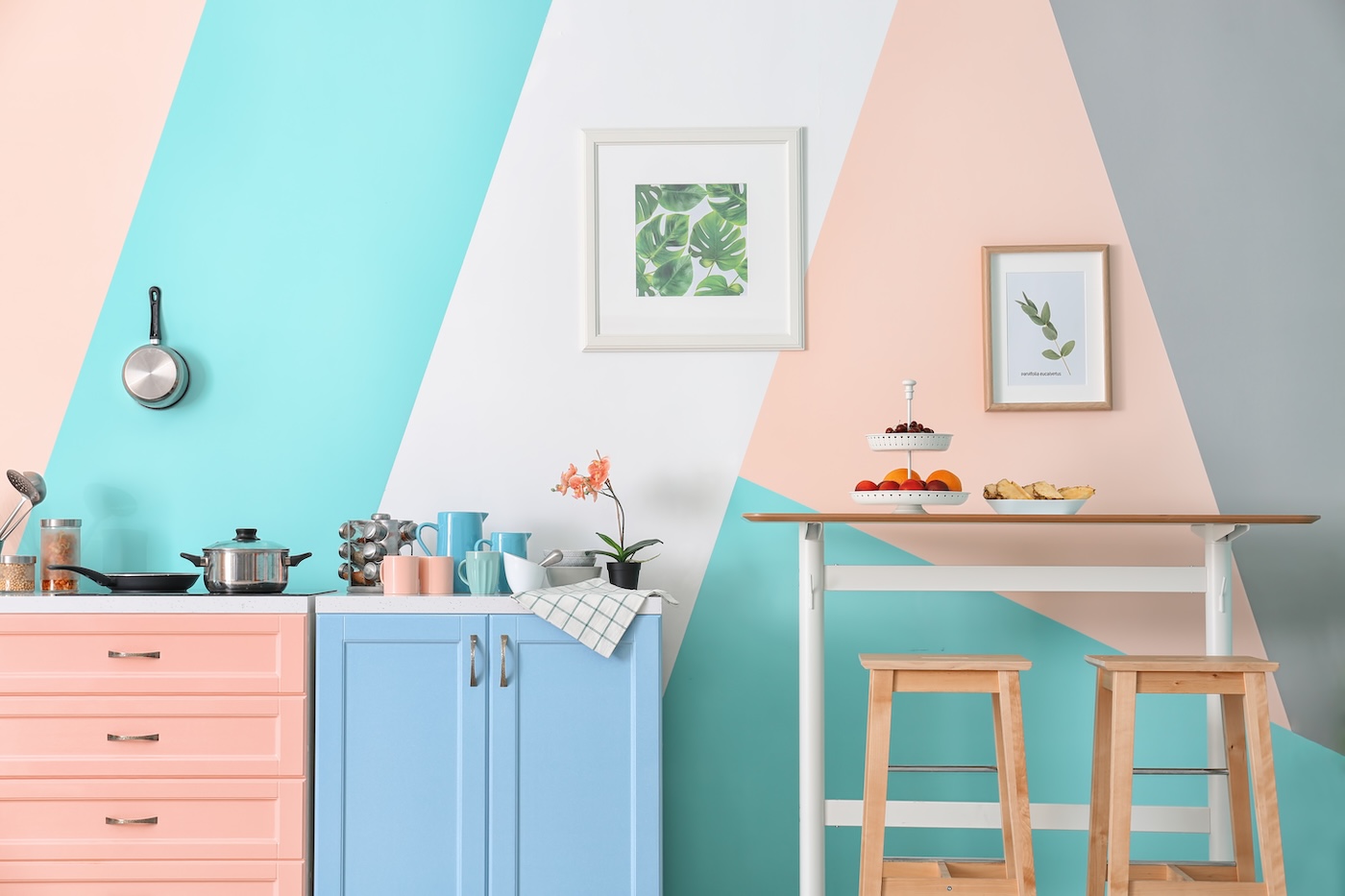 Kitchens remain one of the most important rooms in a property sale. However, agents warn that there’s a big difference between a well-designed kitchen and an expensive one that reflects a very specific personal taste.
Katie Hendra, a self-employed estate agent with Nested Worthing, says over-investing in distinctive design choices can make buyers feel they’re paying extra for someone else’s preferences:
“I often find an ‘overdone’ property is so much harder to sell than one that needs a bit of work. No-one wants to feel like they are paying a premium for someone else’s taste, and the subsequent cost of redoing it after moving in.”
She says kitchens are often the biggest culprit.
“The main contender in this situation is always an overdone kitchen in a unique colour or theme. Kitchens can be make-or-break, and a striking kitchen (for the wrong reasons) will absolutely put potential buyers off. If you’re going to change your kitchen with the idea of selling in the near future, keep it neutral.”
Stick to widespread appeal
Holly Batt echoes that view, advising sellers to focus on quality rather than extravagance.
“Good kitchens are a big selling point but I would try and keep them to high-quality fixtures and fittings that match the rest of the house. Neutral tones and clean lines with integrated high-quality appliances are a great addition to any home.”
She also warns against overly elaborate features such as colour-changing LED lighting schemes that may not appeal to all buyers.
The same rule applies throughout the home. Bold bathroom suites, heavily patterned wallpaper and very specific decorative choices can limit appeal, as buyers immediately start calculating how much it’ll cost to change them.
As Katie Hendra summarises, “the best way to add value is to make your home appeal to the greatest number of potential buyers.”
3. Turning bedrooms into specialist rooms
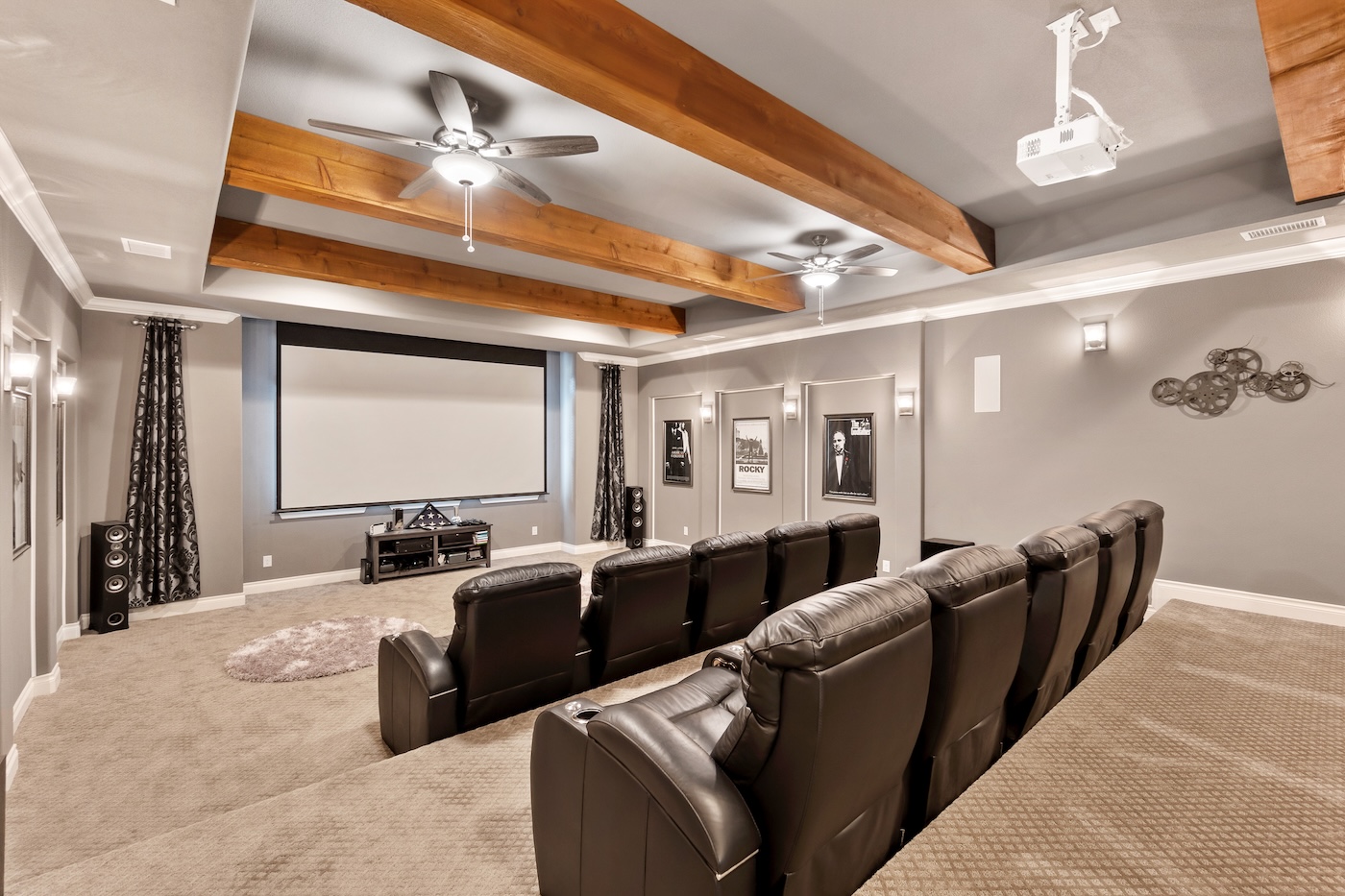 A walk-in wardrobe, home gym, cinema room or hobby space might be your dream setup. However, estate agents say these types of conversions don’t always translate into higher sale prices.
Hollie Whittaker, Founder of Block & Brick estate agency in Yorkshire, says one of the most common mistakes she sees is converting a bedroom into a fitted walk-in wardrobe.
“It might suit your lifestyle, but buyers generally search by the number of bedrooms, so it can actually reduce your audience.”
Think carefully before altering layouts
Holly Batt agrees that dressing rooms can work for certain households, but warns sellers to think carefully before making permanent structural changes.
“If you are going to do this there are some key points to consider, primarily not taking out the door or the window. If you do, this means that the property cannot be advertised as having that room as a bedroom if it can only be entered via another bedroom.”
That can have a direct impact on both marketability and value. Hardy has seen even more unusual examples.
“Adding a large home gym with mirrored walls, three living rooms for all the family, an annexe, or in one case an art gallery, isn’t necessarily what everyone wants in a home.”
Instead of viewing these features as upgrades, buyers may see them as future renovation projects:
“This can limit the number of buyers, who won’t see these as positives but instead a cost to alter.”
Cinema rooms also fall into this category. According to Holly Batt, modern home entertainment systems mean many buyers would rather retain a flexible reception room rather than dedicate an entire room to one purpose.
The broader lesson is that flexible spaces generally appeal to more people than highly specialised ones.
4. Hot tubs, bespoke bars and other niche lifestyle upgrades
 Lifestyle-focused additions are often installed with enjoyment in mind, but sellers shouldn’t expect buyers to pay extra for them. Hollie Whittaker says she’s seen many homeowners invest in features such as pet-specific installations, hot tubs and custom bar areas:
“They’re great for some buyers, but they’re quite niche and are often seen as a bonus rather than something people will pay more for.”
Holly Batt is particularly sceptical about hot tubs increasing value. “These add no value to your home and in some cases can actually deter buyers as they fall into the ongoing costs category.”
Potential buyers may worry about maintenance expenses, running costs or the hassle of removing a hot tub if they don’t want it. Similarly, bespoke bars, luxury entertainment spaces and other highly personal lifestyle features often appeal strongly to a small audience but do little to increase the wider market value of a home.
The reality is that buyers are generally paying for the property itself rather than optional extras that may not suit their lifestyle.
5. Renewable technology and routine maintenance
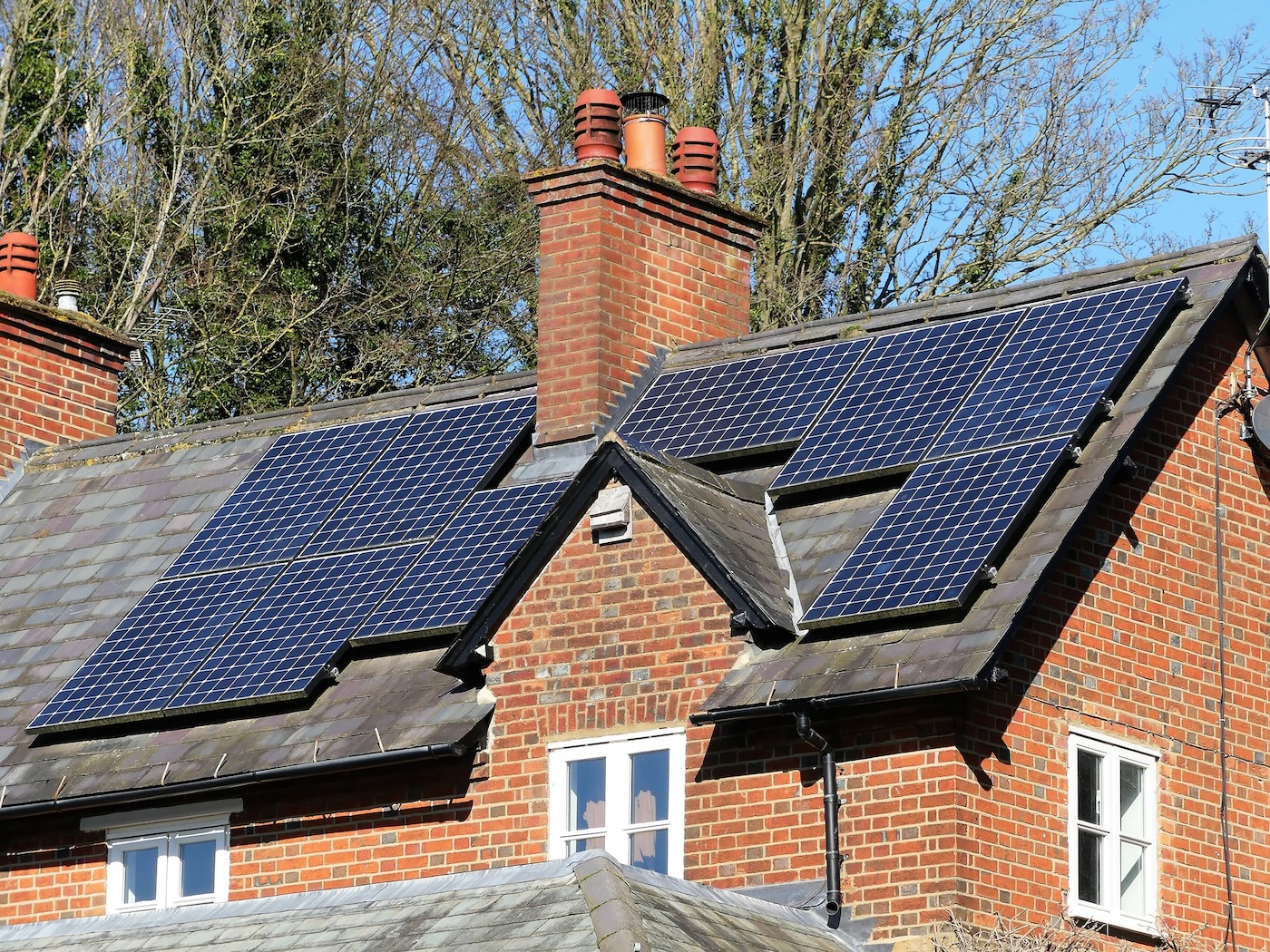 This final category may surprise some homeowners. Renewable improvements such as solar panels, batteries and air source heat pumps can help reduce a property’s energy bills, improve sustainability credentials and boost a home’s appeal.
However, agents say sellers shouldn’t assume these investments will automatically be reflected in the sale price.
Dafydd Hardy describes this as “a rather controversial one,” but explains: “From our anecdotal evidence, houses with solar panels, air source heat pumps, batteries and wind aren’t seeing the uplift in price which equates to the investment required.”
He adds that while attitudes are slowly changing, the financial return may not be as much as people think. “The benefits for the environment, and in many cases your bills, are unquestionable, but don’t expect this to impact your house price yet.”
Last year, we reported on a study looking into the impact of renewable technologies on a home’s value. The research by the University of Cambridge suggested that new-build homes built to ‘Zero Bills Home’ specification (with heat pump, solar panels and batteries) could be worth up to 16% more.
Retrofitting renewables to a property gave a more modest boost to a home’s value of up to around 2-3%, which might not recoup the cost of fitting the system, as Dafydd Hardy noted. However, this could change in the future as consumers better understand the savings possible with these technologies.
Find out more about renewables, reducing energy bills and going greener at home.
Maintenance work increases appeal, not necessarily value
Agents say that essential maintenance work works in a similar way, by boosting a property’s appeal but not always its value by a significant amount.
“Work to maintain your home is a requirement to retain value, not necessarily increase it,” says Hardy. “Replacing your 20-year-old boiler with a new boiler won’t see an increase in value. However, if someone is viewing several homes, it might make you stand out from the crowd!”
That doesn’t mean maintenance should be ignored. In fact, every agent we spoke to highlighted its importance. Hollie Whittaker recommends prioritising practical fixes before listing a property for sale.
“Replace blown windows, fix broken handles or doors, make sure the kitchen and bathrooms are clean and in good working order, and if the roof needs attention, that’s money well spent.”
Buyers may not pay more because you’ve completed maintenance, but they can quickly be put off by evidence of neglect or expensive future repairs.
What sellers focus on to increase their home’s appeal?
Instead of chasing expensive renovations, sellers may be better served by focusing on presentation, maintenance and broad appeal. Holly Batt suggests that sellers keep it simple and stick to these essentials:
“All houses sell well if presented well. Clean clear surfaces, neutral walls, tidy gardens and quality fittings are key. Low-cost high impact work is the key and space is at a premium so make use of it.”
Lastly, Katie Hendra recommends getting advice from local agents on what buyers actually looking for before making any changes, “and not spending that £2,000 per roll of wallpaper for the feature wall in the spare room.”
5 home improvements that can add value to your home
The follow could be a safer bet for adding value to your home, if done carefully and following advice from your local agent on what local buyers are looking for:
1. Loft extension
Extending into the loft space is a safer bet for adding value because you’re not taking away from the living, garden or garage space of the property.
2. Converting gardens into off-street parking
3. Neutral updates to bathroom and kitchen
As our agents highlighted, an expensive luxury bathroom or kitchen may or may not be to buyers’ taste, so you’re better off with a quality neutral makeover to attract a higher sale price.
4. Creating open plan spaces
5. Improving kerb appeal
Improving the kerb appeal and the overall appearance of your home could help you to increase the value of your home, but will certainly help show it in its best light for viewings.
Want an estimate on renovation costs for your home, or a property you’re looking at? Try our Renovation Calculator to get an estimate of costs and how much value you could add.
See all your options on finding out how much your house is worth , or learn how to prepare your home for sale.