Removing pine needles and other tiny debris from a gravel path or driveway is painstaking, as they get everywhere. It can also be infuriating, as you try in vain to clear the needles without dragging piles of gravel around
I spent many years working as a professional gardener in major public gardens. During that time, I raked and tidied gravel paths every Friday to prepare them for huge numbers of weekend visitors. After countless hours on this task, I found a spring-tine rake to be the best tool for raking gravel paths.
If I had to tell anyone how to remove pine needles from gravel, I would always say to use a spring-tine rake above any other gardening tool. This Husky wooden-handled steel rake at The Home Depot is a perfect example of the kit I used. With it, you can skim over the gravel and work through the stones to clear paths without disturbing the gravel too much.
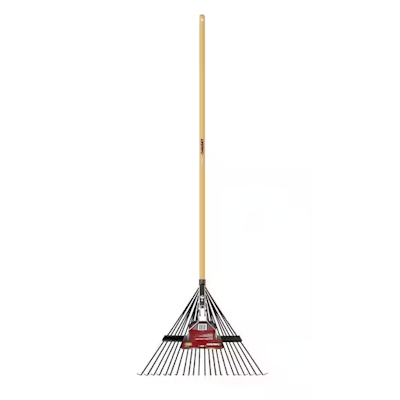
Husky Wood Handle 22 in. Steel Spring-Tine Rake
This strong and durable spring-tine rake has a 22 in. head with 22 steel tines and a 53 in. varnished eucalyptus hardwood handle.
Why You Should Remove Pine Needles From Gravel
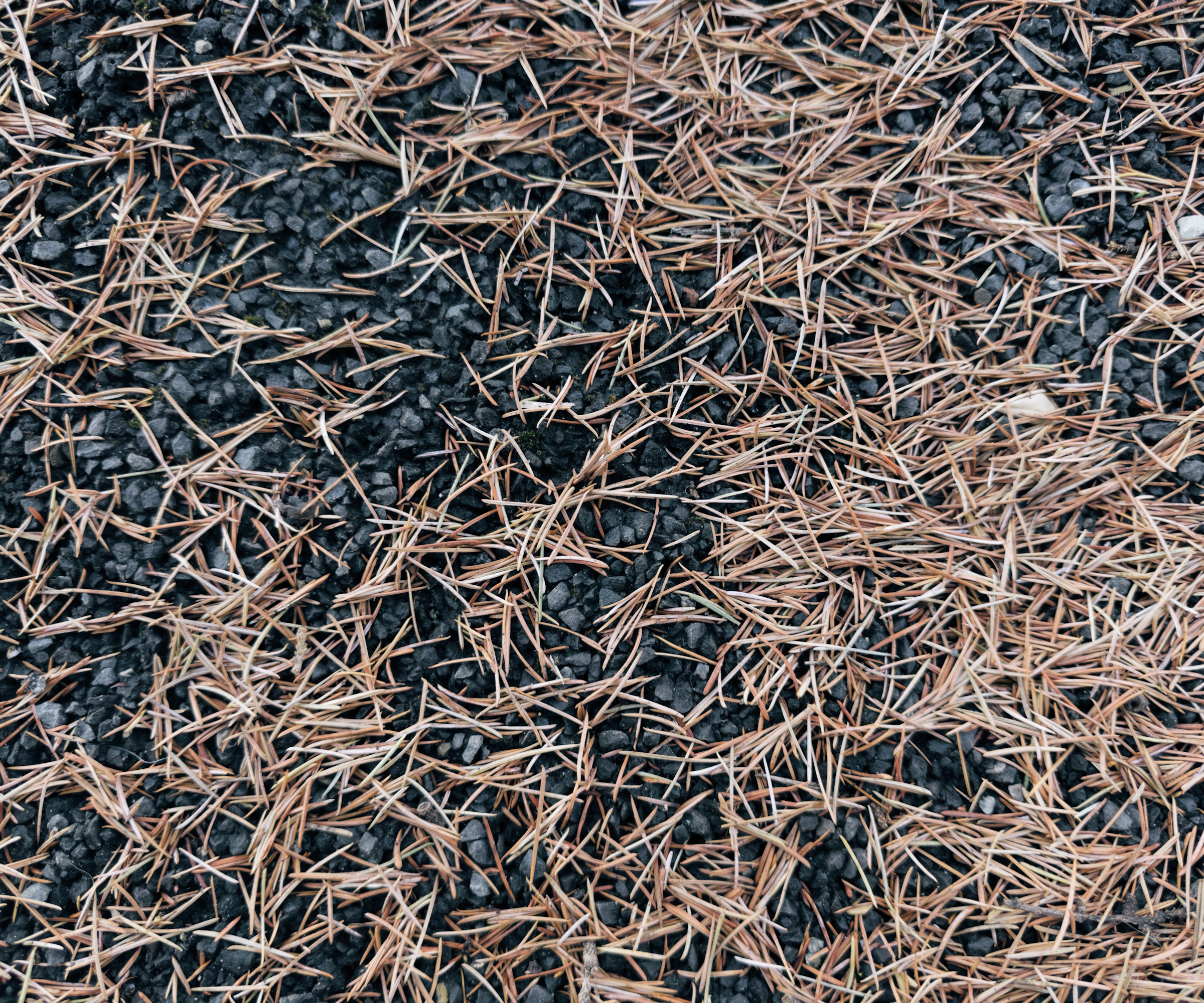
A few pine needles might not seem like a big problem. True, it starts as a small issue, but as your pine tree continues to drop needles through fall, the potential problems add up. As a layer builds up, it becomes a job for your fall gardening checklist.
Pine needles become an eyesore in gravel landscaping. If you leave them to accumulate, they mat together, forming larger clumps that are difficult to get rid of. These matted needles also become a slip hazard, turning a garden path into a slimy threat.
As the pine needles break down, they release nutrients into the soil between and underneath the gravel. This creates a desirable and welcoming home for weed seeds to germinate, risking your gravel patio, driveway, or path becoming inundated with weeds.
Remove Pine Needles From Gravel Paths Like a Pro

What makes a spring-tine garden rake the most efficient way to remove pine needles from gravel paths? The clue is in the name; the flexible steel tines make them the best.
Design expertise in your inbox – from inspiring decorating ideas and beautiful celebrity homes to practical gardening advice and shopping round-ups.
If you use other types of rakes, such as a bow rake or leaf rake with solid teeth, they are designed to grip and drag materials. Use them on a gravel path, and these rakes will dig into the surface and shift a mass of gravel as well as the needles.
The Husky wooden-handled steel rake has a 22-inch-wide head with 22 robust steel tines. These tines are perfect for lightly skimming across the gravel with short strokes to lift and flick pine needles from among the aggregate, rather than drag the gravel around.
I always found that short strokes that just swept the top layer of the gravel let the tines shift the needles and other debris. Some smaller pieces of gravel may be disturbed, but the base layer should remain undisturbed.
The technique takes some getting used to, but with a bit of practice you can sweep across the path or patio with a succession of short strokes to create a pile of needles and debris at the end to pick up.
The Husky wooden-handled steel rake has a 53-inch varnished eucalyptus hardwood handle – ideal for raking paths without bending excessively, which is great news if you have lots of gravel landscaping to deal with. The long handle makes it simple to flick the pine needles with short strokes along the path.
The tool is bolted together for heavy use and features a reinforced spring at the back for a long lifespan.
Beyond just raking paths, this spring-tine rake comes in handy for lots of seasonal gardening tasks, such as scarifying a lawn, collecting leaves, and gathering debris after pruning. Given how much action it’ll see, the fact that it comes with a lifetime guarantee is a major plus.
If you have a leaf blower, you can use it to remove pine needles from gravel, but it takes some finesse. It must be used on a low setting and angled so the air blows over the surface of the gravel. If you use a high setting or point the blower down into the gravel, you risk scattering the gravel far and wide.
Shop for Spring-Tine Rakes:
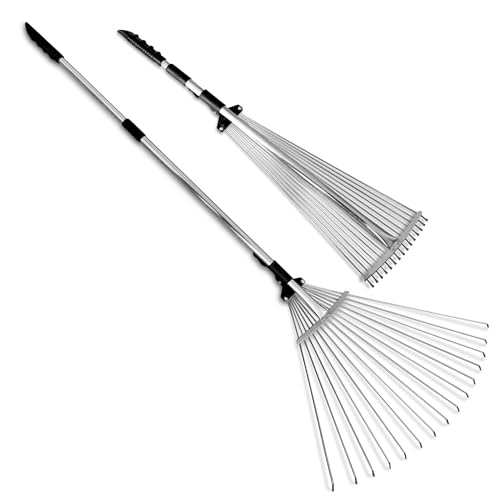
This adjustable garden rake has metal tines that expand from 8" to 23" wide and a telescopic handle that can go from 32" to 63" long.
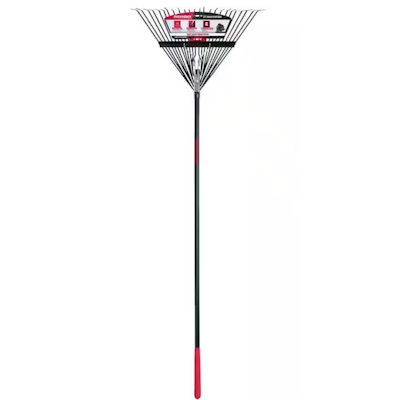
This rake has a head with 24 steel tines and a strong 51" fiberglass handle with a 9" cushioned grip

A rake with 24 metal tines and a fiberglass handle. It is lightweight, weighing only 2.3 pounds.
Don’t just throw away pine needles you collect from paths or driveways. Instead, add them to a compost heap or use them as fall mulch around shrubs and trees.
There was previously a concern about using pine needles as mulch because they were thought to make the soil more acidic. However, in recent years, this has been debunked, so you can use them without worrying about affecting your soil health.
If you love inspiring garden ideas, outdoor advice, and the latest news, why not sign up for our newsletter and get the latest features delivered straight to your inbox?