Spending time outside in the garden, is in itself, calming for many of us. However, it's possible to take this concept even further by planting certain species that specifically imbue a sense of tranquillity.
Particular plants can contribute to a sense of calm and ease more readily than others. Whether through muted color palettes, subtle scents, delicate textures or soothing movements, plants can influence our mood.
This means it's entirely possible to create a sensory space to destress and decompress in your own backyard. Discover the plant species experts recommend to create a tranquil garden. A water feature like this tiered fountain from Lowe's would add a charming touch, too.
1. Climbing hydrangea (Hydrangea anomala subsp. petiolaris)
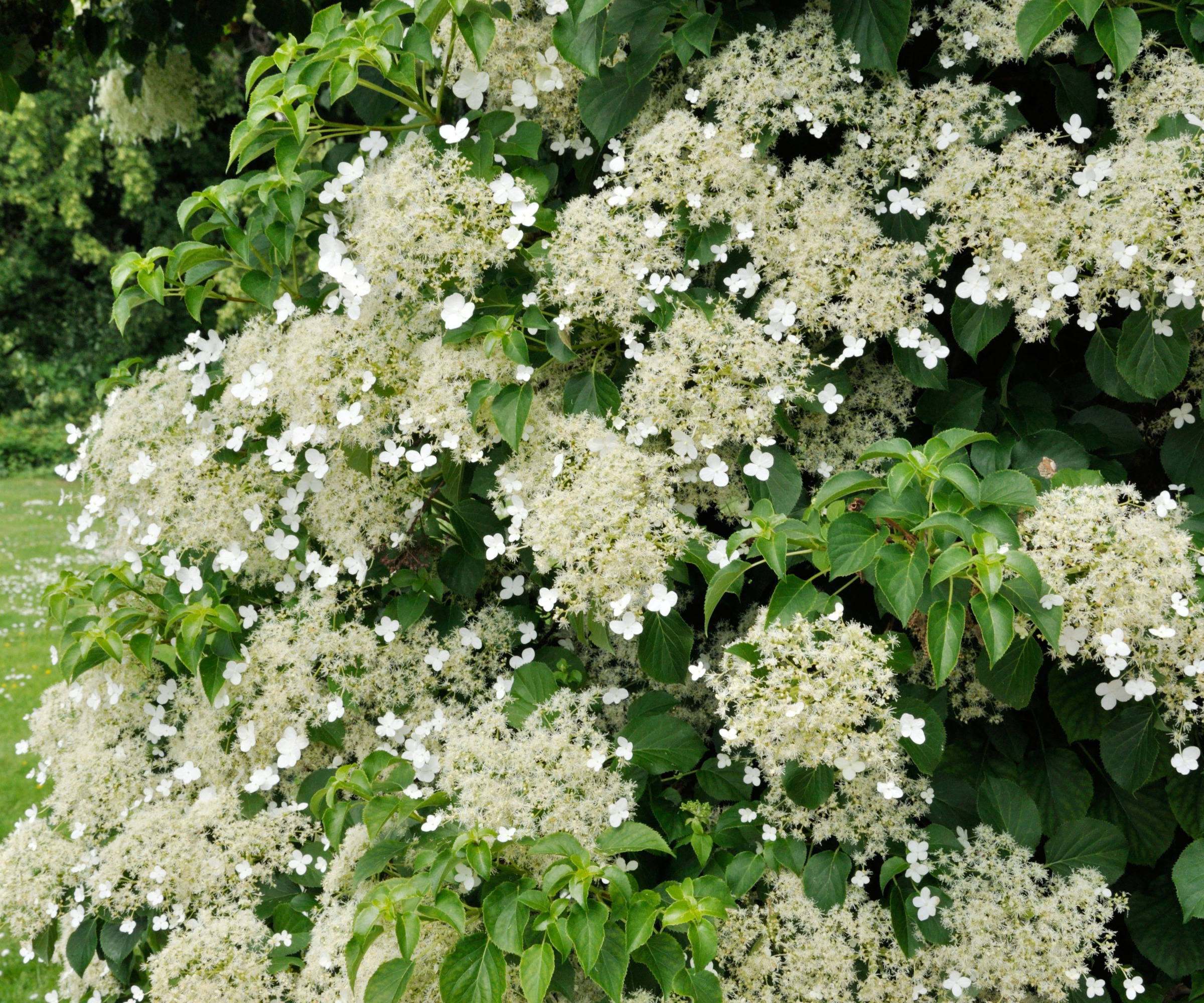
The pale tones and frothy flowerheads of most hydrangeas are pleasing to see in any garden. However, Hydrangea petiolaris is a climbing variety, so its a wonderful plant for softening hard edged fences and walls or enveloping seating areas to create pockets of restful seclusion.
'I’m obsessed with this vine - the deep green foliage and lacy white flowers have a quiet elegance, but what I love most is the sense of maturity climbing Hydrangea brings to a space,' says landscape designer, Kat Aul Cervoni, founder, Staghorn Living.
'Once it begins covering a wall, fence, or trellis, it gives the garden a grounding sense of place, almost as though it has always been there.
'I like to use it to soften a large vertical surface or enclose a seating area, where the layered foliage can create intimacy and make the garden feel sheltered and settled.'
Design expertise in your inbox – from inspiring decorating ideas and beautiful celebrity homes to practical gardening advice and shopping round-ups.
This climbing Hydrangea from Plant Addicts would suit growing zones 4-8 and has a mature height and spread of 50-60', however can be kept smaller with pruning.
Landscape designer, Katherine "Kat" Aul Cervoni is the founder and principal of Staghorn Living. Kat creates outdoor spaces that become natural extensions of a home’s interior. A member of the Ecological Landscape Alliance and the Association of Professional Landscape Designers, she also mentors young plant enthusiasts and upcoming designers.
2. Fountain Grass (Pennisetum ‘Karley Rose’)
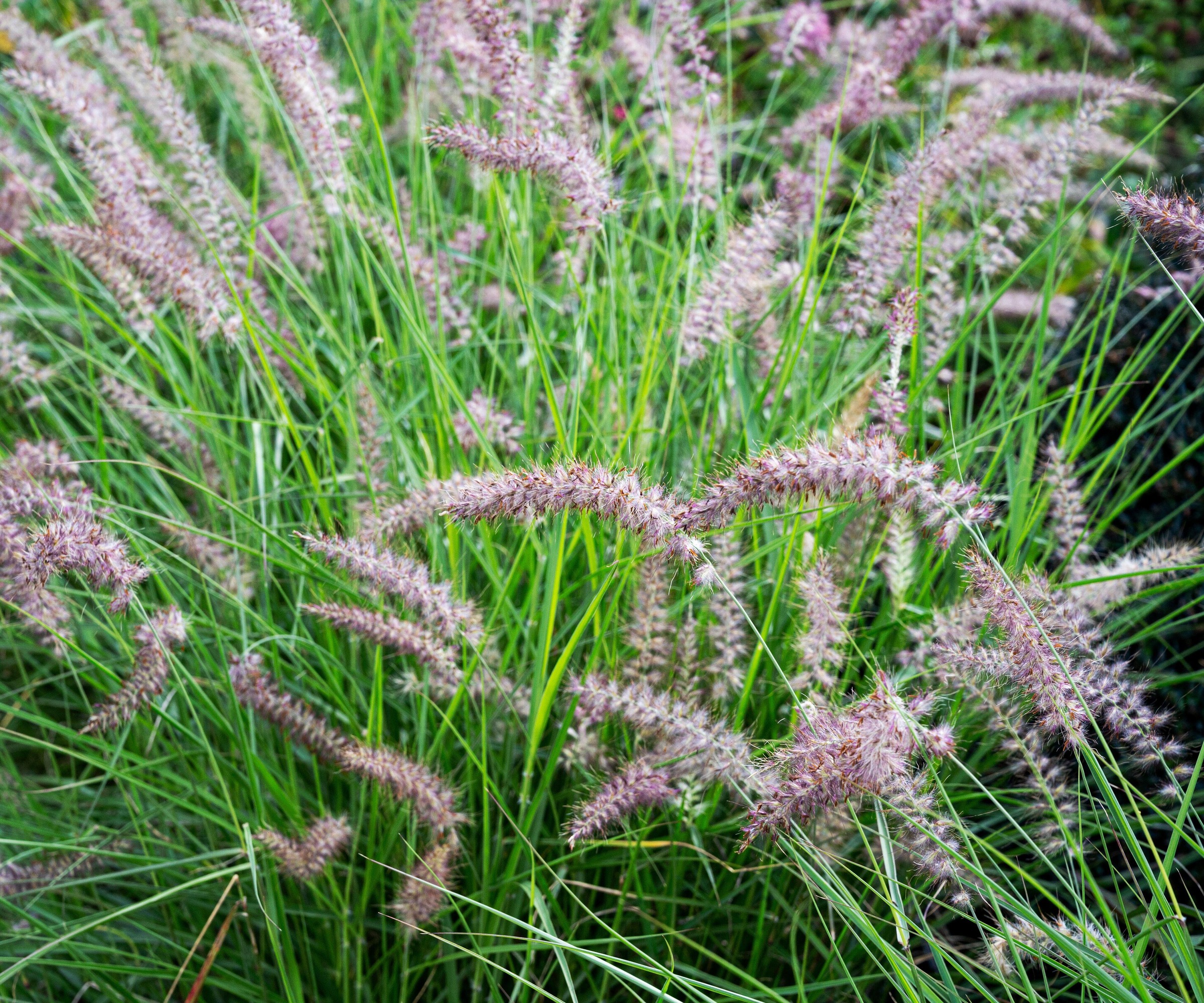
With their tall feathery plumes and gentle hypnotic movement swaying in a breeze, ornamental grasses are popular plants for soothing spaces. There are plenty of varieties to choose, however, one of Kat's preferred options is 'Karley Rose'.
'I adore this ornamental grass for the way it moves and the way its soft foliage and mauve-pink seed heads catch the light beautifully,' says Kat.
'To create a tranquil effect, I would plant in repeated drifts near a seating area or along a path, where even the slightest breeze brings the planting to life without making the space feel busy.'
This Karley Rose Fountain Grass from Plant Addicts is one of the hardiest ornamental grasses for cold winter regions (5-9) and one of the earliest to bloom.

Amy Wagenfeld is a Fellow of the American Occupational Therapy Association and holds specialty certification in environmental modifications (SCEM) through the American Occupational Therapy Association, and certification in Healthcare Garden Design through the Chicago Botanical Garden. Her work focuses on accessible and inclusive design, programming, and evaluation of indoor and outdoor environments that improve physical and emotional health, wellness, and learning.
3. Rosemary (Salvia Rosmarinus)
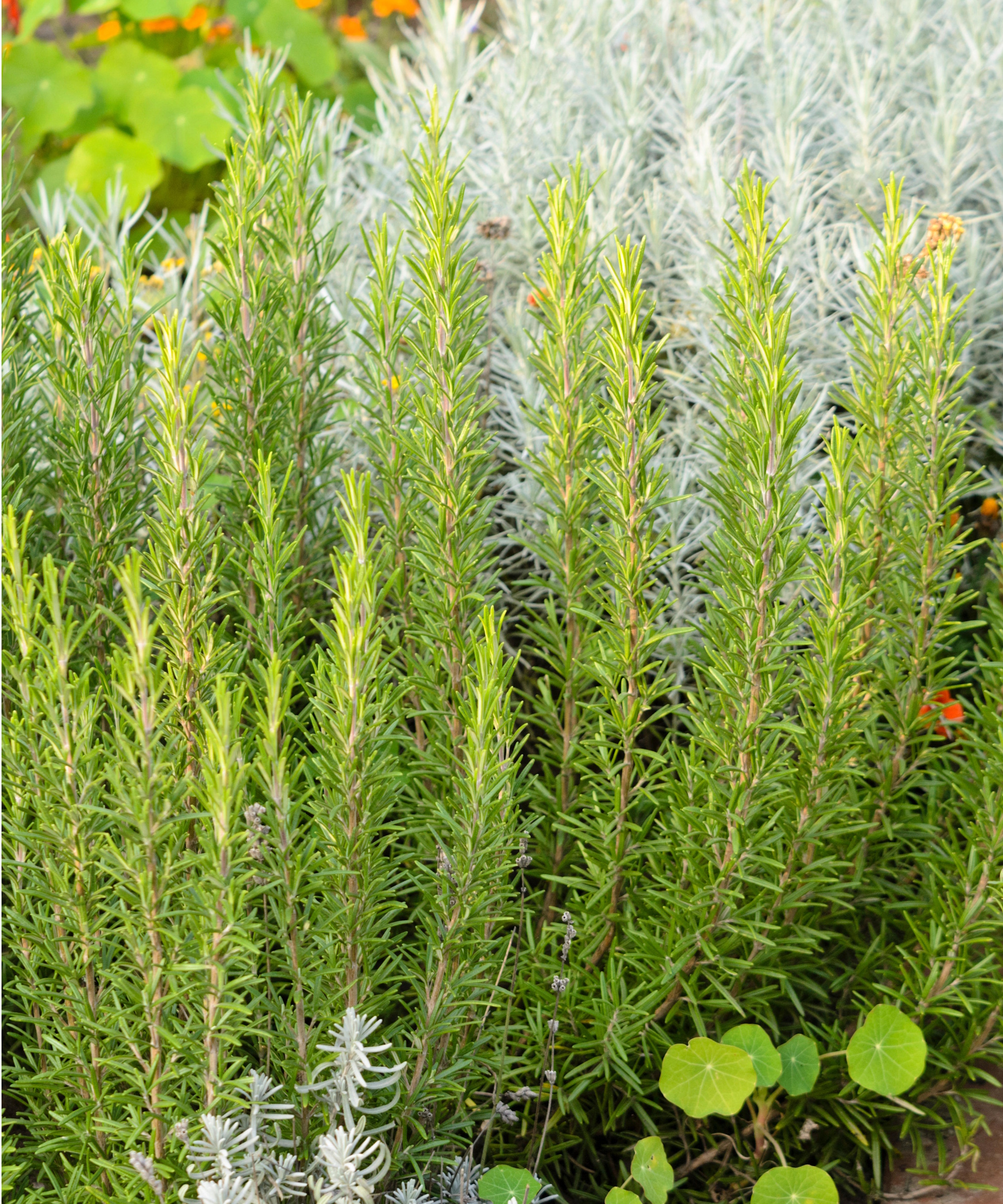
Aromatic herbs, with their long history of healing and medicinal properties, are a versatile inclusion when planting a sensory space.
Wellbeing Garden Designer, Amy Wagenfeld works with landscapers to create sensory gardens, which can be either soothing or stimulating. A fragrant favorite for Amy is Rosemary, which has a calming yet gently uplifting effect when inhaled.
'Rosemary’s stiff and somewhat sticky leaves offer an interesting tactile experience when rubbed,' says Amy. 'The highly aromatic oils that are released when rubbing the leaves can lead to a sense of peace and calm as the scent is slowly and quietly inhaled.
'Beyond its sensory qualities herbal lore tells us that rosemary is useful to support memory and clear the mind. Plant a rosemary in a garden bed or container and take a moment to enjoy its fragrance.'
This Blue Cascade Rosemary from Nature Hills has a trailing habit, silvery-green foliage and will bloom with pretty blue flowers.
Amy goes on to explain that some sensory gardens will be places that have a muted color palette, and are quiet, and cozy, while others might be more activated and vibrant.
'The appeal is that it can be space in someone’s life where they can go to and feel grounded and connected with themselves and the world around them.'
4. Baby Bunny Bellies (Tradescantia chrysophylla)
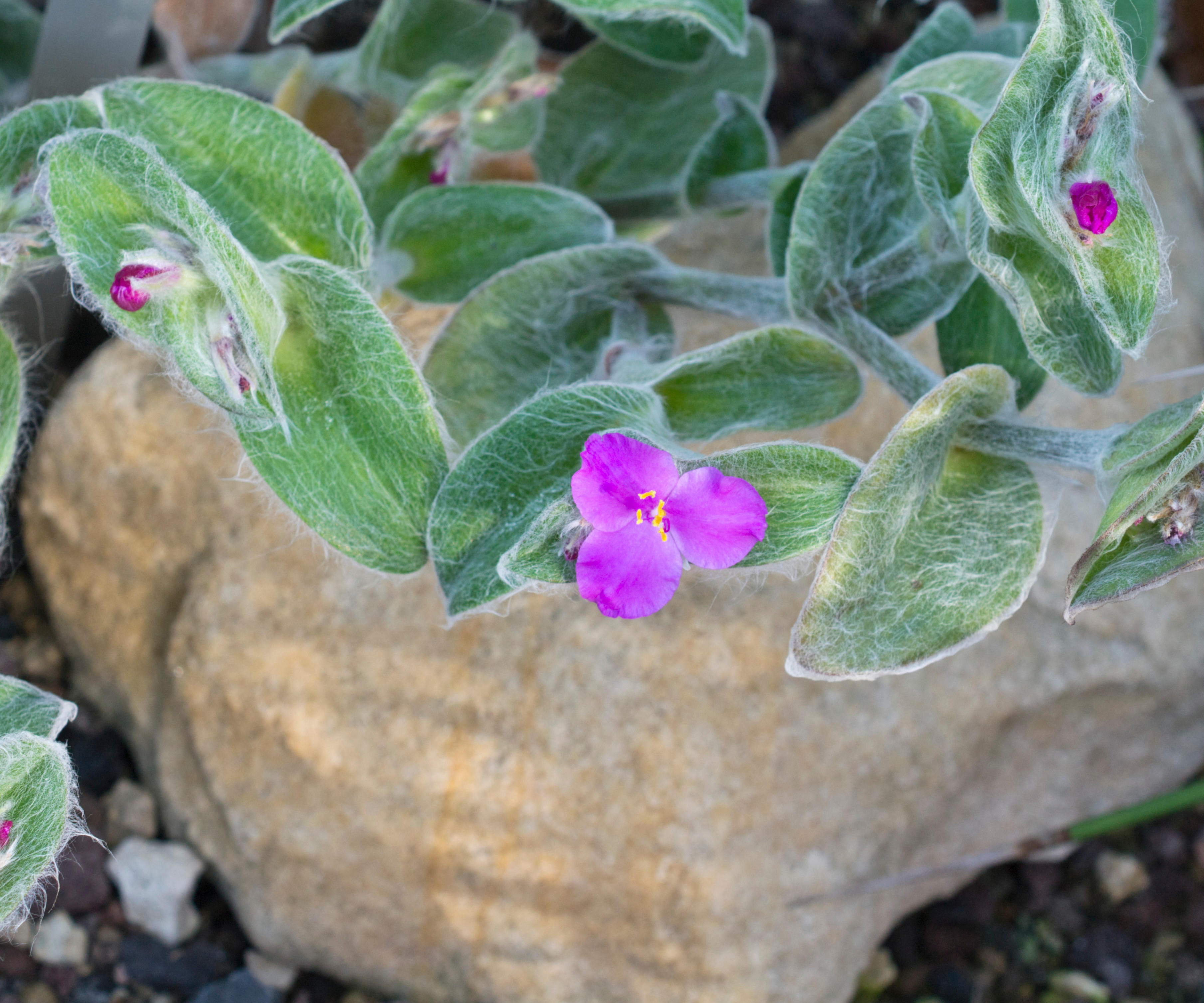
Soothing the senses and calming the mind isn't just about sight, sound and scent. Touch and texture are important elements too. For this reason, Amy loves to use in her garden designs.
This silvery greyish plant has hints of pink on its 'furry' leaves, so its muted color palette makes it as comforting to observe, as it is to touch.
'Baby Bunny Bellies, like its namesake, could well have the softest leaves you have ever touched,' says Amy. 'Simply stroking its downy leaves is calming and relaxing.'
'It's a trailing plant that is easy to grow and share cuttings with others. Baby Bunny Bellies are a lovely addition to a container garden or a hanging planter, and grow well indoors too in soil or a vase of water.'
A tall container like this Delray planter from Plant Addicts would suit a trailing Tradescantia.
5. Star Jasmine (Trachelospermum jasminoides)
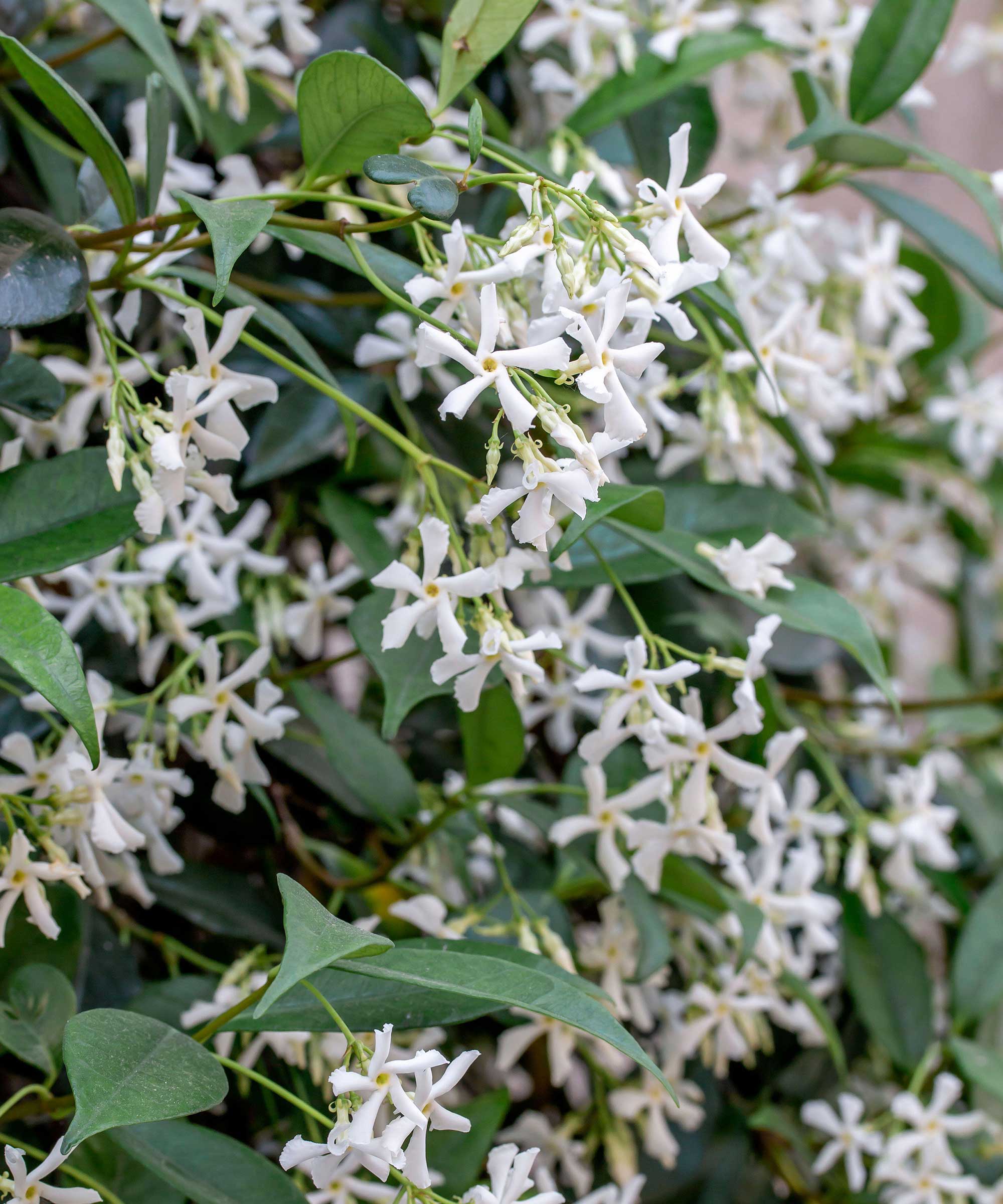
Fragrance is one of the strongest sensory triggers tied to memory and emotion, and star jasmine offers one of the most calming scents in the garden, without being overpowering.
Landscape architect, Adam Sexton likes to position Star Jasmine near seating areas, garden gates, or along pathways where people naturally pause.
'Its glossy evergreen foliage provides year-round structure, while the delicate white blooms release fragrance in late spring and early summer, rewarding visitors as they move through the space,' says Adam.
'In sensory gardens especially, scent creates an immersive experience that encourages mindfulness and helps people become more present.'
Depending where you live, August to October is usually the best time to prune star jasmine to improve its flowers and fragrance next year.
This Star Jasmine from Nature Hill's is highly fragrant and would thrive in zones 7-11.

Adam is a landscape designer, creative thinker, and garden enthusiast. He joined Richardson&Associates in 2020 and is passionate about residential landscapes and ecological restoration. Adam earned his bachelor’s degree in Landscape Architecture from Virginia Tech in 2010 and has over a decade of design detailing and construction implementation for projects that range from public parks, campuses, international urban planning, and estate master planning.
6. Lamb's Ear (Stachys byzantina)
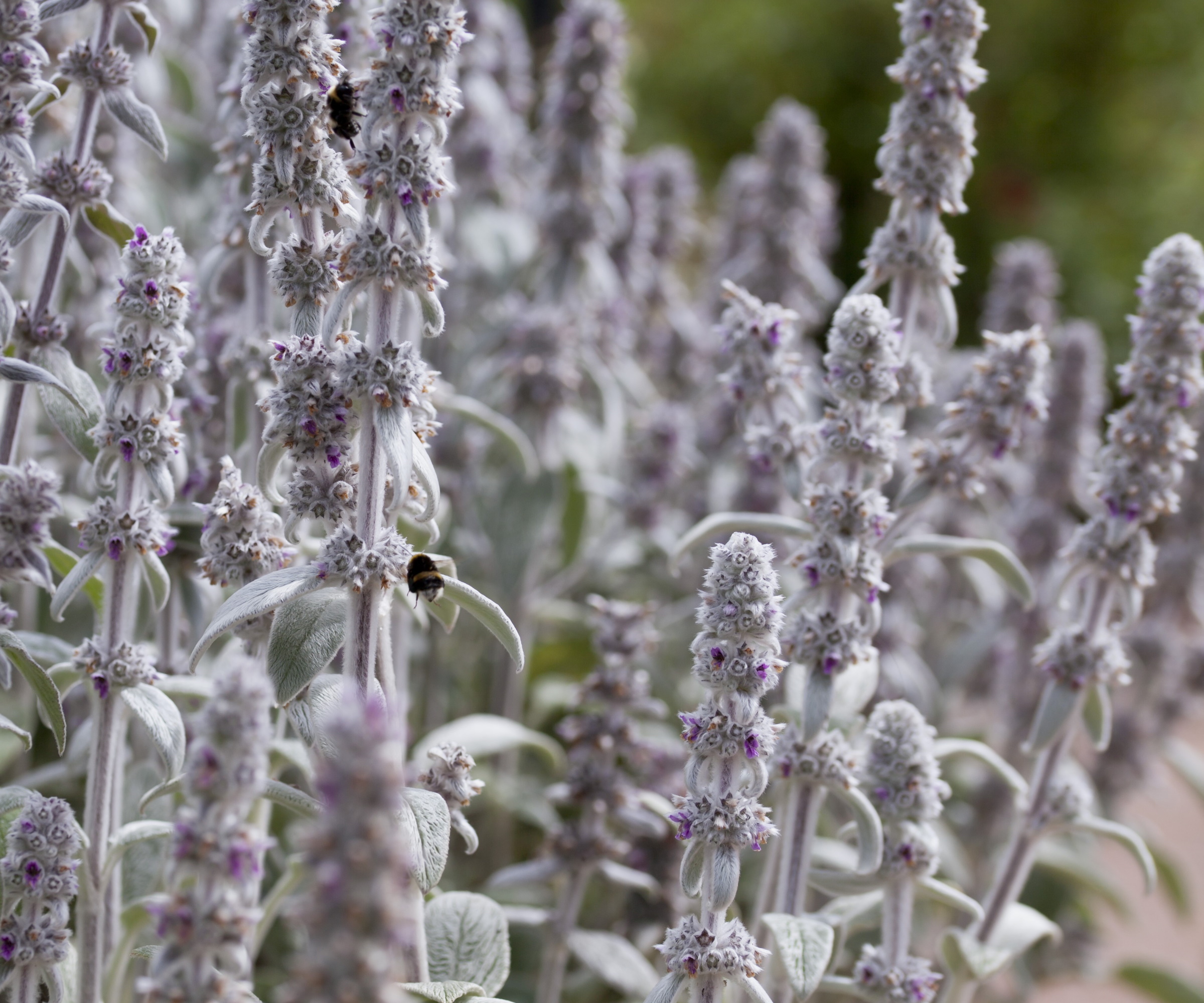
Just as a room decorated in muted tones is more relaxing to be in than one that's filled with bold, bright or busy hues, so it is outside in the garden. Plants with silver foliage, such as Lamb's Ear introduce visual calm by reflecting light and softening contrasts within the landscape.
'From a landscape architect’s perspective, the most calming gardens aren’t necessarily the most colorful; they’re the ones that engage the senses gently and intentionally,' says Adam. 'Layering movement, fragrance, texture, and restrained color creates spaces that encourage people to slow down and linger.'
Muted tones act like a neutral backdrop, allowing the eye to rest rather than constantly shifting between bold colors. 'Many silver-leaved plants like Lamb's Ear also have tactile qualities or subtle fragrance that deepen the sensory experience,' continues Adam.
'Lamb’s Ear invites touch with its velvety leaves, while lavender combines silvery foliage with soothing scent and pollinator value. I frequently incorporate these species to balance more vibrant planting compositions and create gardens that feel timeless, cohesive, and restorative.'
This Helene von Stein Lambs Ear from Nature Hills has larger leaves than regular varieties for maximum tactility.
7. Switchgrass (Panicum virgatum)
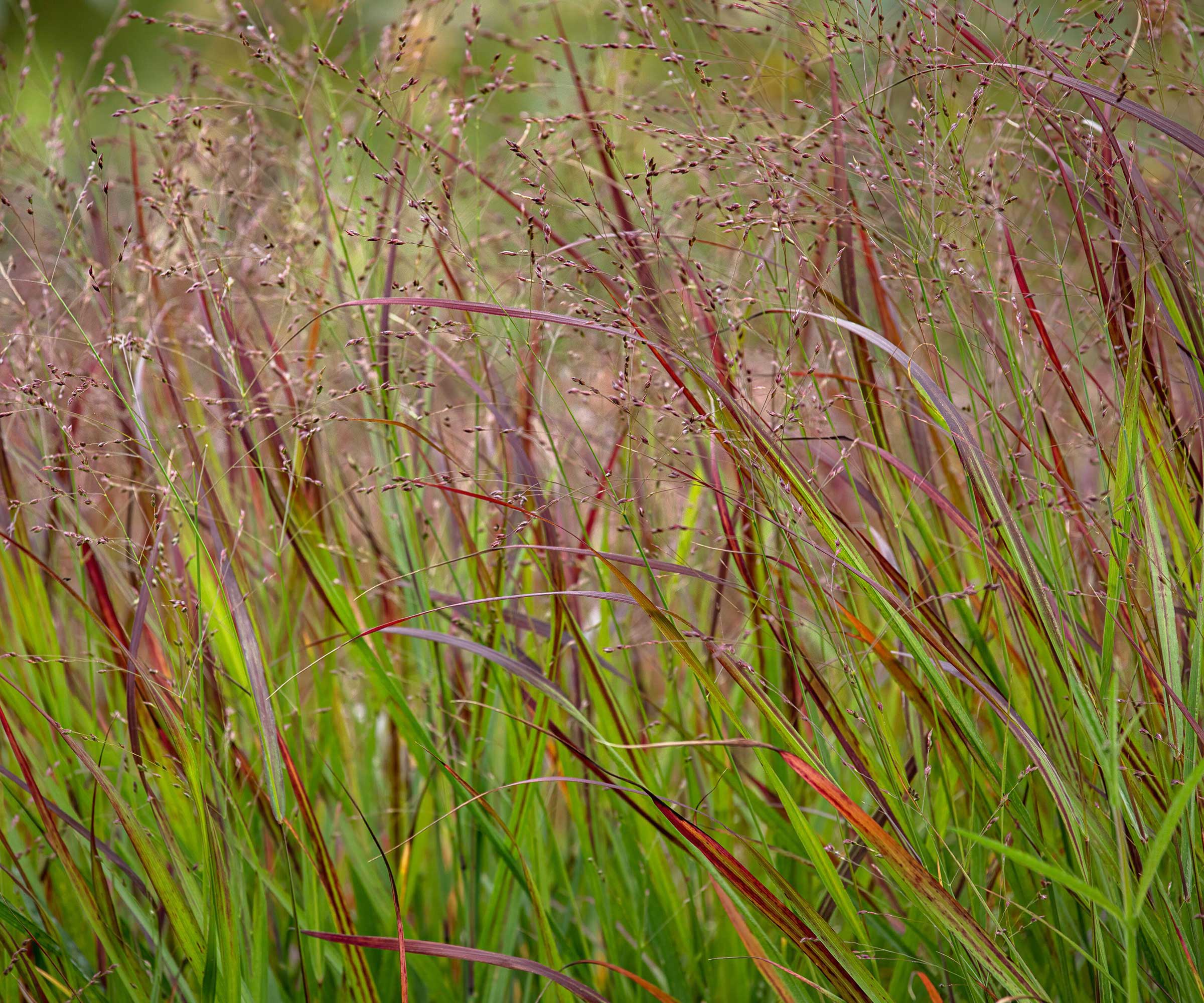
There are numerous ornamental grasses that would make an attractive option for a tranquil garden. A north American native that offers structure and elegance with its beautiful arching blades and deep wine hue is Switchgrass.
'Ornamental grasses, such as Switchgrass, are one of the most effective plants for creating a sense of tranquillity because they bring constant, subtle movement to the landscape,' says Adam.
'Even the lightest breeze animates their foliage, creating a soft rustling sound that naturally draws attention away from everyday distractions.
'Rather than demanding attention with bold flowers, grasses contribute rhythm and texture throughout the seasons, making a garden feel alive without feeling busy.
'I often use Switchgrass, as well as Feather Reed Grass or Mexican Feather Grass, as connective tissue throughout a design to soften architecture and create moments of quiet reflection.'
The Prairie Winds Cheyenne Red Switchgrass from Nature Hill's grows to 2-3' tall and turns deep wine red in fall.
What to Shop
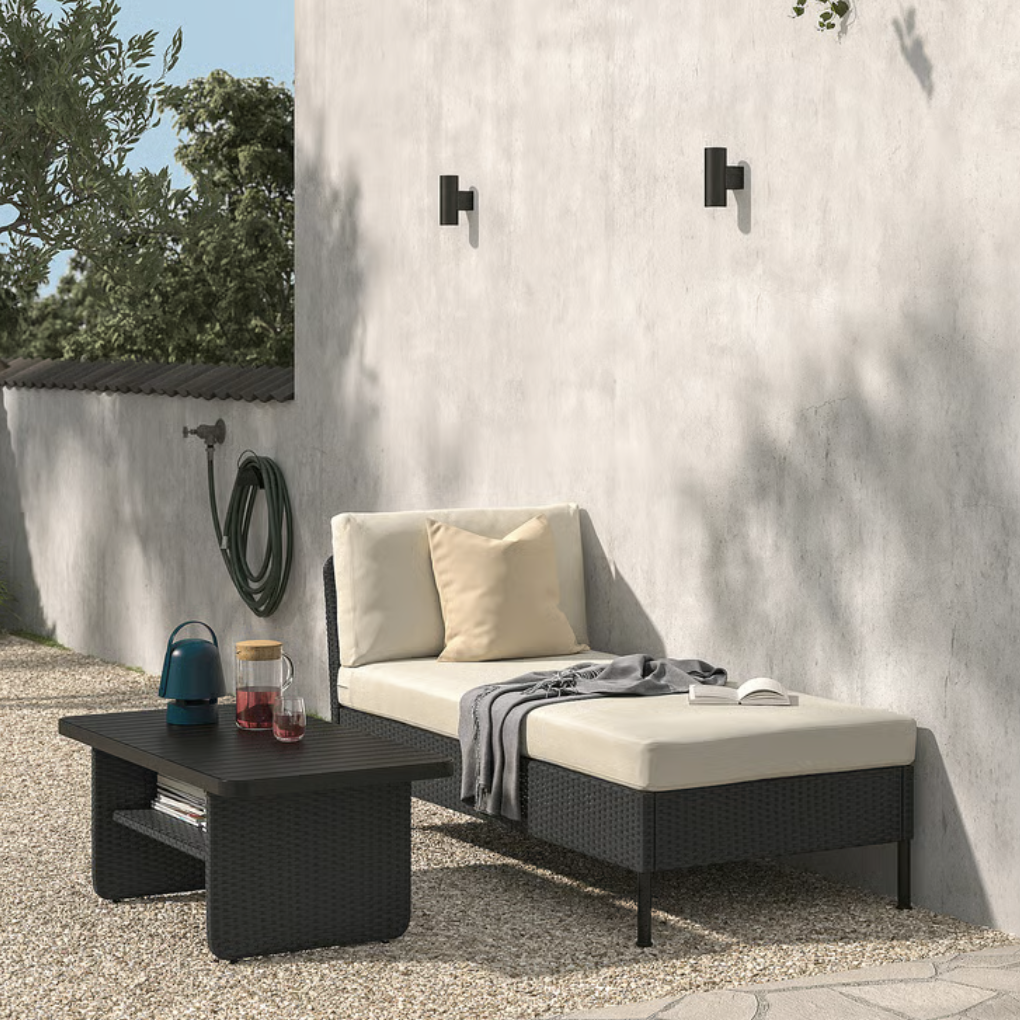
Kick back and relax on this modular chaise longue. Made with weather-resistant plastic rattan, it can stand up to a light rain shower.

Made with a steel frame, this attractive green and white striped swing seat fits three people and has a stylish canopy to offer shade.
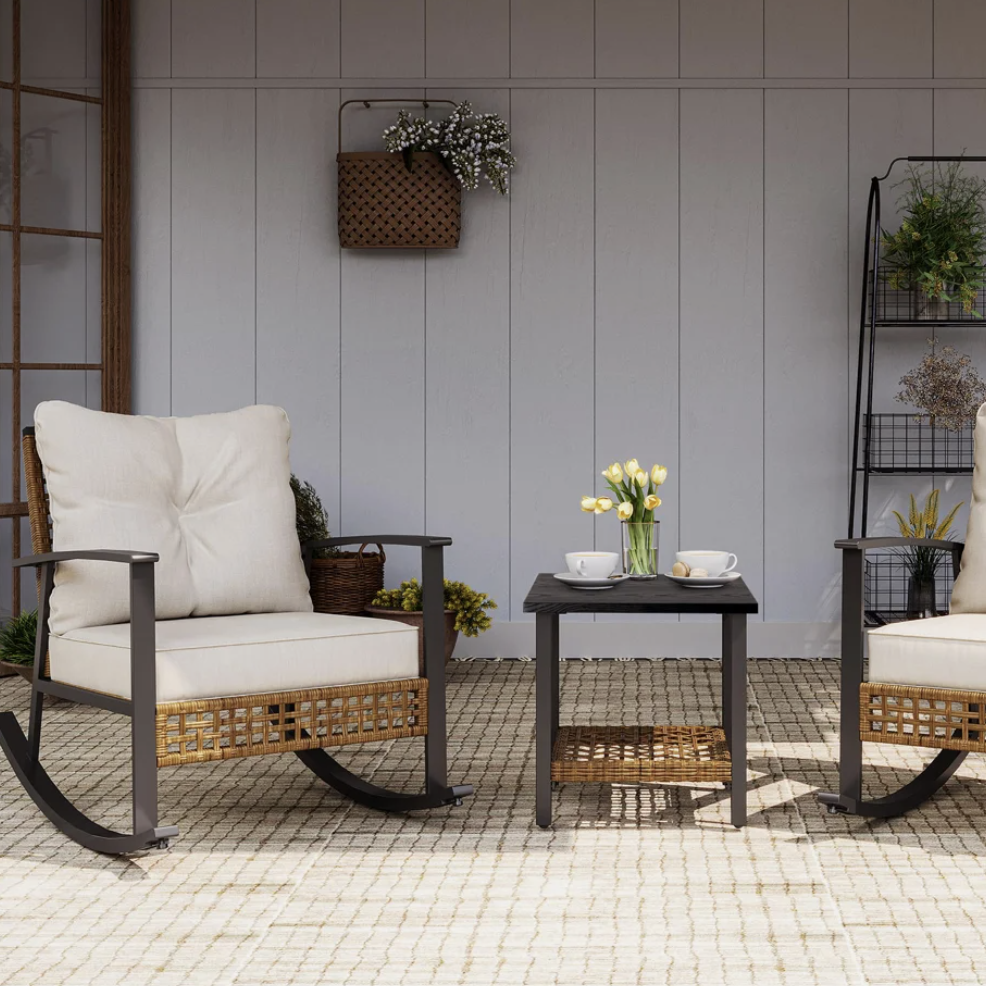
This three-piece wicker rocking seating set has two comfortable chairs and a side table - just what you need to enjoy your tranquil garden.
Creating a tranquil or sensory gardens that's right for you will also depend on the climate where you live. Whether you opt for a muted palette, subtle scents, tactile textures, gentle movement or a soothing mixture, it can help to choose plants native to your region, as these will largely look after themselves.
'The most fundamental principle of sensory garden design is to reflect on what you want and need in a garden to make it work well for you,' says Amy. 'Ideally it's a space where you experience a sense of balance and calm when you are in it, and hopefully for a long time afterwards.'