Japanese maples (acer) are some of the most beautiful trees for fall, with their fiery colors becoming more vibrant as the weather cools. But, in the midst of enjoying their seasonal display, don't forget to give them some essential care.
While Japanese maple care is fairly low maintenance once the trees are established, fall calls for a few tasks to be ticked off. You should focus on pruning damaged branches and protecting Japanese maples in winter by putting down some mulch and installing a tree guard (like this from Amazon) now.
To make sure your acers are ready for the coldest season ahead, I asked an arborist what to do with Japanese maples in October. Here's what they said to prioritize before the end of the month.
1. Remove Damaged Branches

While the best time to prune Japanese maples is often considered between late fall and mid-winter, you can give them a tidy up in October.
'Remove dead, diseased, or broken branches so problems are less likely to spread into healthy parts of the tree,' says Fred Breglia, certified arborist.
'Japanese maples can release sap from fresh cuts when pruned at the wrong time. That's why you should avoid major pruning during extreme summer heat or in late summer and early fall, because it may encourage tender new growth that is vulnerable to winter injury,' says Fred.
Use sharp pruning tools to make essential cuts only. 'I recommend sharp bypass pruners (like these Fiskars ones from Amazon) or loppers for small and medium-size branches. Choose a pruning saw (like this from Lowe's) for larger limbs,' Fred suggests.
Design expertise in your inbox – from inspiring decorating ideas and beautiful celebrity homes to practical gardening advice and shopping round-ups.

Fred Breglia (@bigtreehunters), aka the ‘Tree Man’, is an avid Big Tree Hunter, having discovered, measured and crowned many champion trees in the U.S. Professionally, Fred is the Executive Director of Landis Arboretum, New York, and an International Society of Arboriculture (ISA) Certified Arborist with over 35 years of experience in the green industry.
2. Mulch Your Japanese Maple
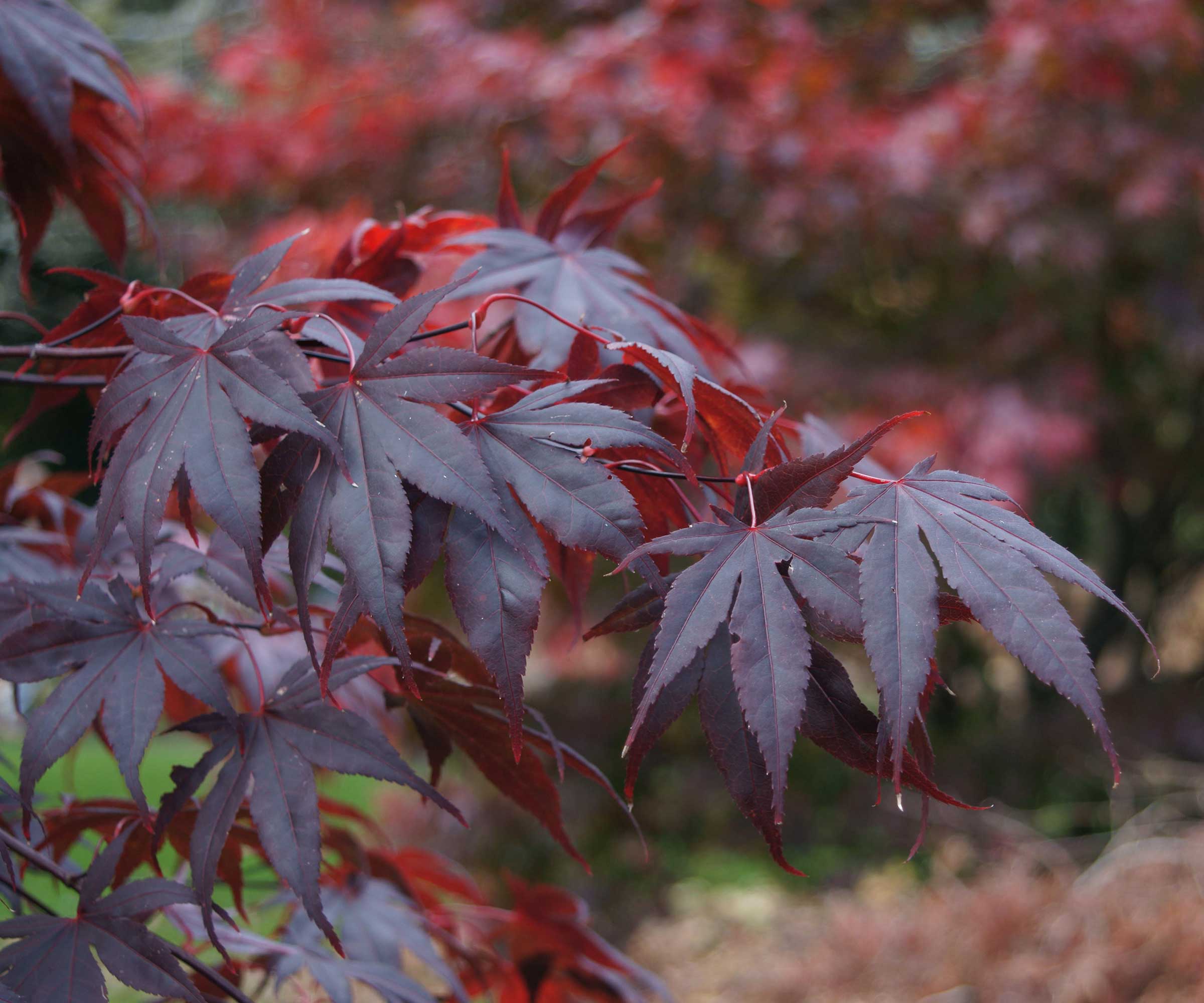
Mulching in summer can help regulate soil temperature and keep roots hydrated, while mulching in fall is used to insulate roots and protect plants from frost. For younger acers in particular, this can help keep them safe through winter.
'Add organic mulch, such as shredded bark or wood chips, or replenish the existing layer around your Japanese maples. A 2-4-inch layer helps protect shallow roots from early freezes,' Fred says. 'Take care to keep mulch away from the trunk, however. This could risk decay and pest problems,' he adds.
This will also keep Japanese maples hydrated through cold, dry winter weather.
For potted Japanese maples, it's a good idea to also wrap the container for extra insulation as roots are more exposed. You can use burlap (like this from Amazon) or even move your Japanese maple to a sheltered position.
3. Protect from Winter Sunscald

Sunscald is another thing to protect trees from in winter. It's caused by the warm winter sun waking up dormant cells in tree trunks which are then damaged by freezing temperatures. Now is a good time to put precautions in place to protect your acers from this.
'Winter sunscald can split bark, particularly on young trees with smooth, thin bark. Damage often appears on the southwest side as sunken, dry, cracked, or dead tissue,' Fred describes.
'You can reduce sunscald risk with a ventilated tree wrap (like this from Walmart) or breathable protective material in fall. It should fit the trunk while allowing airflow and avoiding trapped moisture,' Fred advises.
You can also use a tree guard to protect your acer from animal damage in winter, particularly deer, rabbits, and rodents which browse woody plants when other food sources are scarce.
Mesh tree guards (like this from Amazon) are a good choice, creating a breathable barrier to stop winter wildlife getting to the bark.
What to Shop
Don't forget to also approach watering trees in fall and winter correctly. In particular, you should take care to avoid waterlogging your Japanese maple's soil and reduce watering as its leaves fall. A soil moisture meter (like this from Amazon) can help you monitor this.
If you love inspiring garden ideas, outdoor advice, and the latest news, why not sign up for our newsletter and get the latest features delivered straight to your inbox?